Category: Style and Trends

  • Bohemian Style Furniture: How to Achieve the Look
    Bohemian Style Furniture: How to Achieve the Look

    If you’re looking to add character, warmth, and a sense of freedom to your home, then Bohemian style furniture might just be what you need. Often associated with free-spirited lifestyles, Boho décor has become a favorite in homes around the world. But how can you achieve this laid-back yet artistic vibe in your own space? Let’s dive into the key elements that define Bohemian furniture, how to incorporate them into your home, and some top brands to check out.


    What is Bohemian Style?

    Bohemian style, often referred to as “Boho,” is an eclectic mix of colors, textures, and cultural influences. Rooted in the counterculture movements of the 1960s and ’70s, it embraces individuality and artistic expression. The style is influenced by everything from vintage furniture to travel-inspired designs, making it perfect for those who want their home to reflect their personality and passions.

    Defining Characteristics of Bohemian Furniture

    Bohemian furniture is marked by its unconventional and lived-in look. Think mismatched pieces that come together to create a cohesive, cozy space. It’s all about comfort, style, and a sense of personal flair.

    A Brief History of Bohemian Design

    The Bohemian style has its roots in the artistic communities of Europe, particularly among writers, artists, and musicians in Paris during the 19th century. It gained popularity in the U.S. during the counterculture movement, becoming a symbol of freedom, creativity, and rejecting mainstream norms.


    The Key Elements of Bohemian Style Furniture

    To master the Boho look, it’s important to understand the core elements that make up this distinctive style. Here are the key components to keep in mind when decorating with Bohemian furniture.

    Bold Colors and Patterns

    Bohemian style is known for its vibrant and bold colors. Deep reds, rich purples, sunny yellows, and earthy browns are common. Patterns play a huge role too—mixing floral, geometric, and ethnic-inspired prints will help you achieve that layered, global look that Boho is known for.

    Natural Materials and Textures

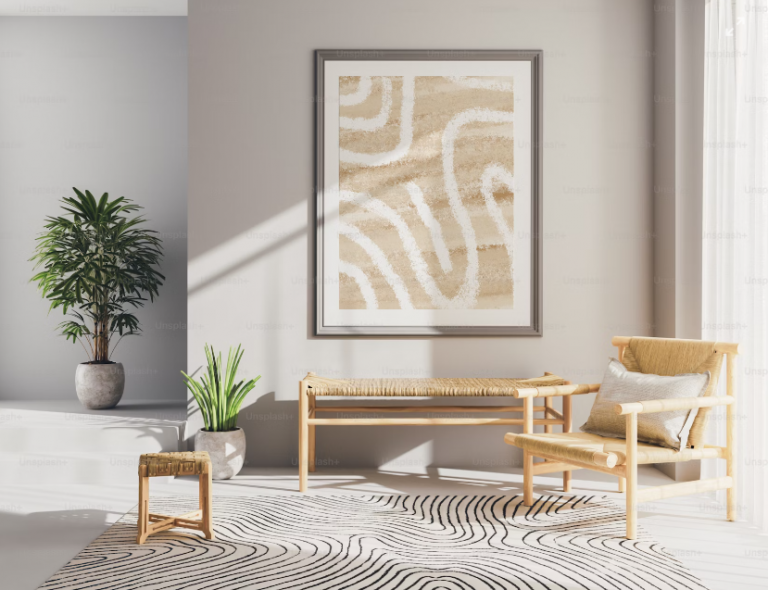
    Wood, rattan, jute, and linen are staples in Bohemian furniture. These materials give the space a relaxed, earthy feel, which ties in with the organic and handmade ethos of the style. Think woven rugs, wicker chairs, and wooden coffee tables.

    Eclectic Mix of Furnishings

    One of the hallmarks of Bohemian furniture is the mixing of different styles and eras. Combining vintage pieces with modern touches, or pairing an antique dresser with a sleek, minimalist lamp, adds visual interest and personality to the room.

    Sustainability in Bohemian Furniture

    Sustainability is a growing concern for many Bohemian style enthusiasts. Eco-friendly furniture made from sustainable materials or upcycled items fits right into the Boho aesthetic. Choosing pieces from local artisans or second-hand shops is another way to keep your style eco-conscious.


    How to Incorporate Bohemian Style into Your Home

    Boho style can be incorporated into any room in your home. Let’s explore how to add a Bohemian touch to your living room, bedroom, and even your home office.

    Creating a Bohemian Living Room

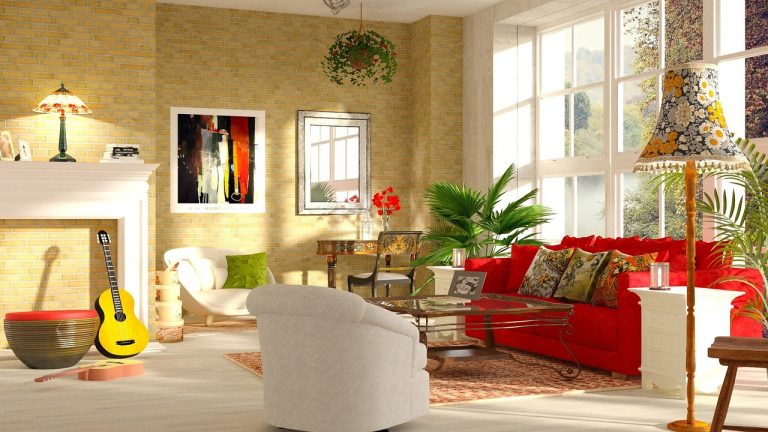
    The living room is often the focal point of Bohemian design. Start by layering textiles—think throw pillows, blankets, and area rugs in bold patterns and vibrant hues. A vintage sofa or a rattan chair can serve as the centerpiece, while plants, mirrors, and artwork add texture and visual interest.

    Bohemian Bedroom Ideas

    In the bedroom, focus on creating a relaxed, cozy atmosphere. A low, wooden bed frame works well with a mix of patterned bedding. Incorporate a variety of textures through knitted throws, macramé wall hangings, and silk or cotton curtains. Don’t forget the plants—succulents, hanging vines, and ferns all add to the Boho vibe.

    Bohemian Home Office and Study Tips

    Your home office can also benefit from Bohemian style. Choose a vintage desk paired with mismatched chairs or a soft, patterned rug. Keep the space open and inviting, and decorate with eclectic items such as art prints, books, and candles.


    Bohemian Style Furniture Brands to Know

    There are many furniture brands that embrace the Bohemian style, offering sustainable, stylish, and budget-friendly pieces for your home. Here are a few to keep on your radar.

    Top Sustainable Bohemian Furniture Brands

    • Urban Outfitters Home: Known for its Boho-chic furniture and décor, Urban Outfitters offers a range of sustainable and unique pieces that align with Bohemian principles.
    • Anthropologie Home: Anthropologie offers a mix of vintage-inspired and artisanal pieces perfect for creating a Bohemian atmosphere.
    • The Citizenry: With a focus on handmade furniture from artisans around the world, The Citizenry combines style with sustainability.

    Budget-Friendly Bohemian Furnishings

    • Wayfair: Offering an extensive selection of Bohemian-style furniture at various price points, Wayfair has something for every budget.
    • IKEA: While more minimalist in its design, IKEA’s affordable furniture can be dressed up with textiles and accessories to achieve a Boho look.

    Maintaining Bohemian Style Furniture

    Once you’ve curated the perfect Bohemian furniture collection, it’s important to maintain it to keep your space looking fresh and vibrant.

    Cleaning and Caring for Natural Materials

    Natural materials like wood and rattan require a little more attention than synthetic materials. Dust regularly, and use eco-friendly cleaners to preserve the integrity of the materials.

    Tips for Upcycling and Repurposing Furniture

    Bohemian style embraces the idea of sustainability, and upcycling old furniture is a great way to bring new life to a piece. Whether it’s repainting a vintage dresser or reupholstering a chair, small DIY projects can add a personal touch to your space.


    Conclusion: Embrace Your Unique Style

    Bohemian style furniture is all about embracing individuality and creativity. It offers a freedom of expression that few other design styles can match. By incorporating bold colors, natural materials, and an eclectic mix of furnishings, you can create a space that truly reflects your personality and style.

    Future Trends in Bohemian Furniture

    As the demand for sustainable and eco-conscious furniture grows, we expect to see more Bohemian furniture brands focusing on using ethically sourced materials and supporting artisans from around the world.


    Frequently Asked Questions (FAQs)

    1. What is the best way to start decorating in Bohemian style?
      Start with one key piece—whether it’s a bold patterned rug or a vintage chair—and build around it. Incorporate various textures, colors, and patterns as you go.
    2. Can I mix Bohemian style with other décor styles?
      Absolutely! Bohemian style is about mixing and matching, so it pairs well with many other styles, such as modern, rustic, or even industrial.
    3. How can I make a small space feel Bohemian?
      Use lots of textiles like throw pillows, rugs, and curtains to create a cozy atmosphere. Incorporating plants will also help make the space feel more vibrant and welcoming.
    4. Is Bohemian style expensive to decorate with?
      Not necessarily! You can find budget-friendly Bohemian furniture at places like IKEA, thrift stores, or online marketplaces. Repurposing old furniture also fits well with the Boho ethos.
    5. What are some key accessories for Bohemian décor?
      Key accessories include throw blankets, decorative pillows, candles, hanging plants, and vintage artwork. Mirrors and woven baskets also make great Bohemian additions.
  • Smart Furniture Innovations: Trends Shaping the Future

    Smart Furniture Innovations: Trends Shaping the Future

    Introduction: The Future of Furniture
    Furniture has come a long way from simple wooden chairs and tables to sleek, high-tech, and highly functional pieces. With the rise of smart technology, furniture is no longer just about function and design; it’s about enhancing the living experience in ways we never imagined. So, what does the future hold for furniture? Let’s dive in and explore the latest trends and innovations shaping the world of smart furniture.

    What Makes Furniture ‘Smart’?

    Defining Smart Furniture: More Than Just Technology
    At its core, smart furniture is designed to integrate modern technology into traditional pieces of furniture. Whether it’s a bed that tracks your sleep, a sofa with built-in speakers, or a desk that adjusts according to your posture, smart furniture offers far more than just comfort—it adapts to your lifestyle and needs.

    The Role of Connectivity in Modern Furniture
    Smart furniture pieces are often connected to the internet, allowing them to sync with apps and other devices. Think of it as the Internet of Things (IoT) making its way into your living room, transforming how you interact with your furniture. With IoT integration, you can control your lighting, temperature, and even entertainment from a single device or voice command.

    Market Trends Driving Smart Furniture Growth

    The Rise of Multi-functional Furniture
    As living spaces get smaller and more people embrace minimalism, multifunctional furniture is becoming a game-changer. Smart furniture, such as transformable couches and modular desks, is allowing us to maximize space without compromising on style or comfort.

    Integration of IoT (Internet of Things) in Home Decor
    The IoT is the backbone of smart furniture, connecting your furniture with other devices in your home. From automated lighting systems to motion sensors in your smart chairs, IoT is making it possible to control all your devices from a single app, making your home more efficient and intelligent.

    Eco-Friendly Smart Furniture Solutions
    With an increasing focus on sustainability, smart furniture manufacturers are now prioritizing eco-friendly materials and energy-efficient designs. Expect more furniture made from recycled materials, energy-saving features like solar-powered lamps, and designs that minimize waste.

    Consumer Preferences: What Do Buyers Want?

    Comfort and Convenience: Key Priorities
    While tech features are undoubtedly cool, comfort remains a priority for many consumers. Smart furniture that provides personalized adjustments, whether it’s a heated chair or a recliner with customizable settings, is gaining popularity because it adds convenience without compromising comfort.

    Aesthetics vs. Technology: Finding the Balance
    Consumers are increasingly looking for smart furniture that blends seamlessly into their homes. Tech should complement, not overpower, the design. Today’s buyers want pieces that look great but also offer the convenience of modern technology.

    Smart Furniture for Small Spaces: A Growing Need
    In urban environments, space is often limited. As a result, consumers are seeking furniture that is both functional and compact. Smart furniture that can transform or serve multiple purposes in one piece is highly sought after by those living in smaller homes or apartments.

    Popular Smart Furniture Products

    Smart Desks and Workstations: Optimizing Productivity
    Smart desks that adjust for sitting or standing, equipped with charging stations and organizational tools, are transforming the way we work from home. These desks not only improve posture but also enhance productivity by offering an organized, tech-friendly environment.

    Smart Sofas and Recliners: Tech-Enhanced Comfort
    Imagine reclining into a chair that knows your comfort level and adjusts accordingly. Smart sofas now come with built-in USB chargers, Bluetooth speakers, and even heating functions to make your lounging experience truly next-level.

    Sleep-Tech: Smart Mattresses and Beds
    Smart beds and mattresses are becoming a key player in enhancing our sleep. These products come with features like sleep tracking, temperature control, and automatic adjustments to help improve sleep quality and overall health.

    Challenges and Limitations of Smart Furniture

    High Costs and Affordability Issues
    While smart furniture is undeniably innovative, it often comes at a premium price. High-tech materials, advanced design, and IoT integration can make these pieces quite expensive. Affordability remains a barrier for many consumers, though prices are expected to drop as technology becomes more mainstream.

    Privacy and Data Security Concerns
    As with any connected device, smart furniture comes with its own set of security concerns. Data privacy issues, especially regarding sleep and health tracking, are a significant concern for many users. Manufacturers need to address these concerns to ensure consumer trust and widespread adoption.

    The Future of Smart Furniture: What’s Next?

    AI Integration and the Future of Personalization
    In the near future, artificial intelligence (AI) will play a massive role in the evolution of smart furniture. Imagine a sofa that adjusts to your preferences, remembers how you like your cushions, and changes according to your mood—all powered by AI.

    The Role of Smart Furniture in Sustainable Living
    As sustainability becomes a major global focus, smart furniture will continue to evolve to meet these needs. From eco-friendly materials to energy-efficient designs, the future of smart furniture looks green and conscious of its environmental footprint.

    Conclusion: Smart Furniture’s Bright Future
    Smart furniture is more than just a trend; it’s a glimpse into the future of living. As technology continues to evolve, these innovations will only become more sophisticated, offering new ways to improve comfort, convenience, and sustainability in our homes.

    FAQs

    What is smart furniture?
    Smart furniture integrates technology into traditional furniture pieces to enhance comfort, convenience, and functionality. Features include wireless charging, adjustable settings, and connectivity with other smart devices.

    Is smart furniture affordable?
    While smart furniture can be expensive, prices are expected to decrease as the technology becomes more widespread. There are also affordable options available in certain categories.

    Can smart furniture be used in small spaces?
    Yes! Many smart furniture designs are compact and multifunctional, making them ideal for smaller homes or apartments.

    How does smart furniture improve sleep?
    Some smart beds and mattresses feature sleep tracking, temperature control, and automatic adjustments to optimize your sleep environment for better rest.

    What’s the future of smart furniture?
    The future of smart furniture involves the integration of AI, more sustainable designs, and further personalization, offering even more comfort and convenience.

  • The Return of Retro Furniture Styles: A Nostalgic Revival

    The Return of Retro Furniture Styles: A Nostalgic Revival

    Introduction

    Trends come and go, but some styles never truly fade. Retro furniture is making a stunning comeback, capturing the hearts of homeowners and designers alike. But why is this nostalgic revival happening now? Let’s dive into the key reasons behind the resurgence of vintage aesthetics in modern interiors.

    Why Retro Furniture is Making a Comeback

    The Influence of Nostalgia in Interior Design

    People long for the past, especially in uncertain times. The charm of retro furniture lies in its ability to evoke memories of simpler days. Whether it’s the bold patterns of the ’70s or the sleek minimalism of the ’50s, vintage designs create an emotional connection.

    Sustainability and Upcycling: A Modern Take on Retro

    Sustainability is at the forefront of modern consumer behavior. Many buyers appreciate the eco-friendly benefits of vintage furniture, such as reducing waste and repurposing materials. Upcycling old pieces into modern designs adds uniqueness to home decor while being kind to the planet.

    Key Retro Furniture Styles That Are Trending

    Mid-Century Modern: Simplicity and Functionality

    This timeless style, characterized by clean lines and organic forms, remains a favorite. Mid-century modern pieces blend seamlessly with contemporary decor while maintaining a touch of nostalgia.

    Art Deco: Glamour and Sophistication

    Art Deco is all about luxury and elegance. Geometric patterns, metallic finishes, and rich color contrasts define this bold and extravagant style, perfect for those who love statement pieces.

    Vintage Industrial: A Raw and Edgy Appeal

    Inspired by old factories and warehouses, industrial furniture features raw materials like metal, reclaimed wood, and exposed hardware. It’s rugged, durable, and full of character.

    70s Boho Chic: Warmth and Personality

    Bohemian decor from the 1970s is back with a modern twist. Think rattan furniture, earthy tones, macramé wall hangings, and a mix of global influences for a free-spirited aesthetic.

    The Role of Colors, Patterns, and Textures in Retro Design

    Popular Retro Color Palettes

    Retro interiors embrace bold colors like mustard yellow, avocado green, and burnt orange, along with softer pastel tones.

    Patterns That Define the Retro Era

    From geometric prints to floral wallpapers, patterns are a defining element of retro decor. Stripes, polka dots, and checkerboard floors add a nostalgic charm.

    Textures That Bring Retro to Life

    Velvet, leather, and shag rugs play a big role in bringing the tactile essence of retro design to the forefront.

    How to Incorporate Retro Furniture Into Your Home

    Blending Old and New: The Art of Balance

    Mixing retro furniture with modern elements ensures a cohesive look without making your home feel like a time capsule.

    Choosing Statement Pieces

    A vintage sideboard, a mid-century sofa, or a bold Art Deco coffee table can instantly set the retro tone in a room.

    Mixing Materials for a Layered Look

    Combining wood, metal, glass, and textured fabrics creates depth and makes your decor feel intentional rather than cluttered.

    Where to Find Authentic and Reproduction Retro Furniture

    Vintage Stores and Antique Shops

    Local thrift stores and antique shops are treasure troves for unique retro pieces with history and character.

    Online Marketplaces and Specialty Retailers

    Websites like eBay, Etsy, and specialized retro furniture retailers offer a vast selection of both authentic vintage and high-quality reproductions.

    Custom-Made Reproductions

    For those who love retro aesthetics but want brand-new pieces, many manufacturers offer custom-made designs inspired by past eras.

    The Future of Retro Furniture: Trends to Watch

    Expect to see a continued fusion of retro and contemporary styles. Designers are experimenting with bolder colors, sustainable materials, and multifunctional retro-inspired furniture to fit modern lifestyles.

    Conclusion

    Retro furniture is more than just a passing trend—it’s a movement that embraces nostalgia, sustainability, and timeless style. Whether you’re a fan of mid-century modern, Art Deco, or boho chic, there’s a retro style that can add character and warmth to your home. As the demand for vintage aesthetics grows, we can anticipate even more innovative takes on classic designs in the future.

    FAQs

    1. Is retro furniture expensive?
      • It depends. Authentic vintage pieces can be pricey, but reproduction and upcycled options offer budget-friendly alternatives.
    2. How can I make my home look retro without a complete redesign?
      • Adding a few statement pieces, incorporating retro colors, and using vintage-inspired decor can instantly create a nostalgic vibe.
    3. What are some budget-friendly ways to find retro furniture?
      • Check thrift stores, online marketplaces, and estate sales for affordable vintage finds.
    4. Can I mix retro and modern furniture?
      • Absolutely! A well-balanced mix of old and new creates a stylish and unique space.
    5. What’s the difference between vintage and retro furniture?
      • Vintage refers to original pieces from past decades, while retro includes both authentic and newly-made designs inspired by past styles.
  • How to Mix and Match Furniture Styles Like a Pro

    How to Mix and Match Furniture Styles Like a Pro

    Mixing furniture styles can transform a space from bland to breathtaking. But how do you blend different styles without making your home look chaotic? The key is balance, cohesion, and a few expert tricks. Let’s dive in!

    Why Mixing Furniture Styles Works Wonders

    A perfectly matched furniture set can sometimes feel too staged, lacking personality. Mixing styles brings depth, character, and a designer touch to any space. It allows you to express your individuality while keeping your home visually engaging.

    Understanding Different Furniture Styles

    Before you start mixing, you need to know what you’re working with. Here are some popular furniture styles:

    Traditional vs. Modern: Blending the Old with the New

    Traditional furniture is rich in details, curves, and luxurious finishes, while modern pieces embrace simplicity, clean lines, and functionality. To make them work together:

    • Use neutral colors as a bridge.
    • Incorporate transitional pieces that have elements of both styles.
    • Play with textures like velvet (traditional) and glass or metal (modern) for a harmonious mix.

    Minimalist Meets Bohemian: Creating Balance

    Minimalism is all about simplicity, while Bohemian decor embraces eclectic charm. To blend them:

    • Keep a neutral base and layer Boho accessories.
    • Mix structured furniture with free-spirited decor.
    • Choose a few bold statement pieces rather than cluttering the space.

    Industrial and Rustic: A Perfect Contrast

    Industrial decor features raw materials like metal and concrete, while rustic embraces wood and natural finishes. Here’s how to make them work together:

    • Use reclaimed wood to warm up industrial elements.
    • Balance metal with soft textiles like linen or wool.
    • Stick to earthy tones to create cohesion.

    Key Principles of Mixing Furniture Styles

    Finding a Unifying Element

    Pick a common thread—whether it’s color, material, or shape—that runs through all pieces. This prevents your space from feeling disjointed.

    Balancing Colors and Textures

    Mixing styles isn’t just about furniture—it’s also about colors and textures. Stick to a cohesive color palette and introduce different textures to add depth.

    Proportion and Scale: Making It Work

    Ensure that furniture pieces are proportional to each other and to the room. A massive vintage armoire paired with tiny, sleek chairs will look off-balance.

    Step-by-Step Guide to Mixing Furniture Styles

    Choosing a Dominant Style

    Start with one style as your base (about 70%) and introduce the secondary style (30%) for contrast.

    Layering Elements for a Cohesive Look

    • Use rugs, cushions, and artwork to bridge different styles.
    • Mix old and new furniture pieces thoughtfully.

    Personalizing with Accessories and Décor

    Accessories like lamps, vases, and bookshelves help tie together disparate furniture styles.

    Case Studies: Real-Life Examples of Style Blending

    • A Scandinavian-inspired living room with vintage French chairs and modern metal light fixtures.
    • A contemporary bedroom with a rustic wooden bed frame and sleek, mid-century nightstands.

    Common Mistakes to Avoid When Mixing Styles

    • Overmixing: Stick to two or three styles max.
    • Ignoring Functionality: Aesthetics matter, but comfort is key.
    • Clashing Colors: Keep a consistent color palette.

    Future Trends in Mixed-Style Interiors

    • Sustainable Fusion: Eco-friendly materials combined with classic and modern styles.
    • Bold Contrasts: More designers are embracing dramatic mixes of styles.
    • Smart Furniture Blending: Technology-integrated furniture pieces in traditionally styled homes.

    Conclusion: Your Home, Your Style

    Mixing furniture styles is all about finding balance while showcasing your personality. Follow these tips, and your home will look effortlessly stylish and cohesive.

    FAQs About Mixing and Matching Furniture Styles

    1. Can I mix more than two furniture styles?
    Yes, but keep a dominant style (about 70%) and use others sparingly to avoid a cluttered look.

    2. What’s the easiest way to make different styles work together?
    Find a unifying element like color, material, or design theme.

    3. How do I mix traditional and modern styles without clashing?
    Use neutral colors, balance textures, and incorporate transitional pieces.

    4. Can I mix wood tones in a room?
    Yes! Just ensure there’s some consistency—either in undertones (warm or cool) or finish.

    5. What should I avoid when mixing styles?
    Avoid overloading the space with too many contrasting elements. Keep balance and cohesion in mind.

    By following these expert tips, you can create a space that is stylish, cohesive, and uniquely yours!

  • 2025 Furniture Trends: What’s Hot This Year

    2025 Furniture Trends: What’s Hot This Year

    Introduction

    As we step into 2025, furniture trends are evolving faster than ever, blending sustainability, technology, and timeless aesthetics. Homeowners and designers are seeking pieces that not only elevate interiors but also enhance functionality. So, what styles, materials, and innovations are shaping the furniture industry this year? Let’s dive into the hottest trends of 2025!

    Sustainability and Eco-Friendly Designs

    The Rise of Sustainable Materials

    With climate change concerns growing, consumers are prioritizing furniture made from recycled and renewable materials. Expect to see reclaimed wood, bamboo, and biodegradable textiles taking center stage.

    Eco-Conscious Manufacturing Processes

    Brands are stepping up their sustainability game by adopting ethical production practices. Low-waste manufacturing, water-based finishes, and non-toxic adhesives are becoming standard.

    Smart and Tech-Integrated Furniture

    AI-Powered and IoT-Enabled Designs

    Imagine a coffee table that adjusts its height based on your activities or a sofa that warms up on chilly evenings—2025 is all about tech-infused comfort.

    Wireless Charging and Smart Lighting

    With more people working from home, furniture with built-in wireless chargers and ambient lighting is becoming a must-have.

    Minimalism with a Twist

    Soft Minimalism: A Cozy Approach

    Minimalist furniture is shifting from stark and cold to warm and inviting, incorporating plush fabrics, soft lines, and neutral hues.

    Multi-Functional Furniture Pieces

    In compact urban homes, furniture that serves multiple purposes—like extendable tables and storage ottomans—is highly sought after.

    Bold and Expressive Color Palettes

    Retro and Earthy Tones Making a Comeback

    Rich mustard yellows, deep greens, and burnt oranges are bringing vintage vibes back into modern interiors.

    Statement Pieces with Vibrant Colors

    From electric blue chairs to bold red sofas, 2025 is all about making a statement with furniture.

    Vintage and Art Deco Revival

    The Return of Ornate Patterns and Details

    Art Deco’s luxurious appeal is resurging, with intricate carvings, brass inlays, and geometric patterns making a statement.

    Mixing Old and New Styles

    Blending classic antiques with modern aesthetics creates a unique and personalized space.

    Space-Saving Solutions for Urban Living

    Modular and Transformable Furniture

    Think Murphy beds, expandable dining tables, and stackable chairs—perfect for optimizing small spaces.

    Innovative Storage Solutions

    Hidden compartments, under-bed storage, and floating shelves are helping urban dwellers maximize their living space.

    Biophilic Design: Bringing Nature Indoors

    Natural Materials and Organic Shapes

    Wood, stone, and rattan are dominating 2025 interiors, reflecting our desire to reconnect with nature.

    Indoor Gardens and Living Walls

    Indoor plants aren’t just for decoration anymore—they’re a key element in furniture design, with built-in planters and vertical gardens.

    Luxurious Yet Functional Upholstery Choices

    Bouclé, Velvet, and Sustainable Fabrics

    Soft and textured fabrics like bouclé and velvet are in, offering both comfort and style.

    Performance Fabrics for Everyday Use

    Stain-resistant and easy-to-clean fabrics are gaining popularity, especially in homes with kids and pets.

    Conclusion

    The 2025 furniture trends showcase a harmonious blend of sustainability, technology, and timeless style. From eco-friendly materials to AI-driven designs, the furniture industry is embracing innovation while staying true to comfort and functionality. Whether you’re revamping your home or just exploring new styles, these trends offer endless inspiration for creating a stylish and practical living space.

    FAQs

    1. What are the top furniture colors for 2025?
    Retro hues like mustard yellow, deep green, and burnt orange, along with bold statement colors like electric blue and red, are trending.

    2. How can I incorporate smart furniture into my home?
    Look for pieces with built-in wireless charging, smart lighting, and AI-powered features to enhance convenience and functionality.

    3. What sustainable materials are popular in 2025?
    Reclaimed wood, bamboo, recycled metals, and biodegradable fabrics are leading the sustainability trend.

    4. How do I make a small space feel larger with furniture?
    Opt for modular and multi-functional furniture, hidden storage solutions, and light-colored upholstery to create an airy feel.

    5. Is vintage furniture making a comeback?
    Yes! Art Deco and vintage-inspired designs with ornate details and luxurious finishes are gaining popularity in modern interiors.

  • Creating a Cozy Home: Furniture Trends for Comfort

    Creating a Cozy Home: Furniture Trends for Comfort

    Introduction
    A cozy home is more than just a collection of furniture—it’s a sanctuary where comfort meets style. In today’s fast-paced world, having a home that feels like a retreat is essential. The right furniture plays a pivotal role in achieving this balance, combining functionality with a touch of personal charm.

    The Importance of Comfort in Modern Homes


    Comfort is no longer a luxury; it’s a necessity. After a long day, your home should be a place where you can relax and recharge. Comfortable furniture not only enhances the physical experience but also promotes mental well-being.

    How Furniture Reflects Personal Style
    Furniture serves as a canvas for your personal taste. Whether you prefer sleek modern designs or a warm rustic feel, the choices you make reveal your lifestyle and priorities.


    Popular Furniture Trends for Comfort

    The Blend of Minimalism and Maximum Comfort
    Minimalism remains popular, but it’s evolving to prioritize comfort. Think large, cushioned sofas with clean lines—spaces that are uncluttered yet inviting.

    Sustainable and Eco-Friendly Choices
    Eco-conscious furniture made from recycled or sustainably sourced materials is becoming a favorite. Not only do these pieces reduce environmental impact, but they also bring a sense of authenticity and uniqueness to your home.

    Multifunctional Furniture for Small Spaces
    As living spaces shrink, multifunctional furniture like sofa beds, expandable dining tables, and storage ottomans is gaining traction. These pieces are both practical and stylish, optimizing every square inch.


    Materials Defining Comfort

    The Allure of Soft Fabrics and Textures
    Plush materials like velvet, chenille, and boucle are on the rise. These fabrics offer a luxurious touch while adding warmth and depth to any room.

    Natural Wood and Organic Finishes
    Furniture crafted from oak, walnut, or bamboo with matte or raw finishes connects the indoors with nature, creating a calming and grounded environment.

    The Elegance of Leather and Faux Leather
    Leather furniture exudes sophistication and durability. Faux leather provides a budget-friendly and cruelty-free alternative, perfect for the modern home.


    Color Trends in Furniture

    Serenity Through Neutral Tones
    Neutral palettes such as beige, taupe, and gray create a serene atmosphere, making them a staple in cozy home design.

    Warmth from Earthy Hues
    Colors like terracotta, olive green, and mustard yellow add warmth and character, enveloping the space in a welcoming vibe.

    Vibrancy with Accent Colors
    While neutrals dominate, adding pops of color through accent chairs or cushions can energize a room and showcase your personality.


    Creating a Cozy Space with Furniture

    The Role of Layout in Enhancing Comfort


    Strategic furniture placement prevents overcrowding and ensures smooth movement, making the room feel spacious and comfortable.

    Layering with Rugs and Throw Pillows
    Layered textiles add visual and tactile richness. A soft rug underfoot or a stack of plush pillows on the couch instantly elevates comfort.

    The Impact of Lighting on Coziness
    Lighting sets the mood. Warm, adjustable lights, combined with floor lamps or candles, create an inviting ambiance perfect for relaxation.


    Tips for Choosing Comfortable Furniture

    Ergonomic Designs for Ultimate Comfort
    Comfortable furniture supports your body. Always test seating for adequate back support and cushioning before purchasing.

    Durability and Long-Term Value
    Investing in high-quality furniture ensures longevity. Durable pieces not only save money over time but also maintain their aesthetic appeal.


    Conclusion

    Creating a cozy home starts with thoughtful furniture choices that blend comfort with style. From embracing sustainable materials to optimizing layouts, today’s trends make it easier than ever to design a space that feels uniquely yours. With these insights, you can turn your home into the ultimate haven of relaxation and comfort.


    FAQs

    How can small spaces feel cozier?
    Opt for multifunctional furniture, use soft textures, and incorporate warm lighting to maximize comfort in limited spaces.

    What are the most comfortable furniture materials?
    Velvet, chenille, leather, and natural wood are top choices for comfort and elegance.

    Are eco-friendly furniture options worth the investment?
    Yes, eco-friendly furniture offers sustainability, durability, and unique designs, making it a worthwhile investment.

    How to balance aesthetics and comfort in furniture?
    Choose ergonomic furniture with clean designs and complement them with cozy accessories like throws and pillows.

    What are the trending furniture colors in 2024?
    Neutral tones, earthy hues, and vibrant accents are dominating furniture trends in 2024.

  • The Impact of Color Psychology in Furniture Choices

    The Impact of Color Psychology in Furniture Choices

    Understanding Color Psychology

    The Science Behind Color Perception

    Colors aren’t just visual stimuli; they’re emotional triggers. Did you know that the way we perceive colors is deeply rooted in human biology and psychology? From ancient cave drawings to modern digital interfaces, colors have always carried meaning.

    How Colors Influence Emotions and Behavior

    Think about how you feel when you see a bright yellow chair versus a deep blue sofa. Yellow sparks energy and positivity, while blue induces calm and focus. It’s no accident—marketers, designers, and even architects have long leveraged this knowledge to shape human behavior.

    Why Color Matters in Interior Design

    Creating Ambiance with Color

    Your furniture’s color palette sets the tone for your space. Want a cozy living room? Opt for warm, earthy tones. Prefer a modern and sleek vibe? Go for cool grays and whites. The right color can transform an ordinary room into a personal sanctuary.

    Color Trends in Furniture

    Classic Neutrals

    Beige, cream, and gray remain timeless favorites for their versatility and understated elegance.

    Bold and Bright Tones

    Emerald green, fiery red, and royal blue are trending for those who dare to make a statement. These colors are often used to inject personality into minimalist designs.

    Psychological Effects of Different Colors

    Warm Colors: Energizing and Inviting

    Warm tones like red, orange, and yellow stimulate energy and excitement. They’re perfect for social spaces like living rooms or dining areas.

    Cool Colors: Calming and Relaxing

    Shades of blue and green bring tranquility. They’re ideal for bedrooms and study spaces, promoting rest and focus.

    Neutral Colors: Balanced and Timeless

    Neutrals create a grounding effect, allowing for flexibility in other design elements.

    Choosing the Right Furniture Color

    Considering Room Function

    Each room serves a unique purpose. A vibrant red couch might energize a living room but could overwhelm a bedroom meant for relaxation.

    Matching Personal Preferences

    Your furniture should reflect your personality. Love nature? Try green tones. Prefer luxury? Opt for rich velvet textures in jewel tones.

    Balancing Color with Lighting

    Natural and artificial lighting affect how colors appear. Always test your furniture colors in the intended space before committing.

    Practical Tips for Incorporating Colors

    Experimenting with Accent Pieces

    Not ready to commit to bold colors? Start small with cushions, rugs, or wall art. These pieces add pops of color without overwhelming the space.

    Seasonal Updates and Flexibility

    Swap out soft furnishings like curtains and throws to match the season. Think warm hues for winter and cooler tones for summer.

    The Role of Cultural and Regional Preferences

    Influence of Cultural Significance

    In many cultures, colors hold symbolic meanings. For instance, red signifies good fortune in China, while white often represents mourning in parts of Asia.

    Regional Trends and Variations

    Scandinavian designs favor muted tones, while tropical regions embrace vibrant, bold palettes inspired by nature.

    The Future of Color Psychology in Furniture

    Advancements in AI and Predictive Tools

    AI is revolutionizing color selection, allowing designers to predict consumer preferences and create tailored furniture collections.

    Sustainability and Eco-Friendly Colors

    The future is green—literally and figuratively. Sustainable furniture increasingly features natural, earthy tones that align with eco-conscious values.

    Wrapping Up: A Colorful Future

    Colors are more than just aesthetic choices; they’re tools to craft mood, inspire action, and express identity. Whether you’re furnishing your home or designing a commercial space, understanding the psychology behind color will empower you to make more informed, impactful

    choices.


    FAQs

    1. Why is color psychology important in furniture selection?
      It helps create the desired ambiance, affects emotions, and enhances functionality.
    2. How do I choose a furniture color for a small room?
      Opt for lighter shades to make the room appear more spacious and airy.
    3. What are the most versatile furniture colors?
      Neutrals like gray, beige, and white are versatile and timeless.
    4. Can bold colors work in minimalist spaces?
      Yes, bold colors can serve as striking accents in minimalist designs.
    5. How does lighting affect furniture color perception?
      Lighting can alter how colors look; always test furniture under the room’s lighting conditions.
  • Sustainable Home Design: Eco-Friendly Trends and Ideas

    Sustainable Home Design: Eco-Friendly Trends and Ideas

    Introduction
    As we become more environmentally conscious, sustainable home design has emerged as a vital trend. But what does it truly mean to design a home sustainably? This article explores eco-friendly trends and ideas to help you create a home that is both beautiful and kind to the planet.

    What is Sustainable Home Design?
    Definition and Importance


    Sustainable home design focuses on minimizing negative environmental impacts while maximizing the quality of life for its inhabitants. It involves using resources wisely, reducing waste, and creating spaces that enhance well-being. In light of climate change and environmental degradation, sustainable design is more critical than ever.

    Key Principles of Sustainability
    At its core, sustainable design encompasses several key principles: reducing energy consumption, conserving water, using sustainable materials, and ensuring the health of the inhabitants. By integrating these principles into home design, you can create a space that feels good and does good.

    Eco-Friendly Materials
    Renewable Resources
    One of the most significant aspects of sustainable design is the choice of materials. Opting for renewable resources, such as bamboo or cork, ensures that the materials used in your home are replenishable. These materials grow quickly and can be harvested without damaging the environment.

    Recycled and Reclaimed Materials


    Using recycled or reclaimed materials is another fantastic way to promote sustainability. Not only do these materials help reduce waste, but they also add unique character to your home. Imagine beautiful reclaimed wood beams or stylish recycled glass countertops—these options can transform your space while being eco-friendly.

    Energy Efficiency in Home Design
    Importance of Energy Efficiency
    Energy efficiency is a cornerstone of sustainable home design. It reduces energy consumption, which not only lowers your utility bills but also decreases your carbon footprint. Simple changes can lead to significant impacts, making energy efficiency a vital consideration in design.

    Energy-Efficient Appliances
    Investing in energy-efficient appliances is a practical step in enhancing your home’s sustainability. Look for appliances with the ENERGY STAR label, which indicates they meet strict energy efficiency guidelines. These appliances use less energy while delivering the same performance, making them a smart choice for any eco-conscious homeowner.

    Water Conservation Strategies
    Low-Flow Fixtures


    Water conservation is another essential aspect of sustainable design. Installing low-flow fixtures, such as showerheads and faucets, can drastically reduce water usage without sacrificing comfort. It’s a win-win for your water bill and the environment.

    Rainwater Harvesting Systems
    Consider implementing a rainwater harvesting system, which collects rainwater from your roof and stores it for later use. This collected water can be used for irrigation, flushing toilets, or even laundry, significantly reducing your reliance on municipal water sources.

    Indoor Air Quality
    Natural Ventilation Techniques
    Indoor air quality is crucial for health and well-being. Implementing natural ventilation techniques, such as strategically placed windows and vents, allows for fresh air circulation, reducing the need for air conditioning and improving overall air quality.

    Non-Toxic Building Materials
    Choose non-toxic building materials that do not emit harmful chemicals into the air. Materials like low-VOC paints and finishes contribute to a healthier indoor environment, ensuring that your home is safe for you and your family.

    Incorporating Green Spaces
    Vertical Gardens
    Green spaces are vital for both environmental benefits and personal well-being. Vertical gardens, or living walls, not only beautify your home but also improve air quality and provide insulation. They’re a fantastic way to bring nature into urban settings.

    Native Plant Landscaping
    Opting for native plants in your landscaping is a smart move. Native plants require less water and are more resistant to local pests, reducing the need for chemical treatments. This approach not only conserves resources but also supports local ecosystems.

    Conclusion


    In conclusion, sustainable home design is more than just a trend; it’s a necessity in today’s world. By incorporating eco-friendly materials, energy-efficient practices, and thoughtful design choices, you can create a home that is beautiful, functional, and sustainable. Every little change can lead to significant impacts, making your living space a greener sanctuary.

    FAQs

    1. What are the benefits of sustainable home design?
      Sustainable home design reduces environmental impact, saves on utility bills, and improves indoor air quality, promoting a healthier lifestyle.
    2. How can I make my home more energy-efficient?
      You can enhance energy efficiency by using energy-efficient appliances, improving insulation, and incorporating renewable energy sources like solar panels.
    3. What materials are considered eco-friendly?
      Eco-friendly materials include bamboo, reclaimed wood, recycled metal, and low-VOC paints.
    4. How does landscaping affect sustainability?
      Landscaping with native plants conserves water, reduces chemical use, and supports local wildlife, contributing to a sustainable environment.
    5. Can I retrofit my existing home for sustainability?
      Yes, many sustainable practices can be retrofitted into existing homes, such as installing low-flow fixtures, improving insulation, and using energy-efficient appliances.
  • The Art of Mixing Patterns in Home Decor: Dos and Don’ts

    The Art of Mixing Patterns in Home Decor: Dos and Don’ts

    Introduction to Pattern Mixing

    Mixing patterns in home decor can transform your space from ordinary to extraordinary. It’s a creative art that allows you to express your style while adding depth and visual interest to your surroundings. Whether you’re a seasoned decorator or just starting, understanding the dos and don’ts of pattern mixing is essential for achieving a harmonious look.

    Why Mix Patterns?

    The Psychological Impact of Patterns

    Patterns are more than just decorative elements; they influence our mood and perception. A well-mixed pattern scheme can evoke feelings of warmth, comfort, and energy. By blending different patterns, you can create an inviting atmosphere that reflects your personality.

    Adding Depth and Interest

    Mixing patterns adds layers to your decor, making it visually appealing. It breaks the monotony and draws the eye, encouraging exploration of the space. Think of your room as a canvas—patterns are the colors that bring it to life!

    Dos of Mixing Patterns

    Do Choose a Color Palette

    One of the most crucial steps in mixing patterns is selecting a color palette. This doesn’t mean everything has to match perfectly; rather, your patterns should share common colors. For example, a floral print with shades of blue can complement geometric patterns in similar hues.

    Create a Cohesive Look

    Cohesion is key! By tying patterns together through color, you create a sense of unity. This approach helps prevent the space from feeling chaotic. Think of your decor as a conversation; all elements should relate to each other, even if they’re different.

    Do Vary Scale and Size

    Mixing patterns is about contrast. Varying the scale and size of patterns can create a dynamic look. Pair a large floral print with smaller stripes or polka dots. This juxtaposition adds excitement and prevents your decor from feeling flat.

    Combining Large and Small Patterns

    For instance, a large geometric rug can ground a room while smaller patterned cushions add a playful touch. This interplay between large and small patterns creates visual interest and keeps the eye engaged.

    Do Use a Focal Point

    A focal point can anchor your design and make pattern mixing easier. Identify a statement piece—like an artwork or a bold piece of furniture—and build your patterns around it. This strategy helps create balance and ensures your decor feels intentional.

    Designing Around a Statement Piece

    Imagine a vibrant piece of art; you could pair it with neutral furniture and introduce patterns in smaller accessories like throw pillows and curtains. This method allows your focal point to shine while still embracing the beauty of patterns.

    Don’ts of Mixing Patterns

    Don’t Overwhelm with Too Many Patterns

    While mixing patterns can be fun, too many can create visual chaos. Stick to a few key patterns—usually three to five. This approach keeps your decor cohesive and prevents it from becoming overwhelming.

    Don’t Ignore Texture

    Texture plays a crucial role in pattern mixing. It adds depth and richness to your space. Incorporating various textures—like smooth, rough, shiny, and matte—can elevate your design. A textured fabric can soften bold patterns and create a more inviting atmosphere.

    Don’t Forget About Balance

    Balance is essential when mixing patterns. Ensure that no single pattern dominates the space. Distribute patterns evenly throughout the room, using larger patterns in more prominent areas and smaller ones to accentuate other features.

    Conclusion

    Mastering the art of mixing patterns in home decor is a journey that combines creativity and thoughtful planning. By following the dos and don’ts outlined in this article, you can confidently blend patterns that reflect your unique style while creating a harmonious living space. So grab those cushions, throw in a bold rug, and let your decor do the talking!

    FAQs

    How can I start mixing patterns in my home?

    Begin with a defined color palette, select a few complementary patterns, and gradually introduce them into your decor.

    What are some beginner-friendly patterns to mix?

    Stripes, polka dots, and florals are great starting points for beginners due to their versatility.

    Can I mix patterns in small spaces?

    Absolutely! Use lighter colors and smaller patterns to create an illusion of space.

    How do I ensure patterns match?

    Stick to a color palette and focus on varying scales to create harmony.

    What are some common mistakes to avoid?

    Avoid mixing too many different patterns, and ensure you maintain balance throughout the space.

  • Incorporating Vintage Style: Nostalgic Home Trends

    Incorporating Vintage Style: Nostalgic Home Trends

    In a world where trends come and go faster than a flash, vintage style remains a steadfast favorite. It’s not just about aesthetics; it’s about capturing a sense of nostalgia that resonates deeply with many of us. Let’s dive into the essence of vintage style and explore how to incorporate it into your home for a warm, inviting atmosphere.

    Introduction to Vintage Style

    What is Vintage Style?
    Vintage style refers to the design and decor that harkens back to previous decades, often featuring items that are at least 20 years old. It’s a blend of history, art, and personal touch, creating spaces that tell stories and evoke emotions.

    The Allure of Nostalgia

    Why Vintage?
    There’s something magical about vintage items. They hold memories of the past, whispering tales of a different era.

    Emotional Connections
    When you surround yourself with vintage pieces, you’re often surrounding yourself with memories—whether they are your own or from a time gone by. A vintage chair from your grandmother can evoke cherished moments, making your space feel more personal and relatable.

    A Sustainable Choice


    In today’s eco-conscious world, vintage items are a sustainable choice. By reusing and repurposing, you not only reduce waste but also embrace timeless styles that never go out of fashion. It’s like wearing a classic piece that never fades.

    Key Vintage Trends

    Popular Vintage Styles
    There are numerous styles to explore when incorporating vintage into your home. Let’s look at some of the most popular ones.

    Mid-Century Modern
    Mid-century modern design, with its clean lines and organic forms, remains incredibly popular. Think of iconic pieces like the Eames chair, which embodies a blend of form and function. Incorporating such elements can add a chic yet comfortable vibe to your space.

    Art Deco Elegance
    Art Deco, characterized by bold geometric patterns and rich colors, brings a touch of glamour. Think gold accents and luxurious fabrics—perfect for adding a sophisticated edge to your decor.

    Rustic Farmhouse
    The rustic farmhouse trend emphasizes warmth and comfort. With reclaimed wood, vintage signs, and soft textiles, it creates a welcoming space that feels like home. It’s all about those cozy evenings with a cup of tea.

    Incorporating Vintage into Your Home

    Practical Tips for Integration
    Now that we’ve explored the different vintage styles, let’s look at how you can seamlessly integrate these elements into your home.

    Choosing the Right Pieces
    The key to a balanced vintage look is mixing old pieces with modern ones. This contrast can elevate your decor, making it feel curated rather than cluttered. Imagine pairing a vintage side table with a contemporary lamp—it’s a match made in design heaven!

    Color Palettes and Textures
    Color plays a crucial role in setting the mood. Vintage styles often embrace muted tones—think pastels or earth tones. Mixing textures like soft linens with rough woods can create depth and interest, pulling the entire room together.

    DIY Vintage Projects

    Personalizing Your Space
    If you’re feeling crafty, why not try some DIY vintage projects? They can add a personal touch that store-bought items simply can’t match.

    Upcycling Furniture
    Upcycling old furniture can be incredibly rewarding. A coat of paint or new upholstery can breathe new life into tired pieces, making them unique to your style.

    Vintage-inspired Decor


    Accessorizing is where you can really let your vintage flag fly. Look for vintage clocks, mirrors, or wall art that can serve as conversation starters in your home.

    Conclusion

    Embracing vintage style is more than just a trend; it’s a way to connect with the past while creating a unique living space. By incorporating vintage elements, you not only add character to your home but also contribute to a sustainable lifestyle. So go ahead, explore those flea markets, upcycle old furniture, and let your nostalgic side shine through!

    FAQs

    1. What defines vintage style in home decor?
      Vintage style in home decor refers to elements that are at least 20 years old, showcasing designs from past eras that evoke nostalgia and charm.
    2. How can I incorporate vintage elements without making my home look outdated?
      Mix vintage pieces with modern items to create a balanced look. Use vintage accessories to add character without overwhelming your space.
    3. Are vintage items eco-friendly?
      Yes, vintage items are considered eco-friendly because they promote reuse and reduce waste, contributing to a sustainable lifestyle.
    4. What are some easy DIY vintage projects?
      Easy DIY projects include upcycling old furniture with paint or new upholstery, creating vintage-inspired decor with thrifted items, or even making your own vintage art pieces.
    5. Where can I find vintage home decor items?
      You can find vintage home decor at flea markets, antique shops, thrift stores, and online marketplaces like Etsy.