

A room can be finished in a weekend and still feel strangely temporary. Every pillow agrees with every print, but nothing suggests that anyone has lived there long enough to discover what they need. The opposite problem is familiar too: a home full of objects acquired without a plan, each interesting alone and exhausting together.
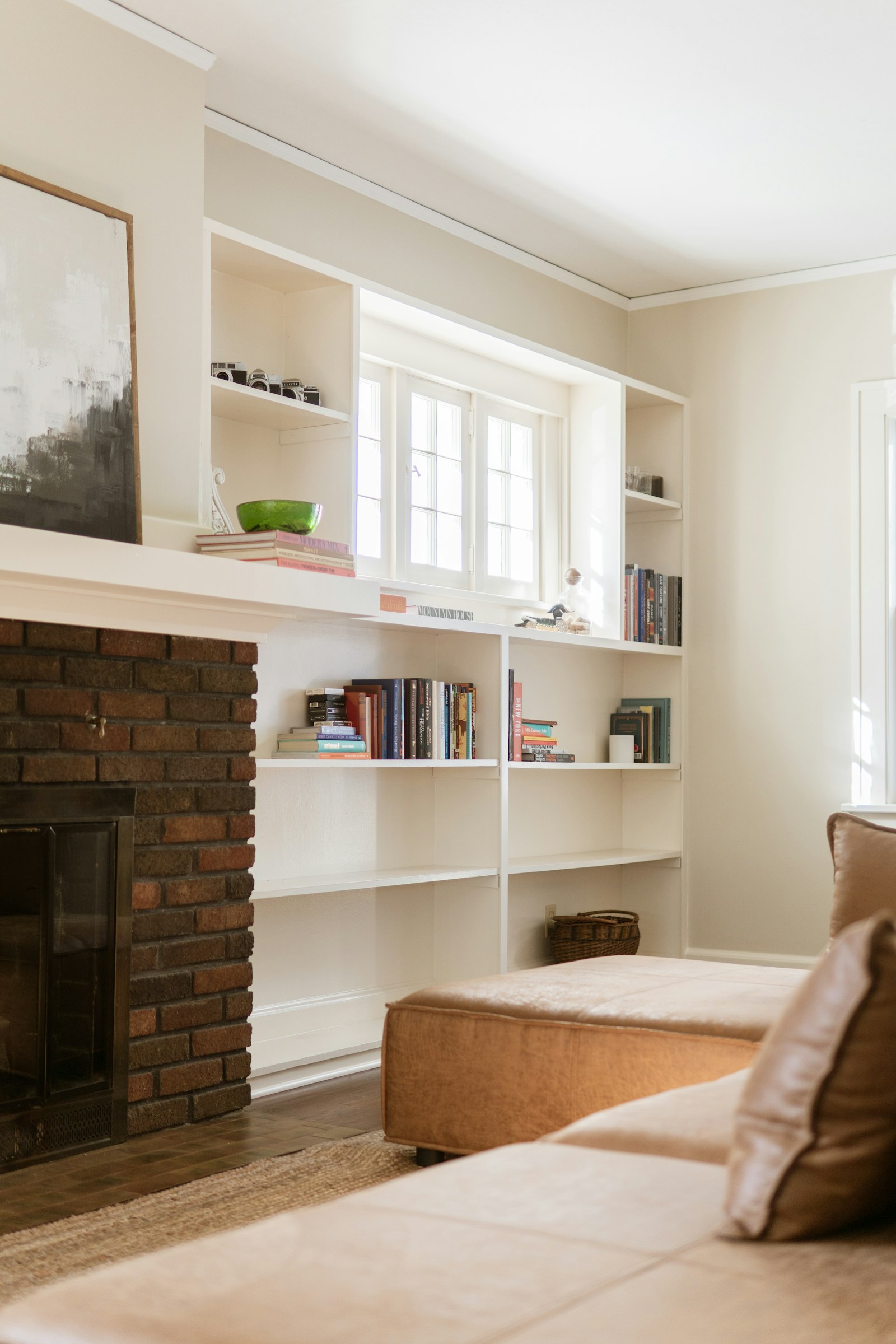
Slow decorating sits between those extremes. It is not a rule against buying new things or a performance of thrift. It is a method of making decisions in the order that experience reveals them. You live with the room, notice the missing function, measure it, and then buy or repair with a specific purpose.
Let the room tell you what is wrong
Spend a week noting small frictions. Is the chair everyone chooses poorly lit? Do bags land on the floor because there is no hook? Does the rug catch at the doorway? Is the dining table used as a permanent mail station because there is nowhere else for paper?
These observations are more valuable than a mood board. A beautiful lamp is a good purchase when it illuminates the place people actually read. It is a placeholder when bought to complete a photograph and then switched off because it glares into the television.
Write down the problem before shopping. “Need a side table within reach of the sofa” leads to better choices than “need something for the living room.”
Finish the layout before the styling
Move what you own. Try the sofa on another wall, turn a chair toward conversation, or swap lamps between rooms. Painter's tape can outline a larger rug or cabinet before money changes hands. Leave a promising layout in place for several days and see how people move through it.
Scale is easier to judge at full size than in an online image. Measure not only the proposed furniture, but the open drawer, pulled-out chair, and delivery route. A piece that fits its assigned wall can still make the room less usable.
The cost of a mistaken large purchase is more than the price tag. It includes delivery, storage, returns, and the time spent working around it.
Create a short list with a long life
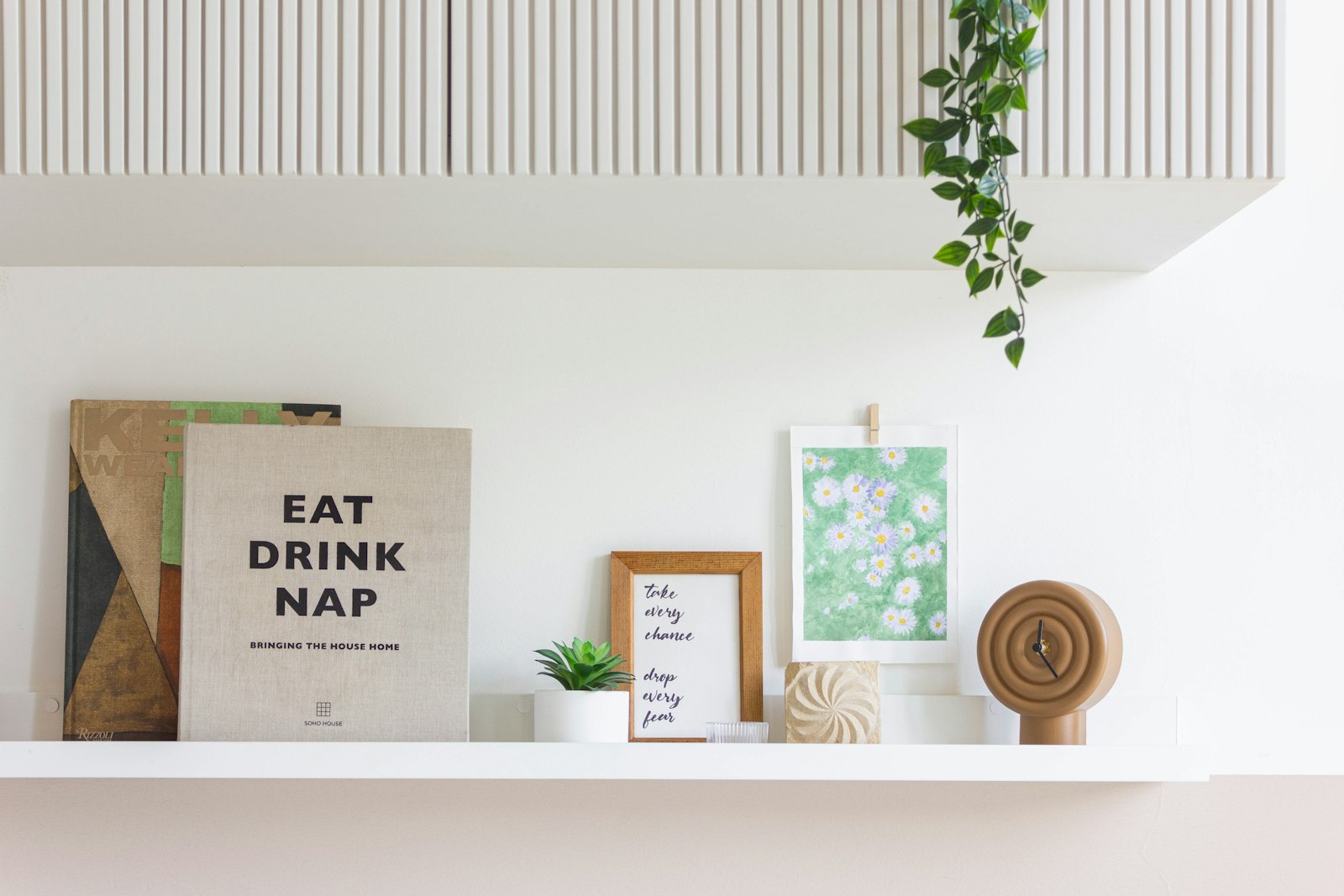
Keep a list of genuine gaps, ranked by daily impact. Perhaps the entry needs storage, the bedroom needs a light-blocking treatment, and the living room needs a rug large enough to connect its seating. A new vase does not belong ahead of those needs merely because it is easier to buy.
For each item, record the maximum and minimum dimensions, preferred material, care tolerance, and budget. Include a note about what would make you reject it. A good rejection rule can prevent a sale from becoming a compromise.
Review the list monthly. Some apparent needs disappear after a layout change. Others become more precise, which is exactly the benefit of waiting.
Buy the piece that has a job
A collected home is not defined by antique age. A new, well-made sofa can be the right anchor. A secondhand table may bring character. An inexpensive lamp can provide perfect light. The common factor is usefulness and fit.
When shopping secondhand, inspect joints, drawers, odor, water damage, and evidence of pests. Measure the largest non-removable component and the route into the home. A bargain needing expensive repair or unsafe lifting is not a bargain.
When shopping new, look for clear construction details, care instructions, replacement parts, and realistic return terms. Broad labels such as “eco-friendly” or “heirloom quality” mean less than specific, verifiable information.
Repair before replacing—but know when to stop
A loose handle, tired lampshade, small upholstery tear, or sticky drawer may be repairable. Cleaning and maintenance can make a room feel cared for without another purchase. The U.S. EPA encourages repair and reuse as ways to reduce waste.
Do not turn that principle into an obligation to keep unsafe or failing objects. A cracked electrical cord, unstable chair, or mold-damaged cabinet needs appropriate repair or removal. Old painted furniture can raise lead-dust concerns if sanded or stripped. Know the material and risk before beginning a DIY makeover.
The best repair preserves a piece you want to continue using. A costly intervention on an object you never liked may only postpone a more honest decision.
Make room for what is personal
Art bought on a trip, books with notes in them, inherited ceramics, a photograph framed after years in a drawer—these objects make a home specific. They need space around them. If every shelf is full, even meaningful things become background noise.
Group related items and leave a few quiet surfaces. A collection need not be displayed all at once. Rotating objects can renew a room without buying anything and protect light-sensitive pieces from constant exposure.
Do not feel required to invent a story for every object. A new item can be loved simply because it works beautifully. The point is choice, not provenance theater.
Treat trends as ideas, not deadlines
Trends can introduce a color, material, or furniture shape you might genuinely enjoy. They are useful as prompts. They become expensive when a room is replaced each time a feed changes direction.
Try a trend in a reversible, modest way first: a borrowed fabric sample, a painted test board, a throw, or a rearranged shelf. If the idea remains appealing after months of ordinary life, consider a more permanent choice.
Large purchases should answer needs that outlast a season. A sofa needs the right depth and construction even if its silhouette is fashionable. A dining table needs knee room even if its base has become popular online.
Build coherence without buying a set
Repeat a few visual notes: a wood tone, a dark metal, a muted color, or a curved line. They can connect pieces from different eras without making them match exactly. An old cabinet and new chair may look unrelated until a rug contains both their colors or a lamp repeats the cabinet's dark frame.
Pay attention to scale and value. A tiny ornate table beside an enormous sectional needs an intermediate piece or a different role. A room of all pale mid-tones may need a darker anchor more than another accent color.
Coherence comes from relationships between objects, not from buying every object at once.
Use an honest budget
Divide spending into essentials, useful upgrades, and optional decoration. Include delivery, assembly, fabric care, repairs, and return shipping. A low purchase price can conceal substantial ownership cost.
Set aside a portion for unexpected repairs or a piece worth waiting for. This is not a license to pay any price for “timelessness,” which is another marketing word. Compare alternatives and the actual lifespan you can reasonably expect.
The Federal Trade Commission warns against broad, unsupported environmental claims. If sustainability is part of a purchase decision, look for a specific attribute that matters—repairable parts, verified recycled content, or a durable piece you will keep—rather than a vague green label.
Notice the cost of placeholders
A placeholder is an item bought quickly because a space feels unfinished, with an unspoken expectation that it will eventually be replaced. Sometimes a temporary inexpensive item is necessary. But repeated placeholders can cost more than waiting for one suitable piece.
Borrow a chair, reuse a table from another room, or leave a wall blank while searching. Empty space can feel uncomfortable for a while; it also preserves the opportunity to make a better decision.
If a temporary item is needed, choose one that can later move to another room or be donated in good condition. That is more sensible than purchasing something designed only to imitate the final choice.
Let the home change with its people
Slow decorating is not a promise that every decision will last forever. A household changes, and its rooms should change with it. Children grow, work arrangements shift, hobbies appear, and mobility needs evolve.
Choose flexible storage where flexibility is genuinely useful. Keep measurements and product information so parts can be replaced. Repair what you can and sell or donate what no longer fits rather than storing it indefinitely.
The aim is not a static room that looks “done.” It is a home that can absorb new uses without requiring a complete reset every year.
A better finish line
A collected home feels complete enough to live in, yet open to change. Its furniture has jobs, its objects have room to be seen, and its owners can explain why a piece is there without citing a trend. The process may take longer than a weekend purchase spree, but it avoids the more tiring cycle of buying, regretting, and replacing. Start with the daily friction, then make one good decision at a time.
Sources and further reading
- U.S. Environmental Protection Agency, repair and reuse: https://www.epa.gov/climate-change/what-you-can-do-about-climate-change-waste
- Federal Trade Commission, environmental marketing claims: https://www.ftc.gov/business-guidance/resources/environmental-claims-summary-green-guides