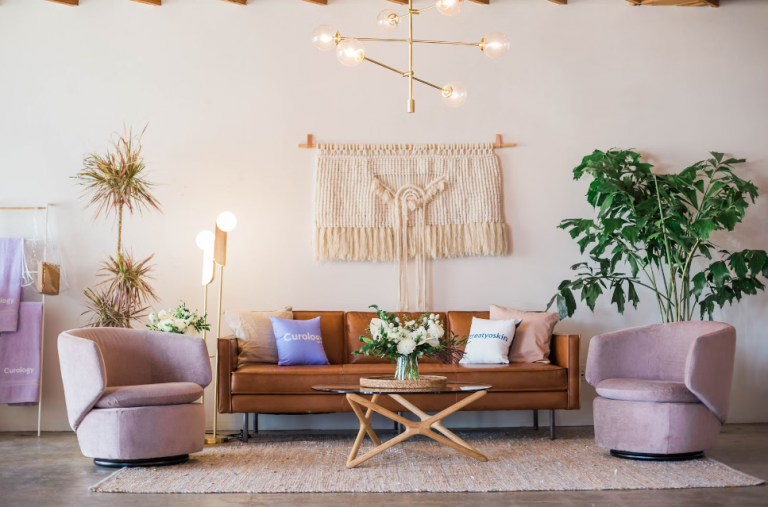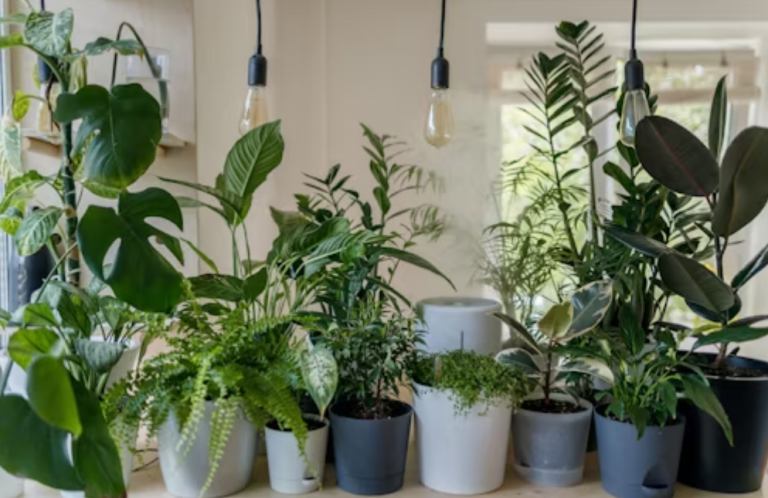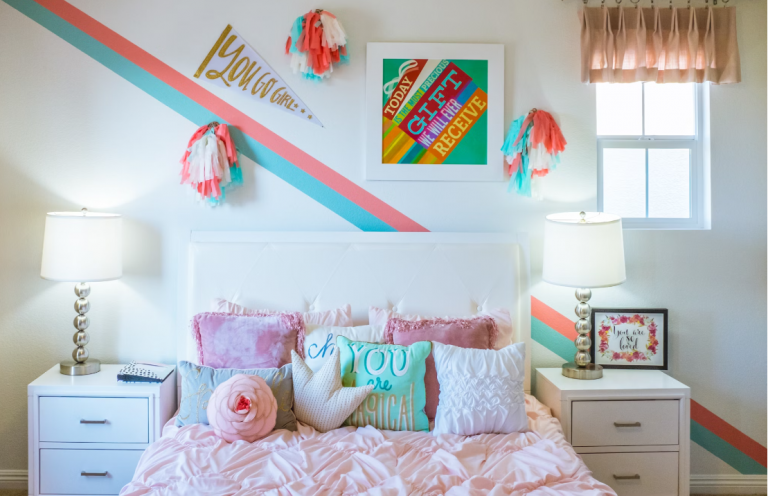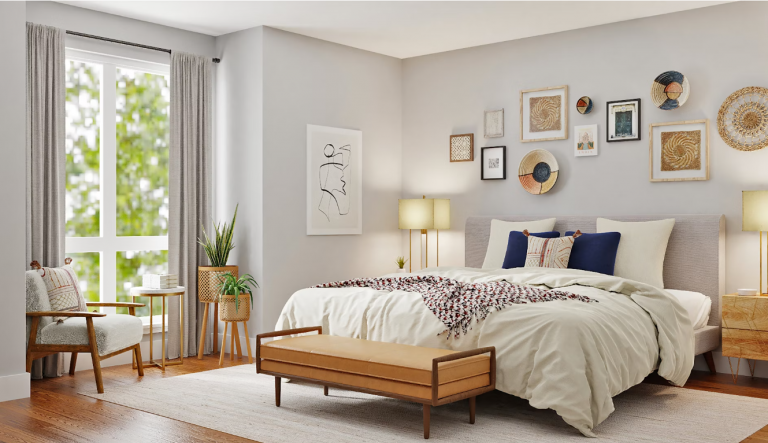
Welcome to the vibrant world of Boho Chic decor! If you’re looking to transform your living space into a cozy, eclectic haven filled with personality, you’ve come to the right place. This guide will walk you through the essentials of creating a Bohemian-inspired home that reflects your unique style.
Introduction to Boho Chic Decor
Boho Chic decor blends artistic freedom with a relaxed atmosphere. It’s all about expressing individuality through colorful patterns, textures, and a mix of old and new. Ready to dive into the intricacies of this exciting style? Let’s explore!
Understanding the Bohemian Aesthetic
The Bohemian aesthetic is not just a style; it’s a lifestyle choice that emphasizes freedom and creativity. By understanding its roots, you can better appreciate its nuances.
Origins of Bohemian Style
Bohemian style traces back to the free-spirited Romani people in the 19th century, often associated with artists and intellectuals who rejected mainstream culture. This rich history influences the look and feel of Boho decor today.
Key Characteristics of Boho Decor
Boho decor is characterized by its eclectic nature. Expect to see a mix of vibrant colors, varied textures, and unique artifacts from different cultures. It’s all about layering and creating a story in your space.
Creating a Bohemian Vibe in Your Home
Now that you understand the aesthetic, how do you bring it to life in your home? Here are some tips to create that enchanting Bohemian vibe.
Choosing the Right Color Palette
Start with a color palette that speaks to you. Think earthy tones like browns, greens, and yellows, paired with vibrant hues like deep reds and rich purples. The idea is to create a warm, inviting atmosphere.
Incorporating Textures and Patterns
The magic of Boho decor lies in its textures and patterns. Layering different fabrics can create depth in your space.
Layering Fabrics
Use a variety of fabrics, such as soft cottons, rich velvets, and natural linens, to create a cozy feel. Throw pillows and blankets in different materials add warmth and visual interest.
Mixing Patterns Boldly
Don’t be afraid to mix and match patterns! Geometric prints, florals, and tribal designs can all coexist beautifully. The key is to maintain a harmonious color scheme to tie everything together.
Essential Elements of Boho Decor
What are the must-have elements for achieving a Boho look? Let’s break it down.
Furniture Selection
Choose furniture that reflects your style. Look for pieces that are comfortable yet stylish, with a focus on sustainability.
Vintage Finds vs. Modern Pieces
Vintage finds add character and history to your space. However, mixing in modern pieces can create a balanced look, preventing your decor from feeling dated.
Decorative Accents
Decorative accents play a crucial role in Boho decor.
Wall Art and Tapestries
Wall art and tapestries are fantastic ways to express your creativity. Look for large, bold pieces that can serve as focal points in your rooms. Don’t hesitate to use handmade items or art from local artisans to support small businesses!
Sourcing Boho Chic Decor
Where can you find those perfect pieces?
Thrift Stores and Flea Markets
Thrift stores and flea markets are treasure troves for Boho decor. You can find unique items at affordable prices that tell a story and reflect your personal taste.
Online Marketplaces
Online platforms like Etsy and eBay also offer a wide variety of Bohemian decor. Look for handmade items that are one-of-a-kind to make your space truly unique.
Maintaining Your Bohemian Space
Once you’ve created your Bohemian oasis, how do you keep it looking fresh? Regularly update your decor by swapping out textiles or adding new art. This keeps your space dynamic and prevents it from feeling stagnant.
Conclusion
Achieving a Bohemian-inspired home is all about embracing creativity, individuality, and comfort. With the right elements and a bit of exploration, you can create a space that feels uniquely yours. Remember, the key is to enjoy the process of decorating and let your personality shine through!
FAQs
Can I mix Boho decor with other styles? Absolutely! Boho decor pairs well with styles like modern and rustic. Just ensure the overall vibe remains cohesive.
What are some budget-friendly tips for Boho decorating? Thrift shopping is your best friend! Also, DIY projects can help you personalize your decor without breaking the bank.
Are there specific colors to avoid in Boho decor? While Boho is about freedom, overly bright or stark colors can clash with the warm, inviting vibe. Stick to earthy tones and rich jewel colors.
How do I prevent my Bohemian decor from looking cluttered? Balance is key! Use larger pieces as anchors and keep smaller items in groups to create intentional focal points.
Can I have a minimalist approach to Boho decor? Yes! Minimalist Boho focuses on fewer pieces with more intention, using color and texture to achieve the aesthetic without overcrowding your space.
In today’s fast-paced world, outdoor living has become more important than ever. People are increasingly realizing that outdoor spaces serve not only as areas for relaxation but also as perfect spots for socializing with family and friends. By creating a relaxing oasis, we can enjoy the beauty of nature while enhancing our quality of life.
The Evolution of Outdoor Spaces
Outdoor spaces have evolved significantly over the years. No longer just functional areas, they now emphasize comfort and aesthetics. Today’s outdoor environments are designed to feel like an extension of our indoor living spaces, combining functionality with style.
1. The Impact of Adding Greenery
Incorporating plants into outdoor environments not only beautifies the space but also improves air quality and enhances mood.
1.1 Choosing the Right Plants
Selecting suitable plants is crucial. Depending on your climate and conditions, opting for drought-resistant or hardy plants can minimize maintenance while maximizing beauty.
1.2 Tips for Plant Care
Providing appropriate light and water, along with regular fertilization, will ensure that your plants thrive and add vibrancy to your oasis.
2. Design Trends in Outdoor Furniture
Current outdoor furniture trends focus on simplicity and functionality.
2.1 The Rise of Multi-Functional Furniture
Multi-functional furniture maximizes space usage, offering versatility. For instance, foldable chairs and expandable dining tables are increasingly popular for their practicality.
2.2 Choosing Materials and Styles
When it comes to material selection, durable and weather-resistant options like aluminum and synthetic resin are ideal for outdoor furniture.
3. Creating Comfortable Gathering Spaces
Establishing a cozy gathering area is essential for enhancing outdoor living quality.
3.1 The Art of Lighting
Good lighting can dramatically improve the atmosphere of outdoor environments. Using warm-toned lights can create an inviting and cozy ambiance.
3.2 Adding Comfortable Elements
Incorporating cushions, outdoor rugs, and blankets can make your gathering area more appealing and comfortable for guests.
4. The Rise of Outdoor Kitchens
Outdoor kitchens have become a popular trend, offering both convenience and enjoyment for family gatherings.
4.1 Choosing the Right Equipment
Selecting appropriate equipment, such as grills, refrigerators, and sinks, can elevate your outdoor cooking experience.
4.2 Culinary Creativity
Outdoor cooking allows for experimentation with new recipes and creative ideas, making the process more enjoyable.
Future Outdoor Living Trends
Looking ahead, outdoor living will increasingly focus on environmental sustainability.
Sustainability and Eco-Friendliness
Utilizing renewable materials and water-saving technologies can make our outdoor spaces greener and more eco-friendly.
Conclusion
Outdoor living offers us an opportunity to unwind and recharge. Creating a comfortable outdoor space is essential. By combining greenery, thoughtful furniture design, and cozy elements, you can easily create your own relaxing oasis.
FAQs
How do I choose the right plants for my outdoor space? Opt for hardy or drought-resistant plants based on your climate and sunlight exposure.
What maintenance do outdoor furniture pieces require? Regular cleaning and waterproofing treatments can extend the life of your furniture.
How can I enhance the atmosphere of my outdoor space? Consider adding lighting and comfortable seating to significantly improve the ambiance.
What are the must-have appliances for an outdoor kitchen? Essential appliances include a grill, refrigerator and prep space.
What should I consider when creating a gathering space? Focus on layout, comfort, and atmospheric lighting to create an inviting area for guests.
Color trends play a significant role in home decorating, influencing the overall ambiance and style of a space. Each year, new color palettes and combinations emerge, inspiring homeowners to update their interiors. In this article, we’ll explore the latest color trends for 2024, offering insights into how you can incorporate them into your home decor.
Color Psychology
Before diving into the specific color trends, it’s essential to understand the psychology behind colors. Colors have the power to evoke emotions and set the tone for a room. For example, warm tones like terracotta and rust can create a cozy and inviting atmosphere, perfect for living rooms and bedrooms. On the other hand, cool tones like teal and navy can promote a sense of calmness and relaxation, ideal for bathrooms and meditation spaces.
Trending Colors for 2024
This year, we’re seeing a shift towards bold and vibrant hues, as well as a resurgence of warm tones and unconventional neutrals. Emerald green, royal blue, and fuchsia are among the standout colors, adding a pop of color to any room. Additionally, warm tones like mustard and terracotta are making a comeback, offering a sense of comfort and warmth.
Incorporating Color Trends
Incorporating these color trends into your home decor doesn’t have to be daunting. You can start by adding accent pieces in trending colors, such as throw pillows, rugs, or artwork. For a more significant impact, consider painting an accent wall or updating your furniture with upholstery in trending hues.
DIY Decorating Ideas
If you’re on a budget, there are plenty of DIY decorating ideas that can help you incorporate color trends into your home. For example, you can create your own abstract artwork using trending colors or repaint old furniture to give it a fresh new look.
Conclusion
Staying updated with color trends in home decorating can help you create a space that feels current and inviting. Whether you prefer bold and vibrant hues or soothing neutrals, there’s a color trend for everyone. By incorporating these trends into your home decor, you can create a space that reflects your personal style and enhances your living experience.
In today’s fast-paced world, where consumerism often drives our decisions, embracing minimalism has emerged as a refreshing antidote. Minimalism is not merely about having fewer possessions; it’s a lifestyle choice that focuses on living intentionally, with only the essentials that bring joy and purpose. By stripping away excess, minimalism offers a path to greater clarity, calmness, and contentment.
Benefits of Embracing Minimalism
One of the primary benefits of adopting a minimalist lifestyle is the sense of liberation it brings. When you declutter your living space, you simultaneously declutter your mind. Studies have shown that a tidy environment can reduce stress and anxiety levels, leading to improved mental well-being.
Beyond mental health benefits, minimalism also has practical advantages. By owning fewer possessions, you naturally spend less money on unnecessary items. Additionally, consuming less contributes to sustainability efforts by reducing waste and conserving resources.
Getting Started with Minimalism
The first step in embracing minimalism is to assess your current living space objectively. Identify areas that are cluttered or overcrowded and visualize how you want your home to feel. Setting clear goals for simplification will help guide your efforts and keep you focused.
Practical Tips for Simplifying Your Home
Sorting through belongings can be daunting, but it’s essential to take a systematic approach. Start by categorizing items and then decide whether each one adds value to your life. Items that no longer serve a purpose can be donated, sold, or recycled. Organize storage spaces efficiently to maximize functionality and minimize visual clutter.
When it comes to décor, opt for clean lines, neutral colors, and multifunctional furniture. Incorporating natural elements like wood and greenery can enhance the sense of serenity in your home.
Embracing Minimalism in Different Rooms
Each room in your home presents unique opportunities for simplification. In the living room, prioritize comfort and functionality by choosing versatile furniture pieces and keeping decorative accents to a minimum. In the bedroom, create a serene sleep environment by removing distractions and investing in quality bedding. In the kitchen, streamline your cooking and dining experience by decluttering countertops and cabinets.
Incorporating Minimalism into Daily Life
Minimalism extends beyond your physical environment to your daily habits and routines. Practice mindful consumption by considering the true value of each purchase and resisting impulse buying. Adopting a minimalist mindset encourages gratitude for what you have rather than constantly seeking more.
Challenges and Solutions
While the benefits of minimalism are abundant, it’s not without its challenges. Letting go of sentimental possessions can be emotionally challenging, but it’s essential to prioritize what truly matters. Communicate openly with family members about your minimalist goals and find compromises that work for everyone.
Maintaining Minimalism Long-Term
Minimalism is an ongoing journey rather than a destination. Establishing regular decluttering routines will help prevent accumulation of excess belongings. Stay true to your minimalist principles by questioning new purchases and being mindful of your consumption habits.
Conclusion
Embracing minimalism offers a pathway to a more intentional and fulfilling life. By simplifying your home, you create space for what truly matters and cultivate a sense of peace and contentment. Start your minimalist journey today and discover the transformative power of living with less.
FAQs
How do I convince my family to embrace minimalism?
Approach the topic with empathy and understanding, highlighting the benefits of minimalism for everyone.
What if I have sentimental attachments to certain possessions?
Acknowledge the emotions attached to these items but consider whether they align with your current values and goals.
Can I still express my personal style in a minimalist home?
Absolutely! Minimalism is about intentional choices, so incorporate elements that reflect your style while maintaining simplicity.
Will I need to get rid of everything to embrace minimalism?
Minimalism isn’t about deprivation but rather about mindful consumption. Keep what adds value and joy to your life.
How do I prevent clutter from creeping back into my home?
Regular maintenance is key. Establish decluttering routines and be mindful of what you bring into your space.
Mid-Century Modern home decor has a timeless appeal that transcends trends and continues to captivate interior design enthusiasts around the world. Rooted in the mid-20th century, this design movement is characterized by its clean lines, organic forms, and emphasis on functionality. In this article, we will explore the origins of Mid-Century Modern design, its key characteristics, iconic furniture pieces, and its integration with contemporary design.
1. Introduction to Mid-Century Modern Home Decor
Definition and Origin: Mid-Century Modern design emerged in the mid-20th century, primarily in the United States, as a response to the ornate and often overly decorative styles that preceded it. It sought to bring a sense of simplicity, functionality, and elegance to interior spaces.
Key Characteristics: Mid-Century Modern design is known for its clean lines, organic shapes, and minimal ornamentation. Furniture pieces often feature tapered legs, geometric forms, and a mix of materials such as wood, metal, and glass.
2. The Historical Context
Origins in the Mid-20th Century: The Mid-Century Modern movement flourished from the 1940s to the 1960s, a period marked by post-war optimism and a desire for a new, modern way of living. Designers sought to create furniture and spaces that were both practical and aesthetically pleasing.
Influential Designers and Architects: The movement was shaped by renowned designers and architects such as Charles and Ray Eames, George Nelson, Eero Saarinen, and Isamu Noguchi, whose innovative designs continue to influence contemporary design.
3. Iconic Furniture Pieces
Eames Lounge Chair: Perhaps the most iconic Mid-Century Modern piece, the Eames Lounge Chair and Ottoman epitomize the style with their sleek leather upholstery and molded plywood shells.
Noguchi Coffee Table: Designed by Isamu Noguchi, this sculptural table features a unique glass top resting on two curved wooden legs, blending art and function seamlessly.
Saarinen Tulip Table: Designed by Eero Saarinen, this table is known for its simple yet striking design, featuring a single pedestal base and a round or oval top, often made of marble or wood.
4. Timeless Aesthetics
Clean Lines and Organic Forms: Mid-Century Modern design is characterized by its clean, uncluttered look, with an emphasis on sleek lines and organic shapes inspired by nature.
Emphasis on Functionality: Functionality is paramount in Mid-Century Modern design, with furniture pieces designed to be both practical and visually appealing.
5. Integration with Contemporary Design
Popularity in Modern Interior Design: Mid-Century Modern design has experienced a resurgence in popularity in recent years, with many interior designers and homeowners incorporating its elements into contemporary spaces.
Incorporating Mid-Century Modern Elements: One of the key appeals of Mid-Century Modern design is its versatility and ability to complement a wide range of design styles. Elements such as furniture, lighting, and accessories can be integrated into modern interiors to add a touch of retro charm.
6. Mid-Century Modern Colors and Materials
Neutral Colors and Bold Accents: Mid-Century Modern interiors often feature a neutral color palette, including shades of white, beige, and gray, with pops of bold, vibrant colors such as orange, teal, and mustard.
Use of Wood, Metal, and Glass: Natural materials such as wood, metal, and glass are hallmarks of Mid-Century Modern design, adding warmth and texture to interior spaces.
7. How to Achieve Mid-Century Modern Look
Furniture Selection: Choose furniture with clean lines, tapered legs, and organic shapes. Look for pieces made from natural materials such as wood and leather.
Color Palette and Textures: Use a neutral color palette as a base and add bold, contrasting accents. Incorporate textures such as wool, tweed, and teak for added warmth and visual interest.
Lighting and Accessories: Select lighting fixtures and accessories that reflect the Mid-Century Modern aesthetic, such as iconic floor lamps, sculptural pendant lights, and abstract art pieces.
8. Preservation and Restoration
Importance of Maintaining Authenticity: Authenticity is key when preserving or restoring Mid-Century Modern furniture and interiors. Seek out skilled professionals who understand the importance of preserving original materials and finishes.
Tips for Restoration Projects: When restoring Mid-Century Modern pieces, focus on preserving the original design and materials. Avoid over-polishing or refinishing, as this can diminish the value and authenticity of the piece.
9. Sustainability and Mid-Century Modern
Environmental Impact of Vintage Furniture: Choosing vintage Mid-Century Modern furniture is not only a stylish choice but also a sustainable one. By purchasing vintage pieces, you are helping to reduce waste and lessen the demand for new furniture production.
Upcycling and Repurposing: Another sustainable approach is to upcycle or repurpose Mid-Century Modern furniture. With a little creativity, old pieces can be transformed into unique and stylish additions to your home.
10. Collecting Mid-Century Modern Pieces
Value and Investment Potential: Mid-Century Modern furniture has proven to be a sound investment, with many pieces increasing in value over time. Look for well-preserved, authentic pieces from reputable sellers or auctions.
Tips for Beginners: Start small by collecting accessories or smaller furniture pieces before investing in larger, more expensive items. Research different designers and styles to develop a discerning eye for quality pieces.
11. Mid-Century Modern in Popular Culture
Influence on Movies, TV Shows, and Fashion: Mid-Century Modern design has had a lasting impact on popular culture, with its iconic furniture and aesthetics often featured in movies, TV shows, and fashion.
Resurgence in Popularity: In recent years, Mid-Century Modern design has experienced a resurgence in popularity, with many people drawn to its timeless appeal and classic elegance.
12. Conclusion
In conclusion, Mid-Century Modern home decor continues to captivate us with its timeless appeal and enduring charm. Its clean lines, organic forms, and emphasis on functionality make it a timeless addition to any interior space. Whether you’re a seasoned collector or just starting, incorporating Mid-Century Modern elements into your home can add a touch of retro charm and sophistication.
FAQs (Frequently Asked Questions)
Q1: What makes Mid-Century Modern design timeless? A1: Mid-Century Modern design is timeless due to its clean lines, organic forms, and emphasis on functionality, which continue to resonate with modern sensibilities.
Q2: How can I incorporate Mid-Century Modern elements into my home? A2: You can incorporate Mid-Century Modern elements into your home by selecting furniture with clean lines and organic shapes, using a neutral color palette with bold accents, and choosing lighting and accessories that reflect the Mid-Century Modern aesthetic.
Q3: Is Mid-Century Modern furniture a good investment? A3: Yes, Mid-Century Modern furniture has proven to be a sound investment, with many pieces increasing in value over time. However, it’s important to purchase from reputable sellers and ensure the authenticity of the pieces.
Q4: How can I maintain and preserve Mid-Century Modern furniture? A4: To maintain and preserve Mid-Century Modern furniture, avoid harsh chemicals and over-polishing. Instead, use a soft cloth and mild detergent for cleaning, and seek professional restoration services when needed.
Q5: What are some tips for beginners looking to start a Mid-Century Modern collection? A5: For beginners, start small by collecting accessories or smaller furniture pieces. Research different designers and styles to develop a discerning eye for quality pieces, and consider purchasing from reputable sellers or auctions.
In 2023, the world of interior design is undergoing a significant transformation. Homeowners are embracing new ideas, redefining aesthetics, and reimagining the way they inhabit their living spaces. With sustainability at the forefront, innovative technology, and an emphasis on comfort, the 2023 home interior design trends offer a glimpse into the future of stylish and functional living spaces.
Sustainability and Eco-Friendly Designs
As the world becomes increasingly aware of the environmental challenges we face, sustainability is a key driver in interior design. Homeowners are seeking eco-friendly materials, energy-efficient solutions, and designs that reduce their carbon footprint. In 2023, incorporating sustainable elements into your home, such as reclaimed wood, energy-saving appliances, and efficient insulation, is not only fashionable but responsible.
Minimalism and Decluttering
Minimalism is here to stay, and it’s not just a design choice but a lifestyle. Minimalist interiors are characterized by simplicity, functionality, and a clutter-free environment. Decluttering your home and opting for furniture with clean lines and essential pieces can help create a serene and organized space that promotes well-being.
Biophilic Design
Biophilic design is all about bringing the outdoors inside. It’s a trend rooted in our innate connection to nature. In 2023, you can expect to see more natural elements like indoor plants, natural light, and organic materials such as wood and stone, all designed to create a more calming and invigorating home environment.
Color Schemes
The color palettes for 2023 are all about evoking specific moods and emotions. Warm earthy tones, calming blues, and vibrant greens are popular choices. The key is to use colors strategically to set the right tone for each room in your home, whether it’s for relaxation, productivity, or entertainment.
Smart Home Integration
The integration of smart technology is not just a convenience but also a design element. Homeowners are incorporating smart lighting, thermostats, and security systems to make their homes more efficient and responsive to their needs. Thoughtfully integrated technology can enhance both the functionality and aesthetics of your living space.
Mixed Materials
Mixing materials like metal and wood or glass and concrete is a trend that’s gaining traction. The juxtaposition of various textures and finishes adds depth and character to your interiors. It’s a creative way to make your home truly unique and visually captivating.
Multifunctional Furniture
In a world where space is a premium, multifunctional furniture is a game-changer. Convertible sofas, coffee tables with storage, and wall-mounted desks are all in demand. These pieces are not only stylish but also incredibly practical, making the most of limited space.
Personalized and Artisanal Decor
There’s a growing appreciation for handcrafted and personalized items in interior design. Artisanal decor adds a touch of uniqueness to your home. Whether it’s a hand-painted vase, custom-made furniture, or a one-of-a-kind art piece, these items tell a story and bring character to your living space.
Lighting Design
Lighting plays a crucial role in creating the right ambiance. In 2023, expect to see a mix of lighting styles, from LED strips to vintage chandeliers. Proper lighting can make your home feel warm and inviting, and it’s a versatile tool for enhancing different areas of your space.
Outdated Trends to Avoid
While we embrace the new, it’s essential to bid farewell to outdated trends. The shabby chic look, overuse of farmhouse decor, and excessive open shelving are fading out of style. It’s time to let go of what no longer serves the contemporary home.
Conclusion
The 2023 home interior design trends reflect a desire for more sustainable, functional, and personalized living spaces. From embracing sustainability and minimalism to experimenting with mixed materials and smart technology, there are endless possibilities to make your home a true reflection of your lifestyle and personality.
FAQs (Frequently Asked Questions)
Are these trends suitable for all types of homes, or are they more specific to certain architectural styles?These trends are adaptable to various architectural styles. They can be customized to suit different types of homes, from modern apartments to traditional houses.
How can I incorporate sustainability into my interior design without a complete renovation?You can start with small changes like energy-efficient lighting, using eco-friendly paint, and adding indoor plants. Gradually incorporating sustainable elements can make a significant impact.
What’s the role of professional interior designers in following these trends?Professional interior designers can help you implement these trends effectively, offering guidance on layout, color schemes, and sourcing sustainable materials.
Is there a particular color palette recommended for creating a calming bedroom environment?Soft blues, greens, and neutral tones are often used to create a calming atmosphere in the bedroom. However, personal preference plays a significant role in color choices.
How do I balance minimalism with personalization in my home design?You can personalize your space with carefully chosen decor items that have personal meaning to you while ensuring that they do not clutter the overall minimalist design.
As the world continues to evolve, so does the art of interior design. Our homes, once regarded as mere shelters, have now become extensions of our personalities and expressions. The year 2023 ushers in a new era of interior magic, where design trends are not just trends but transformative narratives that redefine how we perceive and interact with our living spaces. Let’s embark on a journey through the enchanting world of emerging design trends that are reshaping the very essence of homes.
Nature-Inspired Serenity
Tranquil Color Palettes and Biophilic Designs
In the quest for serenity, homeowners are turning to nature-inspired color palettes. Soft greens, muted blues, and earthy tones evoke a sense of calm that resonates with our innate connection to the natural world. Biophilic designs take this a step further, seamlessly integrating nature into interiors through living walls, indoor gardens, and organic textures.
Incorporating Natural Elements Indoors
2023 witnesses the infusion of natural elements like stone, wood, and water features into interior spaces. These materials not only add visual appeal but also create a tactile experience that awakens our senses. From rustic wooden beams to sleek marble countertops, the marriage of nature and design yields captivating results.
Blurring the Line Between Indoors and Outdoors
The line between indoor and outdoor spaces becomes delightfully blurred as homes embrace large windows, glass walls, and open-air atriums. This architectural approach not only floods interiors with natural light but also grants residents a seamless transition from the coziness of indoors to the expansiveness of nature.
Tech-Empowered Living Spaces
Smart Homes: More Than Just a Buzzword
2023 marks the maturation of smart home technology. What was once a buzzword has now evolved into intuitive systems that effortlessly enhance our lives. From AI-driven climate control to voice-activated lighting, homes are now adaptive, predictive, and attuned to our needs.
Seamless Integration of Technology and Aesthetics
No longer sacrificing aesthetics for functionality, designers are seamlessly integrating technology into the design process. The once-clunky gadgets are now elegantly embedded into the very fabric of our homes, allowing us to interact with our spaces in ways we never thought possible.
Customization and Convenience at Your Fingertips
Personalization takes center stage as homes adapt to our preferences like never before. Smart home systems remember our lighting preferences, adjust room temperatures according to our schedules, and even prepare our morning coffee. The result? Homes that are not just smart, but also tailored to our individual rhythms.
Multifunctional Minimalism
The Rise of Minimalist Design Philosophy
Minimalism continues its reign in 2023, emphasizing the beauty of simplicity. Designers are decluttering spaces, favoring clean lines and uncluttered aesthetics. The minimalist philosophy extends beyond visuals, promoting a lifestyle that values experiences over possessions.
Furniture with Dual and Transformative Functions
In a world where space is a luxury, furniture is becoming ingeniously multifunctional. Sofas that transform into beds, coffee tables with hidden storage, and foldable dining tables exemplify the fusion of practicality and design.
Simplifying Spaces for Clarity and Versatility
Minimalist design isn’t about sacrificing comfort—it’s about creating spaces that evoke tranquility and functionality. By eliminating excess, rooms become canvases for intentional design, allowing each piece to shine while providing an environment that adapts to various needs.
Artisanal Craftsmanship
Celebrating Handcrafted and Artisanal Pieces
2023 witnesses a resurgence of appreciation for artisanal craftsmanship. Mass-produced items are making way for handcrafted pieces that bear the mark of human skill and dedication. From handwoven textiles to intricately carved furniture, each piece tells a story.
Unique Textures, Patterns, and Personalization
Artisanal craftsmanship brings textures and patterns to the forefront. Intricate weavings, hand-painted ceramics, and bespoke tiles infuse spaces with character. As a result, homes become visual feasts that delight the eye and invite touch.
Reviving Traditions in a Modern Context
The past and present intertwine as traditional techniques are reimagined in contemporary designs. By incorporating historical craftsmanship into modern contexts, designers pay homage to heritage while creating spaces that feel both timeless and relevant.
Vintage and Retro Resurgence
Nostalgia-Meets-Modern: Embracing Vintage Charm
The allure of the past beckons in 2023, as vintage aesthetics make a bold return. Homes are adorned with retro-inspired pieces that evoke a sense of nostalgia and warmth.
Reimagining Mid-Century and Art Deco Vibes
Mid-century modern and Art Deco styles experience a revival, infusing homes with iconic designs from yesteryears. From statement lighting fixtures to geometric patterns, these vintage aesthetics create spaces that are both classic and trendy.
Mixing Old and New for Timeless Appeal
The key to mastering the vintage revival lies in the art of balance. Combining vintage pieces with modern elements creates spaces that are eclectic yet harmonious, transporting us to the past while firmly grounded in the present.
Cultural Fusion and Global Influences
Worldly Designs: A Melting Pot of Cultures
In an increasingly interconnected world, homes reflect the beauty of cultural diversity. Designs draw inspiration from various cultures, resulting in spaces that are a visual testament to the global village we inhabit.
Infusing Homes with Global Art, Textiles, and Patterns
2023 homes become canvases for international art, textiles, and patterns. Handwoven rugs from Morocco, intricate tapestries from India, and vibrant ceramics from Latin America infuse spaces with stories from around the world.
Creating a Cross-Cultural Design Narrative
Design is no longer confined to geographical boundaries. Homes weave together narratives that celebrate the rich tapestry of cultures, fostering an atmosphere of inclusivity and appreciation.
Bold and Daring Aesthetics
Making a Statement with Bold Color Choices
Neutral palettes step aside as homeowners embrace bold and vibrant colors. From deep emerald greens to rich jewel tones, spaces are injected with energy and personality.
Pushing Boundaries with Avant-Garde Decor
The avant-garde finds its way into interior design, as homeowners and designers alike dare to experiment with unconventional aesthetics. Eccentric furniture shapes, abstract art installations, and unexpected materials challenge the norms of design.
Embracing Opulence and Eclectic Vibes
2023 homes exude opulence with an eclectic twist. Lavish fabrics, ornate details, and daring color combinations create spaces that exude luxury while maintaining an air of unpredictability.
Sustainable and Eco-Friendly Spaces
Green Design: More Than a Trend
Sustainability is no longer an afterthought—it’s a cornerstone of design in 2023. Homeowners and designers alike prioritize eco-friendly materials, energy efficiency, and sustainable practices.
Sustainable Materials and Energy-Efficient Designs
Recycled materials, repurposed wood, and energy-efficient appliances take center stage. Design embraces a harmonious relationship with the environment, resulting in spaces that are not only beautiful but also responsible.
Harmonizing Design and Environmental Responsibility
The marriage of design and sustainability isn’t a compromise—it’s a collaboration. Eco-friendly practices enrich spaces with purpose, showcasing that beauty and responsibility can coexist.
Fluid and Open Floor Plans
Fluidity in Architecture and Interior Layouts
Walls give way to open spaces as the concept of fluidity takes hold. Homes are designed with interconnectedness in mind, promoting a sense of unity and flow.
The Power of Open Spaces and Flexible Arrangements
2023 homes feature open floor plans that offer versatility in arrangement. This flexibility allows spaces to adapt to various activities and occasions, fostering connectivity among family members.
Enhancing Connectivity and Flow in Homes
Gone are the days of compartmentalized living. Open floor plans enhance communication and togetherness, creating homes that encourage interaction while maintaining a sense of individuality.
Personal Sanctuaries: Bedrooms and Beyond
Transforming Bedrooms into Retreats
Bedrooms in 2023 are more than just spaces for sleep—they’re sanctuaries of relaxation. Soothing color palettes, plush textiles, and dimmable lighting turn bedrooms into havens of tranquility.
Creative Home Offices and Work-Friendly Corners
Remote work has redefined the home office. Designers are crafting workspaces that are functional yet aesthetically pleasing, making room for productivity without sacrificing style.
Spa-Like Bathrooms: Relaxation and Rejuvenation
Bathrooms evolve into personal spas, offering an oasis of rejuvenation. Freestanding tubs, rainfall showers, and natural materials transform bathrooms into spaces of self-care and luxury.
Emotional Design and Wellness Focus
Designing for Emotional Well-Being
In 2023, design goes beyond aesthetics—it’s about emotional well-being. Homes are curated to evoke positive emotions, creating spaces that nurture our mental and emotional health.
Serene and Mindful Design Approaches
Mindful design takes center stage, emphasizing spaces that encourage relaxation and introspection. Tranquil hues, soft textures, and cozy corners offer respite from the demands of daily life.
Impact of Design on Mental and Emotional Health
The influence of design on our well-being is profound. Thoughtfully designed spaces have the power to reduce stress, boost mood, and enhance overall quality of life.
Curated Collections and Displays
Showcasing Personal Stories Through Design
Homes become galleries of personal narratives. The art of curation extends beyond physical objects, allowing homeowners to tell their stories through carefully chosen decor.
Art Curation and Thoughtful Display Strategies
2023 sees the rise of thoughtfully curated art collections. Walls become a canvas for creative expression, showcasing artworks that resonate with homeowners on a personal level.
Balancing Minimalism and Curated Aesthetics
Minimalist spaces can still be rich in character. By curating decor that speaks to their identity, homeowners strike a balance between clean aesthetics and meaningful representation.
The Fusion of Tradition and Innovation
Heritage Reimagined: Modernizing Tradition
Traditional elements find new life in 2023, as homes reinterpret cultural heritage in a modern context. Ancient motifs, architectural details, and traditional craftsmanship take center stage.
Integrating Classic Architectural Elements
Classic architectural elements find their way into contemporary spaces. Columns, arches, and intricate moldings add a touch of grandeur to modern design, connecting the past with the present.
Designing Homes as Cultural Time Capsules
Homes become vessels of history, preserving cultural heritage for generations to come. By fusing tradition with innovation, design creates spaces that honor the past while embracing the future.
Conclusion
In the enchanting world of interior design, 2023 is a testament to the transformative power of creativity. Emerging design trends redefine homes as not just physical structures, but as emotional sanctuaries, expressions of personal identity, and reflections of a rapidly changing world. As we embrace the interplay of nature, technology, tradition, and innovation, our homes become not only magical spaces but also powerful narratives that shape our lives.
FAQs
What are some key design elements for a nature-inspired interior? Nature-inspired interiors often incorporate tranquil color palettes, organic textures, and elements like indoor gardens to create a serene and biophilic atmosphere.
How can I seamlessly integrate technology into my home’s design? To integrate technology into your home’s design, consider embedding smart devices and systems discreetly, ensuring they enhance both aesthetics and functionality.
What does the trend of “multifunctional minimalism” entail? Multifunctional minimalism combines the simplicity of minimalistic design with furniture and elements that serve dual purposes, maximizing space efficiency.
Why is artisanal craftsmanship making a comeback in interior design? Artisanal craftsmanship offers a unique and personalized touch to spaces, celebrating human skill and creating pieces with stories to tell.
How can I balance vintage aesthetics with a modern interior? To balance vintage aesthetics with modern design, choose key vintage pieces and incorporate them into a contemporary context, creating a harmonious blend of old and new.
When it comes to creating a captivating living space, one of the most influential aspects is the color palette. Colors have the power to evoke emotions, set moods, and express individuality. The art of color selection in home decor is a journey that combines aesthetics, psychology, and personal style. In this article, we’ll delve into the intricate world of color, exploring everything from the fundamentals of color theory to the psychological impact of different shades.
Understanding Color Theory
To master the art of color in your home decor, it’s essential to grasp the basics of color theory. Imagine the color wheel as your guide to harmonious combinations. Primary colors—red, blue, and yellow—form the foundation, while secondary colors emerge by mixing these primaries. Tertiary colors bridge the gap between primary and secondary hues, resulting in a spectrum that offers endless possibilities.
Creating a Harmonious Palette
Achieving a harmonious color palette involves understanding complementary and analogous schemes. Complementary colors, situated opposite each other on the wheel, create dynamic contrasts. On the other hand, analogous colors—found adjacent to each other—offer a more subtle blend. Utilize the 60-30-10 rule to distribute dominant, secondary, and accent colors respectively for a visually pleasing composition.
Emotional Impact of Colors
Colors aren’t merely visual elements; they carry emotional weight. Warm colors like reds and oranges exude energy and warmth, making them ideal for social spaces. Cool colors such as blues and greens induce a sense of calm and serenity, suitable for bedrooms and relaxation areas. Understanding these emotional nuances empowers you to set the desired mood in each room.
Color Psychology in Different Rooms
Different rooms serve distinct purposes, and color choices should reflect these functions. Bedrooms, as sanctuaries of rest, benefit from calming colors like soft blues and neutrals. Kitchens and dining areas, where vibrancy is essential, can be invigorated with lively yellows or greens, enhancing the overall dining experience.
Playing with Patterns and Textures
While colors play a central role, patterns and textures bring depth and intrigue to your decor. Strike a balance by combining solid colors with subtle patterns, or experiment with bold patterns against neutral backgrounds. Introduce textures like velvet, silk, or woven materials to create a tactile dimension that complements your chosen colors.
Accentuating with Pops of Color
Strategically positioned pops of color can enliven any space. Identify focal points—such as a vibrant artwork or statement furniture—and use contrasting or complementary shades to draw attention. Neutral tones serve as a backdrop, allowing the colorful accents to shine without overwhelming the eye.
Trends and Timelessness
Staying abreast of color trends can provide fresh inspiration, but remember that trends are transient. Balance trendy choices with timeless colors that ensure your decor remains relevant for years to come. Colors like classic whites, earthy tones, and soft pastels never go out of style.
Personal Expression through Color
Your home should be an extension of your personality. Use colors to express your individuality—whether you lean towards bold and adventurous combinations or prefer subtle and sophisticated hues. Mixing and matching colors allows you to craft a decor scheme that resonates with your unique tastes.
Bringing Nature Indoors
Nature offers an exquisite palette of colors. Infuse your decor with natural shades inspired by landscapes and elements. Soft greens, warm browns, and serene blues bring a sense of tranquility indoors, creating an inviting and refreshing atmosphere.
Choosing Colors for Small and Large Spaces
Colors play a pivotal role in influencing the perception of space. Light colors, such as whites and light pastels, can make small rooms feel more open and airy. Conversely, rich and warm colors add coziness to large spaces, making them feel more inviting.
The Role of Lighting
Lighting can dramatically alter the appearance of colors. Natural sunlight enhances hues, while warm or cool artificial lighting can create distinct moods. Consider these effects when choosing colors and lighting fixtures, ensuring they work harmoniously to achieve your desired ambiance.
Avoiding Color Overwhelm
While experimenting with colors is exciting, it’s crucial to strike a balance. Avoid overwhelming your space with too many vibrant hues. Start with small colorful accents—a throw pillow, vase, or artwork—and gradually expand your palette as you become more comfortable.
DIY Color Experiments
Don’t be afraid to experiment. Before committing to a color scheme, try out paint samples, fabric swatches, and decor items to see how they interact with your space. Embrace the journey of discovery and allow yourself to be guided by intuition and curiosity.
Conclusion
Mastering the art of color in your home decor is a captivating endeavor that transforms living spaces into personalized havens. By understanding color theory, psychology, and the interplay of various elements, you can create environments that resonate with your emotions and style. Remember that your choices are a reflection of you, and there are no strict rules—only endless possibilities for palette play.
FAQs
Can I mix warm and cool colors in the same room? Yes, combining warm and cool colors can create a balanced and visually engaging space.
What are some timeless color choices for home decor? Classic white, earthy tones, and soft neutrals are timeless options that endure trends.
How do I choose the right accent colors for my decor? Look for focal points like artwork or furniture and choose accent colors that complement or contrast.
Should I follow color trends for my decor? While trends can be inspiring, balance them with colors that resonate with your personal style.
Can lighting really affect how colors appear? Absolutely, lighting can significantly impact color perception, so consider both natural and artificial lighting sources.
Welcome to a world where technology and aesthetics unite in perfect harmony. In this era of smart living, the boundaries between cutting-edge innovation and interior design are blurring, giving rise to the captivating concept of tech-infused decor. Imagine controlling your lighting, music, and climate with just a voice command, all while maintaining the visual charm of your living space. This article explores how you can seamlessly integrate smart devices into your decor, creating a living environment that’s not only functional but also visually captivating.
The Evolution of Smart Devices
The journey from standalone smart devices to an integrated ecosystem has been remarkable. What once started as convenient gadgets has transformed into an intricate web of interconnected devices. The Internet of Things (IoT) has played a pivotal role in this transformation, enabling devices to communicate and collaborate, making our lives smoother and more efficient.
Choosing the Right Smart Devices for Your Space
The key to successful tech-infused decor lies in choosing devices that effortlessly blend with your existing design. Striking a balance between functionality and aesthetics is essential. Each room has its unique requirements; a kitchen might benefit from a smart fridge, while a living room could be enhanced with a voice-controlled entertainment system.
Creating a Seamless Smart Ecosystem
The true magic of tech-infused living lies in the synergy among various devices. Imagine adjusting your thermostat, drawing the curtains, and dimming the lights with a single tap on your smartphone. Centralized control and device interoperability form the backbone of a seamless smart ecosystem.
Enhancing Aesthetics with Smart Devices
Gone are the days when technology disrupted decor. Today, smart devices are designed to seamlessly blend in, often enhancing the aesthetic appeal. Wall-mounted touchscreens that resemble art pieces and LED panels that mimic natural light are just a glimpse of the possibilities.
Incorporating Smart Furniture
Tech-savvy furniture takes functionality to the next level. Imagine a coffee table that doubles as a wireless charging pad or a sofa with built-in speakers. These pieces not only save space but also eliminate clutter while adding a touch of sophistication.
Smart Lighting Innovations
Lighting sets the mood for any space. Smart lighting systems offer dynamic color options, allowing you to create the perfect ambiance for any occasion. Moreover, energy-efficient LED bulbs can be programmed to adjust intensity and color temperature throughout the day.
Artificial Intelligence in Home Decor
Artificial Intelligence (AI) is revolutionizing the way we interact with our surroundings. Imagine a mirror that provides weather updates as you get ready or a voice assistant that adjusts the lighting based on your mood. These AI-powered devices create personalized, adaptive environments.
Balancing Privacy and Convenience
While the allure of tech-infused living is undeniable, it’s crucial to address privacy concerns. Data security and privacy breaches are real threats. However, most smart devices now offer opt-in customization, putting you in control of the data you share.
DIY Smart Decor Projects
Tech-infused decor isn’t limited to store-bought devices. Get creative by upcycling old gadgets into functional decor. Turn vintage cameras into ambient lights or transform old tablets into interactive digital photo frames. These DIY projects add a personal touch to your living space.
Future Trends in Tech-Infused Living
The journey of tech-infused decor is still unfolding. Augmented Reality (AR) and Virtual Reality (VR) are poised to play a significant role, allowing you to visualize design changes before implementing them. Additionally, sustainability and eco-friendly tech solutions are set to shape the future of smart decor.
The Impact of Smart Decor on Lifestyle
The integration of smart devices into decor isn’t just about convenience; it’s about enhancing your lifestyle. Imagine waking up to gentle lighting and calming music that gradually ease you into the day. Smart devices contribute to your overall well-being and comfort.
Cultivating a Tech-Positive Mindset
Embracing tech-infused decor requires a mindset shift, especially for those less familiar with technology. Bridging the generation gap by highlighting the benefits and ease of use can help create an atmosphere of acceptance and excitement for change.
Overcoming Challenges in Tech Integration
While the possibilities are endless, challenges do exist. Technical hurdles, compatibility issues, and the learning curve can be daunting. However, robust tech support and an open-minded approach can help overcome these challenges.
Conclusion
Tech-infused living is the convergence of innovation and design, where smart devices seamlessly integrate into our decor, enhancing both aesthetics and functionality. As we move forward, the harmony between technology and decor will continue to shape our living spaces, offering a glimpse into a future where innovation is as essential as the air we breathe.
FAQs
Can I integrate smart devices into my existing decor? Absolutely! Many smart devices are designed to blend in with various decor styles.
Are smart devices energy-efficient? Yes, most smart devices are designed for energy efficiency, helping you reduce your carbon footprint.
Are there DIY options for tech-infused decor? Definitely! Upcycling old gadgets and crafting personalized decor is a creative way to embrace this trend.
How can I address privacy concerns with smart devices? Opt for devices that offer customizable privacy settings and be mindful of the data you share.
What does the future hold for tech-infused living? The future promises even more integration with AR, VR, and sustainable tech solutions, transforming how we interact with our living spaces.
When it comes to interior design, one style doesn’t fit all. The art of mixing, also known as eclectic design, allows homeowners to craft spaces that are a true reflection of their individuality and personality. Unlike conventional design approaches, eclectic spaces embrace the beauty of diversity, seamlessly blending various styles, eras, and elements into a harmonious whole. In this article, we will explore the intricate dance of creating eclectic spaces that not only captivate the eye but also tell the unique story of those who inhabit them.
Understanding Eclectic Design
At its core, eclectic design defies the notion that a space must adhere to a single style or theme. It celebrates the idea that beauty often lies in the unexpected harmonization of disparate elements. This approach breaks free from the confines of traditional design rules, inviting us to explore and experiment without boundaries. The magic of eclectic design lies in its ability to amalgamate contrasting pieces into a cohesive symphony, resulting in a space that is as dynamic and multifaceted as its owner.
Embracing Individuality
One of the most appealing aspects of eclectic design is its reverence for individuality. It empowers homeowners to curate their spaces with items that resonate with their unique tastes and life experiences. From vintage treasures collected during travels to contemporary art pieces that speak to the soul, eclectic spaces are a canvas for personal expression. The key is to let go of preconceived notions and embrace the unexpected, allowing the space to become a mirror of one’s personality.
Balancing Act: Harmony in Diversity
Creating an eclectic space requires a delicate balance. The challenge lies in harmonizing a diverse array of elements without descending into chaos. To achieve this, consider the 3 C’s: color, contrast, and cohesion. Begin by selecting a color palette that ties the room together while allowing individual elements to shine. Introduce contrasting patterns and textures to infuse visual interest, and strive for cohesion through shared design elements that thread through the space.
Curating a Curious Collection
Central to eclectic design is the art of curation. Collecting unique items from various sources adds depth and character to the space. Embark on a treasure hunt at flea markets, thrift stores, and international bazaars. Seek out pieces that resonate with you personally and showcase them as conversation starters within your space. Each item becomes a piece of the puzzle that contributes to the overarching narrative.
The Fusion of Styles
One of the defining features of eclectic design is the fusion of seemingly incompatible styles. For instance, pair modern furniture with vintage accents to create a dynamic tension that captivates the eye. To tie these elements together, consider incorporating focal pieces that act as anchors, grounding the space and providing a cohesive framework.
Color Palette and Its Play
Color plays a pivotal role in eclectic design. While the palette can be diverse, ensuring there’s a common thread connecting the hues is essential. Whether it’s through a shared undertone or a dominant color, a cohesive color palette prevents the space from feeling disjointed. Don’t shy away from experimenting with bold and unexpected color combinations that reflect your personality.
Layering Textures and Patterns
Textures and patterns add depth and dimension to eclectic spaces. Imagine the tactile experience of a plush rug against a weathered leather armchair, or the visual interplay of floral upholstery alongside geometric throw pillows. Layering these elements creates a visually rich environment that feels inviting and lived-in.
Sustainable Design Fusion
Embracing eclectic design also aligns with sustainability principles. Upcycling and repurposing old items not only contribute to the uniqueness of your space but also minimize waste. Consider breathing new life into an antique dresser or turning reclaimed wood into a statement piece. The result is a space that’s environmentally conscious and undeniably stylish.
Creating Zones of Interest
To prevent eclectic spaces from feeling cluttered, create distinct zones of interest. These pockets of purpose give the eye a place to rest and engage. Think about carving out a reading nook adorned with cozy textures or a conversation corner centered around an intriguing art piece. Each zone tells a mini-story within the overarching narrative of your space.
Avoiding Chaos: Organizational Tips
With so many elements at play, maintaining visual order is crucial. Utilize clever storage solutions to keep clutter at bay and maintain a sense of openness. Regular decluttering sessions will ensure that each piece continues to shine amidst the eclectic ensemble.
The Human Touch: Personal Artifacts
Elevate your space by infusing it with personal artifacts that hold sentimental value. These could range from family heirlooms to cherished souvenirs. These items breathe life into the space, reminding us that design is not just about aesthetics, but about the stories and memories that unfold within its walls.
Telling Your Story Through Design
Eclectic spaces become visual chronicles of our lives. Each piece chosen, each element incorporated, weaves together a narrative that speaks volumes about our journey. As you embark on your design adventure, consider the story you want your space to tell. Are you a globe-trotting explorer, a lover of vintage charm, or a modern maven with an eye for innovation?
Seeking Professional Guidance
While eclectic design thrives on personal expression, seeking professional guidance can provide valuable insights. Interior designers experienced in this style can help strike the delicate balance between diversity and cohesion. Their expertise can help you navigate the nuances of scale, color, and layout, ensuring your space is a true masterpiece of eclectic design.
Conclusion
In a world where conformity often reigns, eclectic design stands as a testament to individuality and creative expression. The art of mixing diverse styles, eras, and elements enables us to craft spaces that resonate with our true selves. Through a careful interplay of color, texture, and narrative, we create not just living spaces, but living stories—captivating tales of our adventures, passions, and memories.
FAQs
Is eclectic design suitable for all types of spaces? Absolutely! Eclectic design can be adapted to various spaces, from cozy apartments to spacious homes. The key is to find a balance that suits the proportions of the space.
How do I prevent my eclectic space from looking cluttered? Strategic organization is key. Utilize storage solutions, maintain a clear focal point in each zone, and periodically declutter to keep the space visually appealing.
Can I mix different cultural influences in an eclectic space? Yes, embracing diverse cultural influences is a hallmark of eclectic design. However, it’s important to do so respectfully and mindfully, ensuring that each element contributes harmoniously.
Is there a limit to the number of styles I can mix in one room? There’s no strict rule, but it’s advisable to exercise restraint to prevent overwhelming the space. Focus on a few dominant styles while incorporating complementary accents.
Can I incorporate technology into an eclectic space? Absolutely! The juxtaposition of modern technology with vintage or artisanal pieces can create an interesting contrast that adds depth to the design.
In conclusion, eclectic design is a journey of self-discovery and creative exploration. By mixing and matching styles, eras, and elements, we create spaces that tell our stories in the most captivating and authentic way. So go ahead, let your imagination run wild, and craft a living space that’s uniquely yours—a tapestry of memories, passions, and experiences.