Author: worthbuyingnow

  • Bohemian Style Furniture: How to Achieve the Look

    Bohemian Style Furniture: How to Achieve the Look

    If you’re looking to add character, warmth, and a sense of freedom to your home, then Bohemian style furniture might just be what you need. Often associated with free-spirited lifestyles, Boho décor has become a favorite in homes around the world. But how can you achieve this laid-back yet artistic vibe in your own space? Let’s dive into the key elements that define Bohemian furniture, how to incorporate them into your home, and some top brands to check out.


    What is Bohemian Style?

    Bohemian style, often referred to as “Boho,” is an eclectic mix of colors, textures, and cultural influences. Rooted in the counterculture movements of the 1960s and ’70s, it embraces individuality and artistic expression. The style is influenced by everything from vintage furniture to travel-inspired designs, making it perfect for those who want their home to reflect their personality and passions.

    Defining Characteristics of Bohemian Furniture

    Bohemian furniture is marked by its unconventional and lived-in look. Think mismatched pieces that come together to create a cohesive, cozy space. It’s all about comfort, style, and a sense of personal flair.

    A Brief History of Bohemian Design
    The Bohemian style has its roots in the artistic communities of Europe, particularly among writers, artists, and musicians in Paris during the 19th century. It gained popularity in the U.S. during the counterculture movement, becoming a symbol of freedom, creativity, and rejecting mainstream norms.


    The Key Elements of Bohemian Style Furniture

    To master the Boho look, it’s important to understand the core elements that make up this distinctive style. Here are the key components to keep in mind when decorating with Bohemian furniture.

    Bold Colors and Patterns

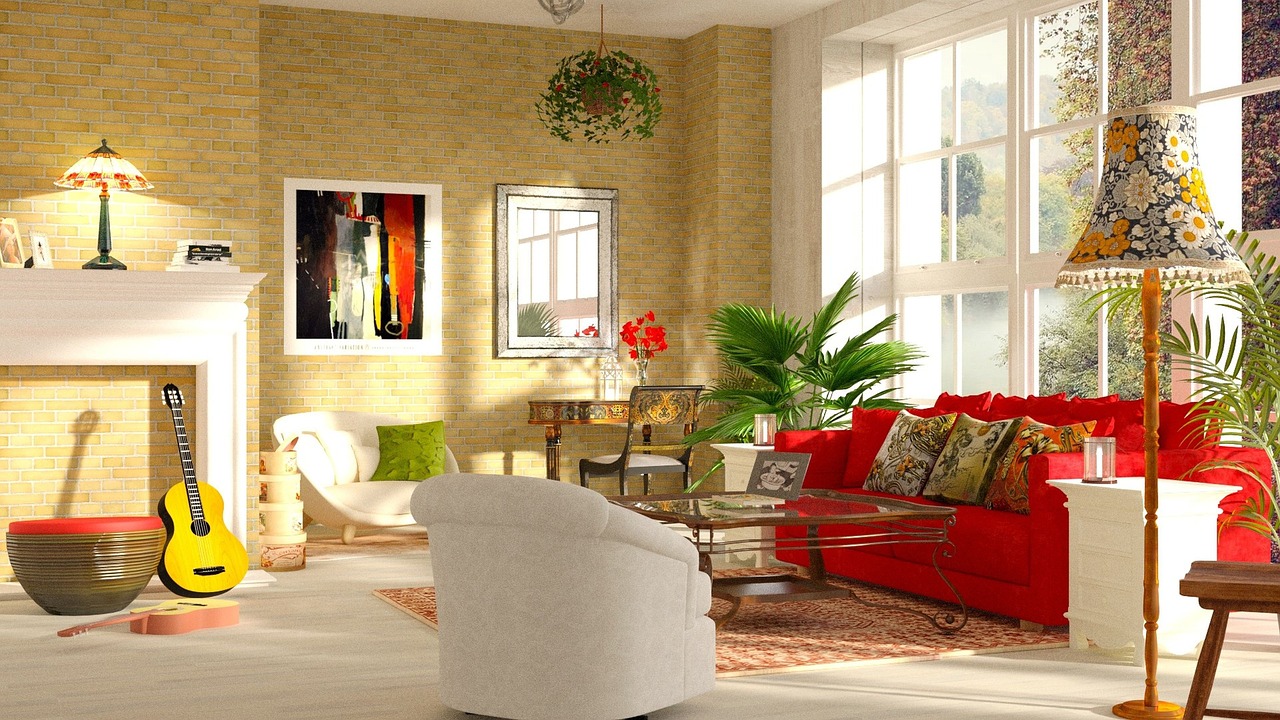
    Bohemian style is known for its vibrant and bold colors. Deep reds, rich purples, sunny yellows, and earthy browns are common. Patterns play a huge role too—mixing floral, geometric, and ethnic-inspired prints will help you achieve that layered, global look that Boho is known for.

    Natural Materials and Textures

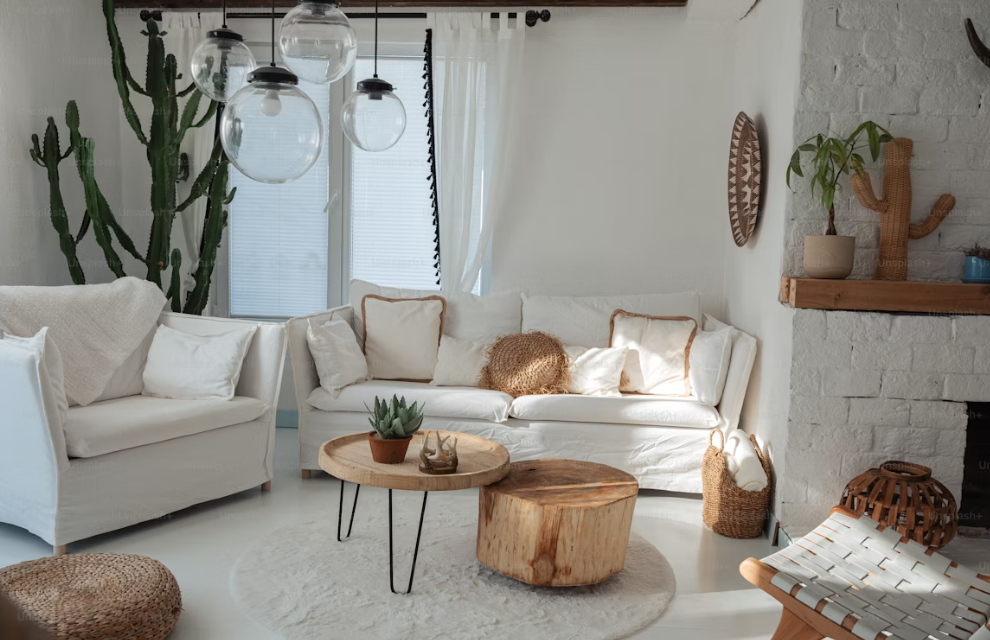
    Wood, rattan, jute, and linen are staples in Bohemian furniture. These materials give the space a relaxed, earthy feel, which ties in with the organic and handmade ethos of the style. Think woven rugs, wicker chairs, and wooden coffee tables.

    Eclectic Mix of Furnishings

    One of the hallmarks of Bohemian furniture is the mixing of different styles and eras. Combining vintage pieces with modern touches, or pairing an antique dresser with a sleek, minimalist lamp, adds visual interest and personality to the room.

    Sustainability in Bohemian Furniture

    Sustainability is a growing concern for many Bohemian style enthusiasts. Eco-friendly furniture made from sustainable materials or upcycled items fits right into the Boho aesthetic. Choosing pieces from local artisans or second-hand shops is another way to keep your style eco-conscious.


    How to Incorporate Bohemian Style into Your Home

    Boho style can be incorporated into any room in your home. Let’s explore how to add a Bohemian touch to your living room, bedroom, and even your home office.

    Creating a Bohemian Living Room

    The living room is often the focal point of Bohemian design. Start by layering textiles—think throw pillows, blankets, and area rugs in bold patterns and vibrant hues. A vintage sofa or a rattan chair can serve as the centerpiece, while plants, mirrors, and artwork add texture and visual interest.

    Bohemian Bedroom Ideas

    In the bedroom, focus on creating a relaxed, cozy atmosphere. A low, wooden bed frame works well with a mix of patterned bedding. Incorporate a variety of textures through knitted throws, macramé wall hangings, and silk or cotton curtains. Don’t forget the plants—succulents, hanging vines, and ferns all add to the Boho vibe.

    Bohemian Home Office and Study Tips

    Your home office can also benefit from Bohemian style. Choose a vintage desk paired with mismatched chairs or a soft, patterned rug. Keep the space open and inviting, and decorate with eclectic items such as art prints, books, and candles.


    Bohemian Style Furniture Brands to Know

    There are many furniture brands that embrace the Bohemian style, offering sustainable, stylish, and budget-friendly pieces for your home. Here are a few to keep on your radar.

    Top Sustainable Bohemian Furniture Brands

    • Urban Outfitters Home: Known for its Boho-chic furniture and décor, Urban Outfitters offers a range of sustainable and unique pieces that align with Bohemian principles.
    • Anthropologie Home: Anthropologie offers a mix of vintage-inspired and artisanal pieces perfect for creating a Bohemian atmosphere.
    • The Citizenry: With a focus on handmade furniture from artisans around the world, The Citizenry combines style with sustainability.

    Budget-Friendly Bohemian Furnishings

    • Wayfair: Offering an extensive selection of Bohemian-style furniture at various price points, Wayfair has something for every budget.
    • IKEA: While more minimalist in its design, IKEA’s affordable furniture can be dressed up with textiles and accessories to achieve a Boho look.

    Maintaining Bohemian Style Furniture

    Once you’ve curated the perfect Bohemian furniture collection, it’s important to maintain it to keep your space looking fresh and vibrant.

    Cleaning and Caring for Natural Materials

    Natural materials like wood and rattan require a little more attention than synthetic materials. Dust regularly, and use eco-friendly cleaners to preserve the integrity of the materials.

    Tips for Upcycling and Repurposing Furniture

    Bohemian style embraces the idea of sustainability, and upcycling old furniture is a great way to bring new life to a piece. Whether it’s repainting a vintage dresser or reupholstering a chair, small DIY projects can add a personal touch to your space.


    Conclusion: Embrace Your Unique Style

    Bohemian style furniture is all about embracing individuality and creativity. It offers a freedom of expression that few other design styles can match. By incorporating bold colors, natural materials, and an eclectic mix of furnishings, you can create a space that truly reflects your personality and style.

    Future Trends in Bohemian Furniture

    As the demand for sustainable and eco-conscious furniture grows, we expect to see more Bohemian furniture brands focusing on using ethically sourced materials and supporting artisans from around the world.


    Frequently Asked Questions (FAQs)

    1. What is the best way to start decorating in Bohemian style?
      Start with one key piece—whether it’s a bold patterned rug or a vintage chair—and build around it. Incorporate various textures, colors, and patterns as you go.
    2. Can I mix Bohemian style with other décor styles?
      Absolutely! Bohemian style is about mixing and matching, so it pairs well with many other styles, such as modern, rustic, or even industrial.
    3. How can I make a small space feel Bohemian?
      Use lots of textiles like throw pillows, rugs, and curtains to create a cozy atmosphere. Incorporating plants will also help make the space feel more vibrant and welcoming.
    4. Is Bohemian style expensive to decorate with?
      Not necessarily! You can find budget-friendly Bohemian furniture at places like IKEA, thrift stores, or online marketplaces. Repurposing old furniture also fits well with the Boho ethos.
    5. What are some key accessories for Bohemian décor?
      Key accessories include throw blankets, decorative pillows, candles, hanging plants, and vintage artwork. Mirrors and woven baskets also make great Bohemian additions.
  • Crafting Your Own Storage Solutions: DIY Furniture Hacks

    Crafting Your Own Storage Solutions: DIY Furniture Hacks

    Introduction: The Appeal of DIY Storage Solutions

    We all know the struggle: cluttered spaces, limited storage, and the constant hunt for new solutions. But here’s the good news — you don’t have to spend a fortune on pre-made storage solutions. With a little creativity and some basic tools, you can craft your own storage furniture that’s tailored to your needs and style.

    In this article, we’ll explore some amazing DIY furniture hacks for storage, why they’re becoming a favorite choice, and how you can transform your living space with a personal touch. Let’s dive in!

    Why DIY Storage Solutions are Gaining Popularity

    The Rise of Personalization and Customization

    One of the biggest draws of DIY storage furniture is the ability to create something that perfectly fits your space and style. Whether you’re looking for a rustic bookshelf or a sleek, modern storage unit, DIY projects allow you to customize your creations down to the smallest detail. Plus, you get to say you built it yourself!

    Environmental and Budget-Friendly Benefits

    Another reason for the popularity of DIY storage solutions is their environmental benefits. Upcycling and reusing materials like old pallets, wooden crates, and even cardboard are not only eco-friendly but also wallet-friendly. DIY projects let you avoid mass-produced furniture, reducing waste and saving money at the same time.

    Key DIY Storage Furniture Hacks You Can Try

    Here are some of the most creative and practical DIY furniture hacks for storage that you can try in your own home.

    Turning Old Pallets into Storage Shelves

    Old wooden pallets are an underrated resource when it comes to DIY projects. With a little sanding, paint, and a few screws, you can transform them into beautiful floating shelves, perfect for holding books, plants, or decorative items. The rustic vibe they provide can be a great fit for many interior styles.

    Upcycling Wooden Crates for Stylish Storage Units

    Wooden crates are incredibly versatile. You can stack them to create storage units, or you can even mount them on the wall to serve as floating shelves. The best part? Crates are often easy to find, and they provide a chic, vintage look to your storage solutions.

    Creating Hidden Storage with a Foldable Ottoman

    Ottomans are functional, but what if they could also hide your clutter? A foldable ottoman with hidden storage can double as a seat and a storage solution, perfect for small spaces. With some basic sewing and a sturdy frame, you can design your own ottoman to fit the specific needs of your space.

    Customizing Closet Systems for Maximum Efficiency

    Closet space can often feel like a lost cause, but with the right DIY approach, you can maximize its potential. From adjustable shelves to hanging organizers, customizing your closet system can help you optimize every inch of available space.

    Step-by-Step Guide: Creating a Closet Storage Unit from Scratch

    • Materials Needed: Plywood, screws, paint, measuring tape, power drill, shelf brackets
    • Step 1: Measure your closet space to determine the ideal dimensions for the unit.
    • Step 2: Cut the plywood to the appropriate size.
    • Step 3: Assemble the unit using screws and brackets.
    • Step 4: Paint or stain the unit to match your decor.
    • Step 5: Install shelves or drawers to further organize your items.

    Market Trends in DIY Furniture and Storage Solutions

    Sustainable Materials: A Rising Trend in DIY Projects

    Eco-consciousness is taking center stage in DIY furniture, with more people opting for sustainable materials. Bamboo, reclaimed wood, and upcycled fabrics are increasingly being used to create stylish, functional storage solutions that are kinder to the planet.

    The Role of Smart Technology in DIY Storage Solutions

    Another exciting trend is the integration of smart technology into DIY furniture projects. Whether it’s adding wireless charging stations to your storage unit or using motion-sensor lighting for shelves, technology can enhance the functionality of your DIY pieces.

    Minimalism Meets Functionality: The Shift in Design Preferences

    The trend toward minimalism in interior design continues to grow, and it’s influencing DIY storage solutions as well. Clean lines, neutral colors, and multifunctional furniture that maximizes space are all the rage. People are looking for simplicity combined with practicality, and DIY storage projects allow them to achieve this balance.

    Consumer Preferences in DIY Storage Solutions

    Affordability and Accessibility: Why DIY is So Attractive

    DIY furniture hacks are popular because they offer an affordable alternative to expensive, mass-produced furniture. Many people are turning to DIY as a way to save money, especially with the rising costs of home furnishings. Plus, with tutorials and inspiration available online, these projects are more accessible than ever.

    The DIY Spirit: Crafting a Sense of Accomplishment

    There’s something incredibly satisfying about building your own storage solutions. Not only do you get the storage space you need, but you also enjoy a sense of accomplishment that comes with completing a project from start to finish. DIY furniture encourages creativity and hands-on problem-solving, which is one reason why it’s so popular.

    Conclusion: Embracing DIY for the Future of Home Storage

    In today’s world, DIY furniture hacks are more than just a trend — they’re a practical, sustainable, and creative way to enhance your home storage. Whether you’re upcycling old materials or building something entirely from scratch, DIY projects allow you to make your space uniquely yours while keeping costs down. Plus, with the growing trend of minimalism and sustainable living, it’s clear that DIY storage solutions are here to stay.

    Frequently Asked Questions (FAQs)

    What materials are best for DIY storage solutions?

    Wood, metal, and recycled materials like pallets and crates are great choices. These materials are durable, easy to work with, and offer a wide range of customization options.

    How can I ensure my DIY storage projects are safe and durable?

    Always use the right tools and materials for the job. Follow safety guidelines, measure carefully, and consider the weight limits of the materials you’re using. You can also reinforce your projects with additional brackets or screws for extra durability.

    Can I integrate smart storage solutions into my DIY projects?

    Absolutely! You can add features like LED lighting, wireless charging stations, or motion sensors to enhance the functionality of your storage furniture.

    What tools do I need for a DIY furniture hack project?

    Basic tools include a saw, power drill, hammer, measuring tape, and screws. Depending on your project, you may also need paint, fabric, or other finishing supplies.

    Where can I find inspiration and tutorials for DIY storage projects?

    Websites like Pinterest, YouTube, and DIY blogs are full of tutorials and inspiration. You can also join online communities where people share their DIY projects and ideas.

  • Essential Tips for Buying Kids’ Furniture: Safety and Style

    Essential Tips for Buying Kids’ Furniture: Safety and Style

    When it comes to buying furniture for your child’s room, it’s a fine balance between ensuring safety and picking pieces that complement the room’s decor. Not only does the furniture need to be functional and durable, but it also needs to reflect your child’s personality and growing needs. Here are some essential tips to keep in mind when choosing kids’ furniture that prioritizes both safety and style.


    Introduction: Why Choosing the Right Furniture for Kids Matters

    Choosing kids’ furniture is more than just about filling up a room—it’s about creating a safe, comfortable, and functional space that supports your child’s growth. Whether it’s a toddler’s first bed or a pre-teen’s study desk, the right furniture ensures that your child’s environment is conducive to learning, playing, and growing.


    Understanding the Key Elements of Kids’ Furniture

    Kids’ furniture isn’t just about looking cute—it must tick all the boxes for safety, size, functionality, and style. Here’s a breakdown of the key elements you need to consider:


    1. Safety Comes First: What to Look For

    A. Non-toxic Materials

    It goes without saying—kids love to explore and sometimes chew on furniture, so it’s crucial to ensure that any material used is non-toxic. Look for furniture made from lead-free paints and finishes, as well as fabrics that are free of harmful chemicals.

    B. Round Edges and Smooth Finishes

    Kids can be clumsy, so sharp corners can pose a serious risk. Opt for furniture with rounded edges or soft finishes that prevent injury from accidental bumps.

    C. Sturdy Construction and Stability

    Make sure the furniture is built to last and won’t tip over easily. Items like bookshelves, dressers, and desks should be anchored to the wall if necessary to prevent accidents.


    2. Choosing the Right Size for Your Child’s Room

    A. Understanding Age-Appropriate Sizing

    The size of the furniture should be in proportion to the size of the room and your child’s age. A crib for a toddler should be snug and low to the ground, while a desk for a school-aged child should be at the right height to encourage proper posture.

    B. Adjustable Furniture for Growing Kids

    Furniture that adapts to your child’s changing needs is a smart investment. Adjustable beds, desks, and chairs that grow with your child can save you money in the long run while reducing the need for frequent replacements.


    3. Functionality and Storage Solutions

    A. Space-Saving Designs

    Kids’ rooms tend to be on the smaller side, so look for space-saving designs like loft beds or storage benches. These pieces make room for play while keeping everything organized.

    B. Multi-functional Furniture

    When it comes to functionality, multi-functional furniture is a game-changer. Consider pieces like a bed with built-in drawers, or a table that doubles as a study desk and play area. These versatile designs make the most of limited space and are perfect for growing families.


    4. Style and Design: Merging Fun with Function

    A. Gender-Neutral and Versatile Designs

    When picking out kids’ furniture, it’s important to go for designs that won’t feel too “grown-up” as your child gets older. Gender-neutral furniture can be easily adapted as your child’s tastes evolve, providing flexibility for the future.

    B. Trends in Kids’ Furniture Styles

    Trends in kids’ furniture often reflect a blend of fun, creativity, and practicality. Think bright colors, nature-inspired themes, or minimalistic designs with playful accents. Trending designs include animal-shaped chairs, modular play furniture, and custom wall art to match your child’s personality.


    5. Sustainability: Choosing Eco-Friendly Furniture

    A. Materials That Are Better for the Planet

    Eco-friendly furniture is made from sustainable materials like bamboo, reclaimed wood, and non-toxic finishes. Choosing environmentally-conscious pieces ensures that you’re reducing your carbon footprint while providing your child with a healthier space.

    B. Brands that Prioritize Sustainability

    Several brands have made it their mission to create sustainable, high-quality furniture for children. These brands focus on sourcing ethical materials and minimizing waste, offering products that are safe for both your child and the planet.


    6. Budgeting: How Much Should You Spend?

    A. Finding the Balance Between Cost and Quality

    When it comes to kids’ furniture, spending a little more upfront can save you in the long run. Durable, high-quality pieces will stand the test of time, while cheaper alternatives may need replacing sooner than you’d like.

    B. Long-Term Value: Furniture That Grows with Your Child

    Opt for pieces that grow with your child’s needs—like a crib that converts into a toddler bed, or a chair that can adjust in height. These options provide long-term value without the need for frequent replacements.


    7. Expert Tips: What the Pros Say About Buying Kids’ Furniture

    Experts recommend considering both the functionality and aesthetics of each piece. “Furniture should not only serve a purpose but also inspire creativity in your child,” says interior designer Lily Hayes. “It should be a reflection of their interests and passions, whether that’s through color, shape, or texture.”


    Conclusion: Putting It All Together for the Perfect Kids’ Room

    When it comes to choosing the right furniture for your child’s room, it’s all about finding a balance between safety, functionality, and style. By focusing on sturdy, eco-friendly materials, age-appropriate sizes, and versatile designs, you can create a space that your child will love for years to come. Investing in durable, quality pieces will save you money in the long run while supporting your child’s growth and development.


    FAQs

    1. What should I look for in terms of safety when buying kids’ furniture?
    Look for non-toxic materials, rounded edges, sturdy construction, and furniture that is properly anchored to prevent tipping.

    2. How do I choose the right size furniture for my child?
    Consider the size of the room and the child’s age. For growing children, adjustable furniture is a great option.

    3. Can I find sustainable kids’ furniture?
    Yes! Many brands focus on eco-friendly materials like bamboo and reclaimed wood, ensuring the furniture is both safe and environmentally friendly.

    4. What are some tips for organizing a small kids’ room?
    Look for space-saving and multi-functional furniture, such as loft beds and storage benches, to maximize room for play and organization.

    5. How can I make sure the furniture I buy will last?
    Invest in high-quality, durable pieces that can grow with your child and withstand years of wear and tear.

  • How to Choose the Right Size Furniture for Your Space

    How to Choose the Right Size Furniture for Your Space

    When it comes to furnishing a room, size matters – but it’s not just about picking pieces that fit. Choosing the right size furniture can transform a room, making it feel more functional, comfortable, and visually appealing. But how do you know if a piece will truly work for your space? Let’s break it down.

    Understanding the Importance of Furniture Size

    Why Size Matters for Your Room’s Functionality

    Ever walked into a room and felt like there was just too much going on? That’s usually the result of mismatched furniture sizes. When furniture overwhelms a space, it can make the room feel cramped, limiting how well you can use it. The right size furniture allows for easy movement and ensures you have enough space to use your room for its intended purpose.

    The Impact of Furniture Size on Room Aesthetics

    Not only does the right-sized furniture improve functionality, but it also affects the aesthetics of the space. Oversized pieces can dominate a room, while furniture that’s too small might make the space feel disjointed. Striking the right balance is key.


    Assessing Your Available Space

    Measuring Your Room for Optimal Furniture Fit

    Before you shop for furniture, grab a tape measure and note down your room’s dimensions. Don’t just measure the floor area; think about the height of the space, especially in rooms with lower ceilings.

    Creating a Layout Plan: Tools and Tips

    It’s a good idea to plan the layout before making any purchases. Use grid paper or digital tools to sketch out where you want your furniture to go.

    How to Use Grid Paper or Digital Tools to Map Out Space

    Using grid paper or digital layout tools allows you to visualize where each piece will go. This gives you a better sense of how each item will fit.

    The Role of Doorways and Hallways in Furniture Size

    Don’t forget to account for the path furniture will take to get into the room. Ensure that your doorways and hallways are wide enough for your new pieces to fit through.


    Choosing the Right Size for Different Room Types

    Living Room: Creating a Comfortable Yet Spacious Feel

    In the living room, you want to balance comfort and space. A sofa should be large enough to seat everyone comfortably but not so big that it dominates the room. Remember, there needs to be ample space for walking and lounging.

    Bedroom: Balancing Comfort and Functionality

    The size of your bed will be the focal point of the room, but don’t forget about balance. Ensure there’s enough room to move around and for side tables or other essentials.

    Dining Room: Size and Flow for a Social Atmosphere

    Dining rooms are about flow. Your dining table should comfortably fit the number of people who use it, with plenty of space for chairs and easy movement around the table.

    Office or Study: Finding the Perfect Balance Between Work and Relaxation

    In an office or study, your furniture should complement your workflow without overwhelming the space. Opt for a desk size that fits your work needs while leaving room for movement.


    Common Mistakes When Choosing Furniture Size

    Overcrowding: How Too Much Furniture Can Disrupt Flow

    You might love all the furniture you’ve picked, but cramming too many pieces into a room can lead to clutter and discomfort. Less is often more!

    Underfurnishing: Why It’s Not Always Ideal

    On the flip side, underfurnishing can make a room feel empty or incomplete. It’s important to strike the right balance – too little can leave a room feeling unfinished.


    Market Trends in Furniture Sizing

    Growing Preference for Multi-Functional, Space-Saving Furniture

    With more people living in smaller spaces, multi-functional furniture is a huge trend. Items that can serve more than one purpose, like a sofa bed or a dining table with built-in storage, are great for maximizing space.

    Trends in Compact and Modular Furniture for Small Spaces

    Compact, modular furniture is another growing trend. These pieces are designed to be versatile and adaptable to various room sizes and layouts, offering flexibility without sacrificing style.


    How to Visualize Furniture Sizes Before Buying

    Using Furniture Templates and Cut-Outs

    A great way to get a feel for how a piece will fit is to use paper templates or cutouts. Place them on the floor to visualize the dimensions before you make the purchase.

    Virtual Room Planners and Augmented Reality

    Virtual room planners and AR tools allow you to see how furniture will look in your space before you buy it. These tools make it easy to experiment with different sizes without leaving your home.


    Conclusion: Getting the Perfect Fit

    Choosing the right size furniture involves thoughtful planning and consideration of your space. Remember to measure your rooms, account for flow, and be mindful of the latest trends in space-saving designs. If you take the time to plan carefully, you’ll create a space that feels both functional and aesthetically pleasing.

    Final Tips for Choosing the Right Furniture Size

    • Always measure twice before purchasing.
    • Consider modular furniture for flexibility.
    • Don’t forget about pathways and sightlines.

    Looking Ahead: Future Trends in Furniture Sizing

    The future of furniture sizing looks promising with the increasing popularity of adaptable, space-saving, and multi-functional designs. As people continue to downsize and embrace smaller living spaces, furniture will evolve to fit these needs.


    Frequently Asked Questions (FAQs)

    1. How do I know if my furniture is too big for my room?

    The best way to tell is by measuring your room and comparing it with the dimensions of your furniture. Leave enough space for people to move around comfortably.

    2. Should I prioritize comfort or style when choosing furniture size?

    Ideally, both! Focus on pieces that fit well in your space and provide comfort, but don’t compromise on style.

    3. How do I measure for furniture in odd-shaped rooms?

    In odd-shaped rooms, measure the longest and widest parts, and consider using flexible furniture, like modular pieces, to better suit the layout.

    4. Can I use large furniture in a small space?

    Yes, but it’s important to choose pieces that don’t overwhelm the room. Consider multi-functional items or scaled-down versions of larger pieces.

    5. What’s the best way to arrange furniture in a small apartment?

    Use furniture with a smaller profile, and create clear pathways. Open, airy layouts work best in smaller spaces.

  • Building a Farmhouse Table: A DIY Project Guide

    Building a Farmhouse Table: A DIY Project Guide

    Are you dreaming of a rustic farmhouse table but don’t want to break the bank? Good news: building your own farmhouse table is not only achievable but can also be a fun and fulfilling project! Whether you’re a seasoned DIYer or a first-timer, this guide will walk you through everything you need to know to create your very own farmhouse masterpiece.

    Introduction: Why a Farmhouse Table is Worth Building

    Building a farmhouse table gives you the chance to add a personalized touch to your home. It’s an affordable way to get a high-quality, custom piece of furniture that suits your style. But, beyond just saving money, there’s something deeply satisfying about making your own furniture. Plus, farmhouse tables are timeless—bringing warmth and character to any space.

    What Makes Farmhouse Style So Popular?

    Farmhouse style is all about comfort, simplicity, and rustic charm. It evokes images of country living, family gatherings, and cozy evenings. The natural wood finishes, sturdy build, and welcoming vibe of farmhouse tables make them an ideal choice for dining rooms, kitchens, and even outdoor patios.

    Materials You’ll Need to Get Started

    Before you dive into this DIY project, it’s important to gather all the materials. Here’s a quick checklist:

    Wood Selection: Choosing the Best for Your Table

    The most important decision is selecting the right wood. Pine, oak, and cedar are popular choices, but you could also consider reclaimed wood for a more rustic, eco-friendly option. The wood should be sturdy enough to support the weight of the table but also easy to work with.

    Tools You’ll Need: A Handy Checklist

    Here are the tools you’ll need:

    • Circular saw or table saw
    • Drill with screws
    • Wood glue
    • Sandpaper or sander
    • Measuring tape
    • Clamps for securing pieces while working

    Step-by-Step Guide to Building Your Farmhouse Table

    Ready to get started? Let’s break it down into manageable steps.

    Step 1: Planning and Measuring Your Table

    Before you even pick up a saw, spend some time planning. How big do you want your table? Standard dining tables range from 60 to 72 inches in length and 30 to 36 inches in width. Make sure to measure your space to ensure your table fits comfortably.

    Step 2: Cutting and Preparing the Wood

    Once your measurements are set, it’s time to cut your wood. Use a saw to cut your tabletop and table legs. Sand the edges to remove any rough spots. Ensure all cuts are straight for easy assembly.

    Step 3: Assembling the Table Frame

    Now comes the fun part! Start by attaching the four legs to the frame. Make sure they are square and aligned. Use wood glue and screws for maximum stability.

    Step 4: Attaching the Tabletop

    Once the frame is assembled, it’s time to attach the tabletop. Lay the tabletop upside down, align it with the frame, and secure it with screws. This is where you’ll see your hard work come together.

    Step 5: Sanding and Finishing the Surface

    Smooth out the surface of the table using sandpaper or a sander. This will ensure there are no rough patches. Then, apply your desired finish—whether it’s a light stain, a rich dark color, or a protective clear coat.

    Step 6: Sealing and Protecting Your Table

    After your finish is dry, apply a sealant to protect your table from stains and scratches. Polyurethane is a great option for durability.

    Design Considerations: Customizing Your Farmhouse Table

    A farmhouse table is a canvas for your creativity. Here are some ways you can make it your own:

    Table Shape and Size

    While rectangular is the traditional choice, you can also opt for a round or oval table if you prefer a softer look. Tailor the size to fit your space—whether it’s a small breakfast nook or a large family dining table.

    Color and Finish Options

    Farmhouse tables are known for their natural wood tones, but feel free to explore different colors. A distressed white finish can give the table a vintage feel, while dark walnut stains add a more contemporary touch.

    Adding Personal Touches with Decorative Elements

    Consider adding decorative elements like turned legs, carvings, or even metal brackets for added flair. These small details can turn an ordinary table into a showpiece.

    Market Trends in DIY Furniture Projects

    In recent years, DIY furniture has seen a surge in popularity. People are more inclined to build their own furniture for several reasons, including cost-effectiveness, creativity, and sustainability.

    Popularity of DIY Farmhouse Style

    DIY farmhouse tables have become one of the most popular home improvement projects, thanks to social media platforms like Pinterest and Instagram. Homeowners love the charm and versatility of farmhouse furniture, and building it themselves adds a personal touch.

    Sustainability and Eco-Friendly Trends

    With sustainability at the forefront of consumer minds, more people are opting for reclaimed wood and other eco-friendly materials to create their farmhouse furniture. This trend is not only good for the environment but also adds character to the final product.

    Conclusion: Enjoy Your Handmade Farmhouse Table

    Building a farmhouse table is a rewarding DIY project that adds both beauty and functionality to your home. From the satisfaction of crafting something with your own hands to the joy of enjoying it with loved ones, this project is one you’ll cherish for years to come.

    Looking Ahead: Future Trends in DIY Furniture

    As the demand for custom-made furniture grows, we can expect to see even more creative, sustainable, and innovative DIY projects in the future. Farmhouse-style furniture will continue to evolve, incorporating modern twists while maintaining that cozy, timeless appeal.

    FAQs: Your Top Questions Answered

    Q1: How much does it cost to build a farmhouse table?
    A1: The cost varies depending on the materials you choose, but a typical DIY farmhouse table can range from $100 to $300, significantly cheaper than buying a pre-made one.

    Q2: How long does it take to build a farmhouse table?
    A2: Depending on your skill level and tools, it can take anywhere from 10 to 20 hours to complete the project.

    Q3: Can I build a farmhouse table if I’m a beginner?
    A3: Absolutely! As long as you follow the instructions carefully and take your time, a beginner can build a beautiful farmhouse table.

    Q4: What’s the best wood for a farmhouse table?
    A4: Pine is the most common choice because it’s affordable and easy to work with. However, oak and walnut provide a more luxurious finish.

    Q5: Do I need special tools to build a farmhouse table?
    A5: While basic tools like a saw, drill, and sander are sufficient, having a table saw can make the process easier and more accurate.

  • The Pros and Cons of Modular Furniture: Is It Right for You?

    The Pros and Cons of Modular Furniture: Is It Right for You?

    Modular furniture is becoming a buzzword in the world of home design, but is it the right choice for you? In this article, we’ll explore the advantages and drawbacks of modular furniture to help you decide if it fits your needs.


    What is Modular Furniture?

    Modular furniture refers to furniture that is designed in individual pieces or modules that can be rearranged or combined in various configurations. The beauty of modular furniture lies in its versatility, allowing you to adapt it to any room size or layout.


    Why Modular Furniture Is Gaining Popularity

    The Growing Demand for Customization

    In today’s world, customization is key. Homeowners want pieces that reflect their unique style and adapt to their specific needs. Modular furniture offers the perfect solution by allowing you to mix and match modules to create a personalized layout that works for you.

    Flexibility and Functionality in Modern Living

    The rise of smaller living spaces and the shift toward multifunctional furniture makes modular designs an ideal choice. Whether you need a couch that doubles as a bed or a modular shelving unit that adapts to your changing storage needs, this furniture provides incredible flexibility.


    Pros of Modular Furniture

    Customizable to Fit Any Space

    One of the most significant advantages of modular furniture is its ability to fit in almost any space. Whether you live in a cozy apartment or a sprawling home, you can configure your modular pieces to suit the size and shape of your room.

    Cost-Effective Solutions for Budget-Conscious Shoppers

    Modular furniture often comes in more affordable price ranges than traditional, custom-built furniture. With modular units, you can buy just what you need and add pieces over time, making it easier to spread out costs.

    Easy to Transport and Move

    Moving can be a hassle, but modular furniture makes it much easier. Since the pieces are often lighter and designed to be taken apart, you can disassemble your furniture, move it, and then reassemble it with minimal effort. This is particularly helpful for renters or those who frequently relocate.

    Adaptable for Various Lifestyles and Needs

    Whether you’re setting up a home office, a living room, or a kid’s playroom, modular furniture adapts to your changing lifestyle. Need extra seating for a party? Add more modules. Want a more compact arrangement? Simply rearrange the pieces. This adaptability makes it ideal for growing families or evolving living spaces.


    Cons of Modular Furniture

    Can Lack the Aesthetic of Traditional Furniture

    One downside of modular furniture is that it can sometimes appear more utilitarian than aesthetically pleasing. While it’s functional and versatile, some designs may lack the elegance or sophistication of traditional, handcrafted pieces.

    Quality Can Be Inconsistent

    Not all modular furniture is created equal. While some brands focus on high-quality materials, others may cut corners to keep prices low. It’s essential to do your research and buy from reputable manufacturers to ensure you’re getting good value for your money.

    May Be Less Durable Than Other Options

    While modular furniture is great for flexibility and affordability, it may not always have the durability of traditional, high-end pieces. If you’re looking for long-lasting, heirloom-quality furniture, modular might not be the best option.


    Is Modular Furniture Right for You?

    Consider Your Space and Needs

    If you’re living in a small apartment or constantly rearranging your furniture, modular pieces may be a game-changer. On the other hand, if you have a more permanent space or need high-end, durable pieces, traditional furniture may be more suitable.

    Budget and Long-Term Investment

    Modular furniture is often more affordable than custom or traditional furniture. However, if you’re looking for a long-term investment in high-quality, durable furniture, you may need to weigh the potential for wear and tear.


    Market Trends and Consumer Preferences

    Sustainability and Eco-Friendly Choices

    As consumers become more eco-conscious, many modular furniture brands are focusing on sustainability. Look for companies that use recycled materials, sustainable wood, or environmentally friendly manufacturing processes.

    Technological Integration in Modular Designs

    Innovative brands are integrating technology into modular designs, offering features like built-in charging stations, smart storage solutions, and even adjustable lighting. This trend reflects the increasing desire for multifunctional, tech-savvy furniture.


    Conclusion: Is Modular Furniture Worth the Investment?

    Modular furniture is perfect for those seeking flexibility, affordability, and adaptability in their living spaces. However, it may not be the right choice for those who prioritize aesthetics or long-term durability. If you value customization and easy relocation, modular pieces are definitely worth considering.


    Frequently Asked Questions

    1. How does modular furniture compare to traditional furniture?
    Modular furniture is more flexible and customizable, making it ideal for small spaces or those who frequently move. Traditional furniture tends to be more durable and aesthetically appealing but lacks the adaptability of modular designs.

    2. Is modular furniture a good choice for small apartments?
    Absolutely! Modular furniture is ideal for small apartments as it can be customized to fit the space and adapt as your needs change.

    3. Can I add pieces to my modular furniture over time?
    Yes! One of the biggest advantages of modular furniture is that you can purchase additional modules as needed to expand or reconfigure your setup.

    4. Is modular furniture durable?
    The durability of modular furniture varies by brand and materials. Some pieces are made with high-quality materials, while others may not be as durable. It’s important to choose reputable manufacturers.

    5. How do I know if modular furniture is right for me?
    Consider your space, lifestyle, and budget. If you need flexible, affordable furniture that can adapt to your changing needs, modular furniture is a great option.

  • Luxury on a Budget: Affordable Furniture Options

    Luxury on a Budget: Affordable Furniture Options


    Introduction: The Dream of Luxury Without the Price Tag

    We all dream of a stylish, comfortable home, but luxury furniture often comes with a hefty price tag. What if you could have both—elegant designs and functionality—without emptying your wallet? In this article, we’re going to explore affordable furniture options that bring luxury into your home without the luxury prices.


    Why Luxury Furniture Doesn’t Have to Break the Bank

    Understanding the Value of Budget Luxury

    The term “luxury” doesn’t always mean “expensive.” Luxury furniture can also refer to high-quality materials, exceptional design, and durability—all of which don’t necessarily come with a sky-high price tag. When you shop wisely, you can find pieces that reflect the sophistication of luxury but at a fraction of the cost.

    Why People are Choosing Affordable Luxury Furniture

    More and more consumers are looking for ways to spruce up their living spaces without splurging. Affordable luxury furniture not only offers aesthetics but also gives people the satisfaction of quality, long-lasting pieces that enhance their homes without compromising their budgets.


    Key Factors to Look for in Affordable Luxury Furniture

    Quality Materials on a Budget

    When hunting for affordable luxury, the material is crucial. Look for pieces made with durable woods like oak or mango, or even engineered woods like MDF or plywood that mimic the look of solid wood at a lower cost. Upholstery made from polyester blends or faux leather can look just as chic as expensive fabrics.

    The Importance of Craftsmanship and Design

    While materials are important, craftsmanship and design are key to achieving that luxury feel. Quality craftsmanship ensures that the furniture will last for years. Look for minimalistic designs, clean lines, and timeless styles that will never go out of fashion.

    Eco-Friendly Options that Don’t Cost a Fortune

    Eco-conscious consumers are increasingly gravitating toward sustainable furniture. You can find affordable pieces made from recycled materials or sustainably sourced wood that not only look luxurious but are also better for the planet.


    Where to Find Affordable Luxury Furniture

    Online vs. In-Store: Where Should You Shop?

    While shopping in physical stores can be more immersive, the best deals on luxury furniture can often be found online. Online marketplaces like Wayfair, Overstock, and even Amazon offer extensive options at varying price points. However, in-store shopping at outlets and warehouse sales can provide unique pieces you won’t find online.

    Top Stores for Affordable Luxury Furniture

    Here are some of the best places to score high-quality furniture at budget-friendly prices:

    • West Elm: Known for modern designs with an upscale feel.
    • IKEA: Offers a wide range of stylish pieces that blend luxury and practicality.
    • CB2: Provides chic, minimalist furniture that gives you that high-end look.
    • Article: An online store offering modern, well-crafted pieces.

    How to Style Your Home with Affordable Luxury Furniture

    Mixing High and Low-End Pieces for Maximum Effect

    One of the best ways to make your home look expensive is by mixing high-end with low-end furniture. For example, pair a designer sofa with an affordable coffee table or add a luxury rug to a budget-friendly dining room set. This helps create a layered, curated look that feels well-thought-out without the hefty price tag.

    Creating a Cohesive, Luxury Look on a Budget

    Start by sticking to a neutral color palette to create a sophisticated atmosphere. Incorporate statement pieces like a chic armchair or a designer-inspired lamp. Combining functional, affordable pieces with a few key luxury items can make your space look intentionally curated.


    Market Trends in Affordable Luxury Furniture

    Growing Popularity of Scandinavian and Minimalist Styles

    Scandinavian and minimalist design principles are having a major moment, and the good news is that these styles are relatively affordable to replicate. Look for clean lines, simple shapes, and neutral tones—these elements instantly add a touch of elegance to any space.

    Incorporating Smart Furniture in Budget-Friendly Interiors

    Smart furniture is becoming a huge trend in affordable luxury. From sofas that charge your phone to tables with built-in storage, integrating technology into your furniture can add both function and style to your home without the luxury price tag.


    Conclusion: Achieving Your Dream Home Without the Luxury Price

    Luxury furniture doesn’t need to be a distant dream. By focusing on quality, design, and functionality, you can achieve a luxurious look without overspending. Whether you’re shopping online or in-store, always keep your personal style in mind, and you’ll find pieces that reflect your taste and budget.


    FAQs

    1. What’s the best material for affordable luxury furniture?
      • Look for wood alternatives like MDF or plywood that resemble solid wood at a lower price, or eco-friendly materials like bamboo.
    2. Can I mix budget and luxury furniture in my home?
      • Absolutely! Mixing high and low-end pieces helps create a well-rounded, stylish look that’s unique and budget-friendly.
    3. Are there any stores offering affordable luxury furniture?
      • Yes! Stores like West Elm, IKEA, and CB2 offer beautiful furniture at various price points to suit different budgets.
    4. How can I style my home with budget furniture?
      • Stick to neutral colors, mix and match different textures, and add statement pieces like rugs or art to elevate the look.
    5. Is it possible to get eco-friendly luxury furniture on a budget?
      • Definitely! Look for sustainable brands or furniture made from recycled materials that offer both luxury and eco-friendliness without the high price tag.
  • The Ultimate Guide to Modern Living with Pets: Design, Care, and Wellness

    The Ultimate Guide to Modern Living with Pets: Design, Care, and Wellness

    In today’s world, pets are more than companions — they’re family. They share our homes, our habits, even our moods. As our lifestyles evolve, so does the way we design our living spaces and care for the furry members of our households.

    Modern living means balancing aesthetics, comfort, and wellness — not just for ourselves, but for our pets too. From smart home design ideas to better nutrition choices, this guide will help you create a home that’s beautiful, functional, and full of life.


    1. The Modern Pet Lifestyle: Blending Comfort and Connection

    Gone are the days when pets were confined to backyards or garages. Today’s dogs and cats are part of our daily lives — lounging on the couch, sleeping on our beds, and even starring in our Zoom calls.

    As a result, modern homes are being reimagined with pets in mind. We’re seeing pet-friendly materials, minimalist organization, and wellness-oriented routines that integrate pets naturally into the household.

    Creating a home that supports your lifestyle and your pet’s needs isn’t about compromise — it’s about connection.


    2. Designing Your Space for Harmony

    The first step to modern pet living is intentional design. You don’t need to turn your home into a kennel — just make smart choices that work for both people and pets.

    Furniture

    Choose scratch-resistant fabrics like microfiber or leather alternatives. Keep surfaces easy to wipe and avoid delicate textiles like silk or velvet in high-traffic zones.

    Storage

    A clutter-free home means less stress for you and your pet. Use decorative baskets or ottomans with hidden storage for toys, leashes, and blankets.

    Decor

    Add greenery with pet-safe plants like spider plants or Boston ferns. Avoid toxic varieties such as lilies or philodendrons.

    Flooring

    Vinyl plank and tile floors are durable, stylish, and pet-proof. Add washable area rugs for texture and warmth.

    Design isn’t just visual — it’s emotional. A calm, balanced space makes your pet feel secure, which in turn makes your home feel more peaceful.


    3. Creating a Wellness Routine at Home

    A healthy home for pets goes beyond clean floors and cozy beds — it’s about consistent care and emotional wellbeing.

    Daily movement

    Designate a play zone indoors with durable toys or soft mats. For smaller spaces, rotate toys to keep things engaging.

    🕯 Calm corners

    Pets need downtime just like we do. Create a quiet spot with low lighting where your pet can relax.

    Grooming space

    If possible, dedicate a laundry or mudroom area for grooming. Add a handheld sprayer or storage for towels and brushes.

    Nutrition

    And, perhaps most importantly — focus on what fuels your pet’s health from the inside out.


    4. Wellness Begins with Nutrition

    Home design creates comfort on the outside. Nutrition creates health on the inside. Together, they define the energy of your home.

    Feeding your pet high-quality, fresh food affects nearly every part of their wellbeing — from coat shine to energy levels, digestion, and even mood. And when your pet feels better, you’ll notice it reflected in your home environment: fewer odors, less mess, and more joy.

    That’s why more pet owners are switching to fresh, human-grade meals — and why Spot & Tango is leading the way.


    5. Introducing Spot & Tango: Real Food for Real Pets

    Spot & Tango is redefining what it means to feed your pet well. Their philosophy is simple: if it’s not good enough for humans, it’s not good enough for dogs.

    All meals are:

    • Made with 100% real, human-grade ingredients like turkey, spinach, quinoa, and apples.
    • Cooked gently to preserve nutrients (not over-processed like kibble).
    • Formulated by veterinary nutritionists to ensure balanced, complete diets.

    Spot & Tango offers two options:

    • Fresh Meals: Fully prepared, ready-to-serve dishes delivered chilled to your door.
    • UnKibble™: A fresh dry food alternative with the same whole-food benefits, designed for easy storage.

    Each plan is customized based on your dog’s profile — age, breed, activity level, and health goals — so you can be confident your pet is getting exactly what they need.

    Discover your pet’s personalized plan today at SpotAndTango.com — and see how better food can transform your home from the inside out.


    6. How Fresh Food Complements Modern Living

    Modern living is all about simplicity and sustainability. Fresh pet food fits right into that mindset:

    • Less packaging waste: Spot & Tango uses recyclable materials and portioned packs.
    • Less clutter: No more bulky bags of kibble taking up pantry space.
    • Cleaner feeding: No oily residue, no lingering smell.
    • Healthier pets: Meaning fewer vet visits and more energy for playtime.

    It’s the perfect match for pet parents who value design, wellness, and efficiency — a lifestyle that feels as good as it looks.


    7. Bringing Design and Wellness Together

    Let’s face it: a happy pet is the best home accessory.

    When your dog feels great, they’re more relaxed, better behaved, and more in tune with your daily rhythm. That’s why modern living isn’t about separating “design” from “care” — it’s about blending them seamlessly.

    Try integrating these small upgrades:

    • Use elevated, minimalist feeding stations that match your decor.
    • Add a stylish rug under your pet’s bowls to define their dining area.
    • Keep a small “pet corner” organized with treats, wipes, and brushes.
    • Schedule feeding and walks around your routine for better consistency.

    By aligning your pet’s comfort with your home’s design, you create an environment that supports both beauty and balance.


    8. The Home as a Reflection of Wellbeing

    At its core, modern living with pets is about mindfulness. Every design choice, every routine, and every product you bring into your space reflects a deeper value: wellness through intention.

    When you choose healthier food, sustainable materials, and clutter-free organization, your home becomes more than just a place — it becomes a sanctuary.

    Your pet feels it too: calm energy, better sleep, and genuine joy. And when your home radiates that balance, it transforms how you feel every day.

    Because a truly modern home isn’t defined by trends or colors — it’s defined by how it nurtures every being inside it.


    9. Final Thoughts: A Lifestyle of Love and Simplicity

    Designing a pet-friendly home is an act of love. It’s about creating harmony between people, animals, and the spaces they share.

    From the furniture you choose to the food you serve, every detail matters. And with thoughtful brands like Spot & Tango, you can simplify that journey — feeding your pet better while elevating the quality of your home life.

    So whether you’re redecorating your living room or upgrading your dog’s diet, remember: modern living isn’t about perfection. It’s about presence, care, and connection.

    And that’s the kind of design that never goes out of style.

  • Navigating Furniture Sales: When and Where to Buy

    Navigating Furniture Sales: When and Where to Buy

    Introduction: Why Timing and Location Matter
    When it comes to purchasing furniture, timing and location play a crucial role in ensuring you get the best deal. Understanding when to buy and where to shop can save you hundreds of dollars, and it can also help you find the perfect piece for your home. In this article, we’ll dive into the best times to shop, where to find the best deals, and how to navigate the entire process.


    The Best Time to Buy Furniture: Key Seasons
    Furniture shopping isn’t a year-round sport. There are certain times when you can snag a deal, and other times when you’ll end up paying more than necessary. Let’s take a look at the best times to buy.

    Holiday Sales and Seasonal Discounts

    Sales tied to major holidays like Labor Day, Memorial Day, and Christmas are when furniture retailers pull out all the stops. Expect steep discounts, especially on older stock that needs to clear out to make way for new collections. These sales are often a great time to pick up high-ticket items like sofas and dining tables.

    End-of-Season Clearance Events

    At the end of each season, stores often try to make room for the next season’s inventory. This is the perfect time to scoop up outdoor furniture in the fall or cozy up with a warm new couch in late winter. The end of the year also tends to feature great deals on office furniture, so keep your eyes peeled!

    The Role of Major Sale Events (Black Friday, etc.)

    Everyone knows Black Friday is a frenzy of deals, but did you know it’s one of the best times to buy furniture, too? Stores slash prices dramatically during major sale events. It’s a great opportunity to shop, but also a chance to compare online prices before hitting the stores.


    Where to Shop for the Best Deals on Furniture
    Once you’ve determined when to shop, the next decision is where to shop. Are you the type who enjoys hunting for bargains online, or do you prefer the tactile experience of touching and testing out furniture in person?

    Online Shopping vs. Brick-and-Mortar Stores

    Online shopping offers convenience, but it doesn’t allow you to feel the texture of a couch or see how that dresser fits with your room’s layout. However, many online retailers offer deep discounts, free shipping, and easy returns, making it worth considering.

    Major Furniture Retailers: Pros and Cons

    Big-name stores like IKEA, Wayfair, and Ashley Furniture can be tempting, but are they the best option for you? These retailers often have a huge selection, affordable prices, and frequent sales, but the quality may vary depending on the brand. You’ll also be dealing with mass-produced items.

    Popular Online Furniture Stores

    Websites like Article, Joybird, and West Elm offer a great selection of stylish furniture, often with more emphasis on quality and design. You’ll pay a bit more, but many of these stores have free shipping and generous return policies.

    Local Showrooms and Mom-and-Pop Stores

    Don’t forget about your local, independent furniture stores. These shops may not have the same brand recognition, but they often offer custom-made pieces, personalized service, and sometimes better craftsmanship. Plus, buying locally supports your community.


    Consumer Preferences: What Drives Buying Decisions
    In today’s market, consumers have more options than ever. So what factors influence buying decisions?

    Style and Functionality

    The most important consideration for many shoppers is whether the furniture fits their personal style and the functionality needed for their space. Are you looking for minimalist Scandinavian design or a cozy, traditional vibe?

    Sustainability and Ethical Considerations

    Increasingly, consumers are choosing furniture based on sustainability. Look for stores offering eco-friendly materials, fair trade practices, and items made to last. This conscious consumerism is gaining traction, especially among younger buyers.

    Price vs. Quality

    While everyone loves a good deal, it’s important to weigh the value of furniture in terms of durability and quality. A cheaper piece might look appealing upfront, but will it stand the test of time? Sometimes, it’s worth investing a little more for better quality.


    Tips for Navigating Furniture Sales Successfully
    Now that you know when and where to shop, here are a few insider tips to make the most of your furniture sales experience.

    How to Identify Genuine Discounts

    Not all discounts are created equal. Before you make a purchase, check the regular price of the item online or in-store. Watch out for “inflated discounts” where the original price is marked higher than usual just to make the sale look better.

    Understanding Store Policies (Returns, Warranties)

    Before committing, make sure you understand the store’s return and warranty policies. Can you return the furniture if it doesn’t fit or match your decor? Are there any hidden fees for returns?

    Negotiation Tips for In-Store Purchases

    Furniture prices are often negotiable, especially in local stores or during big sales events. Don’t be afraid to haggle a little, or ask for extras like free delivery or an extended warranty.


    Conclusion: Final Thoughts on Furniture Shopping
    Navigating furniture sales requires some strategy, but if you know when to shop, where to look, and what to consider, you can get great deals on quality items. Remember to watch for key sales events, compare prices, and don’t settle for poor quality just to save a few bucks.


    FAQs

    1. When is the best time to buy furniture?
      The best time to buy is during major holiday sales like Black Friday, Memorial Day, or end-of-season clearances. Prices tend to drop around these events.
    2. Is online furniture shopping better than in-store?
      It depends on your priorities. Online shopping is convenient and often offers better deals, but in-store shopping allows you to test the furniture firsthand.
    3. How can I ensure I’m getting a good deal on furniture?
      Compare prices, check the original price tags, and verify the store’s return and warranty policies to ensure you’re getting the best deal.
    4. Are there discounts for buying in bulk or sets?
      Many furniture stores offer discounts for buying multiple pieces as a set. It’s worth asking about bundled deals.
    5. Should I prioritize style or functionality when buying furniture?
      It depends on your needs. If you’re shopping for a living room, you may want both style and comfort, but for a dining room, functionality might be your top priority.
  • Smart Furniture Innovations: Trends Shaping the Future

    Smart Furniture Innovations: Trends Shaping the Future

    Introduction: The Future of Furniture
    Furniture has come a long way from simple wooden chairs and tables to sleek, high-tech, and highly functional pieces. With the rise of smart technology, furniture is no longer just about function and design; it’s about enhancing the living experience in ways we never imagined. So, what does the future hold for furniture? Let’s dive in and explore the latest trends and innovations shaping the world of smart furniture.

    What Makes Furniture ‘Smart’?

    Defining Smart Furniture: More Than Just Technology
    At its core, smart furniture is designed to integrate modern technology into traditional pieces of furniture. Whether it’s a bed that tracks your sleep, a sofa with built-in speakers, or a desk that adjusts according to your posture, smart furniture offers far more than just comfort—it adapts to your lifestyle and needs.

    The Role of Connectivity in Modern Furniture
    Smart furniture pieces are often connected to the internet, allowing them to sync with apps and other devices. Think of it as the Internet of Things (IoT) making its way into your living room, transforming how you interact with your furniture. With IoT integration, you can control your lighting, temperature, and even entertainment from a single device or voice command.

    Market Trends Driving Smart Furniture Growth

    The Rise of Multi-functional Furniture
    As living spaces get smaller and more people embrace minimalism, multifunctional furniture is becoming a game-changer. Smart furniture, such as transformable couches and modular desks, is allowing us to maximize space without compromising on style or comfort.

    Integration of IoT (Internet of Things) in Home Decor
    The IoT is the backbone of smart furniture, connecting your furniture with other devices in your home. From automated lighting systems to motion sensors in your smart chairs, IoT is making it possible to control all your devices from a single app, making your home more efficient and intelligent.

    Eco-Friendly Smart Furniture Solutions
    With an increasing focus on sustainability, smart furniture manufacturers are now prioritizing eco-friendly materials and energy-efficient designs. Expect more furniture made from recycled materials, energy-saving features like solar-powered lamps, and designs that minimize waste.

    Consumer Preferences: What Do Buyers Want?

    Comfort and Convenience: Key Priorities
    While tech features are undoubtedly cool, comfort remains a priority for many consumers. Smart furniture that provides personalized adjustments, whether it’s a heated chair or a recliner with customizable settings, is gaining popularity because it adds convenience without compromising comfort.

    Aesthetics vs. Technology: Finding the Balance
    Consumers are increasingly looking for smart furniture that blends seamlessly into their homes. Tech should complement, not overpower, the design. Today’s buyers want pieces that look great but also offer the convenience of modern technology.

    Smart Furniture for Small Spaces: A Growing Need
    In urban environments, space is often limited. As a result, consumers are seeking furniture that is both functional and compact. Smart furniture that can transform or serve multiple purposes in one piece is highly sought after by those living in smaller homes or apartments.

    Popular Smart Furniture Products

    Smart Desks and Workstations: Optimizing Productivity
    Smart desks that adjust for sitting or standing, equipped with charging stations and organizational tools, are transforming the way we work from home. These desks not only improve posture but also enhance productivity by offering an organized, tech-friendly environment.

    Smart Sofas and Recliners: Tech-Enhanced Comfort
    Imagine reclining into a chair that knows your comfort level and adjusts accordingly. Smart sofas now come with built-in USB chargers, Bluetooth speakers, and even heating functions to make your lounging experience truly next-level.

    Sleep-Tech: Smart Mattresses and Beds
    Smart beds and mattresses are becoming a key player in enhancing our sleep. These products come with features like sleep tracking, temperature control, and automatic adjustments to help improve sleep quality and overall health.

    Challenges and Limitations of Smart Furniture

    High Costs and Affordability Issues
    While smart furniture is undeniably innovative, it often comes at a premium price. High-tech materials, advanced design, and IoT integration can make these pieces quite expensive. Affordability remains a barrier for many consumers, though prices are expected to drop as technology becomes more mainstream.

    Privacy and Data Security Concerns
    As with any connected device, smart furniture comes with its own set of security concerns. Data privacy issues, especially regarding sleep and health tracking, are a significant concern for many users. Manufacturers need to address these concerns to ensure consumer trust and widespread adoption.

    The Future of Smart Furniture: What’s Next?

    AI Integration and the Future of Personalization
    In the near future, artificial intelligence (AI) will play a massive role in the evolution of smart furniture. Imagine a sofa that adjusts to your preferences, remembers how you like your cushions, and changes according to your mood—all powered by AI.

    The Role of Smart Furniture in Sustainable Living
    As sustainability becomes a major global focus, smart furniture will continue to evolve to meet these needs. From eco-friendly materials to energy-efficient designs, the future of smart furniture looks green and conscious of its environmental footprint.

    Conclusion: Smart Furniture’s Bright Future
    Smart furniture is more than just a trend; it’s a glimpse into the future of living. As technology continues to evolve, these innovations will only become more sophisticated, offering new ways to improve comfort, convenience, and sustainability in our homes.

    FAQs

    What is smart furniture?
    Smart furniture integrates technology into traditional furniture pieces to enhance comfort, convenience, and functionality. Features include wireless charging, adjustable settings, and connectivity with other smart devices.

    Is smart furniture affordable?
    While smart furniture can be expensive, prices are expected to decrease as the technology becomes more widespread. There are also affordable options available in certain categories.

    Can smart furniture be used in small spaces?
    Yes! Many smart furniture designs are compact and multifunctional, making them ideal for smaller homes or apartments.

    How does smart furniture improve sleep?
    Some smart beds and mattresses feature sleep tracking, temperature control, and automatic adjustments to optimize your sleep environment for better rest.

    What’s the future of smart furniture?
    The future of smart furniture involves the integration of AI, more sustainable designs, and further personalization, offering even more comfort and convenience.