Category: Style and Trends

  • Sustainable Chic: Eco-Friendly Choices That Showcase Your Style
    Sustainable Chic: Eco-Friendly Choices That Showcase Your Style

    In a world where our choices have far-reaching consequences, the realm of fashion is no exception. Sustainable fashion, often referred to as “eco-friendly” or “ethical” fashion, has taken center stage, merging style with conscientiousness. In this article, we delve into the world of sustainable chic and explore how eco-friendly choices can amplify your style while positively impacting the planet.

    The Rise of Sustainable Fashion

    The fashion landscape is undergoing a profound transformation, with sustainable fashion emerging as a force to be reckoned with. Consumers are increasingly aware of the environmental toll of fast fashion and are seeking alternatives that align with their values. This shift has catalyzed the rise of sustainable fashion, where each garment is not merely a piece of cloth but a statement of responsible living.

    Understanding Sustainable Materials

    Central to sustainable fashion is the choice of materials. Traditional fabrics often involve resource-intensive processes, but sustainable alternatives offer a greener approach. Organic cotton, grown without synthetic pesticides and fertilizers, exemplifies this shift. Tencel, a fabric made from renewable wood sources, showcases the marriage of innovation and eco-consciousness. Additionally, recycled fabrics breathe new life into discarded textiles, reducing waste and conserving resources.

    Ethical and Fair Trade Practices

    Behind the scenes, ethical production practices are reshaping the industry. Fair trade certifications ensure that workers involved in garment production receive fair wages and operate in safe conditions. This ensures that your stylish choices are not at the expense of someone else’s well-being. By opting for brands committed to ethical practices, you contribute to a more equitable fashion ecosystem.

    Quality Over Quantity

    The era of disposable fashion is fading, making way for a more sustainable mantra: quality over quantity. Investing in well-crafted, enduring pieces not only reduces the frequency of purchases but also curtails the strain on the environment. Choosing timeless designs crafted with attention to detail is a testament to your style evolution and commitment to sustainability.

    Local and Artisanal Fashion

    The allure of mass-produced clothing is being challenged by the charm of local and artisanal fashion. By supporting local designers and artisans, you not only acquire unique pieces but also nurture creativity within your community. These garments tell stories of craftsmanship, echoing through each stitch and pattern.

    Upcycling and Vintage Fashion

    The concept of upcycling is breathing new life into fashion sustainability. It involves transforming discarded garments into fresh creations, minimizing waste and celebrating individuality. Additionally, vintage fashion adds a nostalgic touch to your wardrobe while reducing the demand for new production. Each vintage find becomes a treasure trove of style and history.

    Capsule Wardrobes: Doing More with Less

    Capsule wardrobes epitomize the notion of doing more with less. By curating a versatile collection of essentials, you streamline your style while reducing clutter. This intentional approach fosters creativity as you mix and match items to suit various occasions. A capsule wardrobe not only streamlines your mornings but also reduces the environmental strain of excess consumption.

    Accessorizing Sustainably

    Accessories can elevate any outfit, and opting for sustainable options can amplify their impact. Ethical jewelry brands prioritize responsibly sourced materials, while eco-friendly bags and shoes redefine luxury through sustainable practices. These accessories become statements of your commitment to both style and the environment.

    Celebrity Influence on Sustainable Fashion

    Celebrities wield significant influence, and many are leveraging their platforms to promote sustainable fashion. From red carpet events to social media, celebrities are donning eco-friendly attire, sparking conversations about conscious consumption. Their choices resonate with fans and set the stage for a new standard of chicness that embraces sustainability.

    Incorporating Sustainable Choices into Your Lifestyle

    Embarking on a sustainable fashion journey is simpler than you might think. Start by making mindful choices—opt for quality over quantity, explore local designers, and seek out sustainable brands. Small steps, such as mending clothes and repurposing items, contribute to reducing waste. Your wardrobe becomes a canvas for change, reflecting your values and style.

    Challenges and Future of Sustainable Fashion

    While the sustainable fashion movement gains momentum, challenges persist. The accessibility of sustainable options and affordability remain concerns. However, as consumer demand continues to drive change, innovations are likely to address these issues. The future holds the promise of a fashion industry that values both aesthetics and sustainability, offering a plethora of choices that make a difference.

    Conclusion

    Sustainable chic isn’t merely a trend; it’s a transformative movement that empowers you to showcase your style while making environmentally conscious choices. Each garment becomes an embodiment of your values, contributing to a more sustainable future. By embracing sustainable fashion, you harmonize style, ethics, and planet-friendly choices, proving that fashion isn’t just what you wear—it’s a statement of who you are.

    FAQs About Sustainable Fashion

    1. What exactly is sustainable fashion? Sustainable fashion refers to clothing, accessories, and footwear that are produced with a focus on minimizing environmental impact and promoting ethical practices throughout the supply chain.

    2. How can I make my wardrobe more sustainable without breaking the bank? Start small by choosing quality over quantity and investing in timeless pieces. Explore thrift stores and second-hand shops for vintage finds that align with your style.

    3. Are sustainable fashion choices limited in terms of style and variety? Not at all. The sustainable fashion movement has led to an array of stylish options that cater to various tastes and preferences, from classic to contemporary.

    4. Can sustainable fashion really make a difference in the grand scheme of things? Absolutely. When many individuals make conscious choices, it collectively reduces the demand for fast fashion and encourages brands to adopt sustainable practices on a larger scale.

    5. Is sustainable fashion only about clothing, or does it extend to accessories as well? Sustainable fashion encompasses accessories, too. From eco-friendly jewelry to bags made from recycled materials, there’s a growing range of sustainable accessory options available.

    Incorporating sustainable choices into your wardrobe doesn’t mean compromising on style. It’s a chance to redefine your fashion narrative while leaving a positive imprint on the world.

  • Bridging Time: The Perfect Blend of Classic and Contemporary Decor

    Bridging Time: The Perfect Blend of Classic and Contemporary Decor

    Introduction

    In the world of interior design, where trends often come and go, the marriage of classic and contemporary decor stands as a testament to the timeless allure of aesthetics. The magic lies in the artful blending of two seemingly opposing design styles to create spaces that resonate with both the grandeur of the past and the sleekness of the present. This article delves into the intriguing concept of combining classic and contemporary decor, revealing how this harmonious fusion can transform living spaces into captivating showcases of style and sophistication.

    The Allure of Classic Decor

    Classic decor holds a unique place in the hearts of design enthusiasts. Its enduring charm rests in the nostalgia it evokes and the sense of heritage it carries. Vintage furniture pieces with intricate carvings, elegant upholstery, and ornate details take center stage, reflecting the opulence of eras gone by. Rich color palettes, often inspired by nature and history, infuse classic spaces with warmth and depth. Symmetry, another hallmark of classical design, imparts a sense of order and balance that is both pleasing and comforting to the eye.

    The Essence of Contemporary Design

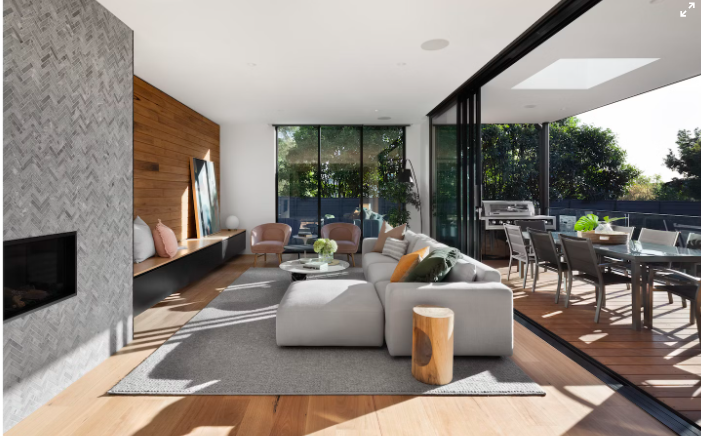
    In stark contrast, contemporary design embraces the ethos of modernity and simplicity. Clean lines, uncluttered spaces, and a focus on functionality define this style. Neutral color schemes, predominantly composed of whites, greys, and blacks, create an atmosphere of calm sophistication. Innovative materials such as glass, steel, and concrete redefine the boundaries of design. The essence of contemporary decor lies in its ability to adapt to the evolving needs of the modern lifestyle, making it a favored choice for urban dwellers.

    Harmonizing Classic and Contemporary

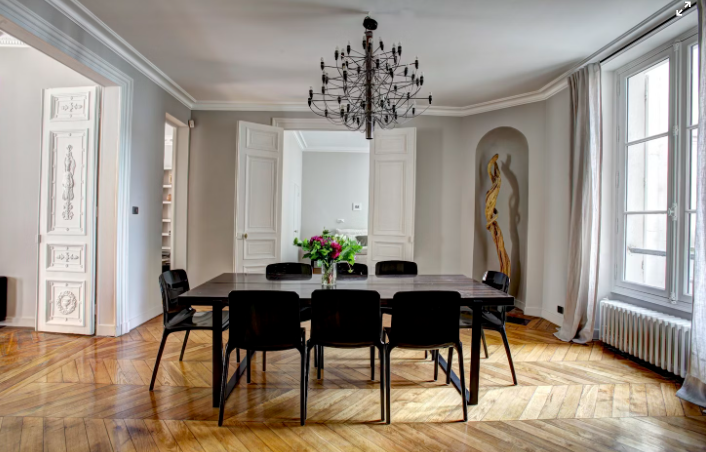
    Blending classic and contemporary decor might seem like an artistic tightrope walk, but the result can be breathtakingly beautiful. The key lies in striking the right balance between these two contrasting styles. Imagine a space where ornate chandeliers hang gracefully above sleek, minimalist furniture. It’s the interplay of opposites that creates a harmonious whole. Transitional pieces, acting as bridges between the two aesthetics, play a pivotal role in achieving this balance. These pieces offer a contemporary twist on classic designs or introduce subtle vintage elements into contemporary spaces.

    Creating a Seamless Transition

    Achieving a cohesive blend of classic and contemporary styles requires thoughtful planning and an eye for detail. To create a seamless transition, start by selecting a color palette that complements both aesthetics. Earthy tones can ground the space while allowing pops of vibrant color to make a statement. A consistent design theme, whether it’s a shared pattern or a recurring motif, ties the elements together. This theme acts as a unifying thread that guides the eye through the space, preventing any jarring contrasts.

    Furniture and Decor Accents

    Classic furniture can find a new home in modern settings, injecting character and history into the present. Imagine a Louis XVI chair upholstered in a modern, bold fabric—classic elegance meets contemporary flair. Modern art pieces, strategically placed within traditionally designed spaces, create intriguing juxtapositions. The key is to choose statement pieces that resonate with both styles, enhancing the narrative of the space.

    Playing with Textures and Materials

    Textures play a crucial role in bridging classic and contemporary styles. The marriage of different textures adds depth and visual interest to a room. The softness of an upholstered classic sofa can be balanced with the sleekness of a glass coffee table. Combining materials such as wood, glass, and metal enhances the interplay between classic warmth and contemporary coolness. From intricately patterned rugs to innovative finishes, textures create layers of complexity that make a space inviting and intriguing.

    Reviving Classic Architectural Features

    Classic architectural features are not confined to history books—they can be revitalized in modern interiors. Imagine a contemporary living room with crown moldings and a coffered ceiling, adding an air of sophistication. Arches and columns can frame spaces, lending them a sense of grandeur and drama. These architectural elements infuse character into otherwise minimalist settings, reminding us of the timeless elegance that endures through the ages.

    Case Studies: Successful Blends

    Real-life examples of successful blends between classic and contemporary decor inspire us to take design risks. Picture a heritage-listed building transformed into a luxurious modern home. The juxtaposition of centuries-old wooden beams against sleek, glass-paneled walls creates a captivating visual experience. Similarly, a mid-century modern house embraces classicism through the integration of antique furniture and ornate wallpapers. These case studies demonstrate how ingenuity can result in awe-inspiring interiors.

    The Timeless Appeal of Eclecticism

    As the line between classic and contemporary blurs, a new design philosophy emerges—eclecticism. This approach celebrates the uniqueness of individual spaces and the personal stories they tell. The intermingling of styles reflects the richness of human experiences. Eclectic design embraces the unexpected, allowing vintage and modern elements to coexist harmoniously. It’s an invitation to create spaces that reflect our diverse tastes and histories, resulting in interiors that are as multifaceted as we are.

    Aesthetics and Emotions

    Beyond the visual appeal, the fusion of classic and contemporary decor holds emotional resonance. Imagine a dining room where classic wooden furniture stands against a backdrop of sleek metal accents. The resulting atmosphere is one of intrigue and comfort, offering a sense of connection to both tradition and modernity. These spaces have the power to evoke emotions that range from nostalgia to awe, reminding us of the enduring relevance of classic aesthetics in a rapidly changing world.

    The Future of Interior Design

    As the design landscape continues to evolve, the trend of blending classic and contemporary decor shows no signs of fading. Homeowners are increasingly drawn to the idea of creating spaces that reflect their unique personalities while honoring the past. The fluidity of design styles allows for limitless creativity, inviting us to reimagine our living spaces as dynamic expressions of our values and aspirations. As technology advances and cultural influences expand, the fusion of classic and contemporary will continue to shape the future of interior design.

    Conclusion

    In the symphony of design, the harmonious blend of classic and contemporary decor produces a melody that resonates through time. The marriage of two seemingly disparate aesthetics results in interiors that captivate the senses and tell a story of continuity and change. Through careful curation, innovative pairings, and an eye for detail, homeowners have the opportunity to create spaces that bridge eras and evoke emotions. The perfect blend of classic and contemporary decor is an ode to the beauty of paradox, inviting us to reimagine the possibilities of design.

    FAQs (Frequently Asked Questions)

    1. Can I mix classic and contemporary decor in small spaces?
      • Absolutely! In fact, small spaces can benefit greatly from this blend, creating an illusion of more openness while maintaining charm.
    2. What are some examples of transitional furniture pieces?
      • Transitional pieces include modern sofas with classic button tufting or a contemporary dining table with traditional carved legs.
    3. How do I ensure a seamless transition between the two styles?
      • Choose a cohesive color palette, incorporate shared design motifs, and use consistent textures and materials throughout the space.
    4. Can I blend classic and contemporary styles in a minimalist design?
      • Yes, minimalist designs can benefit from the blend as well. A classic element can become a focal point in an otherwise sleek and simple space.
    5. What’s the future outlook for interior design trends?
      • The trend of blending styles is likely to continue as homeowners seek personalization and meaningful design in their living spaces. The future is about creating spaces that reflect individual stories and values.
  • Cozy Couture: The Rise of Hygge and Its Influence on Home Interiors

    Cozy Couture: The Rise of Hygge and Its Influence on Home Interiors

    Introduction

    In the world of interior design, a concept from Denmark has taken the realm of coziness by storm: hygge. Defined as a feeling of comfort and contentment through simple and meaningful experiences, hygge has transcended its Danish origins to influence homes across the globe. This article explores the rise of hygge and its profound impact on the way we perceive and design our living spaces.

    The Essence of Hygge

    At its core, hygge encapsulates the essence of creating an environment that nurtures well-being and emotional warmth. This Danish philosophy emphasizes the importance of savoring life’s small pleasures and cultivating a sense of harmony. Beyond material possessions, hygge prioritizes the emotional and psychological aspects of coziness, making it a holistic approach to interior design.

    Hygge in Home Interiors

    Infusing the principles of hygge into home interiors involves more than just arranging furniture—it’s about crafting an atmosphere that radiates comfort. Hygge spaces are characterized by their ability to evoke a feeling of relaxation and sanctuary. Natural materials like wood and stone play a pivotal role in establishing this ambiance, connecting occupants with the raw beauty of the world.

    Colors of Comfort

    The color palette of a hygge-inspired space is a reflection of nature’s serene hues. Earthy tones and soft neutrals dominate, fostering a soothing and tranquil backdrop. These colors, when paired with gentle lighting, create a cocooning effect that invites occupants to unwind and destress. Soft lamplight and strategically placed candles further enhance this enchanting atmosphere.

    Furniture and Layout

    Hygge’s minimalistic approach to furniture and layout prioritizes functionality and comfort. Clutter is eschewed in favor of clean lines and practical pieces that serve a purpose. Plush sofas and armchairs invite lounging, while open layouts encourage the flow of energy. The result is a space that’s both aesthetically pleasing and conducive to relaxation.

    Textiles and Textures

    Textiles play a pivotal role in layering hygge interiors with warmth and texture. Soft blankets, plump cushions, and plush rugs create a multi-sensory experience that stimulates both touch and sight. The tactile richness of these elements adds depth to the space, transforming it into a tactile haven that soothes the soul.

    Bringing Nature Indoors

    Embracing the natural world is a cornerstone of hygge design. Indoor plants and greenery not only contribute to improved air quality but also evoke a sense of tranquility. The connection with nature fosters a calm and rejuvenating environment, reminding occupants of the simple beauty that surrounds them.

    The Role of Lighting

    Lighting is an integral component of hygge interiors, setting the mood and tone of the space. Soft, warm lighting creates a cozy ambiance, reminiscent of the soft glow of dusk. Candles, a staple of hygge, add an intimate and ethereal touch, transforming any room into a sanctuary of tranquility.

    Personal Touches and Sentimentality

    Central to hygge is the idea of creating a space that feels uniquely personal. Displaying cherished items and mementos infuses the environment with sentimentality and nostalgia. Whether it’s a collection of family photographs or handmade crafts, these personal touches add depth and character to the space.

    Hygge Beyond Aesthetics

    Hygge extends beyond aesthetics, advocating for a slower and more mindful way of living. This philosophy encourages us to appreciate the present moment, fostering relaxation and stress relief. In a fast-paced world, hygge spaces serve as havens where one can escape the chaos and immerse themselves in tranquility.

    Influence on Modern Interior Design

    The influence of hygge on modern interior design trends is undeniable. Its emphasis on simplicity, functionality, and comfort has spurred a shift toward more holistic and sustainable design approaches. Urban spaces are now integrating hygge elements, creating pockets of serenity in bustling environments.

    Cultural Adaptation

    What makes hygge truly remarkable is its adaptability across cultures. From Scandinavian countries to far-reaching corners of the world, people are embracing hygge’s principles and weaving them into their own design traditions. This cultural adaptation is a testament to the universality of comfort and well-being.

    The Business of Coziness

    As with any popular trend, the commercialization of hygge in the realm of home decor has its challenges. Striking a balance between authenticity and consumerism is essential to preserve the true spirit of hygge. The market is flooded with products marketed as “hygge-inspired,” but discerning consumers seek out pieces that align with the philosophy’s genuine essence.

    Critique and Controversy

    While hygge offers a multitude of benefits, some critics argue that overly embracing its principles might compromise functionality. Striking the right balance between aesthetics and practicality is crucial to ensure that the cozy elements of hygge do not impede the functionality of a space. Additionally, concerns about cultural appropriation have sparked discussions about respectfully adopting hygge practices without disregarding their origins.

    Conclusion

    In a world that often feels chaotic and overwhelming, the rise of hygge speaks to our inherent need for comfort and connection. Its influence on home interiors has transformed the way we design our living spaces, focusing on creating havens of tranquility and well-being. As we continue to navigate the complexities of modern life, the timeless appeal of hygge serves as a gentle reminder to slow down, savor the moment, and find solace in the cozy embrace of our homes.

    FAQs (Frequently Asked Questions)

    1. Is hygge only about interior design? Hygge is more than just a design style; it’s a philosophy centered around coziness, mindfulness, and well-being. While it heavily influences interior design, its principles extend to various aspects of life.
    2. Can I incorporate hygge into a modern, minimalist space? Absolutely! Hygge can complement modern and minimalist aesthetics. Focus on incorporating natural textures, warm lighting, and comfortable elements to create a cozy oasis within the simplicity.
    3. Are there any specific cultural considerations when adopting hygge? When embracing hygge in a different cultural context, it’s important to do so with respect for its origins. Adapt the principles while honoring the spirit of coziness and connection.
    4. How can I avoid over-commercialization of hygge in my home? Look for authentic and meaningful pieces that align with the essence of hygge. Choose quality over quantity and opt for items that genuinely enhance the comfort and ambiance of your space.
    5. Is hygge suitable for all seasons? While hygge is often associated with colder months, its principles can be adapted for any season. In warmer weather, focus on creating a serene and inviting environment that fosters relaxation and connection.
  • Bold Statements: Incorporating Statement Pieces into Your Home’s Aesthetic

    Bold Statements: Incorporating Statement Pieces into Your Home’s Aesthetic

    Introduction

    Your home is more than just a collection of furniture; it’s a canvas for self-expression, and every piece you choose plays a part in creating the aesthetic tapestry that represents you. Incorporating statement pieces into your home’s design can elevate its appeal, adding depth and personality to your living spaces. From daring sculptures to vibrant furnishings, bold statements can transform a mundane room into a mesmerizing haven. In this article, we delve into the art of integrating these statement pieces seamlessly, offering insights into how to make your home truly unforgettable.

    The Power of Bold Statements

    A well-placed statement piece can instantly capture attention and set the tone for an entire room. It serves as a conversation starter, an expression of your taste and style, and an anchor for the room’s overall design. Whether it’s a distinctive art installation or an intricately designed piece of furniture, the power of bold statements lies in their ability to evoke emotion and create a lasting impression.

    Choosing the Right Statement Pieces

    Reflecting Your Personality When selecting statement pieces, consider what resonates with you. Your home should reflect your personality and values, so opt for items that speak to you on a personal level. Whether it’s a vintage leather armchair or a contemporary metal sculpture, the piece should resonate with your sensibilities.

    Complementing Your Existing Decor While statement pieces should stand out, they shouldn’t clash with your existing decor. Harmonize the new additions with your current furnishings, ensuring they enhance the overall ambiance rather than disrupt it.

    Balancing Boldness and Sophistication Striking a balance between boldness and sophistication is key. An overly ostentatious piece might overwhelm the space, while one that’s too understated could lose its impact. Seek items that make a statement without sacrificing elegance.

    Placing Statement Pieces Strategically

    Focal Points and Visual Hierarchy Identify the focal points of each room and strategically place statement pieces there. These pieces guide the visual hierarchy of the space, guiding the eye to the most captivating elements.

    Mixing and Matching Styles Don’t be afraid to mix different styles. Contrast can be visually appealing, creating a dynamic atmosphere that showcases your eclectic taste.

    Colors and Materials Matter

    Commanding Attention with Colors Vibrant colors command attention. Consider the color scheme of your room and choose statement pieces that either harmonize or contrast, creating a visually stunning effect.

    Playing with Diverse Materials Explore diverse materials such as glass, metal, wood, and textiles. The juxtaposition of materials adds texture and depth to the room’s aesthetic.

    Statement Art: More Than Just Paintings

    Sculptures and 3D Artworks Statement pieces aren’t limited to paintings. Sculptures and 3D artworks provide a multi-dimensional appeal that engages onlookers from all angles.

    Art Installations for Wow Factor Installations can transform entire rooms. Imagine a cascading chandelier or a series of suspended plants – these installations redefine space.

    Lighting with a Bold Embrace

    Lighting isn’t just functional; it’s also an opportunity for boldness. Choose chandeliers, floor lamps, or wall sconces that double as art pieces, illuminating your design intentions.

    Making a Bold Bedroom Statement

    Grand Headboards for Luxurious Rest In the bedroom, a grand headboard can be the centerpiece. Upholstered or intricately carved, it adds a touch of luxury.

    Bedding that Speaks Boldly Bedding isn’t merely for comfort; it’s a canvas for creativity. Opt for bold patterns and textures that demand attention.

    Bathrooms Beyond Basic

    Striking Sinks and Vanities Bathrooms deserve attention too. Invest in striking sinks and vanities that turn functional spaces into artistic oases.

    Lavish Bathtubs for Opulence Upgrade your bathing experience with a lavish bathtub. Its presence elevates the room into a spa-like retreat.

    Outdoor Spaces with Panache

    Garden Sculptures and Features Extend your home’s aesthetic to the outdoors. Garden sculptures and features add intrigue and whimsy to your outdoor spaces.

    Bold Furniture for Alfresco Charm Outdoor furniture doesn’t have to be bland. Opt for bold colors and designs that make your patio or garden a stylish extension of your home.

    The Art of Mixing Patterns

    Mixing patterns requires finesse. Start with a dominant pattern, followed by smaller ones that complement it. The result is a visually rich and inviting space.

    Minimalism Meets Statement

    Even in minimalist spaces, a single statement piece can shine. Its contrast to the simplicity around it creates a captivating focal point.

    Conclusion

    Incorporating bold statement pieces into your home’s aesthetic is an art that involves striking a balance between personal expression, sophistication, and visual impact. These pieces breathe life into your spaces, infusing them with character and charm. Remember, each statement piece you choose is a brushstroke on the canvas of your home’s story.

    FAQs

    1. How do I choose a statement piece that suits my style? Choosing a statement piece involves aligning it with your personal tastes and the existing decor’s theme.
    2. Can I mix bold patterns without overwhelming the room? Absolutely. Start with a dominant pattern and complement it with smaller patterns to achieve a harmonious mix.
    3. Are there statement pieces suitable for small living spaces? Yes, opt for smaller statement pieces like unique side tables or wall art that can command attention without overcrowding the space.
    4. Where can I find one-of-a-kind statement pieces? Explore antique shops, art galleries, and online platforms that curate distinctive home furnishings and decor.
    5. What’s the best way to illuminate statement pieces at night? Strategic lighting, such as spotlights or adjustable fixtures, can highlight your statement pieces while maintaining the overall ambiance.
  • Retro Revival: How Vintage Styles Are Making a Comeback in Modern Homes

    Retro Revival: How Vintage Styles Are Making a Comeback in Modern Homes

    In the fast-paced world of interior design, where trends come and go, there’s a surprising and delightful resurgence happening – the return of vintage aesthetics. Retro styles are making a remarkable comeback in modern homes, captivating homeowners with their nostalgic charm and timeless allure. This article explores the reasons behind this trend, the key elements of retro design, and how to seamlessly integrate vintage touches into contemporary living spaces.

    The Allure of Vintage Aesthetics

    Embracing Nostalgia: The Pull of the Past

    Nostalgia has an undeniable power to evoke emotions and transport us to simpler times. With the constant hustle of today’s world, many individuals are seeking solace in the familiar aesthetics of the past. Vintage styles evoke cherished memories, providing a sense of comfort and belonging.

    Timeless Elegance: The Charm of Vintage Designs

    Vintage designs possess an enduring charm that transcends eras. Their elegance lies in their simplicity and attention to detail. Whether it’s the intricate craftsmanship of mid-century furniture or the delicate motifs of Victorian decor, these designs exude a sense of luxury that modern aesthetics often strive to replicate.

    Key Elements of Retro Design

    Furniture and Decor Choices

    Retro design embraces a wide spectrum of styles, from the bold lines of the Art Deco period to the earthy tones of the 1970s. Homeowners are now opting for carefully curated vintage furniture pieces that serve as both functional items and exquisite works of art.

    Color Palettes: Bold and Subdued

    Colors play a pivotal role in retro design. The bold and vibrant color palettes of the 1960s and 1970s infuse spaces with energy and character, while the subdued hues of the 1920s and 1930s evoke a sense of sophistication and tranquility.

    Patterns and Textures

    Retro design is synonymous with unique patterns and textures. Geometric shapes, floral prints, and textured fabrics contribute to the distinct visual appeal of vintage aesthetics. These elements create depth and visual interest in modern interiors.

    Blending the Old with the New

    Creating a Harmonious Fusion

    The art of incorporating vintage styles into modern homes lies in achieving a harmonious balance. Contrasting the clean lines of contemporary design with the ornate details of vintage pieces creates a captivating juxtaposition that captures attention.

    Technological Integration: A Modern Twist

    While the aesthetics are vintage, the technology doesn’t have to be. Homeowners are seamlessly integrating smart technology into their vintage-inspired spaces, achieving a blend of the past and present that enhances both comfort and functionality.

    Revamping Spaces with Vintage Touches

    Living Rooms: Classic Comfort

    Living rooms are the perfect canvas for retro design. Plush sofas with curved silhouettes, retro-inspired lighting fixtures, and carefully chosen decor items infuse the space with a sense of classic comfort.

    Kitchen and Dining Areas: Functional Nostalgia

    Kitchens and dining areas are embracing the practical elegance of yesteryears. Pastel-colored appliances, retro-patterned tiles, and vintage-inspired dining sets create a charming atmosphere that brings back the joy of simple meals shared with loved ones.

    Bedrooms: Cozy Retreats

    Vintage bedrooms offer a retreat from the modern world. Four-poster beds, vintage vanities, and ornate mirrors transport individuals to a bygone era, fostering a sense of serenity and relaxation.

    Sustainability and Eco-Friendly Benefits

    The resurgence of vintage design isn’t just about aesthetics – it’s also aligned with sustainability efforts. Upcycling and repurposing vintage furniture not only reduce waste but also bring a unique character to spaces that mass-produced items can’t replicate.

    Challenges of Incorporating Vintage Styles

    Avoiding Clutter: Selective Choices

    While vintage pieces add character, overloading a space with them can lead to visual chaos. Selective choices and thoughtful placement ensure that each piece shines without overwhelming the overall design.

    Balancing Vintage with Contemporary

    Achieving a balance between vintage and contemporary elements is key to preventing a space from feeling outdated. Combining modern artwork, lighting, and textiles with vintage furniture creates a cohesive and engaging atmosphere.

    The Psychology Behind the Trend

    The resurgence of vintage styles can be attributed to our innate desire for connection and authenticity in a digitally saturated world. Vintage aesthetics offer a tangible link to the past, grounding us in a reality that feels more tangible than pixels on a screen.

    Future Prospects of Vintage in Modern Homes

    The vintage revival is not just a passing trend; it’s a movement that continues to gain momentum. As individuals seek to create homes that reflect their unique personalities and values, the enduring appeal of vintage aesthetics is poised to shape the future of interior design.

    Conclusion

    In an era of rapid change, the return of vintage styles to modern homes offers a comforting reminder of the beauty and timelessness of the past. The blend of nostalgia and contemporary functionality creates spaces that are not only visually appealing but also emotionally resonant. By carefully selecting and integrating vintage elements, homeowners can embark on a journey of creating living spaces that stand as a testament to the enduring charm of retro design.

    FAQs

    1. Are vintage styles limited to specific eras? Vintage styles encompass a wide range of eras, from the Art Deco period to the 1980s. The choice depends on personal preferences and the desired atmosphere.
    2. How can I prevent my space from feeling outdated? Balancing vintage elements with modern touches is key. Incorporate contemporary artwork, technology, and textiles to keep the overall design fresh.
    3. Is vintage furniture eco-friendly? Yes, using vintage furniture promotes sustainability by reducing the demand for new production. It’s a responsible way to furnish your home.
    4. Can I mix different vintage styles in one room? Mixing vintage styles can add depth and character to a room. However, it’s important to ensure a cohesive theme and color palette.
    5. What’s driving the resurgence of vintage aesthetics? In a digital age, people crave authenticity and a sense of connection. Vintage aesthetics provide a tangible link to the past, offering comfort and familiarity.
  • Minimalism Reimagined: The New Wave of Embracing Simplicity

    Minimalism Reimagined: The New Wave of Embracing Simplicity

    In a world saturated with stimuli and complexities, there’s a growing yearning for a simpler, more meaningful way of life. This yearning has ignited a renewed interest in minimalism—an age-old concept that is now experiencing a captivating renaissance. From decluttering closets to simplifying digital spaces, the new wave of embracing simplicity goes beyond the traditional ideals, shaping a lifestyle that aligns with modern sensibilities.

    Traditional Minimalism: A Brief Overview

    The roots of minimalism trace back to ancient philosophies that prized essentiality and advocated for a life stripped of excess. Traditional minimalism, as popularized in recent decades, emphasized reducing physical possessions to only what is essential. This approach aimed to cultivate a sense of freedom by unburdening individuals from the weight of materialism. While the principles of decluttering and intentional living remain relevant, the landscape of minimalism has evolved significantly.

    The Evolution of Minimalism

    Modern minimalism extends beyond the physical realm, recognizing that possessions are just one layer of a more intricate tapestry. This evolution has brought about a focus on mental and emotional decluttering—a process of freeing oneself from negative thoughts, toxic relationships, and emotional baggage. Additionally, the digital age has given rise to the necessity of digital minimalism, where the goal is to strike a harmonious balance between technology and well-being.

    Embracing Simplicity in Design and Architecture

    Minimalism’s influence extends far beyond personal spaces—it has revolutionized design and architecture. Characterized by clean lines, open spaces, and an emphasis on functionality, minimalist design marries aesthetics with practicality. Architectural wonders like the works of Frank Lloyd Wright and the minimalist chic of Scandinavian design showcase the enduring appeal of this aesthetic.

    Minimalism in Lifestyle and Well-being

    At its core, minimalism is not just about what you have, but how you experience life. The intentional living that minimalism advocates for is a catalyst for improved mental well-being. By embracing fewer material possessions and valuing experiences, individuals discover a newfound sense of contentment and freedom from the consumerist treadmill.

    Digital Minimalism: Finding Balance in a Hyperconnected World

    In an era dominated by screens and constant notifications, digital minimalism is a lifeline for maintaining focus and presence. Striving for a digital detox and curating online interactions can help regain control over our virtual lives. By thoughtfully curating digital spaces and prioritizing offline experiences, the new wave of minimalists navigates the digital landscape mindfully.

    Minimalism in Fashion and Wardrobe

    The fashion industry, too, has felt the winds of minimalism. The concept of a capsule wardrobe—comprising versatile, high-quality pieces—has gained traction. This approach fosters conscious consumption, reduces waste, and simplifies the daily decision-making process. Minimalist fashion transcends trends, advocating for enduring style over fleeting fads.

    Workplace Minimalism: Enhancing Focus and Productivity

    Applying minimalism to the workplace transcends aesthetics—it’s a strategy for boosting focus and productivity. A clutter-free workspace minimizes distractions and provides room for creative thinking. By streamlining tasks and decluttering digital spaces, professionals can achieve a balance between efficiency and innovation.

    Minimalism in Relationships and Social Connections

    Minimalism’s essence seeps into our interactions and relationships. The focus shifts from accumulating friends to nurturing genuine connections. Prioritizing quality over quantity in friendships leads to more meaningful and fulfilling relationships. By embracing minimalism in our social lives, we foster deeper connections that enrich our journey.

    Sustainability and Minimalism: A Natural Synergy

    Minimalism and sustainability are kindred spirits on a mission to reduce waste and mindless consumption. Embracing simplicity often translates to making more conscious choices—buying fewer items but of higher quality, reducing environmental impact. The synergy between these two movements amplifies their impact, contributing to a healthier planet.

    Criticisms and Misconceptions of Minimalism

    As with any movement, minimalism has faced its share of criticisms. Some argue it’s a privilege limited to those who can afford it or that it stifles creativity. However, these criticisms fail to acknowledge the versatility and inclusivity of the new wave of minimalism. It’s not about deprivation, but about choosing what truly matters.

    The New Wave of Embracing Simplicity

    The minimalist landscape is evolving into a new wave that embraces individuality and functionality. It recognizes that minimalism is not a one-size-fits-all approach but a canvas for personal expression. This wave encourages people to infuse their values and passions into their minimalist journey, creating a tapestry that’s uniquely theirs.

    Incorporating Minimalism: Practical Steps

    Embarking on a minimalist journey might seem daunting, but it’s a gradual process. Begin with decluttering physical spaces, then delve into decluttering your digital life and mind. It’s about making deliberate choices aligned with your values, whether it’s curating your wardrobe or simplifying your daily routine.

    Future Outlook: Minimalism as a Lifestyle Choice

    The future of minimalism holds promise as it intersects with various societal and environmental challenges. Its principles—simplicity, intentionality, sustainability—are more relevant than ever. As we grapple with the complexities of our world, minimalism offers a roadmap to a life of clarity and purpose.

    Conclusion

    In the tapestry of life, minimalism weaves a thread of purpose and simplicity. The new wave of embracing simplicity encourages us to shed the unnecessary, be it material possessions, emotional baggage, or digital clutter. Through intentional choices, mindful connections, and a sense of individuality, we shape a life that’s both meaningful and beautifully uncomplicated.

    FAQs About Embracing Minimalism

    1. Is minimalism only about owning fewer things? No, minimalism extends beyond possessions. It encompasses decluttering physical spaces, simplifying digital life, and fostering meaningful connections.
    2. Can I embrace minimalism without sacrificing my personal style? Absolutely! The new wave of minimalism values individuality. It’s about aligning your possessions and spaces with your unique taste and values.
    3. Is minimalism a rigid lifestyle? Not anymore. The new wave embraces flexibility. It’s about choosing what adds value to your life and letting go of what doesn’t, without rigid rules.
    4. How does minimalism relate to sustainability? Minimalism and sustainability go hand in hand. By reducing consumption, you contribute to less waste and a more eco-friendly lifestyle.
    5. Can I be a digital minimalist while staying connected? Yes, digital minimalism emphasizes mindful use of technology, not complete disconnection. It’s about finding a healthy balance in a hyperconnected world.