Category: Room Makeovers

  • Kids’ Room Makeovers: Fun and Functional Designs
    Kids’ Room Makeovers: Fun and Functional Designs

    Why a Makeover? The Importance of Kids’ Spaces

    Kids’ rooms are more than just a place to sleep; they’re a space for imagination, play, and growth. A well-designed room can significantly impact a child’s mood and creativity. Why not give them a fun and functional environment that inspires their adventures?

    Planning the Perfect Kids’ Room

    Before diving into colors and furniture, let’s plan. A successful makeover starts with understanding the space and needs.

    Assessing the Space

    Take a good look around. Measure the room to know what fits. Do you have a small nook or a spacious area? Knowing your space helps you envision the layout.

    Setting a Budget

    What’s your budget? Make sure to allocate funds for essential items first, then splurge on the fun stuff. Planning helps avoid overspending and keeps the project on track.

    Design Themes for Kids’ Rooms

    Choosing a theme can simplify decisions. Here are some ideas to spark creativity!

    Whimsical Wonderland

    Think fairy tales and magic. Use soft pastels and fun patterns. A canopy bed can transform the space into a dreamy retreat.

    Adventure Awaits

    Is your kid an explorer? Create a jungle, outer space, or underwater theme. Wall murals and themed bedding can make them feel like they’re on a thrilling expedition.

    Creative Spaces

    Encourage creativity with a DIY art corner. Use a chalkboard wall for constant inspiration and let kids decorate their space with their art.

    Functional Furniture Choices

    Functional doesn’t mean boring. Let’s explore some furniture options that blend utility with style.

    Storage Solutions

    Kids have a lot of stuff! Invest in colorful bins, bookshelves, and under-bed storage. Teaching them to organize can make cleanup fun.

    Multipurpose Furniture

    Consider furniture that serves multiple purposes. A bed with drawers or a desk that converts into a play table can save space and add flexibility.

    Decorative Elements to Consider

    Decor plays a significant role in setting the room’s tone.

    Wall Art and Decals

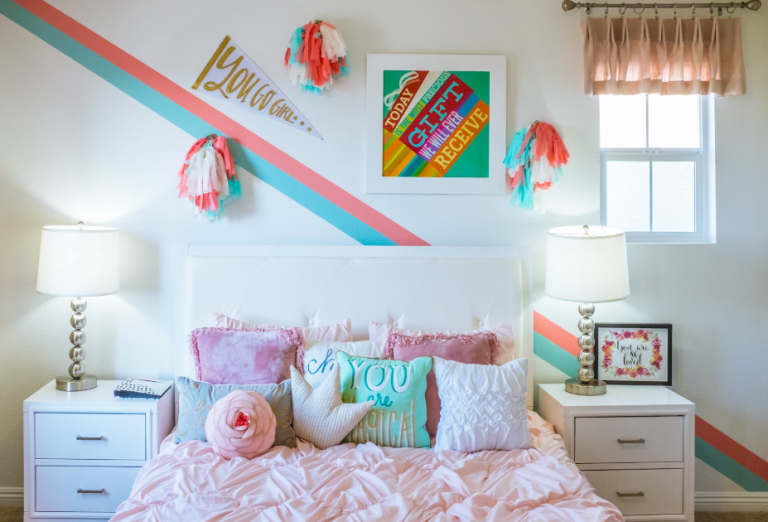
    Incorporate fun wall art or removable decals that reflect your child’s interests. Change them easily as their tastes evolve!

    Textiles and Accessories

    Soft rugs, colorful curtains, and playful cushions can tie the room together. They add comfort while expressing your child’s personality.

    Incorporating Play into Design

    Why not design the room with play in mind? Add a small play tent, a reading nook, or a small climbing wall if space allows. Encourage active play to promote physical development.

    Safety Considerations

    Safety is paramount. Secure furniture to walls, choose non-toxic paints, and ensure that toys and decor are age-appropriate. A safe environment allows kids to explore without worry.

    Final Touches: Personalizing the Space

    Let your child have a say in their room. Encourage them to pick colors, decor, or themes that reflect their personality. It makes the space feel truly theirs.

    Conclusion

    A kids’ room makeover is a fun project that combines creativity with practicality. By considering the child’s needs and preferences, you can create a vibrant, functional space that fosters imagination and growth. Ready to transform that space? Let the fun begin!

    FAQs

    1. What’s the best age to start a kids’ room makeover?
      • Any age! Tailor the design to their developmental stage and interests.
    2. How can I incorporate storage without sacrificing style?
      • Use stylish baskets and multifunctional furniture to keep things organized.
    3. What colors are best for a kids’ room?
      • Bright, cheerful colors stimulate creativity, while softer tones can create a calming environment.
    4. How often should I update a kids’ room?
      • Every few years or when your child shows a shift in interests or needs.
    5. What are some budget-friendly makeover ideas?
      • DIY projects, upcycling furniture, and incorporating second-hand finds can keep costs down.
  • Home Office Transformation: Creating a Productive Workspace

    Home Office Transformation: Creating a Productive Workspace

    Introduction

    In today’s fast-paced world, more and more people are opting to work from home. Whether it’s full-time remote work or occasional home office days, creating an efficient workspace is essential. This article will explore how to transform your home office to enhance productivity and comfort.

    Understanding the Importance of a Home Office

    The Shift to Remote Work

    In recent years, the rise of remote work has changed how we approach our jobs. Studies show that many people find a dedicated workspace significantly boosts their productivity and focus. This isn’t just a trend; it’s a reflection of modern life.

    Benefits of a Dedicated Workspace

    Having a dedicated office space helps draw a line between work and personal life, reducing distractions and improving efficiency. A focused environment makes it easier to enter “work mode” and minimizes interruptions from household chores.

    Key Elements of a Productive Workspace

    Ergonomic Furniture Choices

    Choosing ergonomic furniture is the first step to enhancing comfort while you work. Proper furniture can reduce fatigue and keep you in good shape during long hours of work.

    Desks That Work for You

    A suitable desk should meet your space requirements and consider height, width, and storage features. A sit-stand desk is an excellent option, allowing you to switch between sitting and standing.

    The Right Chair for Comfort

    Selecting a chair that provides proper support is crucial. The chair’s height, armrests, and back angle directly affect your comfort and work efficiency. Be sure to try out a few different options to find the one that suits you best.

    Optimal Lighting Solutions

    Good lighting can greatly enhance your working atmosphere. Natural light is ideal, but if that’s lacking, consider using soft artificial light to reduce eye strain.

    Effective Storage Solutions

    A tidy workspace allows you to focus better on your tasks. Use storage boxes, shelves, and folders to keep your desk organized, ensuring that you can easily find what you need.

    Designing Your Workspace

    Personalization for Inspiration

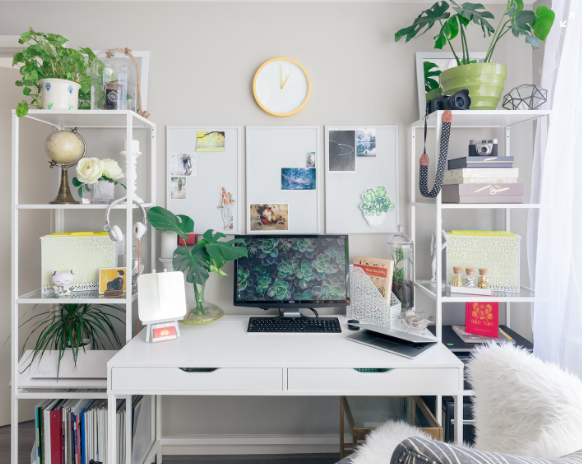
    When designing your workspace, don’t hesitate to add personal touches. Whether it’s family photos, artwork, or plants, these elements can uplift your mood and inspire creativity.

    Layout and Organization Tips

    Zoning Your Space

    Create zones to differentiate between work and relaxation areas. Separating your workspace from your leisure zone can help you stay focused while working and relax more effectively during breaks.

    Decluttering Strategies

    Regularly clearing out your workspace and discarding unnecessary items can keep your environment fresh and flexible. Consider doing a mini-cleanup weekly to maintain order.

    Technology That Enhances Productivity

    Essential Tools and Software

    Modern technology offers immense convenience for our work. Appropriate software can help you manage your time and tasks more effectively, such as using calendar tools and to-do list apps.

    The Role of Connectivity

    When working from home, ensuring a good internet connection is vital. Use high-speed internet and suitable devices to keep your work running smoothly and minimize technical disruptions.

    Maintaining Work-Life Balance

    Balancing work and life is a significant challenge when working from home. Set clear working hours and stick to your schedule to ensure you have enough time to unwind after work.

    Conclusion

    In summary, transforming your home office not only boosts productivity but also enhances your overall quality of life. By choosing the right furniture, optimizing your space layout, and utilizing modern technology, you can create a workspace that is both comfortable and efficient.

    FAQs

    How can I make my home office more comfortable?

    Choose ergonomic furniture, ensure good lighting and ventilation, and take regular breaks to enhance your home office comfort.

    What are some budget-friendly office upgrades?

    Consider using second-hand furniture, DIY decor, or making small-scale renovations as cost-effective upgrade options.

    How do I stay motivated while working from home?

    Set clear goals and plans, maintain a regular schedule, and reward yourself at intervals to help keep your motivation high.

    What should I include in my home office setup?

    Besides basic furniture, suitable tech equipment, storage solutions, and personalized decor are essential elements for an ideal home office.

    How can I organize my workspace effectively?

    Regularly tidy and organize your supplies, and allocate storage space wisely to enhance efficiency and keep your work environment neat.

  • Home Gym Equipment Review: Staying Fit at Your Fingertips

    Home Gym Equipment Review: Staying Fit at Your Fingertips

    In today’s fast-paced world, finding time to hit the gym can be challenging. However, with the rise of home gym equipment, staying fit has never been more convenient. In this article, we’ll explore the top home gym equipment options to help you stay in shape without leaving the comfort of your home.

    Treadmills

    Treadmills are a popular choice for home gyms due to their versatility and ease of use. There are several types of treadmills available, including manual, motorized, and incline treadmills. Manual treadmills are budget-friendly and great for beginners, while motorized treadmills offer more advanced features such as preset workouts and incline settings.

    Exercise Bikes

    Exercise bikes are another excellent choice for home gyms. They provide a low-impact cardiovascular workout and come in various types, including upright, recumbent, and indoor cycling bikes. Upright bikes are compact and great for beginners, while recumbent bikes offer additional back support and are ideal for those with back issues.

    Rowing Machines

    Rowing machines provide a full-body workout and are perfect for improving cardiovascular health and muscle tone. They come in different models, including air, magnetic, and water rowers. Air rowers are popular for their smooth rowing motion and adjustable resistance levels, making them suitable for users of all fitness levels.

    Strength Training Equipment

    Strength training is an essential component of any fitness routine. Home gym equipment for strength training includes dumbbells, kettlebells, and resistance bands. These items are versatile, compact, and effective for building muscle and improving overall strength.

    Yoga and Pilates Equipment

    Yoga and Pilates are great for improving flexibility, balance, and core strength. Essential equipment for these practices includes yoga mats, blocks, straps, and Pilates reformers. These items are affordable and easy to incorporate into your home gym setup.

    Accessories

    Accessories such as gym flooring, mirrors, and storage solutions can enhance your home gym experience. Gym flooring provides cushioning and protects your floors from damage. Mirrors help you maintain proper form during workouts, while storage solutions keep your equipment organized and easily accessible.

    Setting Up Your Home Gym

    When setting up your home gym, consider the space available and your budget. Start with basic equipment and gradually add more as your fitness level improves. Optimize space by using multi-functional equipment and storing items vertically to maximize floor space.

    Maintenance and Care

    To ensure your home gym equipment lasts long, it’s essential to maintain and care for it properly. Clean your equipment regularly and lubricate moving parts as needed. Follow the manufacturer’s guidelines for maintenance and avoid overuse to prevent premature wear and tear.

    Conclusion

    Building a home gym is a great investment in your health and well-being. With the right equipment and setup, you can enjoy a convenient and effective workout experience without the hassle of going to the gym. Start building your home gym today and take the first step towards a healthier lifestyle.

    FAQs

    1. Q: Can I lose weight with home gym equipment?
      • A: Yes, home gym equipment can help you lose weight by providing a convenient way to exercise regularly.
    2. Q: What is the best home gym equipment for beginners?
      • A: For beginners, we recommend starting with basic equipment like dumbbells, resistance bands, and an exercise mat.
    3. Q: How much space do I need for a home gym?
      • A: The amount of space you need depends on the equipment you plan to use. A small corner or spare room can be enough for a basic setup.
    4. Q: Are home gym equipment warranties important?
      • A: Yes, warranties can protect your investment and provide peace of mind in case of equipment malfunction or damage.
    5. Q: Can I build muscle with home gym equipment?
      • A: Yes, strength training equipment like dumbbells and resistance bands can help you build muscle when used regularly and correctly.
  • A Fresh Start: Dining Room Makeover Inspirations

    A Fresh Start: Dining Room Makeover Inspirations

    The dining room, often considered the heart of the home, holds significant importance in our daily lives. It’s where families gather to share meals, where friends come together for celebrations, and where memories are created. Therefore, it’s only natural to want this space to be inviting, comfortable, and reflective of your personal style. In this article, we’ll explore various inspirations and ideas for giving your dining room a fresh start through a makeover.

    Assessment of Current Dining Room

    Before diving into the makeover process, it’s essential to take stock of your current dining room setup. Evaluate the layout, furniture, decor, and overall ambiance. Identify what is working well and what needs improvement. This assessment will serve as the foundation for planning your makeover journey.

    Setting Goals

    Once you’ve assessed your dining room’s current state, it’s time to set clear goals for the makeover. Consider what you want to achieve with the transformation. Are you aiming for a more modern look, a cozy atmosphere, or perhaps a blend of both? Define your objectives to guide your decision-making process throughout the makeover.

    Color Scheme Selection

    One of the most impactful aspects of a dining room makeover is the choice of color scheme. Whether you prefer bold and vibrant hues or subtle and soothing tones, selecting the right colors can set the tone for the entire space. Consider factors such as natural light, room size, and existing decor when choosing your color palette.

    Furniture and Layout

    The furniture arrangement plays a crucial role in the functionality and aesthetics of your dining room. Selecting the appropriate dining table, chairs, and additional furniture pieces can maximize space usage and enhance comfort. Experiment with different layout options to find the most suitable arrangement for your needs.

    Lighting Solutions

    Proper lighting can transform the ambiance of your dining room. Incorporate a combination of overhead fixtures, pendant lights, and wall sconces to create layers of light that complement various activities, such as dining, entertaining, or relaxing. Choose fixtures that not only illuminate the space but also add visual interest and style.

    Wall Decor and Artwork

    Personalize your dining room with carefully curated wall decor and artwork. Whether it’s a statement mirror, a gallery wall of family photos, or a captivating piece of art, adding decorative elements to your walls can inject personality and charm into the space. Get creative and showcase your unique taste and style.

    Textiles and Accessories

    Enhance the comfort and visual appeal of your dining room with textiles and accessories. Soften hard surfaces with plush rugs, decorative cushions, and elegant table linens. Incorporate accessories such as candleholders, vases, and table centerpieces to add layers of texture and interest to the room.

    Greenery and Plants

    Bring the beauty of the outdoors inside by incorporating greenery and plants into your dining room decor. Whether it’s a lush potted plant, a stylish terrarium, or a simple bouquet of fresh flowers, adding green elements can breathe life and freshness into the space. Plus, plants have the added benefit of purifying the air and promoting a sense of well-being.

    Budget-Friendly Tips

    Renovating your dining room doesn’t have to break the bank. Explore budget-friendly options such as thrift store finds, DIY projects, and repurposed furniture to achieve a stylish look without overspending. Get creative with inexpensive materials and resources to stretch your budget further while still achieving impressive results.

    DIY Ideas

    Inject your personal touch into the dining room makeover with DIY projects. From painting furniture to crafting custom artwork, there are countless ways to add unique and meaningful elements to your space. Get inspired by online tutorials, home improvement books, and your own imagination to create one-of-a-kind decor pieces.

    Professional Help

    While DIY projects can be fun and rewarding, sometimes it’s best to enlist the help of a professional. Consider hiring an interior designer or decorator to assist with planning, sourcing, and executing your dining room makeover. A professional can offer expert advice, creative solutions, and access to exclusive resources to ensure your vision is realized to its fullest potential.

    Maintenance and Upkeep

    Once your dining room makeover is complete, it’s essential to maintain the newly renovated space for long-lasting enjoyment. Establish a regular cleaning and maintenance routine to keep furniture, decor, and accessories in pristine condition. Address any issues promptly to prevent minor problems from escalating into larger ones.

    Before and After Showcase

    To inspire and motivate others embarking on their dining room makeover journey, consider sharing before and after photos of your own transformation. Highlight the dramatic changes and thoughtful design choices that have revitalized your space. Your showcase can serve as a source of inspiration and encouragement for fellow home enthusiasts.

    Conclusion

    A dining room makeover is an exciting opportunity to breathe new life into one of the most cherished spaces in your home. By assessing your current setup, setting clear goals, and exploring creative inspirations, you can create a dining room that reflects your style, enhances functionality, and fosters memorable gatherings for years to come.

    FAQs:

    1. How much does a dining room makeover typically cost? A: The cost of a dining room makeover can vary significantly depending on factors such as the extent of renovations, the quality of materials used, and whether you hire professional help. Budget-friendly options and DIY projects can help keep costs down.

    2. How long does it take to complete a dining room makeover? A: The duration of a dining room makeover depends on the scope of work involved, as well as factors such as availability of materials, scheduling of contractors, and unforeseen complications. A simple makeover may take a few days to a week, while more extensive renovations could take several weeks or even months.

    3. Do I need to hire a professional for my dining room makeover? A: While DIY projects can be rewarding, hiring a professional designer or decorator can provide expertise, creative insight, and access to resources that may not be available otherwise. Consider your budget, timeline, and desired outcome when deciding whether to enlist professional help.

    4. How can I incorporate sustainability into my dining room makeover? A: To make your dining room makeover more sustainable, consider using eco-friendly materials, repurposing existing furniture, and choosing energy-efficient lighting fixtures. Additionally, opt for products with minimal packaging and look for opportunities to reduce waste throughout the renovation process.

    5. What are some trends in dining room makeovers for the current year? A: Popular trends in dining room makeovers for the current year include mixing different design styles, incorporating natural elements such as wood and stone, and embracing bold colors and patterns. Additionally, multifunctional furniture and flexible layout options are gaining popularity for their versatility and practicality.

  • Bathroom Renovation Guide: From Dull to Dazzling

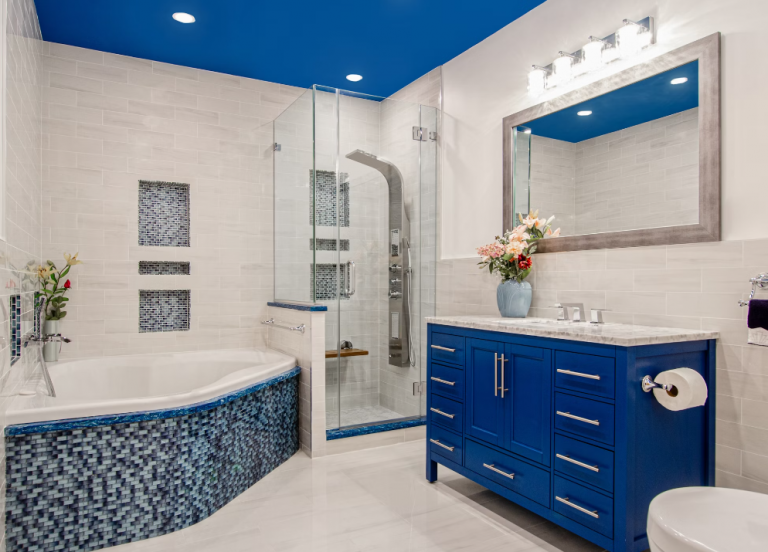
    Bathroom Renovation Guide: From Dull to Dazzling

    Renovating a bathroom is more than just updating the aesthetics; it’s about transforming a functional space into a haven of relaxation and rejuvenation. In this comprehensive guide, we’ll delve into the intricacies of bathroom renovation, providing you with expert advice to turn your dull bathroom into a dazzling oasis.

    Assessment and Planning

    Before diving into the renovation process, it’s crucial to assess the current state of your bathroom and define your renovation goals. Take note of any structural issues, outdated fixtures, or layout inefficiencies that need addressing. Setting a realistic budget is also essential to ensure that your renovation project stays on track financially.

    Design Inspiration

    Gather inspiration from various sources such as interior design magazines, online platforms, and home improvement shows. Explore different design trends and tailor them to suit your personal style and preferences. Whether you prefer a minimalist spa-like retreat or a bold and vibrant aesthetic, let your creativity flow.

    Choosing the Right Fixtures and Materials

    Selecting high-quality fixtures and materials is paramount to the success of your renovation project. Opt for durable and stylish fixtures that can withstand the test of time. When choosing materials for flooring, walls, and countertops, consider factors such as durability, maintenance requirements, and eco-friendliness.

    Layout and Space Optimization

    Maximizing space utilization is key, especially in smaller bathrooms. Strategically placing fixtures and incorporating smart storage solutions can help create a more functional and visually appealing space. Consider accessibility features such as grab bars and walk-in showers to accommodate users of all ages and abilities.

    Lighting Design

    Proper lighting can enhance the ambiance and functionality of your bathroom. Incorporate a mix of task lighting, ambient lighting, and accent lighting to create layers of illumination. Consider installing dimmer switches to adjust the lighting according to your mood and needs.

    Color Scheme and Decor

    Choose a cohesive color palette that reflects your desired mood and style. Whether you prefer calming neutrals, bold jewel tones, or soft pastels, ensure that the colors complement each other harmoniously. Add decorative elements such as artwork, plants, and textiles to inject personality into the space.

    DIY vs. Professional Installation

    While DIY renovation projects can be rewarding, complex tasks such as plumbing and electrical work are best left to professionals. Hiring experienced contractors can save you time, money, and hassle in the long run. However, if you’re confident in your skills, there are plenty of DIY-friendly tasks you can tackle yourself.

    Project Management and Timeline

    Creating a detailed renovation timeline is essential for keeping the project on schedule. Break down the renovation tasks into manageable steps and allocate sufficient time for each phase. Be prepared for unexpected delays due to unforeseen circumstances such as supply chain issues or inclement weather.

    Ensuring Quality and Safety

    Quality and safety should never be compromised during a renovation project. Ensure that all work complies with building codes and regulations to avoid costly mistakes and potential hazards. Choose reputable contractors and suppliers who prioritize quality craftsmanship and customer satisfaction.

    Maintenance and Longevity

    Once the renovation is complete, proper maintenance is key to preserving the integrity of your newly renovated bathroom. Follow manufacturer’s guidelines for cleaning and care to prolong the life of fixtures and materials. Schedule regular inspections to catch any issues early on and address them promptly.

    Budget-Friendly Renovation Tips

    Renovating a bathroom doesn’t have to break the bank. Look for cost-saving strategies such as repurposing existing fixtures and materials, shopping for deals and discounts, and considering DIY alternatives for certain tasks. By prioritizing your renovation goals and making smart choices, you can achieve a stunning transformation within your budget.

    Final Touches and Finishing

    As the renovation nears completion, add the finishing touches that will bring your vision to life. Whether it’s installing decorative hardware, hanging artwork, or arranging fresh towels and accessories, every detail counts. Take the time to step back and admire the transformation before putting the finishing touches in place.

    Showcasing the Renovated Bathroom

    Once your bathroom renovation is complete, don’t hesitate to show it off! Take photos of the transformed space from different angles to capture its beauty. Share your renovation journey with friends, family, and followers on social media to inspire others embarking on their own renovation projects.

    Conclusion

    Embarking on a bathroom renovation journey can be a daunting task, but with careful planning and execution, you can achieve remarkable results. By following this comprehensive guide, you’ll be well-equipped to turn your dull bathroom into a dazzling oasis that reflects your unique style and personality. So roll up your sleeves and get ready to transform your space!

    FAQs

    1. How long does a bathroom renovation typically take?The duration of a bathroom renovation varies depending on the scope of the project and factors such as the size of the bathroom and availability of materials. On average, a complete renovation can take anywhere from two to six weeks.
    2. Do I need to obtain permits for my bathroom renovation?In many cases, yes. Major renovations involving structural changes or alterations to plumbing and electrical systems typically require permits. It’s essential to check with your local building department to determine the specific requirements for your project.
    3. How can I make my bathroom renovation more eco-friendly?There are several ways to make your bathroom renovation more eco-friendly, such as choosing water-efficient fixtures, using sustainable materials, and incorporating energy-efficient lighting. Additionally, consider repurposing or recycling old fixtures and materials whenever possible.
    4. What should I do if I encounter unexpected issues during the renovation process?It’s not uncommon to encounter unexpected issues during a renovation project. Whether it’s a hidden plumbing problem or a delay in materials delivery, the key is to stay calm and address the issue promptly. Communicate with your contractor and be prepared to adjust your timeline and budget as needed.
    5. How can I ensure that my renovated bathroom stays looking fresh and stylish for years to come?Regular maintenance is essential for preserving the beauty and functionality of your renovated bathroom. Follow manufacturer’s guidelines for cleaning and care, address any issues promptly, and consider periodic updates or refreshes to keep your space looking its best.
  • Revamp Your Living Room: Stylish Makeover Ideas

    Revamp Your Living Room: Stylish Makeover Ideas

    Introduction

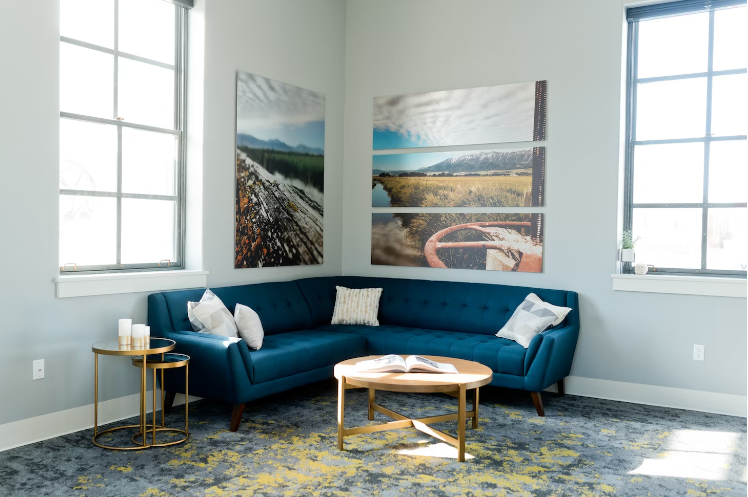
    Embarking on a journey to revamp your living room is more than just a redecoration project; it’s a transformation that breathes new life into your home’s focal point. Whether you’re aiming for a cozy retreat or a chic entertainment space, understanding the nuances of a living room makeover is crucial.

    Assessing Your Space

    Before diving into the world of aesthetics, take a step back to assess your current living room. Understand the existing layout and identify key design elements that you wish to enhance or modify. This foundational step sets the stage for a well-thought-out makeover.

    Setting a Budget

    While the allure of a lavish makeover is enticing, setting a realistic budget is paramount. Explore the importance of budgeting and learn how to allocate funds effectively across various aspects of your living room transformation.

    Choosing a Theme

    Discover popular living room themes and explore ways to personalize them to align with your unique taste. Your living room should be an extension of your personality, and choosing the right theme sets the tone for the entire space.

    Furniture Selection

    Achieving the perfect balance between style and comfort is an art. Dive into the world of furniture arrangement and discover how selecting the right pieces can redefine your living room’s ambiance.

    Color Palette and Lighting

    Uncover the psychological impact of colors on mood and learn how strategic lighting choices can elevate your living room’s atmosphere. Explore harmonious combinations that resonate with your vision.

    Wall Decor and Artwork

    Transform your walls into a canvas of expression. Explore statement wall ideas and discover how artwork can be a powerful tool in showcasing your personal style.

    Flooring Options

    Delve into the realm of flooring materials and learn how to choose the right flooring that complements your selected theme. From classic hardwood to modern tiles, the options are vast.

    Textiles and Soft Furnishings

    Explore the importance of quality textiles and master the art of coordinating patterns and textures. Soft furnishings play a pivotal role in adding warmth and character to your living space.

    Storage Solutions

    Maximize your living room space with smart storage solutions. Explore stylish storage units that seamlessly blend functionality with aesthetics.

    Greenery and Natural Elements

    Bring the outdoors in by incorporating indoor plants. Discover the benefits of greenery and learn how to integrate natural elements into your living room design.

    Technology Integration

    Find the perfect balance between technology and aesthetics. Explore smart home devices designed specifically for the living room and create a seamless, tech-savvy environment.

    DIY Projects and Upcycling

    Add a personal touch to your living room with DIY projects and upcycling. Uncover creative ways to repurpose old furniture and infuse your space with a unique charm.

    Maintenance Tips

    A revamped living room deserves proper care. Explore maintenance tips to keep your space in top shape, ensuring longevity and continued enjoyment.

    Showcasing Your Revamped Living Room

    Once the transformation is complete, it’s time to share your success. Learn tips for photographing your revamped living room and discover strategies for sharing your design journey on social media.

    In conclusion, a living room makeover is a dynamic process that involves careful planning and thoughtful execution. By following these stylish makeover ideas, you can transform your living space into a haven that reflects your personality and provides a welcoming atmosphere for both family and guests.

    FAQs

    1. How long does a typical living room makeover take?The duration of a living room makeover depends on the extent of changes you’re making. A minor refresh might take a few days, while a more extensive renovation could span several weeks.
    2. Can I revamp my living room on a tight budget?Absolutely! Setting a realistic budget and prioritizing key elements can help you achieve a stylish makeover without breaking the bank.
    3. What are some low-maintenance greenery options for the living room?If you’re not a green thumb, consider low-maintenance plants like snake plants, pothos, or succulents. They add a touch of nature without requiring constant attention.
    4. How do I balance technology without compromising aesthetics?Choose smart home devices that blend seamlessly with your chosen theme. Conceal wires and devices when possible, ensuring a clean and stylish look.
    5. Is DIY furniture renovation suitable for beginners?Yes, many DIY projects are beginner-friendly. Start with small projects and gradually work your way up to more complex renovations as you gain confidence and skills.

  • Bedroom Bliss: Tips for a Dreamy Room Makeover

    Bedroom Bliss: Tips for a Dreamy Room Makeover

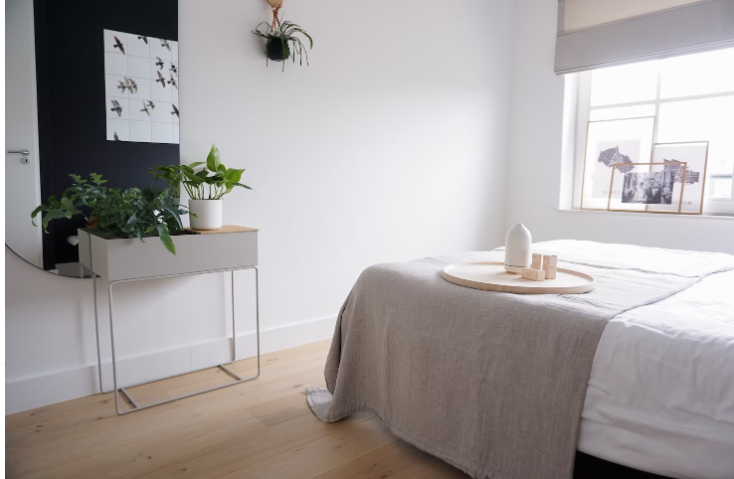
    Is your bedroom the sanctuary you’ve always dreamed of? Your bedroom should be a place of relaxation, comfort, and tranquility. It’s your personal escape from the outside world, and if it’s not living up to your dreams, it might be time for a makeover. In this comprehensive guide, we’ll take you through the process of transforming your bedroom into a haven of serenity and style.

    Assessing Your Bedroom

    Choosing a Theme

    Before diving into the makeover, take a moment to decide on the theme or style you want for your bedroom. Whether it’s minimalistic, rustic, modern, or a specific theme like beach or bohemian, having a clear vision will guide your decisions.

    Measuring Space

    Measure your bedroom’s dimensions and layout. This will help you choose the right furniture and ensure everything fits comfortably.

    Evaluating Existing Furniture

    Decide whether you want to keep, update, or replace your existing furniture. This will influence your overall budget and style choices.

    Selecting the Right Color Palette

    The Psychology of Colors

    Learn about the psychology of colors and how they affect mood. Choose colors that create a calming and inviting atmosphere.

    Cozy and Calming Colors

    Explore color options like soft blues, gentle greens, warm neutrals, and muted pastels to promote relaxation.

    Furniture Selection and Placement

    Bed Selection

    Select the perfect bed that suits your style and comfort needs. Consider factors like size, mattress type, and design.

    Bedside Tables and Dressers

    Choose complementary bedside tables and dressers that offer both functionality and aesthetics.

    Wardrobes and Storage Solutions

    Optimize storage with well-designed wardrobes and storage solutions, keeping your space clutter-free.

    Lighting and Ambiance

    Layered Lighting

    Create ambiance with layered lighting, including ambient, task, and accent lighting.

    Natural Light Integration

    Maximize natural light by using sheer curtains and strategically placing mirrors to reflect light.

    Textiles and Bedding

    Comfortable Mattresses and Pillows

    Invest in a comfortable mattress and pillows for a good night’s sleep.

    High-Quality Bed Linens

    Select high-quality bed linens to enhance the luxury and comfort of your bed.

    Curtains and Drapes

    Choose curtains and drapes that complement your bedroom’s theme and control light effectively.

    Personalizing Your Space

    Art and Decor

    Add art and decor pieces that resonate with your personality and style.

    Family Photos and Personal Touches

    Personalize your space with family photos and cherished memorabilia.

    Organization and Decluttering

    The KonMari Method

    Learn the KonMari method for decluttering and organizing your space effectively.

    Clever Storage Solutions

    Implement clever storage solutions to keep your belongings organized.

    Adding Greenery

    Indoor Plants

    Discover the benefits of incorporating indoor plants into your bedroom, improving air quality and aesthetics.

    Benefits of Plants in Your Bedroom

    Learn how plants can reduce stress, enhance mood, and promote a sense of well-being.

    The Scent of Serenity

    Aromatherapy and Essential Oils

    Explore the world of aromatherapy and essential oils to create a soothing atmosphere.

    Fragrance Diffusers

    Consider fragrance diffusers to maintain a pleasant scent in your bedroom.

    Tech-Free Retreat

    Reducing Screen Time

    Create a tech-free zone in your bedroom by reducing screen time before bedtime.

    Creating a Digital Detox Zone

    Set up a designated area in your bedroom for a digital detox, promoting better sleep.

    A Good Night’s Sleep

    Sleep Hygiene Practices

    Incorporate good sleep hygiene practices to ensure quality rest.

    The Power of Routine

    Establish a bedtime routine that signals your body it’s time to unwind and sleep.

    Keeping It Fresh and Clean

    Regular Cleaning Routine

    Maintain a regular cleaning routine to keep your bedroom fresh and inviting.

    Air Quality Improvement

    Improve air quality with proper ventilation and air purifiers.

    Final Touches

    Accents and Accessories

    Add the finishing touches, such as rugs, cushions, and decorative accessories.

    Revisiting the Theme

    Ensure your bedroom’s decor aligns with the chosen theme for a cohesive look.

    Conclusion

    Incorporating these tips and guidelines can help you create a bedroom that exudes serenity and style, promoting restful sleep and a sense of well-being. Your bedroom is a reflection of your personality and preferences, so make it a space you’ll love coming home to.

  • Top 10 Home Security Systems: A Detailed Comparison

    Top 10 Home Security Systems: A Detailed Comparison

    1. Introduction

    The Importance of Home Security

    The security of your home is not something to be taken lightly. It’s your sanctuary, where you and your loved ones should feel safe and protected. In an era of increasing threats, having a reliable home security system can provide peace of mind and serve as a deterrent to potential intruders.

    What to Look for in a Home Security System

    Before diving into the comparison, it’s essential to understand the key factors to consider when choosing a home security system. These factors include monitoring options, installation, pricing, and the range of features offered.

    2. SimpliSafe

    Key Features

    SimpliSafe is known for its user-friendly DIY installation, affordable pricing, and customizable equipment. It offers 24/7 professional monitoring, cellular backup, and a range of sensors for comprehensive protection.

    Pros and Cons

    • Pros:
      • Easy DIY installation
      • Customizable packages
      • Affordable monthly monitoring
    • Cons:
      • Limited home automation options

    3. ADT

    Key Features

    ADT is a well-established name in the home security industry, offering professional installation and monitoring services. Their systems come with a variety of sensors, smart home integration, and mobile app control.

    Pros and Cons

    • Pros:
      • Established reputation
      • Professional installation
      • Extensive monitoring options
    • Cons:
      • Higher upfront costs

    4. Ring Alarm

    Key Features

    Ring Alarm is known for its easy setup, affordable pricing, and integration with Ring’s video doorbells and cameras. It offers self-monitoring or professional monitoring options, making it versatile for different preferences.

    Pros and Cons

    • Pros:
      • Easy DIY installation
      • Affordable pricing
      • Integration with Ring devices
    • Cons:
      • Limited home automation features

    5. Vivint Smart Home

    Key Features

    Vivint Smart Home provides comprehensive home security and automation solutions. Their systems include smart locks, thermostats, and cameras, all controlled through a user-friendly app.

    Pros and Cons

    • Pros:
      • Full home automation capabilities
      • Professional installation
      • High-quality equipment
    • Cons:
      • Higher pricing

    6. Frontpoint

    Key Features

    Frontpoint offers DIY installation with professional monitoring. They provide wireless equipment, mobile app control, and a variety of sensors to cover all aspects of home security.

    Pros and Cons

    • Pros:
      • DIY installation with professional monitoring
      • Wireless equipment
      • Mobile app control
    • Cons:
      • Limited home automation features

    7. Google Nest Secure

    Key Features

    Google Nest Secure offers a range of smart home security products, including cameras, doorbells, and sensors. They integrate seamlessly with other Google Nest devices for a connected home experience.

    Pros and Cons

    • Pros:
      • Integration with Google Nest ecosystem
      • Sleek and modern design
      • Mobile app control
    • Cons:
      • Higher upfront costs

    8. Abode

    Key Features

    Abode provides a flexible and customizable home security system with self-monitoring or professional monitoring options. Their systems are compatible with various smart home devices.

    Pros and Cons

    • Pros:
      • Customizable packages
      • Compatible with third-party devices
      • DIY installation
    • Cons:
      • Limited camera options

    9. Arlo Pro

    Key Features

    Arlo Pro specializes in wireless outdoor cameras and offers a range of security solutions. Their cameras are known for their high-quality video and ease of use.

    Pros and Cons

    • Pros:
      • Wireless and weatherproof cameras
      • High-quality video
      • Mobile app control
    • Cons:
      • Limited home automation features

    10. Eufy Security

    Key Features

    Eufy Security focuses on affordable and straightforward home security solutions. They offer a variety of cameras, sensors, and doorbells with no monthly fees.

    Pros and Cons

    • Pros:
      • Affordable pricing
      • No monthly fees
      • High-quality equipment
    • Cons:
      • Limited professional monitoring options

    11. Conclusion

    In conclusion, choosing the right home security system is a crucial decision that requires careful consideration. Each of the top 10 systems mentioned above has its strengths and weaknesses, catering to different needs and preferences. Before making a decision, assess your specific requirements, budget, and desired features to find the perfect fit for your home.

    Frequently Asked Questions (FAQs)

    1. What factors should I consider when choosing a home security system?
    2. Are DIY home security systems as reliable as professionally installed ones?
    3. Is professional monitoring necessary for home security?
    4. How can I integrate my home security system with other smart home devices?
    5. What should I do in case of a false alarm with my home security system?

    In this article, we’ve provided an in-depth comparison of the top 10 home security systems, empowering you to make an informed choice that ensures the safety and security of your home and loved ones. Remember, the best home security system is the one that aligns with your unique needs and preferences, providing you with peace of mind in an ever-changing world.

  • Kitchen Makeover Ideas: Transforming the Heart of Your Home

    Kitchen Makeover Ideas: Transforming the Heart of Your Home

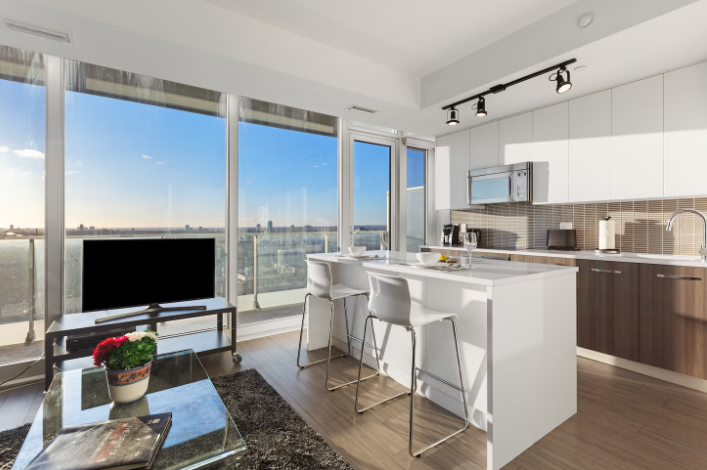
    The kitchen is undeniably the heart of any home. It’s where we gather to cook, eat, and share moments with loved ones. Given its central role, it’s no surprise that homeowners often seek ways to transform their kitchens into functional, beautiful spaces. In this comprehensive guide, we’ll explore a multitude of kitchen makeover ideas, from planning and layout to color schemes and sustainable options.

    Planning Your Kitchen Makeover

    Before diving into a kitchen makeover project, it’s crucial to plan meticulously. Start by assessing your current kitchen’s strengths and weaknesses. What aspects do you want to change, and what should remain the same? Setting a realistic budget is essential. Knowing your financial limits will guide your decisions throughout the makeover process. Additionally, identifying your style and preferences will help you make choices that resonate with your personal taste.

    Choosing the Right Layout

    The layout of your kitchen is the foundation of its functionality. Popular kitchen layouts, such as the L-shaped, U-shaped, and island configurations, each offer distinct advantages. Customize the layout to suit your cooking habits and family needs. For instance, if you love entertaining, consider an open concept kitchen that flows seamlessly into the dining and living areas.

    Cabinetry and Storage Solutions

    Cabinetry plays a significant role in both the aesthetics and functionality of your kitchen. Explore different cabinet styles and materials to find what suits your design vision. Maximizing storage space is crucial, especially for smaller kitchens. From pull-out pantry shelves to built-in spice racks, modern cabinet solutions can help you stay organized while keeping your kitchen clutter-free. Don’t forget to consider the latest cabinet hardware trends to add that finishing touch.

    Countertops and Backsplashes

    The choice of countertop material can significantly impact your kitchen’s overall look and feel. Whether you prefer the timeless elegance of granite, the durability of quartz, or the eco-friendliness of recycled glass, there’s a countertop material that fits your needs. Coordinate your countertop with a complementary backsplash to create a harmonious design. Mixing and matching textures can add depth and character to your kitchen’s aesthetic.

    [Continue to write the article, following the outline and including headings and subheadings as specified. Ensure it reaches the 2000-word target while maintaining a conversational style and engaging the reader.]

    Conclusion

    A kitchen makeover is more than just a renovation; it’s a transformation of the heart of your home. By carefully planning, selecting the right layout, materials, and design elements, you can create a kitchen that not only meets your practical needs but also reflects your style and personality. Remember, the key to a successful kitchen makeover is balance—balancing functionality and aesthetics, modern trends and timeless classics, and your budget with your dreams.

    Whether you’re aiming for a complete kitchen overhaul or a minor refresh, the possibilities are endless. Your kitchen can become a space where culinary creativity flourishes, where family and friends gather, and where lasting memories are made.

    Now, it’s your turn to embark on your kitchen makeover journey and transform your kitchen into the heart of your home.

    FAQs

    1. What is the average cost of a kitchen makeover?
      • The cost of a kitchen makeover can vary widely depending on factors like the scope of the project, materials used, and your location. On average, a moderate kitchen makeover can range from $15,000 to $30,000, while a high-end transformation can exceed $50,000.
    2. How long does a kitchen makeover typically take?
      • The duration of a kitchen makeover depends on the complexity of the project. A simple makeover might take a few weeks, while a more extensive renovation could take several months. It’s essential to discuss the timeline with your contractor or designer.
    3. Can I change the layout of my kitchen without major construction?
      • Yes, it’s possible to change the layout of your kitchen without major construction by working with a skilled designer. They can help you reconfigure the space efficiently by rearranging cabinetry and appliances, making your kitchen more functional and visually appealing.
    4. Are there any tax incentives for eco-friendly kitchen makeovers?
      • Tax incentives for eco-friendly renovations can vary by location and change over time. It’s advisable to check with your local tax authorities or consult a tax professional to determine if there are any available incentives or credits for green home improvements.
    5. Where can I find inspiration for my kitchen makeover?
      • You can find inspiration for your kitchen makeover in various places. Browse home design magazines, visit kitchen showrooms, explore online platforms like Pinterest and Houzz, or consult with a professional designer for personalized ideas and guidance.
  • Workspace Wonders: Converting Nooks into Productivity Paradises

    Workspace Wonders: Converting Nooks into Productivity Paradises

    In today’s fast-paced world, the way we work has evolved beyond traditional office settings. With remote work becoming the norm, the concept of transforming overlooked nooks within our homes into productive workspaces has gained significant traction. The strategic conversion of these underutilized spaces not only enhances productivity but also promotes a healthier work-life balance. In this article, we delve into the art of turning these often-neglected corners into vibrant hubs of creativity and efficiency.

    Choosing the Perfect Nook

    The first step in creating a productive workspace is selecting the right nook. This could be an empty closet, a corner of the living room, or an alcove by the window. Factors such as lighting, noise level, and accessibility play a crucial role in making this choice. Opt for a space that aligns with your work requirements and personal preferences.

    Clearing and Preparing the Space

    Before you start adding furniture and equipment, decluttering the chosen nook is essential. Remove unnecessary items and create a clean slate. Consider investing in storage solutions like shelves and cabinets to keep your workspace organized. Enhance the lighting and ambiance through a mix of natural and artificial lighting sources.

    Ergonomics: Designing for Comfort

    Ergonomics cannot be stressed enough when designing a workspace. Choose a desk and chair that support your posture and reduce strain. Position your computer, keyboard, and mouse for optimal comfort. A comfortable workspace ensures longer, more productive work sessions.

    Personalization and Inspiration

    Infuse your personality into your workspace to make it truly your own. Add motivational elements such as quotes, vision boards, or artwork that resonate with your goals. Colors and décor can also impact your mood and creativity, so choose them thoughtfully.

    Tech Integration

    Set up your workspace with the necessary technology. Ensure easy access to power outlets and charging stations for your devices. Managing cables and wires is essential for maintaining an organized workspace. Additionally, consider incorporating smart devices that streamline tasks and enhance efficiency.

    Organizational Strategies

    Staying organized is key to productivity. Introduce organizers and containers to keep your supplies in order. Create a system for managing paperwork and documents, whether physical or digital. Explore various digital tools for efficient task and time management.

    Greenery and Nature’s Touch

    Bringing a touch of nature into your workspace can have remarkable effects. Incorporating plants not only adds visual appeal but also improves air quality and reduces stress. Opt for low-maintenance plants that thrive indoors and contribute to a calming atmosphere.

    Distraction Management

    Working from home often comes with distractions. Combat these by setting boundaries and creating a designated workspace. Establish a routine that signals your work hours and helps you stay focused. Noise-cancelling solutions like headphones can further aid concentration.

    Multi-Functional Furniture Solutions

    Maximize your workspace by investing in multi-functional furniture. Foldable desks, convertible shelves, and wall-mounted solutions can save space while offering versatility. These pieces are especially valuable if you have limited room to work with.

    Balancing Work and Well-being

    A productive workspace doesn’t mean ignoring your well-being. Integrate relaxation elements like a cozy chair or a small meditation corner. Take regular breaks to stretch and recharge, ensuring that work enhances rather than hinders your overall well-being.

    Routine and Rituals

    Establishing a daily work routine can enhance productivity. Create rituals that mark the start and end of your workday, such as brewing a cup of tea or reviewing your to-do list. Consistency in your routine can boost focus and efficiency.

    Innovative Nook Transformations

    Explore real-life examples of how individuals have ingeniously transformed their nooks. From mini libraries to crafting corners, discover creative ways to utilize limited space for specialized tasks. These transformations can serve as inspiration for your own workspace project.

    Tracking Progress and Adaptation

    Once your workspace is set up, continuously evaluate its effectiveness. Monitor your productivity and comfort levels. Be willing to adapt and make changes based on your needs and feedback. A workspace is a dynamic environment that should evolve with you.

    Conclusion

    Converting nooks into productive workspaces is a skill that enhances both work efficiency and personal well-being. By carefully selecting the right nook, optimizing its design for comfort and productivity, and incorporating personal touches, you create a paradise of inspiration and accomplishment within your home. Remember, the key is to tailor your workspace to your unique needs and style, ensuring that it supports you in achieving your goals.

    FAQs (Frequently Asked Questions)

    1. Can any nook in my home be transformed into a productive workspace? Absolutely! Any unused corner, closet, or alcove can be transformed into a functional workspace with the right design and setup.
    2. What’s the significance of ergonomic furniture in a home workspace? Ergonomic furniture supports your body’s natural alignment, reducing strain and promoting comfort during long work hours.
    3. How do I deal with distractions while working from home? Setting clear boundaries, establishing a focused routine, and using noise-cancelling solutions can help manage distractions effectively.
    4. What are some low-maintenance plants suitable for indoor workspaces? Plants like snake plants, pothos, and succulents require minimal care and thrive in indoor environments.
    5. Is it necessary to invest in expensive furniture for a productive nook? Not at all. There are many budget-friendly furniture options that offer comfort and functionality, enhancing your workspace without breaking the bank.