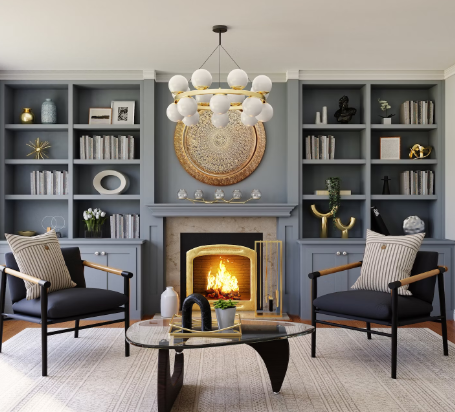
Introduction The Hygge lifestyle, originating from Denmark, has gained popularity worldwide for its emphasis on coziness, comfort, and well-being. Understanding and incorporating Hygge into your home can transform your living space into a warm and inviting sanctuary where you can relax and unwind.
Key Elements of Hygge At its core, Hygge is about creating a cozy atmosphere that promotes a sense of contentment and well-being. This involves embracing simplicity, warmth, and enjoying the present moment, whether alone or with loved ones.
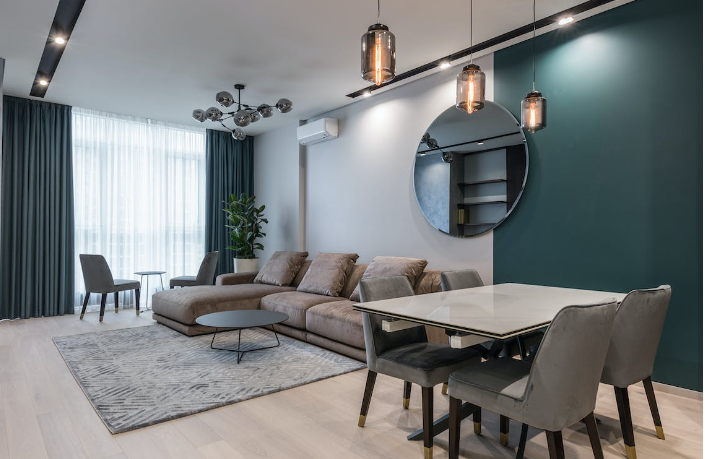
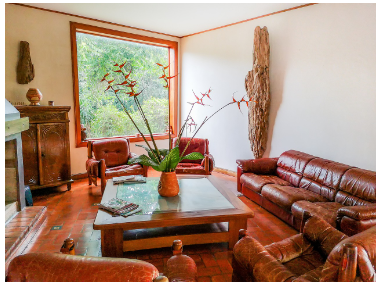
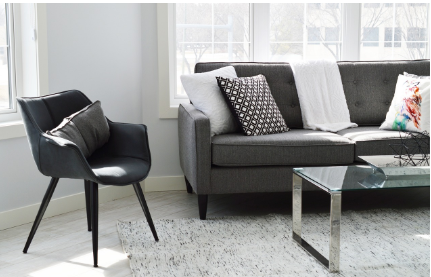
Incorporating Hygge Into Your Home To create a Hygge-inspired home, focus on using warm, natural materials such as wood and wool. Soft, comfortable furnishings like plush sofas and oversized pillows can enhance the cozy ambiance. Additionally, warm, inviting lighting, such as candles or soft lamps, can create a calming atmosphere.
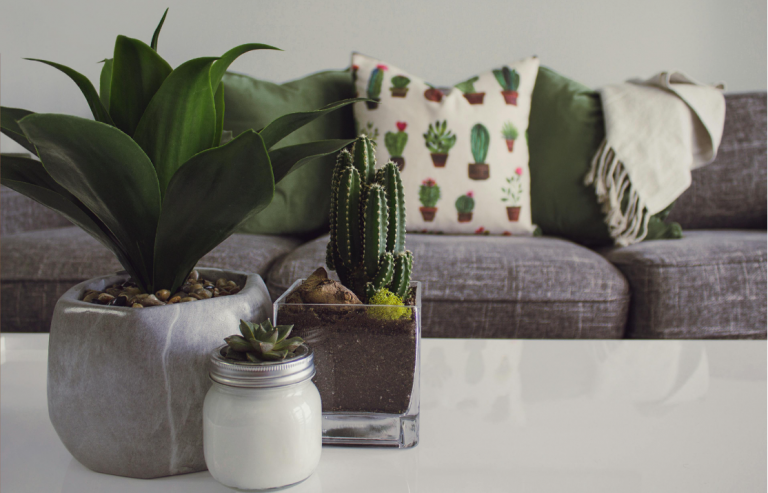
Hygge-Inspired Decor Ideas Incorporating Hygge into your home decor can be simple and affordable. Candles are a quintessential element of Hygge, providing soft, flickering light that adds warmth to any room. Cozy blankets and throws can also add texture and warmth, while natural elements like wood and plants can bring a touch of nature indoors.
Hygge in Daily Life Embracing the Hygge lifestyle goes beyond decor; it’s about enjoying simple pleasures and creating moments of coziness in your everyday life. Consider creating a cozy reading nook where you can relax with a good book, or make a habit of sharing meals with loved ones to cultivate a sense of togetherness and connection.
Benefits of the Hygge Lifestyle Embracing the Hygge lifestyle can have numerous benefits for your well-being. Studies have shown that incorporating Hygge elements into your life can lead to increased happiness, reduced stress, and stronger social connections, ultimately improving your overall quality of life.
Conclusion Incorporating the Hygge lifestyle into your home can transform your living space into a cozy sanctuary where you can relax, unwind, and enjoy the simple pleasures of life. By embracing warmth, simplicity, and togetherness, you can create a home that nurtures your well-being and brings you joy every day.
FAQs
What is Hygge?
Hygge is a Danish word that describes a feeling or moment of coziness, comfort, and well-being.
How can I incorporate Hygge into my home?
You can incorporate Hygge into your home by using warm, natural materials, soft lighting, and comfortable furnishings.
What are the benefits of living a Hygge lifestyle?
The benefits of living a Hygge lifestyle include increased happiness, reduced stress, and stronger social connections.
Can I practice Hygge alone?
Yes, Hygge can be practiced alone by creating a cozy atmosphere and enjoying simple pleasures.
Is Hygge only about home decor?
No, Hygge is not just about home decor. It’s a lifestyle that emphasizes coziness, comfort, and well-being in all aspects of life.
Crafting your own wall art can be a fulfilling and artistic endeavor that transforms your living space. In this step-by-step tutorial, we’ll explore the process of creating a stunning DIY wall art piece that reflects your unique style and personality.
Choosing the Right Materials
2.1 Selecting the Canvas
Before diving into the artistic process, it’s crucial to choose the right canvas. Whether it’s a traditional stretched canvas or a reclaimed piece of wood, the material sets the foundation for your masterpiece.
2.2 Picking the Perfect Paint
Explore the world of colors and textures as we guide you through selecting the ideal paint for your DIY project. From acrylics to oils, each paint type offers a distinct quality that can elevate your artwork.
Designing Your Artwork
3.1 Sketching Your Ideas
Learn the importance of sketching as the initial step in bringing your artistic vision to life. We’ll discuss different sketching techniques to help you plan and execute your design effectively.
3.2 Incorporating Colors and Textures
Delve into the nuances of color theory and texture incorporation, ensuring your DIY wall art resonates with a harmonious blend of hues and tactile elements.
Gathering Your Tools
4.1 Essential Painting Supplies
Building on your materials, this section details the essential tools every DIY artist should have. From brushes to palettes, we’ll guide you through creating a well-equipped artist’s toolbox.
4.2 Additional Decorative Elements
Take your wall art to the next level by exploring various decorative elements that can enhance your creation. Discover how beads, sequins, or even recycled materials can add a unique flair to your artwork.
Preparing Your Workspace
5.1 Setting Up a Painting Zone
Creating an organized and inspiring workspace is essential for a successful DIY project. Learn how to set up a dedicated painting zone that fosters creativity and comfort.
5.2 Organizing Your Materials
Efficiency is key in any artistic endeavor. We’ll provide tips on organizing your materials, ensuring a smooth workflow throughout the entire crafting process.
Step-by-Step Painting Process
6.1 Creating a Base Layer
Embark on the actual painting process as we guide you through establishing a solid base layer for your artwork. This foundational step sets the tone for the layers to come.
6.2 Building Layers and Textures
Explore techniques for layering paint and adding textures that bring depth and dimension to your wall art. Unlock the secrets of creating a visually captivating masterpiece.
6.3 Adding Fine Details
Fine-tune your artwork by focusing on intricate details. From brush techniques to adding highlights, this step will elevate your DIY creation to a professional level.
Exploring Different Techniques
7.1 Using Stencils and Patterns
Discover how stencils and patterns can be employed to create intricate designs with precision. This section explores the versatility of these tools in DIY wall art.
7.2 Experimenting with Mixed Media
Unleash your creativity by incorporating mixed media into your artwork. Learn how to seamlessly combine various materials to produce a visually stunning and unique piece.
Adding Personal Touches
8.1 Incorporating Quotes or Text
Personalize your DIY wall art by incorporating meaningful quotes or text. We’ll discuss techniques for seamlessly blending words into your visual masterpiece.
8.2 Enhancing with Personal Memorabilia
Explore the sentimental value of integrating personal memorabilia into your artwork. From ticket stubs to photos, discover how these items can enhance the emotional impact of your creation.
Sealing and Finishing Your Art
9.1 Choosing the Right Sealant
Preserve the longevity of your artwork by selecting the appropriate sealant. We’ll guide you through the process of sealing and finishing your DIY wall art for a polished and professional appearance.
9.2 Final Touches for a Professional Look
Learn the final steps to ensure your DIY wall art exudes a professional finish. From inspecting for imperfections to adding final touches, these steps are crucial for a refined outcome.
Displaying Your DIY Wall Art
10.1 Framing Options
Explore different framing options to showcase your DIY masterpiece. Whether it’s a traditional frame or a floating display, find the perfect presentation for your artwork.
10.2 Creating a Gallery Wall
Discover the art of creating a captivating gallery wall that features your DIY creations. Learn tips on arranging and displaying multiple pieces cohesively.
Troubleshooting Common Issues
11.1 Dealing with Paint Smudges
Encounter common painting issues? We’ve got you covered with troubleshooting tips for dealing with paint smudges and other unexpected challenges.
11.2 Fixing Uneven Colors
Address uneven color distribution with expert advice on correcting and balancing your palette. Ensure your DIY wall art maintains a harmonious and professional appearance.
Caring for Your Finished Artwork
12.1 Cleaning and Maintenance
Discover the best practices for cleaning and maintaining your finished artwork. Proper care ensures the longevity of your DIY wall art.
12.2 Storing Your DIY Masterpiece
Need to store your artwork temporarily? Learn how to store your DIY wall art safely to preserve its quality until it finds its permanent place.
Showcasing Your Work Online
13.1 Building an Artistic Portfolio
Explore the world of online art showcases. We’ll guide you through building an artistic portfolio to share your creations with a broader audience.
13.2 Utilizing Social Media
Learn effective strategies for utilizing social media platforms to showcase and promote your DIY wall art. Connect with fellow artists and art enthusiasts to expand your reach.
Inspiring DIY Wall Art Ideas
14.1 Nature-Inspired Designs
Gain inspiration from nature as we explore DIY wall art ideas that draw from the beauty of the natural world. From landscapes to botanical themes, the possibilities are endless.
14.2 Abstract and Geometric Concepts
Delve into the realm of abstract and geometric designs. Discover how these bold and modern styles can become the focal point of any room.
Conclusion
Embarking on a DIY wall art project is not just about creating decor; it’s about infusing your space with your unique personality and creativity. By following this comprehensive guide, you now possess the knowledge and skills to craft stunning DIY wall art that transforms your living space into an art gallery.
FAQs:
How long does it take to complete a DIY wall art project?
The time required depends on the complexity of your design and the drying time of the materials. On average, plan for a few days to a week.
Can I use unconventional materials for my DIY wall art?
Absolutely! Experimenting with unconventional materials often leads to innovative and unique creations. Just ensure they are suitable for long-term display.
What if I make a mistake during the painting process?
Don’t worry! Many mistakes can be corrected or incorporated into your design. Embrace the creative process and see where it takes you.
Do I need formal art training to create DIY wall art?
Not at all. This tutorial is designed for beginners and experienced artists alike. Follow the steps, unleash your creativity, and enjoy the process.
How can I get feedback on my DIY wall art?
Share your work on social media or online art communities to receive constructive feedback from fellow artists and art enthusiasts.
Vacuum cleaners are essential household appliances that help keep our homes clean and dust-free. With so many different types of vacuum cleaners available in the market, it can be challenging to choose the right one for your home. In this article, we will compare some of the most popular vacuum cleaners and help you decide which one suits your home.
Types of Vacuum Cleaners
There are several types of vacuum cleaners available in the market, including:
Upright Vacuum Cleaners
Upright vacuum cleaners are the most common type of vacuum cleaner. They are easy to use and come with a variety of attachments that make cleaning carpets and floors a breeze.
Canister Vacuum Cleaners
Canister vacuum cleaners are versatile and can be used to clean carpets, floors, and upholstery. They are also lightweight and easy to maneuver.
Stick Vacuum Cleaners
Stick vacuum cleaners are lightweight and easy to use. They are ideal for quick cleanups and can be used on carpets, floors, and upholstery.
Handheld Vacuum Cleaners
Handheld vacuum cleaners are small and portable. They are ideal for cleaning small messes
and hard-to-reach areas.
Comparison of Popular Vacuum Cleaners
Here is a comparison of some of the most popular vacuum cleaners:
Vacuum Cleaner
Type
Price
Features
Shark Navigator Lift-Away Pro
Upright
$199
HEPA filter, swivel steering, detachable canister
Dyson Cyclone V10 Absolute
Stick
$499
Cordless, powerful suction, up to 60 minutes of run time
Miele Complete C3 Marin
Canister
$1,099
HEPA filter, six-speed motor, adjustable suction
Bissell PowerEdge Pet Hardwood Floor Corded Vacuum
Stick
$69.99
V-shaped design for cleaning corners and edges
Conclusion
Choosing the right vacuum cleaner for your home can be a daunting task. However, by considering factors such as type, price, and features, you can narrow down your options and make an informed decision. We hope this article has helped you compare some of the most popular vacuum cleaners available in the market.
FAQs
What is the best type of vacuum cleaner?
The best type of vacuum cleaner depends on your needs. If you have carpets or rugs in your home, an upright or canister vacuum cleaner would be ideal. If you have hardwood floors or tiles, a stick or handheld vacuum cleaner would be more suitable.
What is a HEPA filter?
A HEPA filter is a high-efficiency particulate air filter that traps small particles such as dust mites, pollen, and pet dander.
Are cordless vacuum cleaners better than corded ones?
Cordless vacuum cleaners are more convenient to use as they don’t require a power outlet. However, they may not be as powerful as corded ones.
How often should I replace my vacuum cleaner’s filter?
It’s recommended to replace your vacuum cleaner’s filter every six months to ensure optimal performance.
Can I use my vacuum cleaner on upholstery?
Yes, most vacuum cleaners come with attachments that can be used to clean upholstery.
In our fast-paced lives, home appliances have become essential to keeping our households running smoothly. They save time and effort, making our lives more comfortable and convenient. However, with a plethora of brands and models available, choosing the right appliance can be a daunting task.
Why are Home Appliance Reviews Important?
Home appliance reviews provide invaluable insights into the performance, durability, and user experiences of various products. They help consumers make informed decisions, ensuring they get the most value for their money.
How to Navigate the World of Appliance Reviews
Before diving into appliance reviews, it’s essential to understand the types of appliances available and the key factors to consider when evaluating them. In this guide, we’ll cover everything from kitchen appliances to smart home gadgets, helping you navigate the world of reviews.
Types of Home Appliances
Home appliances come in various categories, each catering to specific needs. Let’s explore the most common types:
Kitchen Appliances
The heart of every home, the kitchen, is brimming with appliances like refrigerators, ovens, dishwashers, and more. Reviews in this category can help you choose appliances that make meal preparation a breeze.
Laundry Appliances
Washing machines and dryers have come a long way from washboards and clotheslines. Home appliance reviews can guide you in selecting models that meet your laundry needs efficiently.
Smart Home Appliances
With the advent of the Internet of Things (IoT), our homes are getting smarter. Reviews for smart appliances can help you integrate technology seamlessly into your daily routine.
Heating and Cooling Appliances
From air conditioners to space heaters, choosing the right heating and cooling appliances is crucial for comfort and energy efficiency.
Cleaning Appliances
Vacuum cleaners, robot cleaners, and steam mops are indispensable for maintaining a clean home. Reviews can help you identify which cleaning appliances best suit your lifestyle.
Entertainment and Gadgets
Home entertainment has evolved with the introduction of gadgets like smart TVs, gaming consoles, and sound systems. Reviews in this category guide you to the latest and greatest in entertainment technology.
As you delve into home appliance reviews, remember that the specific needs of your household will greatly influence your choices. Choose appliances that fit seamlessly into your daily routine.
Stay tuned for the next part of our guide, where we’ll discuss what to look for in home appliance reviews.
The living room is the heart of your home, where you relax, entertain guests, and create lasting memories. Choosing the right furniture brand for your living room is crucial to creating a comfortable and stylish space. In this article, we will review some of the top furniture brands for living rooms and provide you with essential information to make an informed decision.
Why Choosing the Right Furniture Brand Matters
The choice of furniture can greatly impact the ambiance of your living room. It’s not just about aesthetics but also about quality, durability, and comfort. Investing in the right furniture brand ensures that your living room remains inviting and functional for years to come.
Factors to Consider When Selecting Furniture for Your Living Room
Quality
Quality is paramount when it comes to furniture. Look for brands that use high-quality materials and craftsmanship to ensure your furniture stands the test of time.
Style and Aesthetics
The style of your furniture should complement your living room’s decor. Whether you prefer classic, modern, or eclectic designs, choose a brand that offers a variety of styles.
Budget
Determine your budget for living room furniture. It’s essential to find a brand that offers options within your price range without compromising on quality.
Top Furniture Brands for Living Rooms
Let’s dive into the top furniture brands known for their exceptional living room pieces.
Brand A
Brand A is renowned for its premium quality and exquisite designs. Their furniture pieces are crafted to perfection and are a favorite among those who appreciate luxury.
Brand B
Brand B stands out for its innovative designs and commitment to sustainability. They offer unique, eco-friendly furniture that caters to the environmentally conscious consumer.
Brand C
Brand C is the go-to choice for those on a budget. They provide affordable options without sacrificing style and comfort.
In-Depth Analysis of Each Brand
Brand A: Quality, Style, and Pricing
Brand A’s furniture is known for its top-tier quality, with a price tag to match. If you seek luxury and are willing to invest, Brand A is an excellent choice.
Brand B: Innovative Designs and Sustainability
Brand B focuses on innovative designs that integrate sustainable materials. Their furniture not only looks great but is also eco-friendly.
Brand C: Affordable Options for All
Brand C offers a wide range of budget-friendly furniture without compromising on style or quality. It’s ideal for those seeking value for their money.
Comparing Brand Warranty and Customer Service
When investing in furniture, consider the warranty and customer service offered by each brand. This can be crucial in case you encounter any issues with your purchase.
Customer Reviews and Ratings
Check out customer reviews and ratings for insights from real buyers. Their experiences can provide valuable information and help you make an informed choice.
Shopping Tips for Living Room Furniture
Measuring Your Space
Before making a purchase, measure your living room to ensure your new furniture fits perfectly.
Mixing and Matching Furniture Pieces
Create a unique look by mixing and matching furniture pieces from the same or different brands.
Color Coordination
Coordinate the colors of your furniture with your living room’s color scheme for a harmonious look.
Where to Buy Furniture
You can purchase furniture from physical stores or online retailers. Weigh the pros and cons of each option to decide which is more suitable for you.
Eco-Friendly and Sustainable Furniture Options
Brand D: Environmentally Conscious Choices
Brand D offers a range of furniture made with environmentally conscious materials, reducing your carbon footprint.
Brand E: Sustainable Materials
Brand E specializes in using sustainable materials for their furniture, making them an excellent choice for eco-conscious consumers.
Making a Final Decision
Consider all the factors discussed and choose the brand that best aligns with your preferences, budget, and style.
Conclusion
Selecting the right furniture brand for your living room is a significant decision. It impacts your comfort, style, and the overall feel of your home. Take your time to explore the options, read reviews, and make a choice that resonates with your vision.
Frequently Asked Questions (FAQs)
How do I know which furniture brand is right for me?
Consider your budget, style preferences, and the quality you desire. Read reviews and compare brands to make an informed decision.
Are sustainable furniture brands more expensive?
Not necessarily. Some sustainable brands offer competitive prices while using eco-friendly materials.
What is the average lifespan of living room furniture?
The lifespan depends on the quality and usage, but well-crafted furniture can last for decades.
Can I mix furniture styles from different brands in my living room?
Yes, mixing styles can create a unique and personalized look for your living room.
Where can I find the best deals on living room furniture?
Look for sales and promotions in both physical stores and online retailers to find the best deals on living room furniture.
I hope you find this article on reviewing the best furniture brands for your living room informative and helpful in making the right choice for your home.
In today’s rapidly evolving technological landscape, smart home devices have become an integral part of our lives. These innovative gadgets have transformed the way we interact with our homes, providing us with unprecedented levels of convenience, security, and efficiency. This comprehensive review will explore the latest advancements in smart home technology, offering valuable insights into how these devices can enhance your daily life.
The Evolution of Smart Home Technology
Before delving into the latest devices, it’s essential to understand the journey of smart home technology. Smart homes have come a long way, evolving from basic remote-controlled appliances to highly sophisticated interconnected systems. The history of smart homes is replete with groundbreaking developments, each contributing to the state-of-the-art devices we have today.
Categories of Smart Home Devices
Smart home devices are not limited to just one category. They encompass a wide range of products designed to make your life more convenient and efficient. From smart thermostats that regulate your home’s temperature to intelligent lighting systems that adapt to your preferences, we’ll explore the various categories and provide real-life examples of their applications.
Benefits of Smart Home Devices
Why should you consider incorporating smart devices into your home? This section will elucidate the numerous advantages, including enhanced convenience, improved security, and substantial energy savings. We’ll discuss how these devices contribute to a more sustainable and eco-friendly lifestyle.
The Latest Innovations
In the fast-paced world of technology, staying up-to-date is crucial. Discover the latest innovations in smart home devices, from cutting-edge sensors to advanced automation features. We’ll showcase the remarkable improvements that have been made in recent years.
Voice Assistants and AI Integration
Voice assistants like Amazon Alexa and Google Assistant have revolutionized the way we interact with our smart devices. Learn how these AI-powered companions have seamlessly integrated with various appliances, making your home smarter and more responsive to your needs.
Security Concerns in Smart Homes
With great power comes great responsibility. In this section, we’ll delve into the potential security vulnerabilities associated with smart home devices. You’ll find practical tips on how to safeguard your smart home and protect your privacy.
Compatibility and Ecosystems
Choosing the right smart devices can be a daunting task. We’ll guide you through the importance of compatibility and introduce you to popular smart home ecosystems that simplify the process of building your intelligent home.
User Experience and Interface Design
A user-friendly interface can make or break the smart home experience. We’ll explore the significance of intuitive design and present examples of well-crafted smart home apps that enhance user satisfaction.
Cost Considerations
Budget constraints are a reality for many consumers. In this section, we’ll break down the factors that influence the cost of smart home devices and offer tips on how to make informed and cost-effective choices.
Reviews and Recommendations
Not all smart devices are created equal. Our experts have conducted thorough reviews and assessments of popular smart home devices. Whether you’re looking for a smart speaker, a security camera, or a smart thermostat, you’ll find valuable recommendations tailored to your needs.
Future Trends in Smart Home Technology
What does the future hold for smart home technology? We’ll peer into the crystal ball and explore the emerging trends and technologies that are poised to shape the future of smart homes.
Case Studies
Real-life examples can provide valuable insights. Explore case studies of individuals who have successfully integrated smart home devices into their lives, showcasing the transformative power of this technology.
Common Misconceptions
Smart home technology can be shrouded in myths and misconceptions. We’ll debunk some of the most common misunderstandings and address concerns that might be holding you back from embracing this transformative technology.
Conclusion
In conclusion, the world of smart home devices is vast and ever-evolving. Embracing these innovations can significantly enhance your quality of life, providing convenience, security, and efficiency. By staying informed about the latest advancements and making informed choices, you can create a smarter, more connected home that caters to your unique needs and preferences.
FAQs
Are smart home devices difficult to set up and use?
Not at all. Most modern smart devices are designed with user-friendliness in mind, and setup is typically straightforward.
Do smart home devices consume a lot of energy?
No, many smart devices are designed to be energy-efficient and can actually help you save on your energy bills.
Are smart home devices secure from hacking and privacy breaches?
Security is a concern, but with proper precautions and updates, you can minimize the risk of hacking and protect your privacy.
What’s the lifespan of smart home devices?
The lifespan varies by device, but many smart devices are built to last for several years with regular updates and maintenance.
Can I integrate devices from different manufacturers into one smart home system?
Yes, you can often mix and match devices from different manufacturers, but compatibility may vary, so it’s essential to check before purchasing.
In a world where modern aesthetics dominate the design landscape, there’s an undeniable allure to weaving threads of the past into the fabric of our homes. The magic of vintage furniture lies in its ability to transport us to bygone eras, evoking a sense of nostalgia and allowing us to create spaces that are not only beautiful but also deeply meaningful. So, if you’re yearning for a home makeover that bridges the gap between old and new, prepare to be inspired by the world of vintage furniture finds.
The Allure of Vintage Furniture
Vintage furniture possesses an intrinsic charm that transcends time. Every scratch, every patina tells a story of decades gone by. There’s an inexplicable beauty in the imperfections that come with age, like the slightly worn armrest of a mid-century sofa or the faded paint on an antique side table. These pieces hold more than just aesthetic value; they hold memories and emotions. The nostalgia they bring forth is a powerful tool in interior design, allowing you to infuse your living space with a sense of history and character.
Creating a Vintage-Inspired Home Makeover
The challenge in incorporating vintage furniture lies in striking the right balance between old-world charm and contemporary flair. The key is not to overwhelm the space with too many vintage pieces but rather to integrate them seamlessly with modern elements. Imagine a living room where a plush, tufted Victorian armchair coexists harmoniously with a sleek, minimalist coffee table. This juxtaposition of styles creates a dynamic and visually engaging environment that celebrates both the past and the present.
To achieve this, it’s essential to establish a cohesive color palette and design theme. For instance, if you’re drawn to the elegance of Art Deco, opt for bold geometric patterns and rich jewel tones that are synonymous with the era. On the other hand, if the rustic charm of farmhouse aesthetics speaks to you, focus on distressed finishes and muted hues that transport you to a simpler time.
Hunting for Hidden Treasures: Thrift Stores and Flea Markets
The thrill of the hunt is a significant part of the vintage furniture experience. Thrift stores, flea markets, and antique shops become treasure troves waiting to be explored. Picture yourself wandering through aisles adorned with eclectic pieces from various periods. That intricately carved vanity or the weathered leather armchair in the corner could be the missing link in your home transformation journey.
What sets these pieces apart is their uniqueness. Unlike mass-produced modern furniture, vintage finds have character and history. They stand as testament to the craftsmanship of yesteryears, a testament that’s hard to replicate. And the satisfaction that comes with stumbling upon an underappreciated gem is unparalleled.
Upcycling and Repurposing: Breathing New Life into Old Furniture
Sustainability meets creativity in the world of vintage furniture. The concept of upcycling, which involves repurposing old items into something new and functional, is gaining momentum. Have an old wooden door? Transform it into a rustic dining table. Found a vintage suitcase? It could become a charming side table with hidden storage.
Upcycling not only reduces waste but also allows you to customize pieces according to your taste. Sanding, painting, and reupholstering are your tools for turning a worn-out piece into a personalized masterpiece. This approach adds depth and layers to your decor, making it a reflection of your personality.
Choosing the Right Vintage Furniture Pieces
While the thrill of stumbling upon hidden treasures is exhilarating, it’s essential to be discerning in your selections. Consider the style you’re aiming for and the overall layout of your home. A vintage piece should complement your existing decor, not compete with it. Look for items that resonate with you, whether it’s the elegance of Victorian aesthetics or the simplicity of mid-century design.
Quality is paramount when it comes to vintage furniture. Inspect the piece for structural integrity, and research the materials used during its time. Authenticity adds value to your purchase, and knowing the history of the piece adds depth to its significance in your space.
The Art of Mixing and Matching
One of the most exciting aspects of blending old and new is the opportunity to mix and match styles. Embrace the eclectic nature of vintage furniture by pairing it with contemporary decor. Imagine placing a retro chaise lounge beside a sleek floor-to-ceiling window, or adorning a modern dining table with a set of mismatched vintage chairs. This fusion not only creates visual interest but also invites conversations about the stories behind each piece.
The key to successful mixing and matching is maintaining a sense of cohesion. Choose a unifying element, be it a color, texture, or shape, that runs through both the vintage and modern elements. This thread of continuity ties the diverse pieces together, forming a curated and intentional aesthetic.
Preserving and Maintaining Vintage Elegance
Owning vintage furniture comes with the responsibility of proper care. These pieces have stood the test of time, and with a little attention, they can continue to grace your home for years to come. Regular dusting, gentle cleaning, and appropriate placement away from direct sunlight or extreme humidity are essential practices.
In some cases, restoration might be necessary to maintain the piece’s original glory. This process should be undertaken by professionals who understand the nuances of vintage materials and techniques. Restoration not only ensures the longevity of the furniture but also preserves the historical value that comes with it.
Inspiration from Different Eras
Exploring vintage furniture opens doors to a world of design styles that have shaped the way we perceive interiors. The opulence of the Victorian era, characterized by ornate details and rich fabrics, offers a sense of grandeur. Meanwhile, the sleek lines and organic forms of Mid-Century Modern design provide a timeless minimalism that’s still relevant today.
Don’t hesitate to draw inspiration from various eras to curate a space that’s uniquely yours. By combining elements from different times, you’re not just designing a room; you’re crafting a narrative that celebrates the evolution of design.
Making a Statement with Focal Pieces
Amidst the carefully curated blend of vintage and contemporary, consider incorporating a focal piece that captures attention. This could be a standout vintage item that acts as the centerpiece of a room. Imagine a vintage leather sofa with intricate button-tufting that steals the spotlight in your living area. Designing the rest of the room around this statement piece creates a cohesive and impactful aesthetic.
Such a choice not only showcases your appreciation for vintage but also provides a conversation starter. Guests will be intrigued by the history and craftsmanship that such a piece embodies, sparking discussions about design evolution and the stories of eras past.
Overcoming Challenges in Vintage Sourcing
While vintage furniture holds undeniable charm, it’s essential to acknowledge the challenges that come with sourcing these pieces. Wear and tear are common, given their age. However, with the right approach, these imperfections can be embraced as part of the piece’s unique character.
Finding matching sets or multiple pieces from the same era can be a hurdle, but it’s not insurmountable. Patience is key; don’t rush the process. As you acquire pieces over time, your home’s decor will organically evolve, mirroring the gradual accumulation of stories and memories.
Embracing Quirks and Imperfections
In a world often dominated by perfection, vintage furniture offers a refreshing departure. The minor scratches, faded finishes, and slight wobbles tell tales of a piece’s journey. Embrace these quirks; they’re the marks of authenticity that make your furniture truly one-of-a-kind.
It’s akin to the wrinkles that grace a person’s face, each line telling a story. Similarly, every blemish on a vintage piece narrates a chapter in its history. By welcoming these imperfections, you not only contribute to sustainable living but also infuse your space with a narrative that’s rich and meaningful.
Customization and Personalization
Vintage furniture provides a canvas for your creativity. Feel free to personalize your pieces to align with your vision. Reupholster that vintage armchair with a fabric that complements your room’s palette. Paint an old bookshelf in a color that adds a pop of vibrancy. The customization possibilities are endless.
By adding your unique touch, you create a harmonious blend of the past and present that’s a true reflection of your taste. This approach ensures that your vintage furniture not only fits seamlessly into your space but also showcases your personality.
Budget-Friendly Vintage-Inspired Decor
Embarking on a vintage-inspired home makeover doesn’t necessarily require a substantial budget. If acquiring large vintage furniture pieces is challenging, you can still achieve the desired aesthetic through smaller accessories and accents. Think vintage-style lamps, antique picture frames, or decorative mirrors with intricate frames.
These details infuse your space with the same nostalgic charm without the investment of a full vintage furniture set. It’s a cost-effective approach that allows you to create a timeless atmosphere without breaking the bank.
Conclusion
In a world where trends come and go, the timelessness of vintage furniture shines bright. It’s not merely about decorating your home; it’s about curating an experience. The blend of old and new creates a symphony of styles that resonates with your personal journey and the collective history of design.
As you embark on your vintage furniture journey, remember that each piece carries a story waiting to be told. Whether it’s the weathered armchair by the window or the intricately carved side table, these pieces have witnessed generations and now have the chance to continue their journey in your home.
So, let nostalgia be your guide as you breathe life into your living spaces. And as you sit back in your vintage armchair with a cup of tea, take a moment to appreciate the harmonious dance between the past and the present that you’ve orchestrated.
FAQs
Can I mix different vintage styles in one room? Absolutely! Mixing different vintage styles can add depth and intrigue to your space. Just ensure there’s a unifying element for cohesion.
How do I care for vintage upholstered furniture? Regular vacuuming and gentle cleaning are key. Consult professionals for deep cleaning and restoration to maintain the piece’s integrity.
What if I can’t find complete vintage sets? Don’t worry! Mixing and matching pieces from different eras can create a more dynamic and personalized look.
Is it worth investing in restoring old pieces? Restoration can preserve the historical value and aesthetics of vintage furniture. If the piece holds sentimental or historical significance, it’s worth considering.
Can I incorporate vintage elements in a modern home? Absolutely! Vintage accents like decorative mirrors, lamps, and artwork can seamlessly complement modern interiors, adding character and warmth.
From the pages of science fiction to the heart of our living spaces, the concept of a “smart home” has transformed into a tangible reality. The rapid evolution of technology has given birth to a new era of convenience and efficiency, where everyday appliances are imbued with intelligence and connectedness. In this article, we delve into the world of smart home appliances that are revolutionizing the way we live, enhancing convenience, and redefining modern living standards.
1. Introduction
The integration of technology into our homes has taken an innovative leap, resulting in the creation of smart homes that boast an array of interconnected appliances. These devices are designed to streamline daily tasks, optimize energy usage, and elevate our overall quality of life. As the Internet of Things (IoT) technology continues to expand, smart home appliances have become a cornerstone of this interconnected landscape.
2. The Evolution of Smart Homes
– Early home automation systems
In the not-so-distant past, home automation was a distant dream. Early systems allowed rudimentary control over a few aspects of the home environment, setting the groundwork for what was to come.
– Rise of IoT technology
The advent of the IoT brought a seismic shift. Suddenly, everything from refrigerators to thermostats could communicate with each other and be managed remotely through smartphone apps.
– Integration of AI
The integration of Artificial Intelligence (AI) has been the game-changer. Machine learning algorithms enable appliances to learn user preferences, adapt to routines, and make informed decisions to enhance user comfort and convenience.
3. The Smart Appliance Revolution
– Convenience and efficiency
Smart appliances have brought unparalleled convenience into our lives. Imagine a refrigerator that tracks food inventory, suggests recipes based on available ingredients, and even places grocery orders automatically.
– Impact on daily life
These devices have seamlessly integrated into our routines. Smart thermostats adjust room temperatures as we move about the house, and robotic vacuums clean up messes with minimal intervention.
– Energy savings
Beyond convenience, smart home appliances promote energy efficiency. They analyze usage patterns and adjust energy consumption accordingly, leading to reduced utility bills and a more sustainable lifestyle.
4. Cutting-Edge Smart Home Appliances
– Smart thermostats and climate control
Gone are the days of manual thermostat adjustments. Smart thermostats learn from our preferences, schedule, and weather forecasts to create the ideal indoor climate while minimizing energy wastage.
– AI-powered kitchen appliances
Modern kitchens have witnessed a revolution with AI-powered appliances. From precision cooking to intuitive meal planning, these devices make culinary endeavors effortless.
– Intelligent security systems
Home security has reached new heights with intelligent systems that include facial recognition, motion sensing, and real-time alerts. Homeowners can now monitor and safeguard their homes from anywhere.
5. Seamless Connectivity
– Interconnectivity of devices
The magic of the smart home lies in how devices collaborate. Lights, thermostats, cameras, and more work in tandem, triggered by events or user commands.
– Voice assistants and centralized control
Voice-activated assistants have become the command center of smart homes. They enable hands-free control, making it possible to manage various devices simultaneously.
6. Privacy and Security
– Data privacy concerns
As homes become more interconnected, data privacy becomes a paramount concern. Personal information captured by devices must be secured to prevent misuse.
– Ensuring cybersecurity
Protecting smart homes from cyber threats requires robust security protocols. Regular updates, strong passwords, and secure Wi-Fi networks are crucial safeguards.
– Two-factor authentication
An extra layer of protection comes through two-factor authentication. This adds a verification step, ensuring that only authorized users can access and control smart devices.
7. The Future of Smart Homes
– Predictive analytics and AI advancements
Future smart homes will anticipate our needs through predictive analytics. AI will proactively adjust settings, lighting, and ambiance to match our preferences.
– Sustainable and eco-friendly features
Smart homes are set to embrace sustainability. Appliances will prioritize energy conservation and promote eco-friendly practices, contributing to a greener world.
– Health and wellness integration
Smart homes will play a role in enhancing our well-being. From air quality monitoring to personalized health routines, these homes will promote healthier lifestyles.
8. Transforming Real Estate
– Impact on property value
Smart home features are reshaping real estate. Homes equipped with smart technology command higher values due to the added convenience and futuristic appeal.
– Integration with modern architecture
Architects and designers are incorporating smart technology from the ground up. This integration ensures seamless aesthetics while maximizing functionality.
9. Overcoming Challenges
– Technological literacy
As smart homes become the norm, improving technological literacy is crucial. Users need to understand how to set up, use, and troubleshoot these devices effectively.
– Affordability and accessibility
While the technology is impressive, cost remains a barrier for some. Ensuring accessibility through cost-effective options will drive wider adoption.
– Maintenance and upgrades
Regular maintenance and timely upgrades are essential to ensure smart home systems continue to function optimally and remain secure.
10. Conclusion
The evolution of smart home appliances marks a significant milestone in technological advancement. These devices have transcended convenience, becoming integral to our lives. With AI, interconnectivity, and enhanced user experiences, the smart home revolution is reshaping our concept of modern living.
11. FAQs
Are smart home appliances difficult to set up? Setting up smart appliances has become increasingly user-friendly, with many manufacturers providing step-by-step guides and intuitive apps.
Can smart appliances be controlled when I’m away from home? Yes, most smart appliances can be controlled remotely through smartphone apps, giving you control even when you’re not at home.
What about compatibility between different brands of smart appliances? Interoperability can be a challenge between brands. It’s advisable to choose appliances from the same ecosystem to ensure seamless integration.
Are smart homes more susceptible to hacking? While the possibility exists, following best practices like strong passwords and regular updates can significantly mitigate hacking risks.
Do smart home appliances come with warranties? Yes, most smart appliances come with warranties similar to traditional appliances, offering coverage for any potential defects or malfunctions.
In the grand tapestry of technology, smart home appliances have emerged as threads that weave convenience, efficiency, and innovation into the fabric of our lives. As we continue to embrace these intelligent devices, we step into a future where homes are not just smart but also responsive, intuitive, and designed to elevate our daily experiences.
In a world filled with hustle and bustle, finding solace and relaxation within the confines of our homes has become more essential than ever. When it comes to creating an oasis of comfort, nothing quite compares to the embrace of a luxuriously comfortable sofa. These pieces of furniture transcend their utilitarian purpose and become companions in our moments of reprieve, offering us the ultimate comfort as we unwind and rejuvenate. This article delves into the realm of coziness and unveils the top 10 sofas that redefine lounging in terms of both style and comfort.
Factors to Consider for Comfortable Sofas
Before we delve into the list of exceptional sofas, it’s crucial to understand the factors that contribute to their unparalleled comfort. The journey to finding the perfect sofa is guided by considerations such as cushioning that strikes the right balance between softness and support, upholstery that invites touch and resists wear, depth that accommodates various seating preferences, and a backrest design that aligns with the natural curvature of the spine.
Sofa 1: The Cloud Haven
Imagine sinking into a sofa that feels like a cloud cradling you in its soft embrace. The Cloud Haven accomplishes just that. With its generous cushions and plush upholstery, this sofa beckons you to experience true relaxation. Crafted from high-quality memory foam, the cushions contour to your body, providing a personalized comfort that envelops you as you lounge.
Sofa 2: Luxe LoungeMaster
For those who seek the utmost in lounging luxury, the Luxe LoungeMaster takes the spotlight. This sofa goes beyond the ordinary, featuring an ergonomic design that adapts to your body’s every curve. The reclining capabilities and sumptuous upholstery elevate relaxation to an art form, allowing you to find the perfect angle for unwinding after a long day.
Sofa 3: Plush Paradise
Indulge in the lap of luxury with the Plush Paradise sofa. As the name suggests, this sofa offers an unparalleled plushness that invites you to sink in and forget the world outside. The combination of high-quality fabric, deep seating, and strategically designed cushions creates an experience reminiscent of a high-end spa retreat.
Sofa 4: Comfy Cocoon
The Comfy Cocoon sofa reimagines comfort with its innovative design. Shaped to create a cocoon-like feel, this sofa cocoons you in layers of softness. The unique backrest and armrest design provide not only comfort but also a sense of security, making it perfect for both lounging and reading your favorite book.
Sofa 5: Zen Retreat Seater
Escape the chaos and find your Zen with the Zen Retreat Seater. This sofa not only embodies relaxation but also exudes a calming aura through its minimalist design and soothing neutral tones. Sink into its softness, and let the world fade away as you find your center of tranquility.
Sofa 6: Ergoform Serenity Sofa
The Ergoform Serenity Sofa stands as a testament to ergonomic excellence. Engineered to support your body’s natural alignment, this sofa boasts an adjustable headrest and lumbar support. The memory foam cushioning adapts to your contours, offering a serene lounging experience that nurtures your well-being.
Sofa 7: SnuggleNest Deluxe
For those who cherish companionship while lounging, the SnuggleNest Deluxe is the perfect choice. With its oversized dimensions and wraparound seating, this sofa invites you to share moments of comfort with loved ones. The customizable pillows add a touch of personalization to your lounging haven.
Sofa 8: ReclineRise Lounger
Adapting to various needs and preferences, the ReclineRise Lounger is a versatile companion. Whether you seek to recline and unwind or require assistance in rising from a seated position, this sofa has you covered. It seamlessly merges functionality with comfort, ensuring that every lounging experience is tailored to you.
Sofa 9: EcoRest Tranquility Sofa
Embrace eco-friendly comfort with the EcoRest Tranquility Sofa. Crafted from sustainable materials, this sofa prioritizes both your well-being and the environment. The organic upholstery and hypoallergenic cushions create a haven of comfort that resonates with nature.
Sofa 10: Vintage Comfort Revival
The Vintage Comfort Revival sofa pays homage to classic aesthetics while delivering modern comfort. With its tufted cushions, supportive armrests, and timeless design, this sofa seamlessly blends the best of both worlds. It invites you to experience the nostalgia of the past with the comfort of the present.
Comparative Analysis
As we compare these top 10 sofas, it’s evident that each one offers a unique approach to comfort. The Cloud Haven and Plush Paradise focus on luxurious cushioning, while the Luxe LoungeMaster and Ergoform Serenity Sofa prioritize ergonomic support. Whether you prefer the cocoon-like design of the Comfy Cocoon or the Zen-like serenity of the Zen Retreat Seater, the choice ultimately depends on your individual preferences and requirements.
Making the Right Choice
Selecting the perfect sofa goes beyond aesthetics; it’s about creating a personalized oasis of comfort. Consider factors such as the level of support you need, the dimensions that suit your space, and the design that resonates with your style. Remember that investing in a comfortable sofa is an investment in your well-being and the quality of your leisure time.
Conclusion
In the realm of home furniture, the quest for ultimate comfort finds its epitome in the form of these top 10 sofas. From the Cloud Haven’s heavenly embrace to the Vintage Comfort Revival’s timeless appeal, each sofa offers a distinctive experience. By understanding your preferences and priorities, you can transform your lounging moments into an exquisite journey of relaxation.
FAQs about Cozy Sofas
Are these sofas available in different sizes to fit smaller living spaces?Absolutely, many of these sofas come in various sizes to cater to different room dimensions. You can find compact versions that don’t compromise on comfort.
Do any of these sofas offer customizable upholstery options?Yes, several of these sofas allow you to choose from a range of upholstery fabrics and colors, ensuring that your sofa aligns with your interior design.
Are these sofas suitable for individuals with back problems?Certainly, sofas like the Ergoform Serenity Sofa prioritize ergonomic support, making them suitable for individuals with back concerns.
Do any of these sofas come with integrated technology, like built-in speakers or USB charging ports?Some of the more advanced models offer integrated technology options, allowing you to enjoy entertainment or stay connected while lounging.
Are replacement cushions available for these sofas in case of wear and tear?Yes, many manufacturers offer replacement cushions and covers to extend the lifespan of your comfortable sofa investment.
In a world dominated by technology and urban living, the allure of nature’s tranquility has never been stronger. It’s no wonder that the trend of nature-inspired home decor is gaining momentum. People are seeking solace in the serene embrace of earthy accents, inviting the great outdoors into their living spaces. This article delves into the art of harmonizing modern interiors with the soothing essence of nature.
The Essence of Nature in Home Decor
Picture this: a room bathed in the soft glow of morning light, adorned with elements reminiscent of a lush forest or a tranquil beach. Nature-inspired home decor isn’t just about aesthetics; it’s about creating a sanctuary that nurtures your spirit. The natural world has an innate ability to calm and rejuvenate, making it a perfect muse for interior design. When you walk into a space adorned with earthy accents, you’re immediately greeted by a sense of serenity that transcends the ordinary.
Incorporating Earthy Colors
The color palette you choose sets the tone for your home’s ambiance. Earthy tones like warm browns, soft greens, and gentle grays create an inviting and cozy atmosphere. These colors evoke a connection to the natural world, reminding us of the beauty of the changing seasons and the earth beneath our feet. By infusing your decor with these hues, you’re essentially painting your surroundings with nature’s own brushstrokes.
Bringing the Outdoors In
One of the simplest and most effective ways to infuse nature into your home is through plants. Lush greenery not only adds a touch of visual appeal but also purifies the air and elevates mood. Consider incorporating easy-to-maintain indoor plants like succulents, snake plants, or peace lilies. These botanical companions not only add aesthetic value but also establish a living connection to the outdoors, even within the confines of your home.
Organic Textures and Materials
The tactile experience of nature is equally important in design. Incorporating organic textures like wood, stone, and woven materials brings depth and authenticity to your decor. Imagine the touch of cool stone beneath your fingertips or the warmth of a wooden surface. These textures create an environment that’s not only visually pleasing but also engages the senses, reminding us of the diverse textures found in the natural world.
…
Conclusion
Nature-inspired home decor is more than just a design trend; it’s a philosophy that reconnects us with the tranquility and beauty of the world around us. By embracing earthy accents and integrating elements of nature into our living spaces, we create havens of serenity in our fast-paced lives. As you embark on your journey to transform your home into a nature-infused oasis, remember that every element you choose has the potential to elevate your space and uplift your spirit.
FAQs
Is nature-inspired decor suitable for small apartments? Absolutely! Nature-inspired decor can work wonders in small spaces, creating an illusion of openness and tranquility.
How can I maintain indoor plants without a green thumb? Opt for low-maintenance plants like succulents and consider using self-watering planters.
Can I combine nature-inspired decor with a more modern style? Certainly! The fusion of modern and rustic elements can create a unique and inviting ambiance.
What are some sustainable material options for nature-inspired decor? Look for reclaimed wood, bamboo, and organic textiles like cotton and jute.
I’m on a tight budget. How can I incorporate nature-inspired decor inexpensively? You can thrift for natural textures, DIY decor using found materials, and focus on rearranging your layout to maximize natural light.