Category: DIY Projects

  • Easy DIY Home Decor Ideas to Personalize Your Space
    Easy DIY Home Decor Ideas to Personalize Your Space

    Are you looking to spruce up your living space without breaking the bank? DIY home decor projects offer the perfect solution. Not only do they allow you to express your creativity, but they also help you create a personalized environment that reflects your style. In this article, we’ll explore some easy and fun DIY home decor ideas to make your space truly yours.

    Benefits of DIY Home Decor

    Before diving into the projects, let’s take a moment to consider why DIY home decor is worth your time.

    Cost-Effectiveness

    One of the primary benefits of DIY is cost savings. Instead of spending a fortune on ready-made decor, you can create stunning pieces using materials you may already have at home. Plus, crafting your decor can help you avoid those pricey markups often found in stores.

    Personalization

    Another advantage is the ability to personalize your space. With DIY projects, you can choose colors, patterns, and themes that resonate with you. This ensures that your home truly reflects your personality and taste, creating a warm and inviting atmosphere.

    Essential Tools and Materials

    Before you start, it’s essential to gather the right tools and materials for your DIY projects.

    Basic Tools for DIY Projects

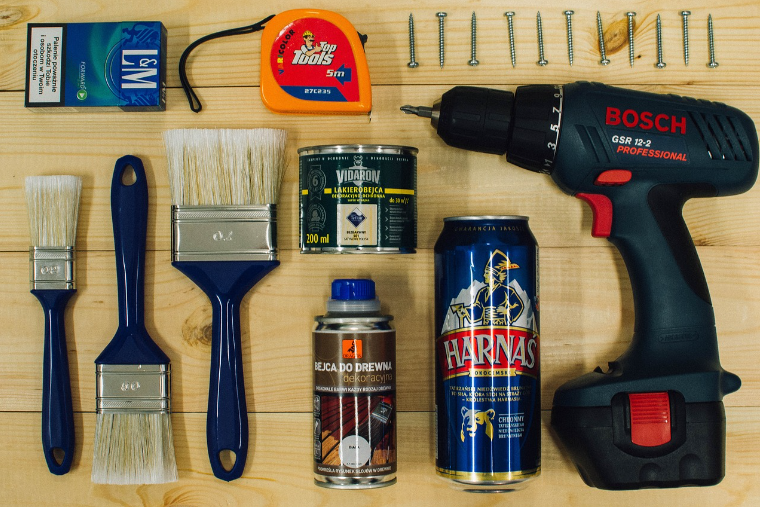
    A good set of tools will make your DIY journey smoother. Here are some essentials: a hammer, a drill, scissors, measuring tape, and a hot glue gun. These basics will cover most of your projects and help you tackle various tasks efficiently.

    Recommended Materials

    For materials, keep it simple. Paint, wood, fabric, and repurposed items can go a long way. Don’t forget to visit your local craft store or even your garage for items that can be upcycled!

    DIY Wall Art Projects

    Let’s kick off with some exciting wall art projects that can transform your walls into beautiful focal points.

    Canvas Painting

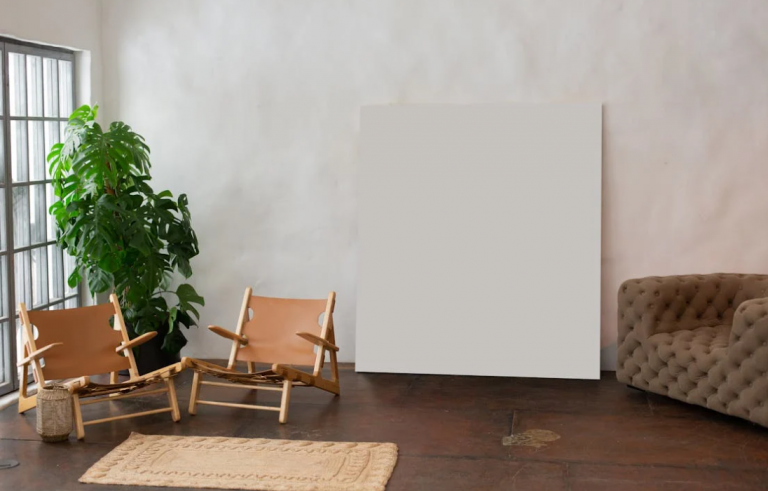
    Unleash your inner artist with a canvas painting project. Choose colors that complement your existing decor and create abstract designs or even simple landscapes. Not only is it fun, but it also provides a stunning visual impact in your space.

    Photo Collage

    Another easy project is a photo collage. Collect your favorite pictures and arrange them in a creative layout. You can use frames, washi tape, or even string and clothespins for a whimsical touch. This project adds a personal touch and brings back wonderful memories every time you see it.

    Creative Furniture Makeovers

    Want to give your furniture a fresh look? Here are some ideas for creative furniture makeovers.

    Upcycling Old Furniture

    Upcycling is a fantastic way to breathe new life into old furniture. A simple coat of paint can change the vibe of a piece entirely. Consider turning a dull dresser into a vibrant statement piece with some chalk paint. It’s a fun and eco-friendly project!

    Painting Techniques

    Explore different painting techniques like distressing, stenciling, or using patterned tape for stripes. Each method adds character and uniqueness to your furniture, making it a conversation starter in your home.

    Seasonal Decor Ideas

    Changing your decor with the seasons can keep your space feeling fresh and inviting. Here are some ideas.

    Fall Centerpieces

    For autumn, create a stunning centerpiece using pumpkins, gourds, and colorful leaves. Arrange them in a basket or on a decorative tray to bring the warmth of the season indoors.

    Summer Wreaths

    In summer, a floral wreath on your front door can add a cheerful touch. Use faux flowers and greenery for a long-lasting effect, or opt for fresh blooms for a delightful scent. It’s an easy DIY that welcomes guests warmly!

    Conclusion

    DIY home decor projects offer a fantastic way to personalize your space while saving money. From wall art to furniture makeovers, the possibilities are endless. So gather your materials, get creative, and transform your home into a unique reflection of your personality.

    FAQs

    1. What tools do I need to start DIY home decor projects?
      A basic toolkit with a hammer, drill, scissors, measuring tape, and a hot glue gun is essential.
    2. Can I use recycled materials for my projects?
      Absolutely! Upcycling is a great way to save money and be environmentally friendly.
    3. How do I choose colors for my DIY projects?
      Consider your existing decor and choose colors that complement or contrast well.
    4. Are there any beginner-friendly projects?
      Yes! Projects like canvas painting and photo collages are perfect for beginners.
    5. How often should I update my home decor?
      You can refresh your decor seasonally or whenever you feel like a change. It keeps your space feeling new and exciting!

    4o mini

  • How to Buy a Mattress: Your Ultimate Shopping Companion

    How to Buy a Mattress: Your Ultimate Shopping Companion

    Buying a mattress can be overwhelming, but it doesn’t have to be. With the right guidance, you can find the perfect mattress that suits your sleep needs and budget. Let’s delve into this ultimate shopping companion to help you make an informed decision!

    Understanding Your Sleep Needs

    Before diving into the types and features of mattresses, it’s crucial to understand your sleep needs. Are you a side sleeper who requires extra cushioning for your shoulders and hips? Or perhaps you’re a back sleeper needing firm support? Identifying your sleeping style can dramatically influence your choice.

    Importance of Sleep Quality

    Quality sleep is essential for overall health. A suitable mattress plays a pivotal role in achieving restful sleep. It supports your body, reduces tossing and turning, and ultimately contributes to your well-being. If you wake up feeling refreshed, chances are your mattress is doing its job.

    Types of Mattresses

    Now that you’ve assessed your needs, let’s explore the various mattress types available.

    Innerspring Mattresses

    Innerspring mattresses are the traditional choice. They consist of a core support system of coils, providing excellent bounce and airflow. If you prefer a firmer feel and enjoy sleeping on top of the mattress, this type might be ideal for you.

    Memory Foam Mattresses

    Memory foam mattresses are known for their contouring properties. They respond to your body heat and weight, creating a custom fit that relieves pressure points. If you like a “sinking in” sensation, this could be your go-to option.

    Latex Mattresses

    Latex mattresses offer a more resilient feel. They’re made from natural or synthetic rubber, providing good bounce and support. If you’re eco-conscious and prefer a mattress that’s durable and breathable, latex might be the way to go.

    Hybrid Mattresses

    Hybrid mattresses combine the best of both worlds—innerspring and foam. They typically feature a coil support system topped with layers of foam, providing both support and comfort. If you’re unsure what you want, a hybrid may offer the versatility you need.

    Key Features to Consider

    When shopping for a mattress, consider these critical features:

    Firmness Levels

    Firmness is subjective. A mattress that feels perfect to one person might not work for another. Test different firmness levels to find what feels right for you.

    Materials and Construction

    Look for high-quality materials that enhance comfort and durability. Natural materials can also provide better breathability.

    Motion Isolation

    If you share your bed, consider a mattress with good motion isolation. This feature minimizes disturbances when your partner moves, allowing for uninterrupted sleep.

    Temperature Regulation

    Some mattresses retain heat, making you feel uncomfortable. If you tend to sleep hot, look for options with cooling technology or breathable materials.

    Setting a Budget

    Setting a budget before shopping is crucial. Mattresses can range from a few hundred to several thousand dollars. Knowing your price range helps narrow down your options.

    Average Prices

    Expect to pay around $1,000 for a quality mattress, but prices can vary based on the type and brand. Be prepared to invest in your sleep!

    Testing Mattresses

    Before making a purchase, testing mattresses is vital.

    In-Store vs. Online

    In-store shopping allows you to feel the mattress, while online shopping offers convenience and often better prices. Weigh the pros and cons to decide which suits you best.

    Warranty and Return Policies

    Don’t overlook warranty and return policies. A good mattress should come with at least a 10-year warranty, and a generous return policy lets you test it at home without commitment.

    Conclusion

    Buying a mattress is a significant investment in your health and well-being. By understanding your needs, exploring different types, and considering essential features, you can find the perfect mattress that ensures restful sleep for years to come. Remember, quality sleep leads to a better life!

    FAQs

    1. How often should I replace my mattress?
      • Typically, every 7-10 years, depending on wear and comfort.
    2. Can I return a mattress after purchasing?
      • Many retailers offer a trial period; check their return policy for specifics.
    3. What firmness level is best for side sleepers?
      • Side sleepers often benefit from medium to soft mattresses for better pressure relief.
    4. Are organic mattresses worth the investment?
      • Organic mattresses can be more expensive but are often made with safer materials, benefiting your health and the environment.
    5. How can I make my mattress last longer?
      • Rotate it regularly, use a mattress protector, and keep it clean to extend its lifespan.
  • Upcycling Old Furniture: DIY Sustainability Projects

    Upcycling Old Furniture: DIY Sustainability Projects

    Introduction

    In recent years, the concept of upcycling has gained popularity as a sustainable and creative way to breathe new life into old furniture pieces. Upcycling involves transforming discarded or outdated furniture into unique, stylish, and functional pieces that fit modern aesthetics. This article explores the benefits of upcycling furniture, popular techniques, tools and materials needed, a step-by-step upcycling process, examples of upcycled furniture projects, tips for successful upcycling, the environmental impact of upcycling, and concludes with a series of FAQs to help beginners embark on their upcycling journey.

    Benefits of Upcycling Furniture

    Upcycling old furniture offers several benefits, both for individuals and the environment. From an environmental standpoint, upcycling reduces the amount of waste sent to landfills and conserves resources by giving existing materials a new life. It also helps in reducing the demand for new furniture production, which can be resource-intensive and contribute to deforestation.

    Popular Upcycling Techniques

    There are various upcycling techniques that can be applied to old furniture pieces, depending on the desired outcome and the condition of the furniture. Painting and staining are popular methods for giving furniture a fresh look, while decoupage involves decorating furniture with paper cutouts and sealing them with glue. Reupholstering is another common technique that involves replacing the fabric on chairs, sofas, and other upholstered furniture pieces. Adding hardware and embellishments, such as new knobs, handles, or decorative accents, can also enhance the appearance of upcycled furniture.

    Tools and Materials Needed

    To upcycle old furniture, you will need basic tools and materials such as paint, brushes, sandpaper, decoupage glue, fabric, sewing kit, hardware, and embellishments. These materials can be easily found at hardware stores, craft stores, or online retailers. It’s important to choose high-quality materials to ensure the longevity of your upcycled furniture.

    Step-by-Step Upcycling Process

    1. Selecting the furniture piece: Choose a sturdy piece of furniture with good bones that is suitable for the upcycling technique you have in mind.
    2. Preparing the furniture: Clean the furniture thoroughly and make any necessary repairs, such as filling in holes or sanding rough edges.
    3. Applying the chosen upcycling technique: Follow the specific instructions for the upcycling technique you have chosen, whether it’s painting, staining, decoupaging, or reupholstering.
    4. Finishing touches: Add any hardware or embellishments to complete the look of your upcycled furniture piece.

    Examples of Upcycled Furniture Projects

    • Before and after photos: Showcase the transformation of old furniture pieces into stylish and functional pieces.
    • Descriptions of the upcycling process: Provide detailed descriptions of the steps involved in upcycling each furniture piece, including the techniques used and the materials required.

    Tips for Successful Upcycling

    • Choosing the right furniture pieces: Look for furniture pieces that are made of solid wood or have a sturdy frame.
    • Proper preparation and techniques: Take your time to prepare the furniture properly and follow the instructions for the upcycling technique you are using.
    • Safety precautions: Wear appropriate safety gear, such as goggles and gloves, when working with tools and materials.

    Environmental Impact of Upcycling

    Upcycling old furniture plays a significant role in reducing waste and conserving resources. By upcycling furniture, you are contributing to a circular economy where materials are reused and repurposed, rather than disposed of after a single use. This helps in reducing the environmental impact of furniture production and disposal, making it a more sustainable option for furnishing your home.

    Conclusion

    Upcycling old furniture offers a sustainable and creative way to transform your living space. By upcycling furniture, you can reduce waste, conserve resources, and create unique pieces that reflect your personal style. Whether you’re a seasoned upcycler or just starting out, there are endless possibilities to explore. So, why not give it a try and upcycle your old furniture into something new and exciting?

    FAQs

    1. What is the difference between upcycling and recycling?
      • While recycling involves breaking down materials to create new products, upcycling involves repurposing materials without breaking them down, often resulting in a product of higher quality or value.
    2. Can any type of furniture be upcycled?
      • Yes, almost any type of furniture can be upcycled, as long as it is structurally sound and suitable for the chosen upcycling technique.
    3. How can I find inspiration for my upcycling projects?
      • You can find inspiration for your upcycling projects from home decor magazines, websites, social media platforms, and even nature.
    4. Are there any safety concerns when upcycling furniture?
      • Yes, it’s important to take proper safety precautions when upcycling furniture, such as wearing protective gear and working in a well-ventilated area.
    5. Where can I donate or sell my upcycled furniture pieces?
      • You can donate or sell your upcycled furniture pieces through online marketplaces, consignment shops, or local charity organizations.
  • DIY Bathroom Remodeling: Tips and Project Ideas

    DIY Bathroom Remodeling: Tips and Project Ideas

    Introduction

    Bathroom remodeling is a popular home improvement project that can enhance both the aesthetics and functionality of your space. While hiring professionals can be costly, many homeowners are turning to do-it-yourself (DIY) remodeling to save money and add a personal touch to their bathrooms. In this article, we will explore the benefits of DIY bathroom remodeling, provide practical tips for planning and executing your project, and offer project ideas to inspire your renovation.

    Benefits of DIY Bathroom Remodeling

    DIY bathroom remodeling offers several advantages over hiring professionals. First and foremost, it is cost-effective. By doing the work yourself, you can save on labor costs and only pay for materials. Additionally, DIY remodeling allows you to personalize your bathroom according to your preferences and style. Finally, completing a DIY project can provide a sense of accomplishment and pride in your home.

    Planning Your DIY Bathroom Remodel

    Before starting your DIY bathroom remodeling project, it’s essential to create a plan. Begin by setting a budget and determining how much you can afford to spend on materials and labor. Next, gather design inspiration from magazines, websites, and home improvement stores. Create a timeline for your project, taking into account any special events or holidays that may affect your schedule.

    Essential Tools and Materials

    To successfully complete your DIY bathroom remodeling project, you’ll need a variety of tools and materials. Common tools include a hammer, screwdriver, drill, level, and tape measure. Depending on the scope of your project, you may also need specialized tools such as a tile cutter or pipe wrench. Materials needed typically include tiles, grout, adhesive, paint, and fixtures.

    Preparation Steps

    Before beginning any demolition or construction work, it’s essential to prepare your bathroom. Start by clearing out all furniture, fixtures, and personal items. Next, assess the plumbing and electrical systems to ensure they are in good condition. Measure the space carefully and plan any layout changes, such as moving fixtures or adding new ones.

    DIY Bathroom Remodeling Projects

    There are several DIY projects you can undertake to transform your bathroom. Installing new fixtures, such as a new sink or toilet, can instantly update the look of the room. Tiling the floor and walls can add a touch of elegance, while painting or wallpapering can create a fresh, new look. Upgrading lighting and ventilation can improve the functionality and comfort of the space.

    Tips for Success

    To ensure your DIY bathroom remodeling project is a success, it’s essential to follow some key tips. First, always prioritize safety by wearing protective gear and following manufacturer’s instructions. If you’re unsure about a particular task, seek professional advice. Finally, properly dispose of any waste materials, including old fixtures and construction debris.

    Case Studies and Inspirational Examples

    To inspire your DIY bathroom remodeling project, consider looking at before-and-after transformations online or in home improvement magazines. These examples can provide ideas for layout, color schemes, and materials that you can use in your own renovation. Additionally, look for budget-friendly remodeling ideas that can help you save money while achieving a high-end look.

    Conclusion

    DIY bathroom remodeling can be a rewarding and cost-effective way to improve your home. By following the tips and project ideas outlined in this article, you can create a bathroom that is both beautiful and functional. Whether you’re looking to update a tired-looking bathroom or completely transform the space, DIY remodeling offers endless possibilities for customization and personalization.

    FAQs

    1. What are some cost-effective ways to remodel a bathroom?
      • You can save money by keeping the layout the same, focusing on cosmetic updates like painting or retiling, and shopping for fixtures and materials during sales.
    2. How long does a typical DIY bathroom remodeling project take?
      • The timeline for a DIY bathroom remodeling project can vary depending on the scope of work. However, most projects can be completed in 1-2 weeks with proper planning and preparation.
    3. Is it necessary to hire a professional for plumbing and electrical work?
      • While some DIY enthusiasts may feel comfortable tackling plumbing and electrical work, it’s often best to hire a professional to ensure the work is done safely and up to code.
    4. Can I remodel my bathroom if I have limited DIY experience?
      • Yes, you can still remodel your bathroom with limited DIY experience. Start with smaller projects, such as painting or replacing fixtures, and gradually work your way up to more complex tasks.
    5. What are some eco-friendly options for remodeling a bathroom?
      • Eco-friendly options for remodeling a bathroom include using low-flow fixtures, installing energy-efficient lighting, and choosing sustainable materials such as bamboo flooring or recycled glass tiles.
  • Creating the Perfect DIY Home Office Space

    Creating the Perfect DIY Home Office Space

    In today’s fast-paced world, more people are embracing the flexibility and convenience of working from home. Whether you’re a freelancer, entrepreneur, or remote worker, having a well-designed home office space is essential for productivity and comfort. While it may seem daunting, creating the perfect DIY home office space is achievable with the right planning and creativity.

    Introduction

    The concept of a home office has evolved beyond a simple workspace to a personalized sanctuary that reflects your style and boosts your productivity. Designing your home office allows you to tailor the space to your specific needs and preferences, creating a conducive environment for work and creativity.

    Choosing the Right Location

    The first step in creating your DIY home office is choosing the right location within your home. Consider a quiet area with minimal distractions, preferably away from high-traffic areas. Optimize natural light by positioning your desk near a window and ensure adequate ventilation for a comfortable working environment.

    Ergonomic Workspace Setup

    Investing in ergonomic furniture and accessories is crucial for a healthy and productive workspace. Choose a comfortable chair that supports your back and promotes good posture. Position your computer screen at eye level to reduce neck strain, and use a keyboard and mouse that allow for natural hand positioning.

    Organization and Storage Solutions

    Effective organization is key to maintaining a clutter-free workspace. Utilize storage furniture such as filing cabinets and shelves to keep paperwork and office supplies organized. Consider using wall-mounted organizers and desk organizers to maximize space and keep essentials within reach.

    Personalizing Your Space

    Adding personal touches to your home office can enhance motivation and creativity. Incorporate decor elements that inspire you, such as artwork, plants, or motivational quotes. Choose a color scheme that promotes a positive mood and reflects your personality.

    Technology Integration

    Integrating technology seamlessly into your home office can improve efficiency and streamline your workflow. Invest in essential tech tools such as a reliable computer, printer, and high-speed internet connection. Manage cables and wires effectively to maintain a clean and organized workspace.

    Green and Sustainable Practices

    Creating a sustainable home office is not only environmentally friendly but also promotes a healthier work environment. Use eco-friendly materials for furniture and decor, such as reclaimed wood or bamboo. Incorporate energy-efficient lighting and consider using plants to improve air quality.

    Creating a Productive Atmosphere

    Enhancing focus and productivity in your home office requires creating a balanced atmosphere. Designate specific areas for work and relaxation, and incorporate breaks into your schedule to avoid burnout. Use lighting and decor to create a comfortable and inspiring environment.

    Budget-Friendly DIY Ideas

    Designing a home office on a budget is possible with creative DIY ideas. Repurpose old furniture or thrift store finds to create unique pieces for your workspace. Use inexpensive materials such as plywood and pallets to build custom furniture and decor items.

    Maintaining Your Home Office

    Regular maintenance and organization are essential for keeping your home office functional and efficient. Schedule regular cleanings to keep dust and clutter at bay, and declutter regularly to maintain a productive workspace. Incorporate storage solutions that make it easy to stay organized.

    Conclusion

    Creating the perfect DIY home office space is a rewarding project that allows you to tailor your workspace to your needs and preferences. By following these tips and ideas, you can design a functional, comfortable, and inspiring home office that enhances your productivity and creativity.

    FAQs

    1. What are the essential elements of a DIY home office? Essential elements include a comfortable desk and chair, adequate lighting, and storage solutions for organizing paperwork and office supplies.
    2. How can I maximize space in a small home office? Utilize vertical space with wall-mounted shelves and organizers, and choose furniture that doubles as storage, such as a desk with drawers or a file cabinet.
    3. What are some budget-friendly ways to enhance my home office? Repurpose furniture and decor items you already have, shop at thrift stores or garage sales for affordable finds, and consider DIY projects for customization.
    4. How can I maintain a healthy work-life balance while working from home? Set boundaries between work and personal time, schedule regular breaks, and create a designated workspace that you can leave at the end of the day.
    5. What are some creative ways to personalize my home office space? Incorporate personal items such as photos, artwork, or souvenirs, choose a color scheme that reflects your personality, and add plants for a touch of nature.
  • “From Drab to Fab: DIY Furniture Makeover Projects”

    “From Drab to Fab: DIY Furniture Makeover Projects”

    Introduction

    In recent years, do-it-yourself (DIY) furniture makeovers have become increasingly popular as people seek creative ways to update their living spaces. This article explores the world of DIY furniture makeovers, providing inspiration and practical tips for transforming drab furniture into fabulous pieces that reflect personal style and creativity.

    Benefits of DIY Furniture Makeovers

    DIY furniture makeovers offer several benefits. Firstly, they are a cost-effective way to update furniture, saving money compared to buying new pieces. Secondly, DIY makeovers allow for customization, enabling individuals to create furniture that suits their personal style and preferences. Lastly, repurposing old furniture is environmentally friendly, as it reduces waste by recycling existing pieces.

    Essential Tools and Materials

    Before beginning a furniture makeover project, it’s essential to gather the necessary tools and materials. Some common tools include sandpaper, paintbrushes, and a drop cloth. Materials such as paint, primer, and protective finishes are also required.

    Preparation

    Proper preparation is key to a successful furniture makeover. This includes cleaning the furniture thoroughly and sanding any rough surfaces. Additionally, selecting the right workspace with adequate ventilation is important for achieving professional results.

    Painting Techniques

    There are various painting techniques that can be used to transform furniture. Brush painting is the most common method, but sponging and spraying are also effective. Tips for achieving a smooth, even finish include using thin coats of paint and allowing sufficient drying time between coats.

    Stenciling and Decoupage

    Stenciling and decoupage are creative techniques that can add character to furniture makeovers. Stencils can be used to create intricate designs, while decoupage involves applying decorative paper or fabric to the furniture surface. These techniques allow for endless customization possibilities.

    Distressing and Aging

    For those looking to achieve a vintage or rustic look, distressing and aging techniques can be used. Distressing involves creating wear and tear on the furniture, while aging techniques give the appearance of age and patina. These techniques add charm and character to the finished piece.

    Finishing Touches

    Adding hardware, such as handles and knobs, can further enhance the look of a DIY furniture makeover. Additionally, applying a protective finish, such as varnish or wax, will help to preserve the new look and protect the furniture from damage.

    Showcasing DIY Furniture Makeovers

    Once a furniture makeover is complete, there are many creative ways to showcase the transformed piece. From using it as a focal point in a room to incorporating it into a themed space, the possibilities are endless. Before-and-after photos can also inspire others to embark on their own DIY projects.

    Conclusion

    In conclusion, DIY furniture makeovers are a fun and rewarding way to update your home decor. By following the tips and techniques outlined in this article, you can transform drab furniture into fabulous pieces that reflect your personality and style. So, roll up your sleeves, unleash your creativity, and get ready to turn the ordinary into the extraordinary!

  • The Art of Home Decor Shopping: A Comprehensive Guide

    The Art of Home Decor Shopping: A Comprehensive Guide


    Introduction

    The ambiance of our homes is a reflection of our personalities and tastes. Home decor plays a pivotal role in transforming living spaces into sanctuaries of comfort and style. In this comprehensive guide, we delve into the art of home decor shopping, offering insights, tips, and strategies to curate spaces that resonate with individual preferences.

    Understanding Your Style

    Before embarking on a home decor shopping spree, it’s essential to understand your personal style preferences. Take time to assess what appeals to you aesthetically and emotionally. Are you drawn to minimalist designs, or do you prefer cozy and eclectic spaces? Identifying decor themes that align with your taste will serve as a guiding light throughout the shopping process.

    Setting a Budget

    Home decor shopping can be exhilarating but also financially daunting. Setting a budget is crucial to ensure that your purchases align with your financial goals. Whether you’re furnishing a new home or refreshing existing decor, establishing a budget will help prioritize expenditures and prevent overspending.

    Researching Trends

    Stay abreast of the latest trends in home decor while also considering timeless elements that withstand fleeting fads. Browse through design magazines, visit furniture showrooms, and explore online platforms for inspiration. Strike a balance between contemporary styles and enduring classics to create a decor scheme that transcends trends.

    Choosing Furniture

    Furniture serves as the foundation of any home decor scheme, dictating the overall aesthetic and functionality of a space. Consider factors such as size, scale, and layout when selecting pieces for your home. Opt for furniture that not only complements your decor theme but also prioritizes comfort and practicality.

    Selecting Decorative Accessories

    Inject personality into your living spaces with carefully curated decorative accessories. From throw pillows and rugs to art pieces and sculptures, accents play a pivotal role in adding visual interest and depth to a room. Experiment with textures, colors, and patterns to create a cohesive and inviting atmosphere.

    Lighting Solutions

    Lighting is a key component of home decor, influencing the ambiance and mood of a space. Explore a variety of lighting fixtures, including overhead lights, lamps, and sconces, to illuminate different areas of your home effectively. Strike a balance between task lighting, ambient lighting, and accent lighting to create a warm and inviting environment.

    Wall Decor

    Blank walls offer a canvas for creative expression and personalization. Explore various wall decor options, such as artwork, mirrors, and wall decals, to infuse character into your living spaces. Create focal points and visual interest by arranging wall decor strategically and experimenting with different layouts.

    Flooring Options

    Flooring sets the stage for your home decor, providing a backdrop for furniture and accents. Consider factors such as durability, maintenance, and aesthetic appeal when choosing flooring materials. From hardwood and laminate to tile and carpet, explore options that suit your lifestyle and design preferences.

    Window Treatments

    Window treatments not only enhance privacy but also contribute to the overall aesthetic of a room. Explore a variety of options, including curtains, blinds, and shades, to complement your decor theme and control natural light levels effectively. Choose fabrics, patterns, and textures that add depth and dimension to your windows.

    Greenery and Plants

    Introduce a touch of nature into your living spaces with indoor plants and greenery. Apart from their aesthetic appeal, plants offer numerous health benefits, including improved air quality and stress reduction. Choose low-maintenance plants that thrive indoors and complement your decor style effortlessly.

    Shopping Strategies

    Navigate the world of home decor shopping with confidence by employing effective strategies. Whether you prefer browsing online stores or exploring brick-and-mortar establishments, conduct thorough research before making purchasing decisions. Compare prices, read reviews, and leverage discounts and promotions to maximize savings.

    DIY Projects

    Add a personal touch to your home decor by incorporating DIY projects into your design scheme. From upcycling old furniture to crafting custom decor pieces, DIY endeavors allow for creative expression and customization. Explore tutorials and project ideas online to embark on budget-friendly and fulfilling DIY adventures.

    Sustainability in Home Decor

    Embrace sustainability in home decor by opting for eco-friendly materials and practices. From repurposing furniture to investing in energy-efficient appliances, there are numerous ways to minimize your environmental footprint while beautifying your living spaces. Embrace the ethos of reduce, reuse, and recycle to create a sustainable and stylish home environment.

    Conclusion

    In conclusion, the art of home decor shopping is a multifaceted journey that involves self-expression, creativity, and practicality. By understanding your style preferences, setting a budget, and exploring diverse decor elements, you can curate living spaces that reflect your personality and enhance your quality of life. Embrace the process with enthusiasm and confidence, knowing that each decor choice contributes to the creation of a harmonious and inviting home environment.

    FAQs

    1. How do I determine my personal decor style?Assess your preferences by exploring design inspirations, creating mood boards, and reflecting on spaces that resonate with you emotionally.
    2. What are some budget-friendly home decor shopping tips?Look for sales, discounts, and clearance items, consider DIY projects, and prioritize essential purchases while gradually adding decorative accents.
    3. How can I incorporate sustainable practices into my home decor?Choose eco-friendly materials, repurpose existing items, support local artisans and businesses, and prioritize energy-efficient appliances and fixtures.
    4. What are some common mistakes to avoid when shopping for home decor?Avoid impulse buying, neglecting measurements, overlooking functionality, and prioritizing trends over personal style and comfort.
    5. What are some effective strategies for maximizing natural light in a home?Keep windows unobstructed, choose light-colored window treatments, strategically place mirrors to reflect light, and consider installing skylights or solar tubes for additional illumination.
  • DIY Home Organization Hacks: Declutter Your Space

    DIY Home Organization Hacks: Declutter Your Space

    Introduction

    Welcome to the ultimate guide on DIY home organization hacks. In today’s fast-paced world, maintaining a clutter-free and organized living space is essential for promoting a sense of calm and productivity. Whether you’re a busy professional, a parent juggling multiple responsibilities, or someone simply looking to enhance their living environment, these tips and tricks will help you declutter your space and reclaim control over your surroundings.

    Benefits of Home Organization

    Effective home organization goes beyond just aesthetics; it offers numerous benefits for your mental and physical well-being. By decluttering and organizing your space, you can significantly reduce stress levels, increase productivity, save time, and improve mental clarity. Studies have shown that living in a tidy environment can positively impact mood and overall quality of life.

    Assessment of Current Situation

    Before diving into the world of DIY organization, it’s essential to assess your current living situation. Take a critical look at each room in your home and identify areas that need attention. Is your kitchen counter overrun with appliances? Are your closets overflowing with clothes you no longer wear? By pinpointing problem areas, you can develop targeted strategies for decluttering and organizing.

    Decluttering Strategies

    Decluttering can be a daunting task, but breaking it down into manageable steps can make the process more manageable. Start small by tackling one area at a time, such as a single closet or drawer. As you sort through your belongings, use the “Keep, Donate, Toss” method to determine which items are essential, which can be donated or sold, and which should be discarded.

    DIY Organization Hacks

    Fortunately, you don’t need to invest in expensive storage solutions to achieve a clutter-free home. Many everyday items can be repurposed for organization purposes. For example, use mason jars to store kitchen utensils or shoe organizers to corral cleaning supplies. Additionally, make use of vertical space by installing shelves or hooks to keep items off the floor and maximize storage.

    Room-by-Room Organization Tips

    Each room in your home presents its own unique organization challenges. In the kitchen, maximize cabinet space by installing wire racks or lazy Susans. In the bedroom, invest in under-bed storage containers to keep seasonal clothing out of sight. In the bathroom, use drawer dividers to organize toiletries and makeup. And in the living room, incorporate storage ottomans or baskets to keep blankets and remote controls tidy.

    Maintenance and Sustainability

    Once you’ve decluttered and organized your home, the key is to maintain your newfound sense of order. Develop a regular cleaning and organizing routine to prevent clutter from accumulating. Avoid impulse purchases and carefully consider whether new items are necessary before bringing them into your home. By adopting sustainable practices and being mindful of your consumption habits, you can create a more organized and sustainable living environment.

    Incorporating Minimalism

    Minimalism is a lifestyle philosophy that emphasizes simplicity and the removal of excess. By embracing minimalism in your home organization efforts, you can streamline your possessions and focus on the things that truly matter. Start by decluttering ruthlessly and only keeping items that serve a purpose or bring you joy. Embrace open spaces and prioritize quality over quantity in your home decor choices.

    DIY Home Decor Projects

    Organization doesn’t have to be purely functional; it can also be an opportunity to enhance your home’s aesthetic appeal. Get creative with DIY home decor projects that incorporate organization into your living space. For example, create a gallery wall using floating shelves to display books and decorative items while keeping surfaces clear. Or repurpose old crates or pallets into stylish storage solutions that double as decor.

    Dealing with Sentimental Items

    One of the biggest challenges of decluttering is dealing with sentimental items. Whether it’s childhood mementos, gifts from loved ones, or keepsakes from special events, these items can be challenging to part with. However, it’s essential to remember that memories reside in our hearts, not in physical objects. When decluttering sentimental items, focus on preserving the memories rather than holding onto the objects themselves.

    Digital Organization Tips

    In today’s digital age, it’s not just our physical spaces that require organization; our digital spaces also need attention. Take the time to declutter your digital devices by organizing files, deleting unused apps, and unsubscribing from unnecessary emails. Use cloud storage services to backup important documents and photos, and create a system for organizing files and folders to streamline digital workflows.

    Benefits of Professional Organizers

    If you’re feeling overwhelmed by the decluttering process or simply don’t know where to start, consider hiring a professional organizer. These experts are trained to assess your space, develop customized organization solutions, and implement systems that work for your lifestyle. While hiring a professional organizer may be an investment, the time and stress you’ll save in the long run can be well worth it.

    Budget-Friendly Organization Solutions

    Organizing your home doesn’t have to break the bank. There are plenty of budget-friendly organization solutions available, from dollar store bins and baskets to DIY projects using materials you already have on hand. Get creative and think outside the box when it comes to storage solutions, and remember that organization is more about function than aesthetics.

    Creating a Functional and Aesthetic Space

    Ultimately, the goal of home organization is to create a space that is both functional and aesthetically pleasing. Balance practicality with style by choosing storage solutions that complement your decor and enhance the overall look of your home. Incorporate elements of design, such as color coordination and texture, to create visually appealing organization systems that you’ll be proud to show off.

    Conclusion

    In conclusion, DIY home organization is a powerful tool for transforming your living space and improving your quality of life. By following the tips and strategies outlined in this guide, you can declutter your home, reduce stress, and create a more functional and aesthetically pleasing environment. Remember that organization is a journey, not a destination, so be patient with yourself and celebrate your progress along the way.

    FAQs

    1. How long does it take to declutter an entire home?
      • The time it takes to declutter a home depends on various factors, including the size of the space and the amount of clutter. It could take anywhere from a few days to several weeks to complete the process thoroughly.
    2. What should I do with items I no longer need?
      • Consider donating gently used items to local charities or organizations in need. You can also sell items online through platforms like eBay or Facebook Marketplace, or host a garage sale to declutter and make some extra cash.
    3. How can I maintain an organized home with a busy schedule?
      • Set aside small chunks of time each day or week to tackle specific organizing tasks. Consistency is key, so even dedicating just 15-30 minutes a day to decluttering and tidying up can make a significant difference over time.
    4. What are some common mistakes to avoid when decluttering?
      • One common mistake is trying to tackle too much at once, which can quickly lead to overwhelm and burnout. Start small and focus on one area at a time. Another mistake is holding onto items out of guilt or obligation. Remember that it’s okay to let go of things that no longer serve you.
    5. How do I prevent clutter from accumulating in the future?
      • Adopt a mindful approach to consumption and regularly reassess your belongings to ensure they still serve a purpose or bring you joy. Practice the “one in, one out” rule, where you only bring a new item into your home if you’re willing to part with something else.
  • Building a Backyard Oasis: DIY Patio and Garden Projects

    Building a Backyard Oasis: DIY Patio and Garden Projects

    Imagine stepping out into your backyard and being transported to a serene oasis right at your doorstep. A place where you can unwind after a long day, entertain guests, or simply reconnect with nature. Creating such a space might seem like a daunting task, but with the right planning and a touch of creativity, you can transform your backyard into your own personal paradise. In this guide, we’ll explore the steps involved in building a backyard oasis through DIY patio and garden projects.

    Introduction

    In today’s fast-paced world, having a peaceful retreat in your own backyard has become more important than ever. A well-designed outdoor space not only enhances the aesthetic appeal of your home but also serves as a sanctuary where you can relax and recharge. Building a backyard oasis allows you to make the most of your outdoor area while adding value to your property.

    1. Benefits of Building a Backyard Oasis

    Creating a backyard oasis offers a myriad of benefits for homeowners. From improving mental well-being to increasing property value, here are some compelling reasons to embark on this DIY journey:

    2. Planning Your Patio and Garden

    Before diving into any DIY projects, it’s crucial to lay down a solid plan. Here are some key steps to consider during the planning phase:

    2.1 Assessing Your Space

    Evaluate the size and layout of your backyard to determine the best locations for your patio and garden elements. Consider factors such as sunlight exposure, existing landscaping, and any potential obstacles.

    2.2 Setting a Budget

    Decide on a realistic budget for your backyard oasis project. Research the costs of materials and labor for various DIY projects to ensure that your budget aligns with your vision.

    3. DIY Patio Projects

    The foundation of your backyard oasis begins with the patio. Here are a couple of DIY projects to consider:

    3.1 Installing Pavers

    Transform your outdoor space with a stylish paver patio. This DIY project involves laying down pavers in a pattern of your choice to create a durable and visually appealing surface.

    3.2 Building a Deck

    For a more elevated look, consider building a deck in your backyard. Whether you opt for wood or composite materials, a well-designed deck provides the perfect space for outdoor dining and relaxation.

    4. Garden Enhancement Projects

    Enhancing your garden is key to creating a vibrant and inviting outdoor oasis. Here are a few DIY projects to spruce up your green space:

    4.1 Creating Raised Beds

    Constructing raised beds allows you to grow a variety of plants while adding dimension to your garden. Choose durable materials such as cedar or composite lumber for long-lasting raised beds.

    4.2 Installing a Water Feature

    Introduce the soothing sound of running water into your backyard with a DIY water feature. Whether it’s a tranquil pond or a cascading fountain, a water feature adds an element of serenity to your outdoor space.

    5. Landscaping and Greenery

    Selecting the right plants and landscaping features is essential for creating a cohesive and visually appealing backyard oasis. Consider the following tips:

    5.1 Choosing the Right Plants

    Opt for low-maintenance plants that thrive in your climate and soil conditions. Incorporate a mix of flowers, shrubs, and trees to add color and texture to your garden.

    5.2 Implementing Landscape Design

    Create a cohesive look by incorporating elements of landscape design such as focal points, pathways, and outdoor lighting. Experiment with different textures and heights to add visual interest to your outdoor space.

    Conclusion

    Transforming your backyard into a tranquil oasis through DIY patio and garden projects is a rewarding endeavor that allows you to express your creativity and enhance your outdoor living experience. By carefully planning and executing each project, you can create a space that brings joy and relaxation to you and your loved ones for years to come.

    FAQs

    1. What are the benefits of building a backyard oasis?
      • A backyard oasis provides a peaceful retreat for relaxation, enhances the aesthetic appeal of your home, and increases property value.
    2. How do I determine the right location for my patio and garden?
      • Assess factors such as sunlight exposure, existing landscaping, and potential obstacles to identify the best locations for your outdoor elements.
    3. What materials should I use for constructing raised beds?
      • Opt for durable materials such as cedar or composite lumber to ensure long-lasting raised beds for your garden.
    4. How can I choose the right plants for my backyard oasis?
      • Select low-maintenance plants that thrive in your climate and soil conditions, and consider incorporating a mix of flowers, shrubs, and trees for visual interest.
    5. What are some tips for implementing landscape design in my backyard?
      • Incorporate elements such as focal points, pathways, and outdoor lighting to create a cohesive and visually appealing outdoor space. Experiment with different textures and heights for added visual interest.
  • DIY Home Improvement: A Beginner’s Guide to Success

    DIY Home Improvement: A Beginner’s Guide to Success

    Home improvement projects can be both rewarding and cost-effective when done independently. This beginner’s guide aims to provide insights into the world of DIY home improvement, ensuring success and satisfaction for those just starting on their journey.

    Introduction

    Embarking on DIY home improvement projects can be a fulfilling adventure, allowing individuals to enhance their living spaces while gaining a sense of accomplishment. For beginners, the world of do-it-yourself renovations might seem overwhelming, but with the right guidance, anyone can successfully undertake and complete projects, big or small.

    Benefits of DIY Home Improvement

    Cost-effectiveness

    One of the primary advantages of DIY projects is the potential cost savings. By eliminating labor costs, individuals can invest more in quality materials, resulting in a higher-end finished product.

    Sense of Accomplishment

    Completing a DIY project brings a unique sense of achievement. Witnessing the transformation of a space through your efforts fosters a deep connection with your home.

    Personalization of Living Space

    DIY projects allow for a personal touch in home design. Customizing elements according to individual preferences creates a unique and inviting environment.

    Essential Tools for Beginners

    Basic Hand Tools

    Every DIY enthusiast should have a set of basic hand tools, including a hammer, screwdrivers, pliers, and measuring tape. These tools form the foundation for a wide range of projects.

    Power Tools for Common Projects

    Investing in a few power tools, such as a drill and a jigsaw, expands the range of projects one can tackle. These tools offer efficiency and precision, making tasks more manageable for beginners.

    Choosing the Right DIY Project

    Assessing Skill Level

    Start with projects that match your current skill level. As proficiency grows, gradually take on more complex tasks to avoid becoming overwhelmed.

    Considering Time and Budget Constraints

    Select projects that align with the time and budget you can realistically allocate. This ensures a smoother experience without unnecessary stress.

    Safety Measures in DIY Home Improvement

    Importance of Safety Gear

    Prioritize safety by investing in protective gear such as gloves, safety glasses, and ear protection. Ensuring a safe working environment is crucial.

    Common Safety Guidelines

    Follow basic safety guidelines, such as proper tool usage, secure workspaces, and adherence to project-specific safety recommendations.

    Planning and Preparation

    Creating a Detailed Project Plan

    Outline each step of the project in advance. A well-thought-out plan helps to avoid confusion and ensures a systematic approach.

    Gathering Necessary Materials

    Compile all required materials before starting the project. This minimizes disruptions and keeps the workflow smooth.

    Step-by-Step Guide for a Basic DIY Project

    Breaking Down the Process

    Divide the project into smaller, manageable steps. This approach simplifies the overall task and allows for a clearer focus on each phase.

    Troubleshooting Common Issues

    Anticipate potential challenges and research solutions in advance. Being prepared for common problems prevents frustration and project delays.

    Common Mistakes to Avoid

    Underestimating Project Complexity

    Accurately assess the difficulty of a project. Underestimating complexity can lead to frustration and incomplete work.

    Skipping Proper Measurements and Planning

    Precision is key. Skipping accurate measurements and planning can result in costly mistakes that could have been easily avoided.

    Seeking Professional Advice

    Knowing When to Ask for Help

    There’s no shame in seeking assistance when needed. If a project becomes too challenging, consulting with professionals ensures a successful outcome.

    Utilizing Online Resources

    Numerous online platforms provide tutorials, forums, and expert advice. Leverage these resources to enhance your DIY skills and knowledge.

    DIY Home Improvement and Property Value

    Impact on Home Resale Value

    Well-executed DIY projects can significantly increase the resale value of a home. Potential buyers are often attracted to personalized and carefully maintained spaces.

    Attractive Features for Potential Buyers

    Consider popular DIY projects that add value, such as kitchen and bathroom renovations or outdoor improvements. These can make your property more appealing to potential buyers.

    Success Stories of DIY Beginners

    Real-life Examples of Successful Projects

    Explore inspiring stories of beginners who have successfully completed DIY projects. Learning from others’ experiences can boost confidence and motivation.

    Lessons Learned from Initial Attempts

    Acknowledge that mistakes happen, and they are part of the learning process. Reflect on challenges and use them as stepping stones to improvement.

    DIY Home Improvement Communities

    Online Forums and Social Media Groups

    Joining DIY communities provides a platform to share experiences, seek advice, and celebrate successes with like-minded individuals.

    Building a Support Network

    Connecting with other DIY enthusiasts fosters a sense of community. Having a support network can be invaluable during challenging projects.

    Environmental Impact of DIY Projects

    Sustainable Materials and Practices

    Consider eco-friendly options when selecting materials. Sustainable practices contribute to reducing the environmental footprint of DIY projects.

    Reducing Carbon Footprint through DIY

    DIY projects allow individuals to make conscious choices, such as upcycling and repurposing materials, contributing to a more sustainable lifestyle.

    Staying Inspired and Motivated

    Setting Achievable Goals

    Establish realistic goals for each project. Achieving smaller milestones keeps motivation high and makes the overall process more enjoyable.

    Celebrating Small Victories

    Acknowledge and celebrate each completed project, no matter how small. Recognizing achievements boosts confidence and encourages continuous improvement.

    Conclusion

    Embarking on a DIY home improvement journey as a beginner is both exciting and fulfilling. By following the outlined steps, acquiring essential skills and knowledge, and staying connected with the DIY community, success is not only achievable but also incredibly rewarding.


    FAQs: DIY Home Improvement for Beginners

    1. Q: Is it necessary to invest in power tools for beginner projects?
      • A: While basic hand tools suffice for some projects, having a few power tools can enhance efficiency and open up a broader range of possibilities.
    2. Q: How can I find suitable DIY projects for my skill level?
      • A: Assess your current skills and start with simple projects. Gradually take on more challenging tasks as you gain confidence.
    3. Q: What safety measures should I prioritize in DIY home improvement?
      • A: Always wear appropriate safety gear, follow guidelines for tool usage, and maintain a secure and organized workspace.
    4. Q: How can DIY projects impact the resale value of my home?
      • A: Well-executed DIY projects can significantly increase the resale value by creating a personalized and well-maintained living space.
    5. Q: What online resources are helpful for DIY beginners?
      • A: Online forums, social media groups, and tutorial websites are excellent resources for learning new skills, troubleshooting, and gaining inspiration.