Author: worthbuyingnow

  • Easy DIY Home Decor Ideas to Personalize Your Space

    Easy DIY Home Decor Ideas to Personalize Your Space

    Are you looking to spruce up your living space without breaking the bank? DIY home decor projects offer the perfect solution. Not only do they allow you to express your creativity, but they also help you create a personalized environment that reflects your style. In this article, we’ll explore some easy and fun DIY home decor ideas to make your space truly yours.

    Benefits of DIY Home Decor

    Before diving into the projects, let’s take a moment to consider why DIY home decor is worth your time.

    Cost-Effectiveness

    One of the primary benefits of DIY is cost savings. Instead of spending a fortune on ready-made decor, you can create stunning pieces using materials you may already have at home. Plus, crafting your decor can help you avoid those pricey markups often found in stores.

    Personalization

    Another advantage is the ability to personalize your space. With DIY projects, you can choose colors, patterns, and themes that resonate with you. This ensures that your home truly reflects your personality and taste, creating a warm and inviting atmosphere.

    Essential Tools and Materials

    Before you start, it’s essential to gather the right tools and materials for your DIY projects.

    Basic Tools for DIY Projects

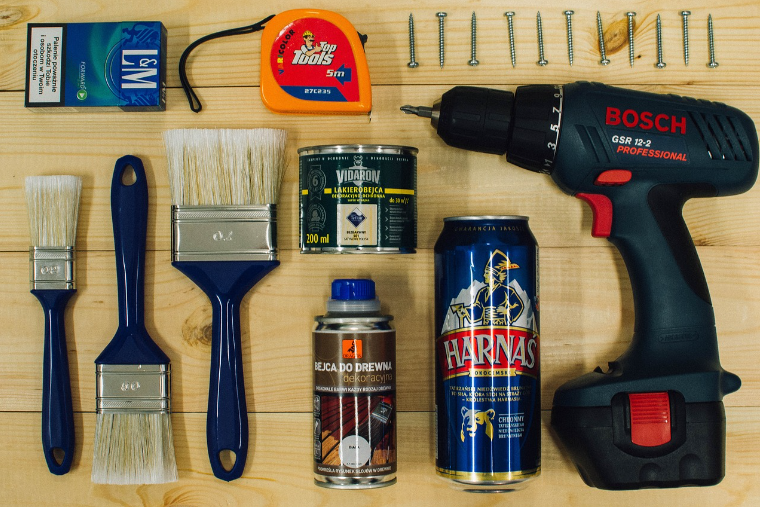
    A good set of tools will make your DIY journey smoother. Here are some essentials: a hammer, a drill, scissors, measuring tape, and a hot glue gun. These basics will cover most of your projects and help you tackle various tasks efficiently.
    Recommended Materials

    For materials, keep it simple. Paint, wood, fabric, and repurposed items can go a long way. Don’t forget to visit your local craft store or even your garage for items that can be upcycled!

    DIY Wall Art Projects

    Let’s kick off with some exciting wall art projects that can transform your walls into beautiful focal points.

    Canvas Painting

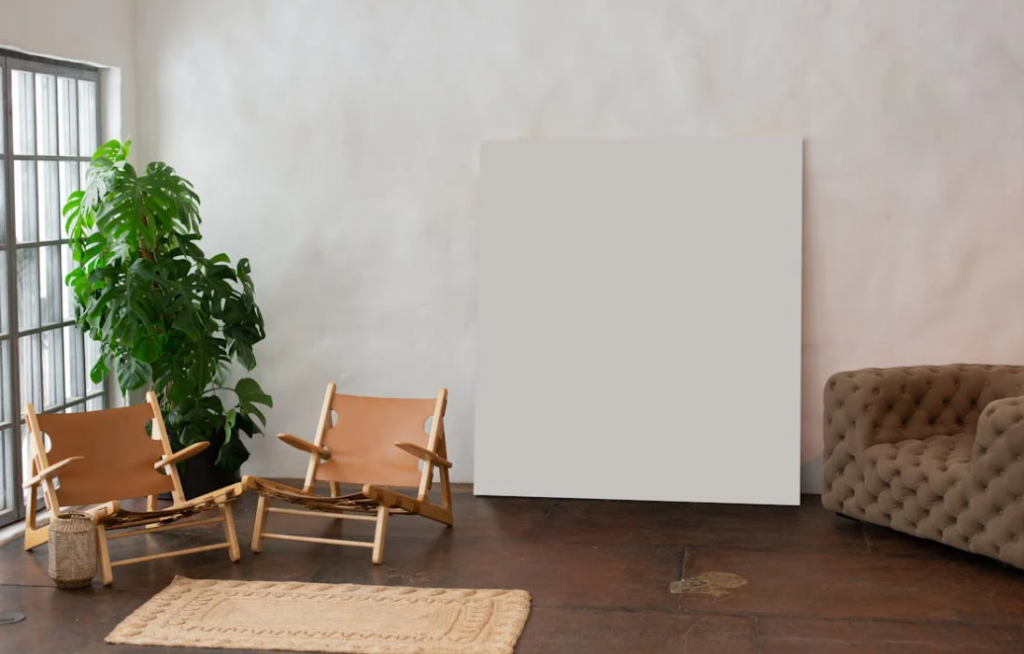
    Unleash your inner artist with a canvas painting project. Choose colors that complement your existing decor and create abstract designs or even simple landscapes. Not only is it fun, but it also provides a stunning visual impact in your space.

    Photo Collage

    Another easy project is a photo collage. Collect your favorite pictures and arrange them in a creative layout. You can use frames, washi tape, or even string and clothespins for a whimsical touch. This project adds a personal touch and brings back wonderful memories every time you see it.

    Creative Furniture Makeovers

    Want to give your furniture a fresh look? Here are some ideas for creative furniture makeovers.

    Upcycling Old Furniture
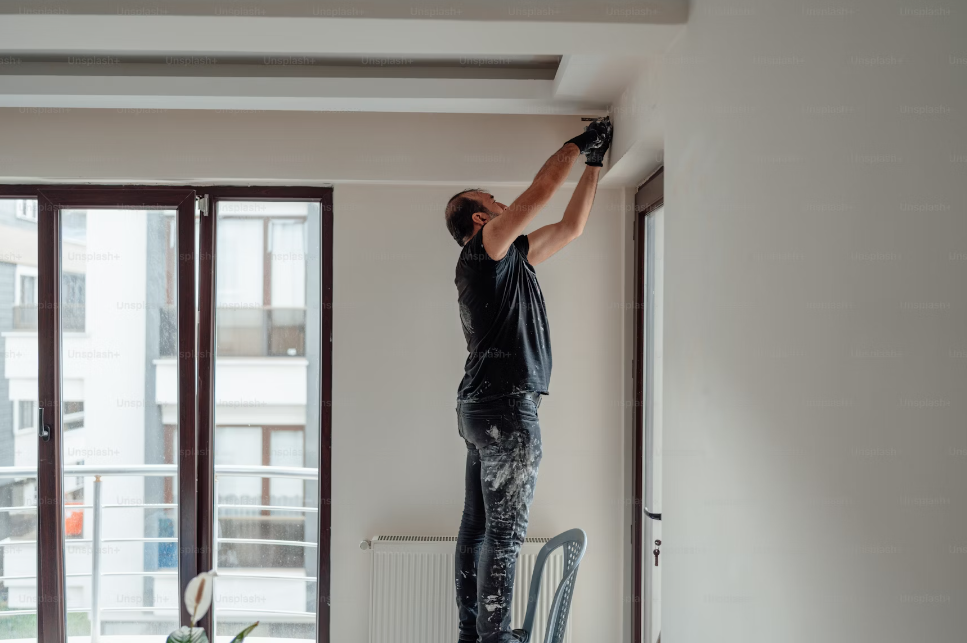
    Upcycling is a fantastic way to breathe new life into old furniture. A simple coat of paint can change the vibe of a piece entirely. Consider turning a dull dresser into a vibrant statement piece with some chalk paint. It’s a fun and eco-friendly project!

    Painting Techniques

    Explore different painting techniques like distressing, stenciling, or using patterned tape for stripes. Each method adds character and uniqueness to your furniture, making it a conversation starter in your home.

    Seasonal Decor Ideas

    Changing your decor with the seasons can keep your space feeling fresh and inviting. Here are some ideas.

    Fall Centerpieces

    For autumn, create a stunning centerpiece using pumpkins, gourds, and colorful leaves. Arrange them in a basket or on a decorative tray to bring the warmth of the season indoors.

    Summer Wreaths

    In summer, a floral wreath on your front door can add a cheerful touch. Use faux flowers and greenery for a long-lasting effect, or opt for fresh blooms for a delightful scent. It’s an easy DIY that welcomes guests warmly!

    Conclusion

    DIY home decor projects offer a fantastic way to personalize your space while saving money. From wall art to furniture makeovers, the possibilities are endless. So gather your materials, get creative, and transform your home into a unique reflection of your personality.
    FAQs

    1. What tools do I need to start DIY home decor projects?
      A basic toolkit with a hammer, drill, scissors, measuring tape, and a hot glue gun is essential.
    2. Can I use recycled materials for my projects?
      Absolutely! Upcycling is a great way to save money and be environmentally friendly.
    3. How do I choose colors for my DIY projects?
      Consider your existing decor and choose colors that complement or contrast well.
    4. Are there any beginner-friendly projects?
      Yes! Projects like canvas painting and photo collages are perfect for beginners.
    5. How often should I update my home decor?
      You can refresh your decor seasonally or whenever you feel like a change. It keeps your space feeling new and exciting!

    4o mini
  • Kids’ Room Makeovers: Fun and Functional Designs

    Kids’ Room Makeovers: Fun and Functional Designs

    Why a Makeover? The Importance of Kids’ Spaces

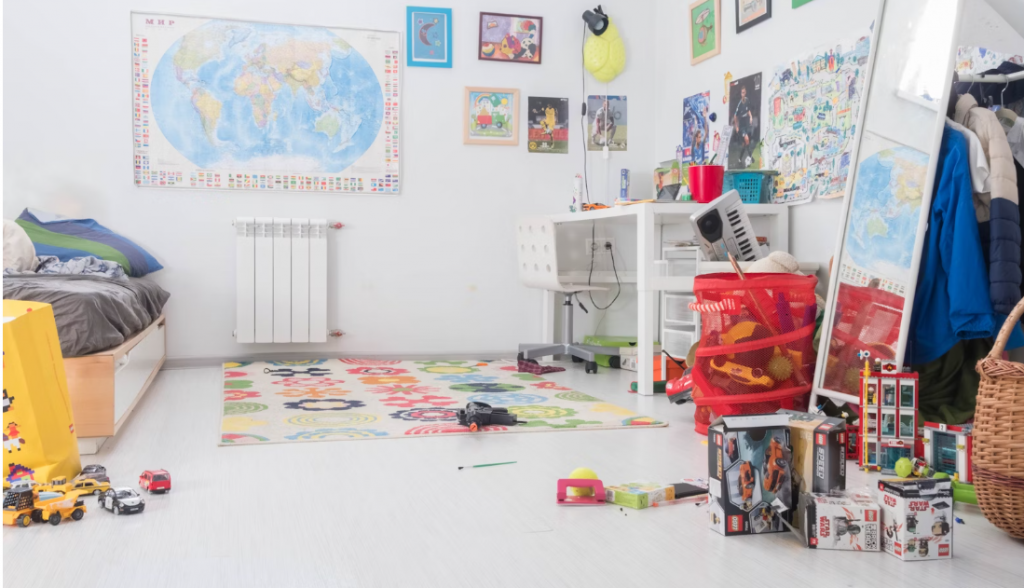
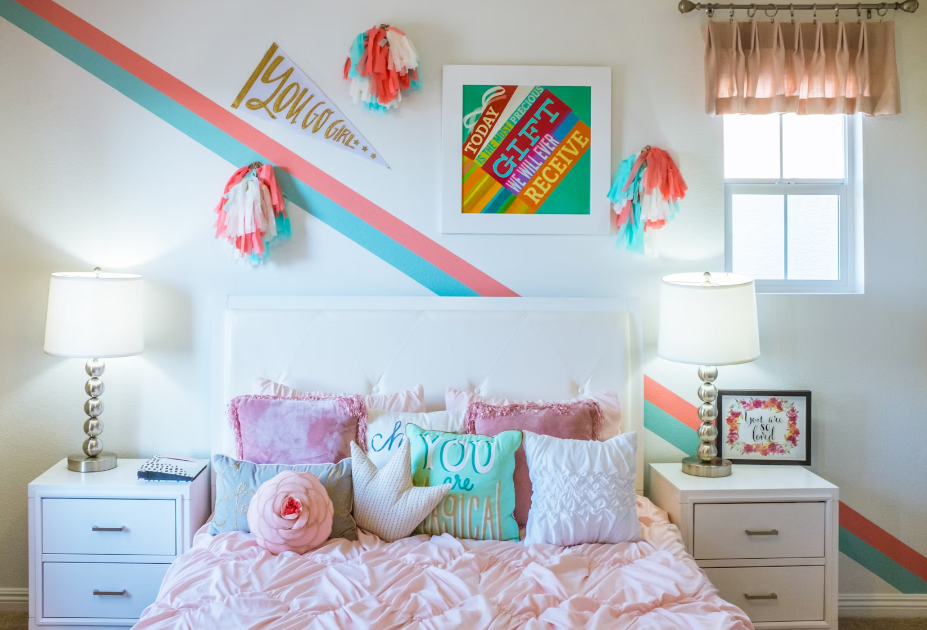
    Kids’ rooms are more than just a place to sleep; they’re a space for imagination, play, and growth. A well-designed room can significantly impact a child’s mood and creativity. Why not give them a fun and functional environment that inspires their adventures?

    Planning the Perfect Kids’ Room

    Before diving into colors and furniture, let’s plan. A successful makeover starts with understanding the space and needs.

    Assessing the Space

    Take a good look around. Measure the room to know what fits. Do you have a small nook or a spacious area? Knowing your space helps you envision the layout.

    Setting a Budget

    What’s your budget? Make sure to allocate funds for essential items first, then splurge on the fun stuff. Planning helps avoid overspending and keeps the project on track.

    Design Themes for Kids’ Rooms

    Choosing a theme can simplify decisions. Here are some ideas to spark creativity!

    Whimsical Wonderland

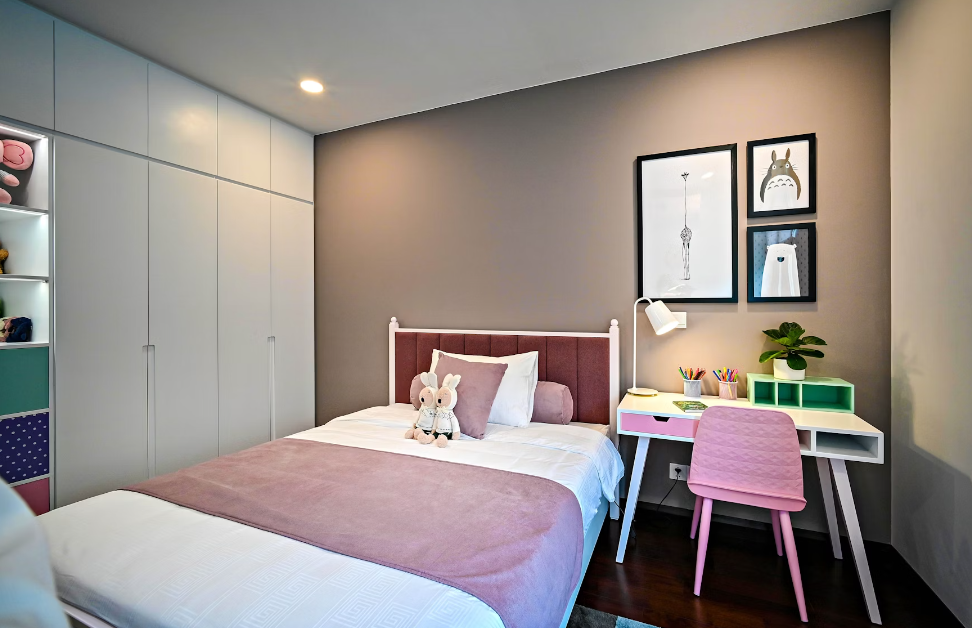
    Think fairy tales and magic. Use soft pastels and fun patterns. A canopy bed can transform the space into a dreamy retreat.

    Adventure Awaits

    Is your kid an explorer? Create a jungle, outer space, or underwater theme. Wall murals and themed bedding can make them feel like they’re on a thrilling expedition.

    Creative Spaces

    Encourage creativity with a DIY art corner. Use a chalkboard wall for constant inspiration and let kids decorate their space with their art.

    Functional Furniture Choices

    Functional doesn’t mean boring. Let’s explore some furniture options that blend utility with style.

    Storage Solutions

    Kids have a lot of stuff! Invest in colorful bins, bookshelves, and under-bed storage. Teaching them to organize can make cleanup fun.

    Multipurpose Furniture

    Consider furniture that serves multiple purposes. A bed with drawers or a desk that converts into a play table can save space and add flexibility.

    Decorative Elements to Consider

    Decor plays a significant role in setting the room’s tone.

    Wall Art and Decals

    Incorporate fun wall art or removable decals that reflect your child’s interests. Change them easily as their tastes evolve!

    Textiles and Accessories

    Soft rugs, colorful curtains, and playful cushions can tie the room together. They add comfort while expressing your child’s personality.

    Incorporating Play into Design

    Why not design the room with play in mind? Add a small play tent, a reading nook, or a small climbing wall if space allows. Encourage active play to promote physical development.

    Safety Considerations

    Safety is paramount. Secure furniture to walls, choose non-toxic paints, and ensure that toys and decor are age-appropriate. A safe environment allows kids to explore without worry.

    Final Touches: Personalizing the Space

    Let your child have a say in their room. Encourage them to pick colors, decor, or themes that reflect their personality. It makes the space feel truly theirs.

    Conclusion

    A kids’ room makeover is a fun project that combines creativity with practicality. By considering the child’s needs and preferences, you can create a vibrant, functional space that fosters imagination and growth. Ready to transform that space? Let the fun begin!

    FAQs

    1. What’s the best age to start a kids’ room makeover?
      • Any age! Tailor the design to their developmental stage and interests.
    2. How can I incorporate storage without sacrificing style?
      • Use stylish baskets and multifunctional furniture to keep things organized.
    3. What colors are best for a kids’ room?
      • Bright, cheerful colors stimulate creativity, while softer tones can create a calming environment.
    4. How often should I update a kids’ room?
      • Every few years or when your child shows a shift in interests or needs.
    5. What are some budget-friendly makeover ideas?
      • DIY projects, upcycling furniture, and incorporating second-hand finds can keep costs down.
  • Home Office Transformation: Creating a Productive Workspace

    Home Office Transformation: Creating a Productive Workspace

    Introduction

    In today’s fast-paced world, more and more people are opting to work from home. Whether it’s full-time remote work or occasional home office days, creating an efficient workspace is essential. This article will explore how to transform your home office to enhance productivity and comfort.

    Understanding the Importance of a Home Office

    The Shift to Remote Work

    In recent years, the rise of remote work has changed how we approach our jobs. Studies show that many people find a dedicated workspace significantly boosts their productivity and focus. This isn’t just a trend; it’s a reflection of modern life.

    Benefits of a Dedicated Workspace

    Having a dedicated office space helps draw a line between work and personal life, reducing distractions and improving efficiency. A focused environment makes it easier to enter “work mode” and minimizes interruptions from household chores.

    Key Elements of a Productive Workspace

    Ergonomic Furniture Choices

    Choosing ergonomic furniture is the first step to enhancing comfort while you work. Proper furniture can reduce fatigue and keep you in good shape during long hours of work.

    Desks That Work for You

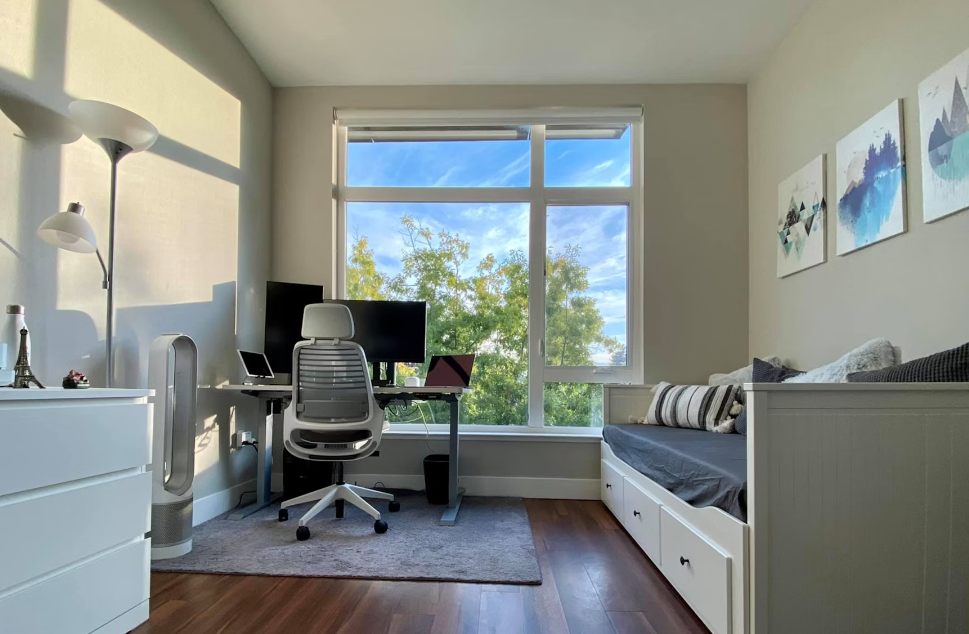
    A suitable desk should meet your space requirements and consider height, width, and storage features. A sit-stand desk is an excellent option, allowing you to switch between sitting and standing.

    The Right Chair for Comfort

    Selecting a chair that provides proper support is crucial. The chair’s height, armrests, and back angle directly affect your comfort and work efficiency. Be sure to try out a few different options to find the one that suits you best.

    Optimal Lighting Solutions

    Good lighting can greatly enhance your working atmosphere. Natural light is ideal, but if that’s lacking, consider using soft artificial light to reduce eye strain.

    Effective Storage Solutions

    A tidy workspace allows you to focus better on your tasks. Use storage boxes, shelves, and folders to keep your desk organized, ensuring that you can easily find what you need.

    Designing Your Workspace

    Personalization for Inspiration

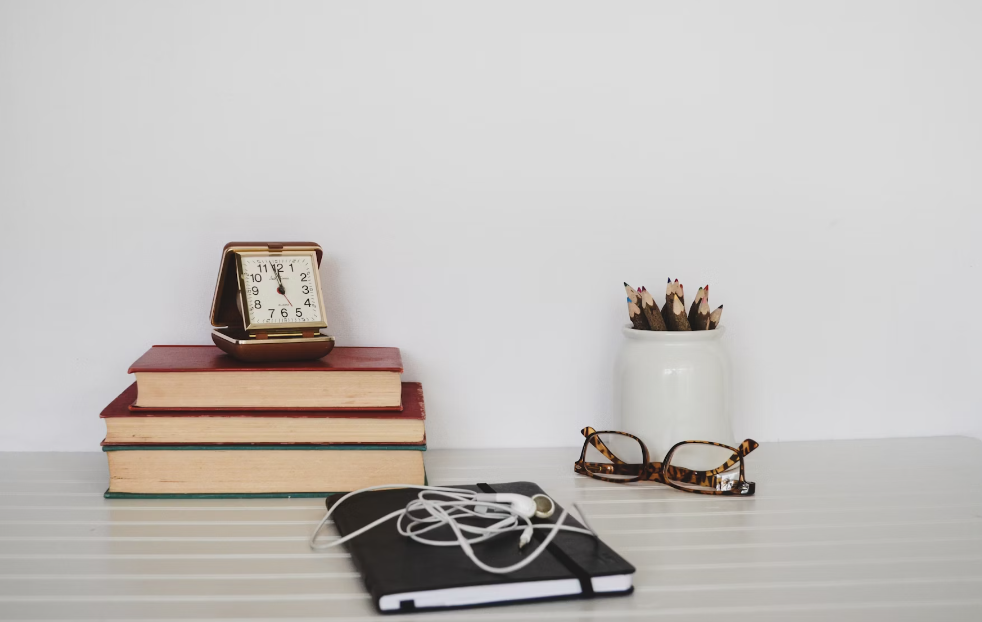
    When designing your workspace, don’t hesitate to add personal touches. Whether it’s family photos, artwork, or plants, these elements can uplift your mood and inspire creativity.

    Layout and Organization Tips

    Zoning Your Space

    Create zones to differentiate between work and relaxation areas. Separating your workspace from your leisure zone can help you stay focused while working and relax more effectively during breaks.

    Decluttering Strategies

    Regularly clearing out your workspace and discarding unnecessary items can keep your environment fresh and flexible. Consider doing a mini-cleanup weekly to maintain order.

    Technology That Enhances Productivity

    Essential Tools and Software

    Modern technology offers immense convenience for our work. Appropriate software can help you manage your time and tasks more effectively, such as using calendar tools and to-do list apps.

    The Role of Connectivity

    When working from home, ensuring a good internet connection is vital. Use high-speed internet and suitable devices to keep your work running smoothly and minimize technical disruptions.

    Maintaining Work-Life Balance

    Balancing work and life is a significant challenge when working from home. Set clear working hours and stick to your schedule to ensure you have enough time to unwind after work.

    Conclusion

    In summary, transforming your home office not only boosts productivity but also enhances your overall quality of life. By choosing the right furniture, optimizing your space layout, and utilizing modern technology, you can create a workspace that is both comfortable and efficient.

    FAQs

    How can I make my home office more comfortable?

    Choose ergonomic furniture, ensure good lighting and ventilation, and take regular breaks to enhance your home office comfort.

    What are some budget-friendly office upgrades?

    Consider using second-hand furniture, DIY decor, or making small-scale renovations as cost-effective upgrade options.

    How do I stay motivated while working from home?

    Set clear goals and plans, maintain a regular schedule, and reward yourself at intervals to help keep your motivation high.

    What should I include in my home office setup?

    Besides basic furniture, suitable tech equipment, storage solutions, and personalized decor are essential elements for an ideal home office.

    How can I organize my workspace effectively?

    Regularly tidy and organize your supplies, and allocate storage space wisely to enhance efficiency and keep your work environment neat.

  • Incorporating Vintage Style: Nostalgic Home Trends

    Incorporating Vintage Style: Nostalgic Home Trends

    In a world where trends come and go faster than a flash, vintage style remains a steadfast favorite. It’s not just about aesthetics; it’s about capturing a sense of nostalgia that resonates deeply with many of us. Let’s dive into the essence of vintage style and explore how to incorporate it into your home for a warm, inviting atmosphere.

    Introduction to Vintage Style

    What is Vintage Style?
    Vintage style refers to the design and decor that harkens back to previous decades, often featuring items that are at least 20 years old. It’s a blend of history, art, and personal touch, creating spaces that tell stories and evoke emotions.

    The Allure of Nostalgia

    Why Vintage?
    There’s something magical about vintage items. They hold memories of the past, whispering tales of a different era.

    Emotional Connections
    When you surround yourself with vintage pieces, you’re often surrounding yourself with memories—whether they are your own or from a time gone by. A vintage chair from your grandmother can evoke cherished moments, making your space feel more personal and relatable.

    A Sustainable Choice


    In today’s eco-conscious world, vintage items are a sustainable choice. By reusing and repurposing, you not only reduce waste but also embrace timeless styles that never go out of fashion. It’s like wearing a classic piece that never fades.

    Key Vintage Trends

    Popular Vintage Styles
    There are numerous styles to explore when incorporating vintage into your home. Let’s look at some of the most popular ones.

    Mid-Century Modern
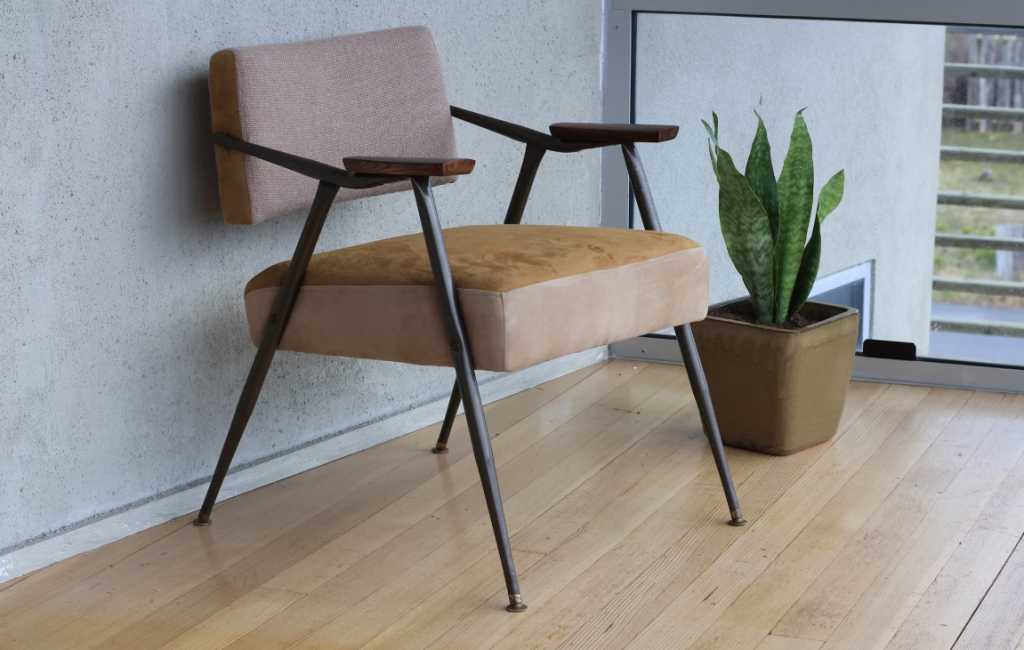
    Mid-century modern design, with its clean lines and organic forms, remains incredibly popular. Think of iconic pieces like the Eames chair, which embodies a blend of form and function. Incorporating such elements can add a chic yet comfortable vibe to your space.

    Art Deco Elegance
    Art Deco, characterized by bold geometric patterns and rich colors, brings a touch of glamour. Think gold accents and luxurious fabrics—perfect for adding a sophisticated edge to your decor.

    Rustic Farmhouse
    The rustic farmhouse trend emphasizes warmth and comfort. With reclaimed wood, vintage signs, and soft textiles, it creates a welcoming space that feels like home. It’s all about those cozy evenings with a cup of tea.

    Incorporating Vintage into Your Home

    Practical Tips for Integration
    Now that we’ve explored the different vintage styles, let’s look at how you can seamlessly integrate these elements into your home.

    Choosing the Right Pieces
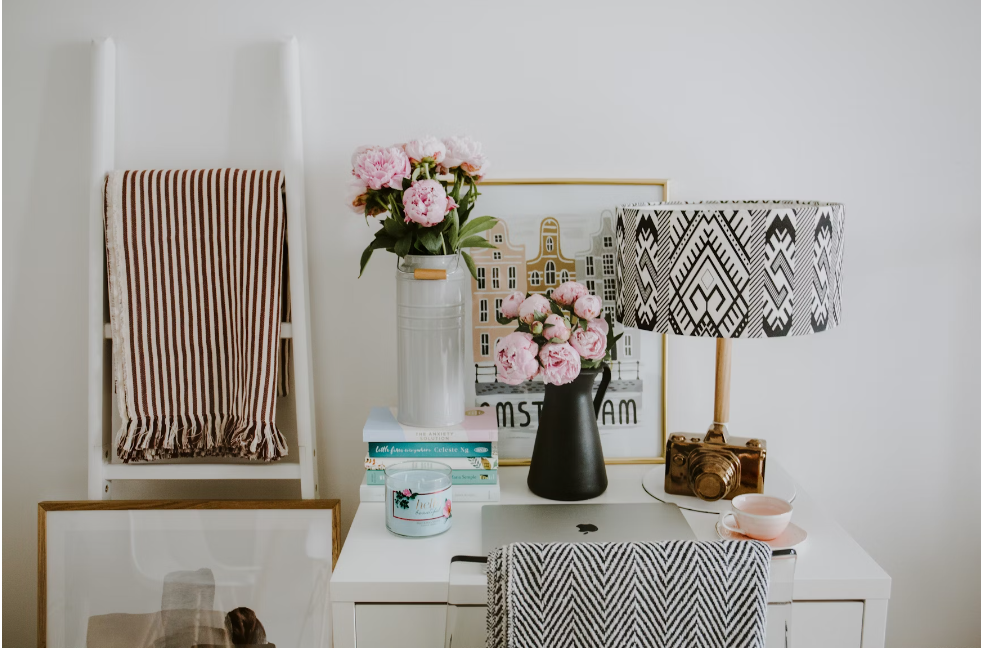
    The key to a balanced vintage look is mixing old pieces with modern ones. This contrast can elevate your decor, making it feel curated rather than cluttered. Imagine pairing a vintage side table with a contemporary lamp—it’s a match made in design heaven!

    Color Palettes and Textures
    Color plays a crucial role in setting the mood. Vintage styles often embrace muted tones—think pastels or earth tones. Mixing textures like soft linens with rough woods can create depth and interest, pulling the entire room together.

    DIY Vintage Projects

    Personalizing Your Space
    If you’re feeling crafty, why not try some DIY vintage projects? They can add a personal touch that store-bought items simply can’t match.

    Upcycling Furniture
    Upcycling old furniture can be incredibly rewarding. A coat of paint or new upholstery can breathe new life into tired pieces, making them unique to your style.

    Vintage-inspired Decor


    Accessorizing is where you can really let your vintage flag fly. Look for vintage clocks, mirrors, or wall art that can serve as conversation starters in your home.

    Conclusion

    Embracing vintage style is more than just a trend; it’s a way to connect with the past while creating a unique living space. By incorporating vintage elements, you not only add character to your home but also contribute to a sustainable lifestyle. So go ahead, explore those flea markets, upcycle old furniture, and let your nostalgic side shine through!

    FAQs

    1. What defines vintage style in home decor?
      Vintage style in home decor refers to elements that are at least 20 years old, showcasing designs from past eras that evoke nostalgia and charm.
    2. How can I incorporate vintage elements without making my home look outdated?
      Mix vintage pieces with modern items to create a balanced look. Use vintage accessories to add character without overwhelming your space.
    3. Are vintage items eco-friendly?
      Yes, vintage items are considered eco-friendly because they promote reuse and reduce waste, contributing to a sustainable lifestyle.
    4. What are some easy DIY vintage projects?
      Easy DIY projects include upcycling old furniture with paint or new upholstery, creating vintage-inspired decor with thrifted items, or even making your own vintage art pieces.
    5. Where can I find vintage home decor items?
      You can find vintage home decor at flea markets, antique shops, thrift stores, and online marketplaces like Etsy.
  • Boho Chic Decor: How to Achieve a Bohemian-Inspired Home

    Boho Chic Decor: How to Achieve a Bohemian-Inspired Home

    Welcome to the vibrant world of Boho Chic decor! If you’re looking to transform your living space into a cozy, eclectic haven filled with personality, you’ve come to the right place. This guide will walk you through the essentials of creating a Bohemian-inspired home that reflects your unique style.

    Introduction to Boho Chic Decor

    Boho Chic decor blends artistic freedom with a relaxed atmosphere. It’s all about expressing individuality through colorful patterns, textures, and a mix of old and new. Ready to dive into the intricacies of this exciting style? Let’s explore!

    Understanding the Bohemian Aesthetic

    The Bohemian aesthetic is not just a style; it’s a lifestyle choice that emphasizes freedom and creativity. By understanding its roots, you can better appreciate its nuances.

    Origins of Bohemian Style

    Bohemian style traces back to the free-spirited Romani people in the 19th century, often associated with artists and intellectuals who rejected mainstream culture. This rich history influences the look and feel of Boho decor today.

    Key Characteristics of Boho Decor

    Boho decor is characterized by its eclectic nature. Expect to see a mix of vibrant colors, varied textures, and unique artifacts from different cultures. It’s all about layering and creating a story in your space.

    Creating a Bohemian Vibe in Your Home

    Now that you understand the aesthetic, how do you bring it to life in your home? Here are some tips to create that enchanting Bohemian vibe.

    Choosing the Right Color Palette

    Start with a color palette that speaks to you. Think earthy tones like browns, greens, and yellows, paired with vibrant hues like deep reds and rich purples. The idea is to create a warm, inviting atmosphere.

    Incorporating Textures and Patterns

    The magic of Boho decor lies in its textures and patterns. Layering different fabrics can create depth in your space.

    Layering Fabrics

    Use a variety of fabrics, such as soft cottons, rich velvets, and natural linens, to create a cozy feel. Throw pillows and blankets in different materials add warmth and visual interest.

    Mixing Patterns Boldly

    Don’t be afraid to mix and match patterns! Geometric prints, florals, and tribal designs can all coexist beautifully. The key is to maintain a harmonious color scheme to tie everything together.

    Essential Elements of Boho Decor

    What are the must-have elements for achieving a Boho look? Let’s break it down.

    Furniture Selection

    Choose furniture that reflects your style. Look for pieces that are comfortable yet stylish, with a focus on sustainability.

    Vintage Finds vs. Modern Pieces

    Vintage finds add character and history to your space. However, mixing in modern pieces can create a balanced look, preventing your decor from feeling dated.

    Decorative Accents

    Decorative accents play a crucial role in Boho decor.

    Wall Art and Tapestries

    Wall art and tapestries are fantastic ways to express your creativity. Look for large, bold pieces that can serve as focal points in your rooms. Don’t hesitate to use handmade items or art from local artisans to support small businesses!

    Sourcing Boho Chic Decor

    Where can you find those perfect pieces?

    Thrift Stores and Flea Markets

    Thrift stores and flea markets are treasure troves for Boho decor. You can find unique items at affordable prices that tell a story and reflect your personal taste.

    Online Marketplaces

    Online platforms like Etsy and eBay also offer a wide variety of Bohemian decor. Look for handmade items that are one-of-a-kind to make your space truly unique.

    Maintaining Your Bohemian Space

    Once you’ve created your Bohemian oasis, how do you keep it looking fresh? Regularly update your decor by swapping out textiles or adding new art. This keeps your space dynamic and prevents it from feeling stagnant.

    Conclusion

    Achieving a Bohemian-inspired home is all about embracing creativity, individuality, and comfort. With the right elements and a bit of exploration, you can create a space that feels uniquely yours. Remember, the key is to enjoy the process of decorating and let your personality shine through!

    FAQs

    1. Can I mix Boho decor with other styles?
      Absolutely! Boho decor pairs well with styles like modern and rustic. Just ensure the overall vibe remains cohesive.
    2. What are some budget-friendly tips for Boho decorating?
      Thrift shopping is your best friend! Also, DIY projects can help you personalize your decor without breaking the bank.
    3. Are there specific colors to avoid in Boho decor?
      While Boho is about freedom, overly bright or stark colors can clash with the warm, inviting vibe. Stick to earthy tones and rich jewel colors.
    4. How do I prevent my Bohemian decor from looking cluttered?
      Balance is key! Use larger pieces as anchors and keep smaller items in groups to create intentional focal points.
    5. Can I have a minimalist approach to Boho decor?
      Yes! Minimalist Boho focuses on fewer pieces with more intention, using color and texture to achieve the aesthetic without overcrowding your space.
  • Outdoor Living Trends: Creating a Relaxing Oasis

    Outdoor Living Trends: Creating a Relaxing Oasis

    In today’s fast-paced world, outdoor living has become more important than ever. People are increasingly realizing that outdoor spaces serve not only as areas for relaxation but also as perfect spots for socializing with family and friends. By creating a relaxing oasis, we can enjoy the beauty of nature while enhancing our quality of life.

    The Evolution of Outdoor Spaces

    Outdoor spaces have evolved significantly over the years. No longer just functional areas, they now emphasize comfort and aesthetics. Today’s outdoor environments are designed to feel like an extension of our indoor living spaces, combining functionality with style.

    1. The Impact of Adding Greenery

    Incorporating plants into outdoor environments not only beautifies the space but also improves air quality and enhances mood.

    1.1 Choosing the Right Plants

    Selecting suitable plants is crucial. Depending on your climate and conditions, opting for drought-resistant or hardy plants can minimize maintenance while maximizing beauty.

    1.2 Tips for Plant Care

    Providing appropriate light and water, along with regular fertilization, will ensure that your plants thrive and add vibrancy to your oasis.

    2. Design Trends in Outdoor Furniture

    Current outdoor furniture trends focus on simplicity and functionality.

    2.1 The Rise of Multi-Functional Furniture

    Multi-functional furniture maximizes space usage, offering versatility. For instance, foldable chairs and expandable dining tables are increasingly popular for their practicality.

    2.2 Choosing Materials and Styles

    When it comes to material selection, durable and weather-resistant options like aluminum and synthetic resin are ideal for outdoor furniture.

    3. Creating Comfortable Gathering Spaces

    Establishing a cozy gathering area is essential for enhancing outdoor living quality.

    3.1 The Art of Lighting

    Good lighting can dramatically improve the atmosphere of outdoor environments. Using warm-toned lights can create an inviting and cozy ambiance.

    3.2 Adding Comfortable Elements

    Incorporating cushions, outdoor rugs, and blankets can make your gathering area more appealing and comfortable for guests.

    4. The Rise of Outdoor Kitchens

    Outdoor kitchens have become a popular trend, offering both convenience and enjoyment for family gatherings.

    4.1 Choosing the Right Equipment

    Selecting appropriate equipment, such as grills, refrigerators, and sinks, can elevate your outdoor cooking experience.

    4.2 Culinary Creativity

    Outdoor cooking allows for experimentation with new recipes and creative ideas, making the process more enjoyable.

    Future Outdoor Living Trends

    Looking ahead, outdoor living will increasingly focus on environmental sustainability.

    Sustainability and Eco-Friendliness

    Utilizing renewable materials and water-saving technologies can make our outdoor spaces greener and more eco-friendly.

    Conclusion

    Outdoor living offers us an opportunity to unwind and recharge. Creating a comfortable outdoor space is essential. By combining greenery, thoughtful furniture design, and cozy elements, you can easily create your own relaxing oasis.

    FAQs

    1. How do I choose the right plants for my outdoor space?
      Opt for hardy or drought-resistant plants based on your climate and sunlight exposure.
    2. What maintenance do outdoor furniture pieces require?
      Regular cleaning and waterproofing treatments can extend the life of your furniture.
    3. How can I enhance the atmosphere of my outdoor space?
      Consider adding lighting and comfortable seating to significantly improve the ambiance.
    4. What are the must-have appliances for an outdoor kitchen?
      Essential appliances include a grill, refrigerator and prep space.
    5. What should I consider when creating a gathering space?
      Focus on layout, comfort, and atmospheric lighting to create an inviting area for guests.
  • How to Buy a Mattress: Your Ultimate Shopping Companion

    How to Buy a Mattress: Your Ultimate Shopping Companion

    Buying a mattress can be overwhelming, but it doesn’t have to be. With the right guidance, you can find the perfect mattress that suits your sleep needs and budget. Let’s delve into this ultimate shopping companion to help you make an informed decision!

    Understanding Your Sleep Needs

    Before diving into the types and features of mattresses, it’s crucial to understand your sleep needs. Are you a side sleeper who requires extra cushioning for your shoulders and hips? Or perhaps you’re a back sleeper needing firm support? Identifying your sleeping style can dramatically influence your choice.

    Importance of Sleep Quality

    Quality sleep is essential for overall health. A suitable mattress plays a pivotal role in achieving restful sleep. It supports your body, reduces tossing and turning, and ultimately contributes to your well-being. If you wake up feeling refreshed, chances are your mattress is doing its job.

    Types of Mattresses

    Now that you’ve assessed your needs, let’s explore the various mattress types available.

    Innerspring Mattresses

    Innerspring mattresses are the traditional choice. They consist of a core support system of coils, providing excellent bounce and airflow. If you prefer a firmer feel and enjoy sleeping on top of the mattress, this type might be ideal for you.

    Memory Foam Mattresses

    Memory foam mattresses are known for their contouring properties. They respond to your body heat and weight, creating a custom fit that relieves pressure points. If you like a “sinking in” sensation, this could be your go-to option.

    Latex Mattresses

    Latex mattresses offer a more resilient feel. They’re made from natural or synthetic rubber, providing good bounce and support. If you’re eco-conscious and prefer a mattress that’s durable and breathable, latex might be the way to go.

    Hybrid Mattresses

    Hybrid mattresses combine the best of both worlds—innerspring and foam. They typically feature a coil support system topped with layers of foam, providing both support and comfort. If you’re unsure what you want, a hybrid may offer the versatility you need.

    Key Features to Consider

    When shopping for a mattress, consider these critical features:

    Firmness Levels

    Firmness is subjective. A mattress that feels perfect to one person might not work for another. Test different firmness levels to find what feels right for you.

    Materials and Construction

    Look for high-quality materials that enhance comfort and durability. Natural materials can also provide better breathability.

    Motion Isolation

    If you share your bed, consider a mattress with good motion isolation. This feature minimizes disturbances when your partner moves, allowing for uninterrupted sleep.

    Temperature Regulation

    Some mattresses retain heat, making you feel uncomfortable. If you tend to sleep hot, look for options with cooling technology or breathable materials.

    Setting a Budget

    Setting a budget before shopping is crucial. Mattresses can range from a few hundred to several thousand dollars. Knowing your price range helps narrow down your options.

    Average Prices

    Expect to pay around $1,000 for a quality mattress, but prices can vary based on the type and brand. Be prepared to invest in your sleep!

    Testing Mattresses

    Before making a purchase, testing mattresses is vital.

    In-Store vs. Online

    In-store shopping allows you to feel the mattress, while online shopping offers convenience and often better prices. Weigh the pros and cons to decide which suits you best.

    Warranty and Return Policies

    Don’t overlook warranty and return policies. A good mattress should come with at least a 10-year warranty, and a generous return policy lets you test it at home without commitment.

    Conclusion

    Buying a mattress is a significant investment in your health and well-being. By understanding your needs, exploring different types, and considering essential features, you can find the perfect mattress that ensures restful sleep for years to come. Remember, quality sleep leads to a better life!

    FAQs

    1. How often should I replace my mattress?
      • Typically, every 7-10 years, depending on wear and comfort.
    2. Can I return a mattress after purchasing?
      • Many retailers offer a trial period; check their return policy for specifics.
    3. What firmness level is best for side sleepers?
      • Side sleepers often benefit from medium to soft mattresses for better pressure relief.
    4. Are organic mattresses worth the investment?
      • Organic mattresses can be more expensive but are often made with safer materials, benefiting your health and the environment.
    5. How can I make my mattress last longer?
      • Rotate it regularly, use a mattress protector, and keep it clean to extend its lifespan.
  • Home Renovation Buying Guide: Where to Invest Your Budget

    Home Renovation Buying Guide: Where to Invest Your Budget

    Renovating your home can be a thrilling yet overwhelming experience. Understanding where to allocate your budget can make all the difference. With careful planning and smart decisions, you can create a space that not only meets your needs but also enhances your home’s value.

    Understanding Your Renovation Goals

    Before diving into renovations, clarify your goals. Are you enhancing functionality, increasing value, or simply refreshing aesthetics? Knowing what you want to achieve will guide your decisions and spending.

    Identifying Needs vs. Wants

    Differentiate between what you truly need and what would be nice to have. This clarity helps prioritize spending effectively. For example, a new roof might be a need, while a high-end appliance could be a want. Focus on essentials to ensure your budget covers the most impactful areas.

    Budgeting for Your Renovation

    Establishing a budget is crucial. Be honest about your financial situation to avoid stress down the line. The clearer your budget, the smoother the renovation process.

    Setting a Realistic Budget

    Consider all costs, including labor, materials, permits, and unexpected expenses. It’s wise to set aside 10-20% of your budget for surprises. Home renovations often come with unforeseen challenges, so having a cushion can save you headaches.

    Factors to Consider

    Think about your home’s age, current market trends, and how long you plan to stay. These elements influence where to invest your funds. If you plan to sell soon, focus on areas that increase resale value.

    High-Impact Areas to Invest In

    Some areas yield higher returns on investment than others. Let’s delve into the spaces that truly matter.

    Kitchens: The Heart of the Home

    A kitchen renovation can significantly elevate your home’s value. It’s often considered the heart of the home, making it a priority for many homeowners.

    Return on Investment (ROI)

    Focus on upgrades like countertops, cabinets, and appliances. These enhancements often provide a strong ROI when selling your home. A well-designed kitchen not only improves daily life but can also attract buyers.

    Bathrooms: A Space for Relaxation

    Bathrooms are another high-impact area. Modernizing fixtures and adding storage can create a spa-like atmosphere that buyers love.

    Modern Upgrades for Value

    Features like dual sinks or heated floors can attract potential buyers and enhance your daily life. Simple changes like new tile or lighting can refresh the space without breaking the bank.

    Energy Efficiency Improvements

    Investing in energy efficiency can save you money long-term while making your home more appealing.

    Insulation and Windows

    Quality insulation and energy-efficient windows can drastically lower utility bills and improve comfort. This investment pays off not just in savings but also in increased home value.

    Sustainable Choices

    Eco-friendly materials and systems often come with tax incentives and boost your home’s appeal. Consider solar panels or energy-efficient appliances for a modern touch.

    Curb Appeal and Exterior Enhancements

    First impressions matter! Investing in your home’s exterior can significantly increase its value.

    Landscaping and Hardscaping

    Simple landscaping improvements can add charm and invite potential buyers. Think about plants, walkways, and outdoor lighting to create an inviting atmosphere.

    Importance of First Impressions

    A well-maintained exterior sets the tone for what’s inside, making it worth the investment. A little effort can go a long way in boosting your home’s marketability.

    Choosing Quality Materials

    The materials you select can impact both aesthetics and functionality.

    Durability vs. Cost

    While it may be tempting to choose cheaper options, consider the long-term savings of investing in durable materials that require less maintenance. Quality materials often enhance the overall look of your renovation.

    Long-Term Savings

    Investing in quality materials can ultimately save you money by reducing future repair costs and enhancing energy efficiency. It’s worth spending a bit more upfront to avoid headaches later.

    Hiring Professionals vs. DIY

    Knowing when to tackle a project yourself and when to hire professionals can save you money and stress.

    When to Call in Experts

    Complex projects like electrical work or major structural changes often require professional help. Don’t hesitate to seek expertise when needed. It can save you time and ensure the job is done correctly.

    Conclusion

    By understanding where to invest your budget, you can create a home that meets your needs and stands the test of time. Focus on key areas, quality materials, and sustainability for the best results. Renovations can be a rewarding journey, transforming your space while enhancing its value.

    FAQs

    1. What should I prioritize in a renovation?
    Focus on kitchens and bathrooms for the best ROI.

    2. How much should I budget for renovations?
    Set aside 10-20% for unexpected costs.

    3. Is DIY worth it?
    It depends on your skills; for complex tasks, hire professionals.

    4. How can I improve curb appeal?
    Simple landscaping and fresh paint can make a big difference.

    5. What materials should I choose?
    Invest in quality materials for durability and long-term savings.

  • Reviewing Home Entertainment Systems: Movies in Style

    Reviewing Home Entertainment Systems: Movies in Style

    When it comes to enjoying movies in the comfort of your own home, having the right entertainment system can make all the difference. From the picture quality to the sound experience, the right setup can elevate your movie nights to a whole new level. In this guide, we’ll dive into the essential features of home entertainment systems, review some top models, and provide tips for choosing the best one to suit your needs.

    Understanding Home Entertainment Systems

    What is a Home Entertainment System?

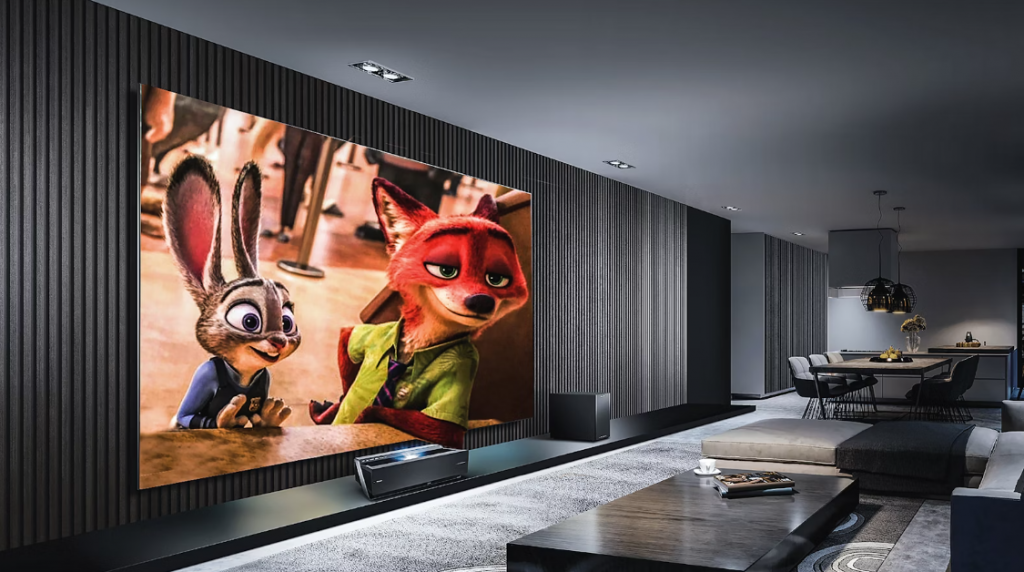
    A home entertainment system is a set of electronic devices designed to provide an immersive viewing and listening experience at home. It typically includes a television or projector, audio components like speakers or soundbars, and sometimes additional equipment such as a Blu-ray player or gaming console. The goal is to replicate, as closely as possible, the experience of a movie theater right in your living room.

    Key Components of a Home Entertainment System

    1. Television or Projector: The central element of any home entertainment system. Modern TVs come in various sizes and resolutions, including 4K and 8K. Projectors are an alternative for those who want a cinema-like screen experience.
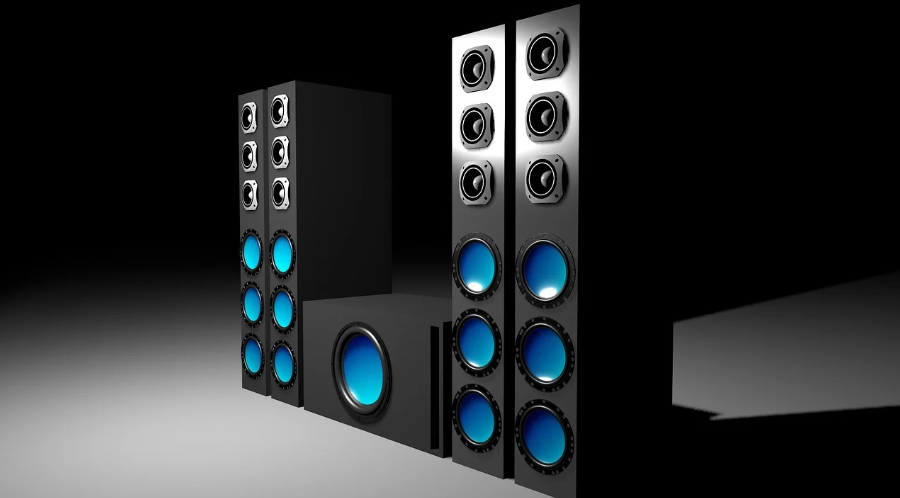
    2. Audio System: This includes soundbars, surround sound systems, and wireless speakers. The audio component is crucial for creating a full-bodied movie experience, with clear dialogue and immersive sound effects.
    3. Media Sources: Devices like Blu-ray players, streaming boxes, and gaming consoles. These are used to play movies, stream content, and enjoy games.
    4. Accessories: Includes items like HDMI cables, wall mounts, and remote controls that enhance the functionality and ease of use of your entertainment system.

    Evaluating Home Entertainment Systems

    Picture Quality

    When selecting a home entertainment system, picture quality is a top priority. Look for a television or projector with high resolution, such as 4K or 8K, to ensure crisp and clear visuals. Features like HDR (High Dynamic Range) can also enhance color accuracy and contrast, providing a more lifelike image.

    Sound Quality

    Sound quality is equally important. A good audio system should deliver rich, clear sound with a good balance between bass and treble. Surround sound systems can create a more immersive experience, with speakers placed around the room to deliver sound from all directions.

    Connectivity and Smart Features

    Modern home entertainment systems come with a variety of connectivity options and smart features. Look for systems with multiple HDMI ports, USB ports, and Wi-Fi capabilities. Smart TVs and streaming devices often come with built-in apps and services, allowing you to access a wide range of content without needing additional devices.

    Design and Aesthetics

    The design of your home entertainment system should complement your living space. Consider the size of your room and the design of your furniture when choosing the placement and style of your TV or projector and audio components. Sleek, minimalist designs often blend well with modern decor, while more traditional designs may suit classic interiors.

    Top Home Entertainment Systems Reviewed

    1. Sony Bravia XR A90J OLED TV

    Picture Quality: The Sony Bravia XR A90J offers stunning 4K OLED picture quality with deep blacks and vibrant colors. Its XR Cognitive Processor ensures a clear and detailed image.

    Sound Quality: The built-in acoustic surface audio technology provides excellent sound quality, with speakers hidden behind the screen for a more immersive experience.

    Smart Features: Features Google TV with a wide range of apps and voice control. Multiple HDMI ports and USB connections are also included.

    Design: A sleek, ultra-thin design that fits well with modern decor.

    2. Sonos Arc Soundbar

    Sound Quality: The Sonos Arc delivers immersive, cinematic sound with Dolby Atmos support. It features upward-firing speakers for a 3D sound experience.

    Design: A minimalist design that can be mounted on a wall or placed on a stand. Its clean lines and neutral color blend with most home interiors.

    Connectivity: Supports HDMI ARC/eARC and works with various streaming services and voice assistants.

    3. JBL Cinema 1200 Home Theater System

    Sound Quality: This system includes a 5.1 channel setup with a powerful subwoofer and satellite speakers for a full surround sound experience.

    Picture Quality: Compatible with 4K content and equipped with HDMI inputs to connect with your television or projector.

    Design: Traditional design with a focus on sound quality. Suitable for larger rooms where a full surround sound setup is desired.

    Tips for Choosing the Right Home Entertainment System

    Assess Your Space

    Consider the size of your room and how you plan to use the system. A large room may benefit from a projector and a surround sound system, while a smaller space might be better suited for a high-quality TV and soundbar setup.

    Determine Your Budget

    Home entertainment systems can range from budget-friendly options to high-end setups. Determine how much you’re willing to spend and prioritize features that matter most to you, such as picture quality, sound quality, or smart features.

    Read Reviews and Compare Models

    Before making a purchase, read reviews and compare different models. Pay attention to both expert opinions and user feedback to get a sense of how well a system performs in real-world conditions.

    Consider Future Upgrades

    Think about potential future upgrades and whether the system you choose can accommodate them. For example, a system with multiple HDMI ports may be more versatile if you plan to add new devices later.

    Conclusion

    Choosing the right home entertainment system can significantly enhance your movie-watching experience. By evaluating key components like picture quality, sound quality, connectivity, and design, you can find a system that suits your needs and complements your space. Whether you opt for a sleek TV with built-in sound technology or a full surround sound setup, investing in a quality home entertainment system is sure to make your movie nights more enjoyable.

    FAQ:

    Q1: What is the difference between OLED and LED TVs?
    A1: OLED TVs use organic light-emitting diodes to produce light, resulting in better contrast and deeper blacks compared to LED TVs, which use a backlight to illuminate the screen.

    Q2: Do I need a soundbar if I already have a surround sound system?
    A2: If you have a full surround sound system, a soundbar might not be necessary. However, a soundbar can be a good option for simpler setups or for additional audio enhancement.

    Q3: How many HDMI ports do I need?
    A3: The number of HDMI ports you need depends on the number of devices you plan to connect. Generally, 3-4 HDMI ports should be sufficient for most home entertainment setups.

    Q4: Can I use a home entertainment system for gaming?
    A4: Yes, many home entertainment systems are compatible with gaming consoles. Look for systems with high resolution and low input lag for the best gaming experience.

    Q5: How can I improve the sound quality in my home theater?
    A5: To improve sound quality, ensure that speakers are properly positioned and calibrated. Consider adding a subwoofer for better bass and investing in high-quality cables and connectors.

    4o mini
  • Upcycling Old Furniture: DIY Sustainability Projects

    Upcycling Old Furniture: DIY Sustainability Projects

    Introduction

    In recent years, the concept of upcycling has gained popularity as a sustainable and creative way to breathe new life into old furniture pieces. Upcycling involves transforming discarded or outdated furniture into unique, stylish, and functional pieces that fit modern aesthetics. This article explores the benefits of upcycling furniture, popular techniques, tools and materials needed, a step-by-step upcycling process, examples of upcycled furniture projects, tips for successful upcycling, the environmental impact of upcycling, and concludes with a series of FAQs to help beginners embark on their upcycling journey.

    Benefits of Upcycling Furniture

    Upcycling old furniture offers several benefits, both for individuals and the environment. From an environmental standpoint, upcycling reduces the amount of waste sent to landfills and conserves resources by giving existing materials a new life. It also helps in reducing the demand for new furniture production, which can be resource-intensive and contribute to deforestation.

    Popular Upcycling Techniques

    There are various upcycling techniques that can be applied to old furniture pieces, depending on the desired outcome and the condition of the furniture. Painting and staining are popular methods for giving furniture a fresh look, while decoupage involves decorating furniture with paper cutouts and sealing them with glue. Reupholstering is another common technique that involves replacing the fabric on chairs, sofas, and other upholstered furniture pieces. Adding hardware and embellishments, such as new knobs, handles, or decorative accents, can also enhance the appearance of upcycled furniture.

    Tools and Materials Needed

    To upcycle old furniture, you will need basic tools and materials such as paint, brushes, sandpaper, decoupage glue, fabric, sewing kit, hardware, and embellishments. These materials can be easily found at hardware stores, craft stores, or online retailers. It’s important to choose high-quality materials to ensure the longevity of your upcycled furniture.

    Step-by-Step Upcycling Process

    1. Selecting the furniture piece: Choose a sturdy piece of furniture with good bones that is suitable for the upcycling technique you have in mind.
    2. Preparing the furniture: Clean the furniture thoroughly and make any necessary repairs, such as filling in holes or sanding rough edges.
    3. Applying the chosen upcycling technique: Follow the specific instructions for the upcycling technique you have chosen, whether it’s painting, staining, decoupaging, or reupholstering.
    4. Finishing touches: Add any hardware or embellishments to complete the look of your upcycled furniture piece.

    Examples of Upcycled Furniture Projects

    • Before and after photos: Showcase the transformation of old furniture pieces into stylish and functional pieces.
    • Descriptions of the upcycling process: Provide detailed descriptions of the steps involved in upcycling each furniture piece, including the techniques used and the materials required.

    Tips for Successful Upcycling

    • Choosing the right furniture pieces: Look for furniture pieces that are made of solid wood or have a sturdy frame.
    • Proper preparation and techniques: Take your time to prepare the furniture properly and follow the instructions for the upcycling technique you are using.
    • Safety precautions: Wear appropriate safety gear, such as goggles and gloves, when working with tools and materials.

    Environmental Impact of Upcycling

    Upcycling old furniture plays a significant role in reducing waste and conserving resources. By upcycling furniture, you are contributing to a circular economy where materials are reused and repurposed, rather than disposed of after a single use. This helps in reducing the environmental impact of furniture production and disposal, making it a more sustainable option for furnishing your home.

    Conclusion

    Upcycling old furniture offers a sustainable and creative way to transform your living space. By upcycling furniture, you can reduce waste, conserve resources, and create unique pieces that reflect your personal style. Whether you’re a seasoned upcycler or just starting out, there are endless possibilities to explore. So, why not give it a try and upcycle your old furniture into something new and exciting?

    FAQs

    1. What is the difference between upcycling and recycling?
      • While recycling involves breaking down materials to create new products, upcycling involves repurposing materials without breaking them down, often resulting in a product of higher quality or value.
    2. Can any type of furniture be upcycled?
      • Yes, almost any type of furniture can be upcycled, as long as it is structurally sound and suitable for the chosen upcycling technique.
    3. How can I find inspiration for my upcycling projects?
      • You can find inspiration for your upcycling projects from home decor magazines, websites, social media platforms, and even nature.
    4. Are there any safety concerns when upcycling furniture?
      • Yes, it’s important to take proper safety precautions when upcycling furniture, such as wearing protective gear and working in a well-ventilated area.
    5. Where can I donate or sell my upcycled furniture pieces?
      • You can donate or sell your upcycled furniture pieces through online marketplaces, consignment shops, or local charity organizations.