Author: worthbuyingnow

  • Sustainable Home Design: Eco-Friendly Trends and Ideas

    Sustainable Home Design: Eco-Friendly Trends and Ideas

    Introduction
    As we become more environmentally conscious, sustainable home design has emerged as a vital trend. But what does it truly mean to design a home sustainably? This article explores eco-friendly trends and ideas to help you create a home that is both beautiful and kind to the planet.

    What is Sustainable Home Design?
    Definition and Importance
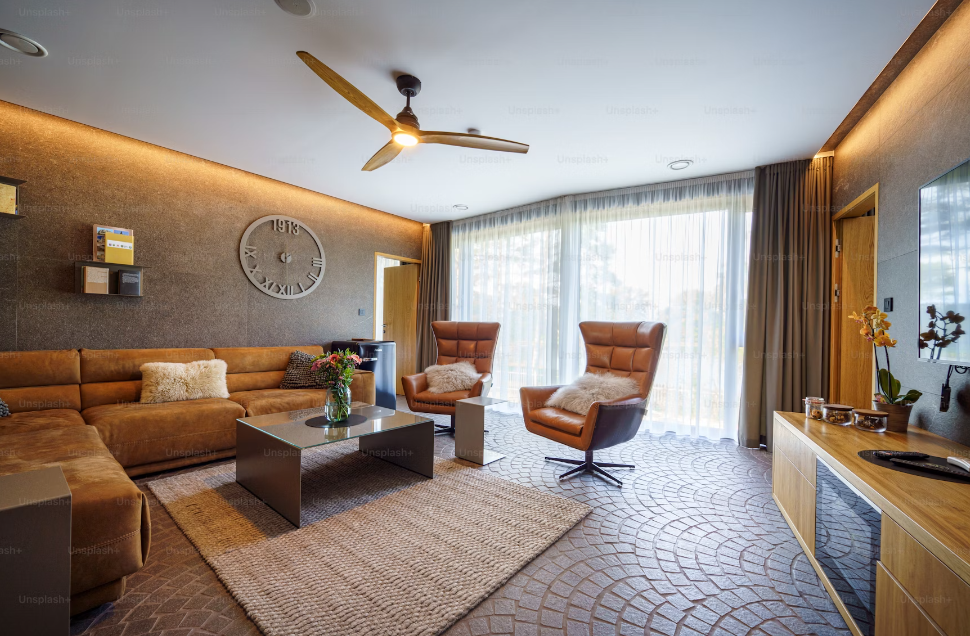

    Sustainable home design focuses on minimizing negative environmental impacts while maximizing the quality of life for its inhabitants. It involves using resources wisely, reducing waste, and creating spaces that enhance well-being. In light of climate change and environmental degradation, sustainable design is more critical than ever.

    Key Principles of Sustainability
    At its core, sustainable design encompasses several key principles: reducing energy consumption, conserving water, using sustainable materials, and ensuring the health of the inhabitants. By integrating these principles into home design, you can create a space that feels good and does good.

    Eco-Friendly Materials
    Renewable Resources
    One of the most significant aspects of sustainable design is the choice of materials. Opting for renewable resources, such as bamboo or cork, ensures that the materials used in your home are replenishable. These materials grow quickly and can be harvested without damaging the environment.

    Recycled and Reclaimed Materials
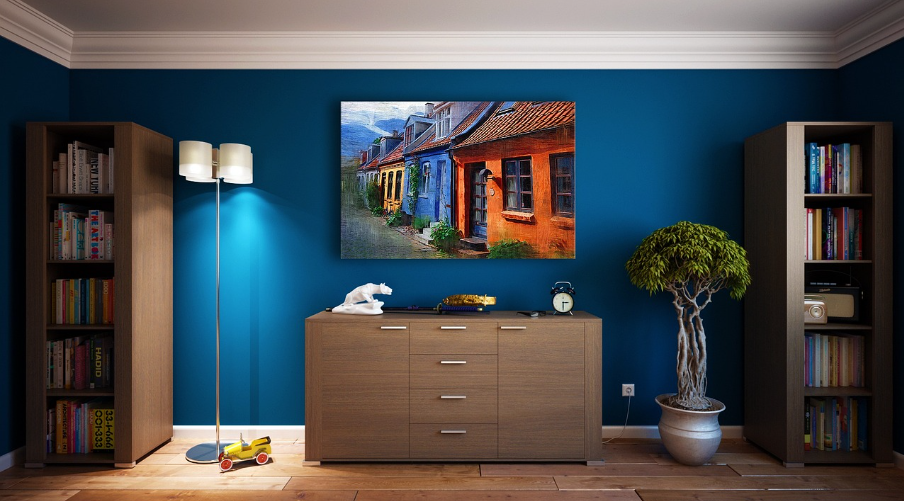

    Using recycled or reclaimed materials is another fantastic way to promote sustainability. Not only do these materials help reduce waste, but they also add unique character to your home. Imagine beautiful reclaimed wood beams or stylish recycled glass countertops—these options can transform your space while being eco-friendly.

    Energy Efficiency in Home Design
    Importance of Energy Efficiency
    Energy efficiency is a cornerstone of sustainable home design. It reduces energy consumption, which not only lowers your utility bills but also decreases your carbon footprint. Simple changes can lead to significant impacts, making energy efficiency a vital consideration in design.

    Energy-Efficient Appliances
    Investing in energy-efficient appliances is a practical step in enhancing your home’s sustainability. Look for appliances with the ENERGY STAR label, which indicates they meet strict energy efficiency guidelines. These appliances use less energy while delivering the same performance, making them a smart choice for any eco-conscious homeowner.

    Water Conservation Strategies
    Low-Flow Fixtures
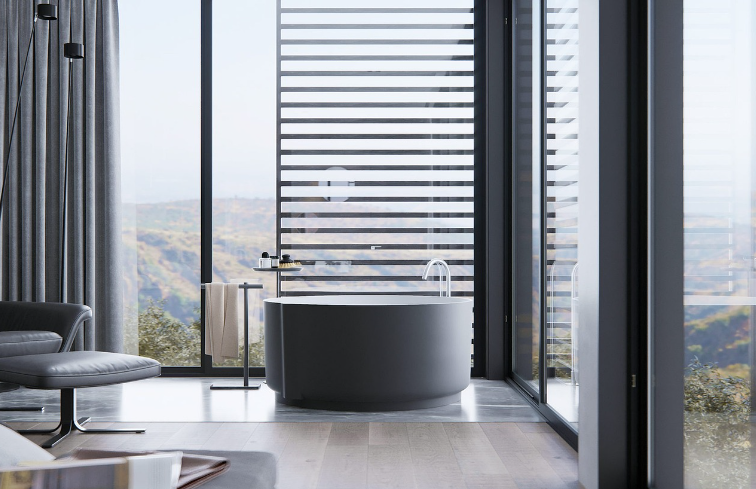

    Water conservation is another essential aspect of sustainable design. Installing low-flow fixtures, such as showerheads and faucets, can drastically reduce water usage without sacrificing comfort. It’s a win-win for your water bill and the environment.

    Rainwater Harvesting Systems
    Consider implementing a rainwater harvesting system, which collects rainwater from your roof and stores it for later use. This collected water can be used for irrigation, flushing toilets, or even laundry, significantly reducing your reliance on municipal water sources.

    Indoor Air Quality
    Natural Ventilation Techniques
    Indoor air quality is crucial for health and well-being. Implementing natural ventilation techniques, such as strategically placed windows and vents, allows for fresh air circulation, reducing the need for air conditioning and improving overall air quality.

    Non-Toxic Building Materials
    Choose non-toxic building materials that do not emit harmful chemicals into the air. Materials like low-VOC paints and finishes contribute to a healthier indoor environment, ensuring that your home is safe for you and your family.

    Incorporating Green Spaces
    Vertical Gardens
    Green spaces are vital for both environmental benefits and personal well-being. Vertical gardens, or living walls, not only beautify your home but also improve air quality and provide insulation. They’re a fantastic way to bring nature into urban settings.

    Native Plant Landscaping
    Opting for native plants in your landscaping is a smart move. Native plants require less water and are more resistant to local pests, reducing the need for chemical treatments. This approach not only conserves resources but also supports local ecosystems.

    Conclusion


    In conclusion, sustainable home design is more than just a trend; it’s a necessity in today’s world. By incorporating eco-friendly materials, energy-efficient practices, and thoughtful design choices, you can create a home that is beautiful, functional, and sustainable. Every little change can lead to significant impacts, making your living space a greener sanctuary.

    FAQs

    1. What are the benefits of sustainable home design?
      Sustainable home design reduces environmental impact, saves on utility bills, and improves indoor air quality, promoting a healthier lifestyle.
    2. How can I make my home more energy-efficient?
      You can enhance energy efficiency by using energy-efficient appliances, improving insulation, and incorporating renewable energy sources like solar panels.
    3. What materials are considered eco-friendly?
      Eco-friendly materials include bamboo, reclaimed wood, recycled metal, and low-VOC paints.
    4. How does landscaping affect sustainability?
      Landscaping with native plants conserves water, reduces chemical use, and supports local wildlife, contributing to a sustainable environment.
    5. Can I retrofit my existing home for sustainability?
      Yes, many sustainable practices can be retrofitted into existing homes, such as installing low-flow fixtures, improving insulation, and using energy-efficient appliances.

  • Elevate Your Kitchen Experience: High-End Cookware Recommendations from Sur La Table

    Elevate Your Kitchen Experience: High-End Cookware Recommendations from Sur La Table

    Cooking at home is more than just a necessity; it’s an art form that enhances your lifestyle. By investing in high-quality cookware, you can significantly elevate your kitchen experience, transforming every cooking session into a delightful journey. Sur La Table, a leader in premium kitchen products, offers an exceptional range of cookware designed to help you create delicious meals with ease and confidence.

    1. Professional-Grade Cookware

    Sur La Table’s cookware collection is renowned for its outstanding heat distribution and durability. From cast iron to stainless steel and non-stick pans, each piece is thoughtfully designed to ensure even heating, preventing food from sticking. With these professional-grade pans, you can master various cooking techniques—whether you’re frying, sautéing, or simmering—effortlessly crafting perfect dishes every time.

    2. High-Quality Knives

    A great knife is the cornerstone of any kitchen. Sur La Table offers a variety of premium knives, including chef’s knives, paring knives, and boning knives from trusted brands like Wüsthof and Shun. Sharp blades not only make cutting a breeze but also help maintain the freshness of your ingredients, enhancing the flavors and presentation of your meals.

    3. Elegant Dinnerware

    Cooking is not just about taste; presentation is key. Sur La Table’s elegant dinnerware collection features exquisite plates, bowls, and glassware that can make your dining table shine. Whether you’re hosting a family gathering or a dinner party with friends, pairing your culinary creations with beautiful dinnerware adds a touch of sophistication to every meal.

    4. Practical Kitchen Tools

    In addition to larger cookware, Sur La Table provides a range of practical kitchen tools, such as graters, measuring cups, and whisks. These essential tools not only enhance your cooking efficiency but also make the process more enjoyable. For instance, using a high-quality grater allows you to effortlessly create uniform shreds of carrots or cucumber slices, improving both the presentation and flavor of your dishes.

    5. Outstanding Customer Service

    Shopping at Sur La Table means you’ll not only find top-tier products but also receive exceptional customer service. Whether you’re consulting with a professional through their “Ask a Chef” program in-store or seeking assistance online, the Sur La Table team is dedicated to enhancing your shopping experience, reflecting their passion and expertise in cooking.

    Conclusion

    Choosing Sur La Table’s high-end cookware can transform your kitchen experience and inspire your culinary creativity. Whether you’re a novice cook or a seasoned chef, every product here is designed to support your culinary journey. Visit Sur La Table today to discover your kitchen dreams and make cooking a more enjoyable and effortless adventure!

  • A Guide to DIY Home Security Systems Installation

    A Guide to DIY Home Security Systems Installation

    In today’s world, with increasing awareness about safety, more people are considering DIY home security systems. Whether it’s to protect their property or enhance their peace of mind, this decision is worth exploring.

    Why Choose a DIY Security System?

    One significant reason to choose a DIY security system is cost-effectiveness. Compared to traditional security services, DIY systems not only save you money on installation but also allow you to customize your setup according to your specific needs, providing better protection for your home.

    Basic Components of a Security System

    Before you select and install a security system, it’s essential to understand its basic components. The main components include:

    Cameras

    Cameras serve as the “eyes” of your security system, providing real-time monitoring of your home’s surroundings. Many modern cameras come equipped with night vision and motion detection capabilities.

    Door and Window Sensors

    These sensors alert you when doors or windows are opened, ensuring any unauthorized entry is detected promptly.

    Alarms

    Alarms act as the “voice” of your security system, sounding an alert when suspicious activity is detected, thereby notifying household members and neighbors.

    How to Choose the Right Security System

    When choosing a security system, several key factors need to be considered:

    Budget Considerations

    Different systems come with varying price ranges. Setting a reasonable budget can help narrow down your choices.

    Type of Residence

    Your type of residence (apartment, detached house, etc.) will influence your system choice. Ensure that the equipment you select is suitable for your living environment.

    Preparations Before Installation

    Before you begin the installation process, thorough preparation is crucial:

    Tools and Materials Checklist

    Gather the necessary tools and materials, such as screwdrivers, drills, tape, etc.

    Understanding Local Regulations

    Ensure that your installation complies with local safety regulations to avoid potential legal issues in the future.

    Step-by-Step Installation Guide

    The installation process involves several important steps:

    Installing Cameras

    Select appropriate locations to ensure broad visibility. Follow the instructions provided to secure and connect the cameras.

    Installing Sensors

    Place sensors at entry points, ensuring they function correctly to alert you of any breaches.

    Setting Up Alarms

    Position alarms in visible areas of your home to maximize their alerting effectiveness.

    Testing and Maintaining Your System

    Once installation is complete, regular testing is essential:

    Regular System Testing

    Conduct regular tests to ensure all components are functioning correctly.

    Software Updates and Maintenance

    Don’t forget to update your system software periodically to ensure you have the latest security protections.

    Conclusion

    By installing a DIY home security system, you can effectively enhance your home’s safety while gaining a sense of achievement and satisfaction. Following the steps outlined above will help you create a secure living environment.

    Frequently Asked Questions

    1. What is the approximate cost of a DIY security system?
      • Costs vary by brand and features, typically ranging from a few hundred to several thousand dollars.
    2. Do I need professional skills to install a DIY system?
      • No, most DIY systems are designed to be user-friendly and accessible for average homeowners.
    3. How can I ensure the privacy of my cameras?
      • Choose cameras with strong encryption features and change passwords regularly.
    4. Can I integrate it with smart home devices?
      • Yes, many DIY security systems can seamlessly integrate with smart home devices.
    5. Are maintenance costs high?
      • Generally, maintenance costs are low, mainly involving regular testing and software updates.
  • Home Cooking Classes: Learn New Skills at Sur La Table

    Home Cooking Classes: Learn New Skills at Sur La Table

    In today’s fast-paced world, cooking at home has become more than just a necessity—it’s a way to unwind, express creativity, and connect with loved ones. For those looking to elevate their culinary game, Sur La Table offers a wide range of cooking classes that cater to everyone from beginners to experienced chefs. These classes provide the perfect environment to learn new skills, explore diverse cuisines, and discover the joy of preparing meals at home.

    1. Why Choose Sur La Table’s Cooking Classes?

    Sur La Table is not just known for its premium kitchenware but also for its expertly designed cooking courses. Whether you’re looking to sharpen your knife skills or explore exotic global cuisines, Sur La Table’s hands-on cooking classes are taught by professional chefs who provide step-by-step guidance in a fun, engaging atmosphere. The classes are structured to cater to all levels of experience, making them ideal for:

    • Beginners who want to learn the basics.
    • Home cooks looking to refine their techniques.
    • Experienced chefs wanting to explore new culinary trends and dishes.

    The small class sizes ensure personalized attention, and participants can gain hands-on experience with state-of-the-art kitchen equipment.

    2. Variety of Courses Offered

    Sur La Table offers an impressive range of cooking courses designed to suit every culinary interest. Some popular options include:

    • International Cuisine Exploration: Dive into the flavors of Italy, France, Japan, or Mexico, learning authentic techniques for making pasta, sushi, tacos, and more.
    • Baking Masterclasses: Perfect your baking skills by learning how to craft artisan breads, decadent pastries, or beautifully frosted cakes.
    • Seasonal and Holiday Specials: Prepare for special occasions by mastering holiday favorites, from Thanksgiving feasts to festive Christmas cookies.
    • Healthy Cooking: Learn to cook nutritious meals without sacrificing flavor, focusing on plant-based dishes, gluten-free options, and other health-conscious recipes.
    • Knife Skills 101: One of the most fundamental skills in the kitchen, this course teaches you how to chop, slice, and dice like a pro, ensuring safety and efficiency.

    3. The Hands-On Experience

    One of the main attractions of Sur La Table’s cooking classes is the hands-on nature of the experience. Rather than simply watching a demonstration, participants actively participate in the cooking process. Under the watchful eye of a professional chef, you’ll:

    • Prepare each dish from start to finish.
    • Learn proper cooking techniques and kitchen safety.
    • Use top-tier kitchen tools and appliances, many of which are available for purchase at Sur La Table.

    This interactive approach ensures that you leave the class with practical skills that can be immediately applied in your own kitchen.

    4. Social and Fun Learning Environment

    Cooking is more fun when shared with others. Sur La Table’s cooking classes offer a social environment where participants can connect over their shared passion for food. Whether you sign up with friends or go solo, you’ll work alongside other food enthusiasts, making the experience enjoyable and memorable.

    The classes are perfect for:

    • Date nights: Bond over a shared culinary adventure.
    • Team-building events: Strengthen workplace relationships through a fun, collaborative activity.
    • Private gatherings: Celebrate birthdays or special occasions with a unique cooking experience.

    5. Access to Premium Products

    During the class, participants get hands-on experience with Sur La Table’s extensive range of professional-grade kitchen tools, from Wüsthof knives to All-Clad cookware. This gives you a chance to try out products before purchasing, ensuring you pick the right tools to enhance your cooking at home. Exclusive discounts are often available for class participants, making it easy to bring a piece of your Sur La Table experience home.

    6. Take Your Skills Home

    After completing a class at Sur La Table, you’ll leave with more than just new recipes—you’ll gain confidence in your ability to recreate delicious meals at home. The hands-on learning ensures that you master the techniques necessary to succeed in the kitchen. Plus, you’ll receive detailed recipe cards, so you can easily replicate the dishes at your next family dinner or gathering with friends.

    Conclusion

    Sur La Table’s cooking classes are a fantastic way to enhance your culinary skills, learn from professional chefs, and have fun in the process. Whether you’re a novice looking to improve your kitchen confidence or an experienced cook ready to explore new cuisines, there’s a class that’s perfect for you. Visit Sur La Table today to explore their cooking classes and embark on a culinary journey that will transform the way you cook at home.

  • Outdoor Living Essentials: Your Complete Buying Guide

    Outdoor Living Essentials: Your Complete Buying Guide

    Introduction to Outdoor Living

    Outdoor living is more than just a trend; it’s a lifestyle choice that invites nature into our everyday lives. Imagine lounging on a comfortable chair under the stars or hosting a BBQ with friends. This guide will help you navigate the essentials to transform your outdoor space into a personal oasis.

    Why Invest in Outdoor Living Essentials?

    Enhancing Your Lifestyle

    Outdoor living areas extend your home, providing space for relaxation and entertainment. They can become your favorite spot for morning coffee or evening gatherings, making every moment memorable.

    Increased Property Value

    Investing in quality outdoor essentials can significantly boost your property’s appeal and value. A well-designed outdoor space can attract potential buyers, making it a smart investment.

    Essential Outdoor Furniture

    Choosing the Right Material

    When selecting outdoor furniture, consider durability and weather resistance. Materials like teak, aluminum, and synthetic wicker are excellent choices, as they withstand the elements while providing comfort.

    Key Pieces to Consider

    Think about essential pieces such as lounge chairs, dining sets, and benches. A cohesive arrangement can enhance functionality and aesthetics, creating a welcoming atmosphere.

    Outdoor Lighting Options

    Types of Outdoor Lighting

    Proper lighting is crucial for ambiance and safety. Explore options like string lights, solar garden lights, and lanterns to create a cozy environment after sunset.

    Best Practices for Placement

    Strategically place lights to highlight pathways, seating areas, and plants. Layering your lighting can create depth and warmth, making your outdoor space inviting.

    Outdoor Heating Solutions

    Patio Heaters vs. Fire Pits

    Choose between patio heaters for direct warmth or fire pits for a social gathering spot. Each option offers unique benefits, so consider how you plan to use your outdoor space.

    Choosing the Right Heat Source

    Think about fuel sources—propane, natural gas, or wood. Your choice will depend on convenience, availability, and desired ambiance.

    Landscaping and Greenery

    Creating a Cohesive Look

    Integrating landscaping into your outdoor design can enhance visual appeal. Plan for a balanced mix of greenery, flowers, and hardscaping features like pathways or patios.

    Low-Maintenance Plants

    Opt for low-maintenance plants like succulents, ornamental grasses, and native species. These choices thrive in various conditions and reduce upkeep.

    Outdoor Accessories and Decor

    Textiles and Fabrics

    Don’t overlook textiles! Cushions, throws, and outdoor rugs add comfort and style to your seating areas. Choose weather-resistant fabrics for durability.

    Decorative Elements

    Incorporate decorative elements like planters, sculptures, or outdoor art to personalize your space. These touches reflect your style and enhance the overall atmosphere.

    Conclusion

    In summary, creating an inviting outdoor living space is all about making thoughtful choices. From furniture to lighting, each element contributes to a cohesive and enjoyable environment. So, take the plunge and invest in your outdoor essentials; your ideal oasis awaits!

    FAQs

    1. What are the best materials for outdoor furniture?
      Look for durable materials like teak, aluminum, or resin wicker that withstand weather conditions.
    2. How can I create a cozy outdoor lighting atmosphere?
      Layer different lighting types and place them strategically to highlight key areas.
    3. What plants are best for low-maintenance landscaping?
      Consider succulents, ornamental grasses, or native plants that require minimal care.
    4. How do I choose between a fire pit and a patio heater?
      Think about how you plan to use the space; fire pits are great for gatherings, while heaters provide direct warmth.
    5. What accessories can enhance my outdoor living space?
      Add textiles, decorative elements, and plants to create a personalized and inviting atmosphere.
  • The Ultimate Guide to Buying Vintage and Antique Furniture

    The Ultimate Guide to Buying Vintage and Antique Furniture

    Buying vintage and antique furniture is not just a decorative choice; it’s a reflection of your artistic taste. In this guide, we will explore how to successfully purchase vintage and antique furniture, from identifying authenticity to maintenance, helping you make informed decisions.

    What Are Vintage and Antique Furniture?

    What exactly are vintage and antique furniture? Vintage furniture typically refers to pieces from the mid-20th century to the 1980s, while antique furniture is defined as items over 100 years old. Understanding these definitions can aid you in making smarter purchasing decisions.

    Benefits of Buying Vintage and Antique Furniture

    There are numerous benefits to buying vintage and antique furniture. Firstly, the investment value is significant. High-quality antique furniture can appreciate over time, becoming a valuable asset. Additionally, each piece of vintage or antique furniture tells a unique story, adding individuality and charm to your space.

    How to Determine Age and Authenticity

    When purchasing vintage and antique furniture, determining its age and authenticity is crucial. Many antique pieces have manufacturer labels or marks on the bottom or inside. Familiarizing yourself with the marks of well-known manufacturers can help you identify genuine pieces. Also, examining the materials and craftsmanship is key; older furniture often uses solid wood and handcrafted details, whereas modern furniture may rely on synthetic materials.

    Best Places to Buy Vintage and Antique Furniture

    The best places to find vintage and antique furniture include antique markets and fairs. These venues offer a chance to find unique items and engage with sellers, gaining insights into the history of the pieces. Online auctions and second-hand websites have also become popular, providing access to furniture from around the world at competitive prices.

    Maintenance and Care

    Once you’ve purchased furniture, maintaining and caring for it is just as important. Use gentle cleaners and soft cloths to wipe down the pieces, avoiding harsh chemicals that could damage the finish. If restoration is necessary, consider consulting professionals to ensure the work doesn’t compromise the furniture’s historical value.

    Common Misconceptions

    Many misconceptions surround vintage and antique furniture. For instance, people often confuse high prices with high value. In reality, the price can be influenced by various factors, including market demand and current trends. Moreover, some believe that vintage furniture is merely decorative; in truth, many vintage pieces are functional as well, enhancing both aesthetics and practicality in your home.

    Conclusion

    In conclusion, purchasing vintage and antique furniture can be an exciting and meaningful endeavor. From investment potential to unique styles, these pieces can enrich your living experience. With this guide, we hope you feel more confident taking that first step towards your next vintage or antique furniture acquisition.

    Frequently Asked Questions

    1. What should I look for when buying vintage furniture?
      • When buying vintage furniture, it’s essential to pay attention to the overall condition, materials used, and any proof of authenticity.
    2. How can I identify counterfeit antique furniture?
      • Checking the manufacturer’s label and analyzing craftsmanship details are effective ways to spot counterfeits.
    3. What materials are characteristic of vintage furniture?
      • Vintage furniture typically features high-quality materials like solid wood, leather, and metal.
    4. How do I maintain my antique furniture?
      • Regular cleaning and avoiding direct sunlight can significantly extend the life of your antique furniture.
    5. What are some popular styles of vintage furniture?
      • Popular vintage furniture styles include mid-century modern, rustic, and industrial designs.
  • The Best Bedding Options: A Comfortable Sleep Review

    The Best Bedding Options: A Comfortable Sleep Review

    Introduction to Bedding Options

    When it comes to achieving a restful night’s sleep, the bedding you choose plays a crucial role. With countless options available, it can be overwhelming to select the best bedding materials and types for your needs. In this article, we’ll explore various bedding options that promise comfort and quality sleep, helping you make an informed decision.

    Why Bedding Matters

    Bedding isn’t just about aesthetics; it significantly impacts your sleep quality. The right bedding can regulate your temperature, provide support, and enhance your overall sleep experience. Let’s delve into the various materials and types of bedding available to find what suits you best.

    Types of Bedding Materials

    Choosing the right material is essential for comfort and durability. Here are some popular bedding materials:

    Cotton

    Cotton is a classic choice for bedding due to its breathability and softness. It’s hypoallergenic, making it ideal for allergy sufferers. Look for higher thread counts for added luxury, but remember that the quality of cotton is more important than the number itself.

    Linen

    Linen bedding is perfect for hot sleepers. Its natural fibers wick away moisture, keeping you cool. While linen may feel rough initially, it becomes softer with each wash, offering a unique texture that many find appealing.

    Bamboo

    Bamboo bedding is gaining popularity for its eco-friendliness and moisture-wicking properties. It’s also hypoallergenic and breathable, making it suitable for sensitive skin. Bamboo sheets tend to be silky and soft, offering a luxurious feel.

    Microfiber

    Microfiber is an affordable option that mimics the softness of cotton. It’s durable and resistant to wrinkles, making it easy to maintain. However, it may not be as breathable as natural fibers, so consider your climate when choosing microfiber.

    Different Types of Bedding

    Bedding comes in various forms, each serving a specific purpose:

    Duvets vs. Comforters

    Duvets are typically filled with down or synthetic materials and require a duvet cover. They’re versatile and easy to clean. Comforters, on the other hand, are often thicker and come in a single piece, providing warmth without the need for additional covers.

    Pillows: Types and Benefits

    The right pillow is essential for neck support. Options include memory foam, down, and latex pillows. Memory foam molds to your shape, while down pillows offer softness. Consider your sleep position when selecting a pillow type.

    Mattress Toppers

    If your mattress isn’t providing the comfort you need, a mattress topper can make a world of difference. Toppers come in various materials, such as memory foam and latex, and can add extra cushioning or support.

    Factors to Consider When Choosing Bedding

    When selecting bedding, several factors come into play:

    Allergies and Sensitivities

    If you have allergies, opt for hypoallergenic materials. Cotton and bamboo are excellent choices for reducing allergen exposure.

    Climate and Seasonality

    Consider your local climate. Lightweight materials like cotton and linen are great for summer, while heavier options like flannel are perfect for winter.

    Personal Preferences

    Your personal preferences play a significant role. Do you prefer a crisp feel or a softer touch? Think about what makes you feel comfortable and cozy.

    Caring for Your Bedding

    To prolong the life of your bedding, proper care is essential:

    Washing and Maintenance

    Follow the care instructions on your bedding labels. Most cotton and microfiber bedding can be machine washed, while linen may require more delicate handling. Regular washing helps maintain cleanliness and freshness.

    Conclusion

    Choosing the right bedding is vital for a good night’s sleep. From materials to types, understanding your options will help you create a comfortable sleep environment. Don’t hesitate to invest in quality bedding that suits your needs.

    FAQs

    1. What is the best bedding material for hot sleepers?
      • Linen and bamboo are excellent choices for keeping cool.
    2. How often should I wash my bedding?
      • It’s recommended to wash bedding every one to two weeks.
    3. Are down pillows better than synthetic ones?
      • It depends on personal preference; down pillows are softer, while synthetic ones offer more support.
    4. What thread count is considered luxurious?
      • A thread count of 300 or higher is often considered luxurious, but quality matters more than the number.
    5. Can I use a mattress topper on any mattress?
      • Yes, a mattress topper can be used on most types of mattresses to enhance comfort.
  • Small Space, Big Impact: Apartment Room Makeovers

    Small Space, Big Impact: Apartment Room Makeovers

    Living in a small apartment can be both a blessing and a challenge. Many urban dwellers find that limited square footage forces creativity in design and functionality. But why is it so important to focus on maximizing small spaces? It’s all about making the most out of what you have. Small spaces should feel cozy yet functional, transforming into havens of comfort despite their size.

    One common misconception is that small spaces can’t be stylish or inviting. This couldn’t be further from the truth! With the right approach, even the tiniest apartment can radiate personality and warmth. By focusing on strategic design choices, you can create a space that feels much larger than its actual footprint.

    When it comes to small spaces, functionality is key. Each piece of furniture should serve a purpose, contributing to both utility and aesthetic appeal. Consider furniture that can serve dual roles, such as a bed with storage underneath or a coffee table that can expand when guests arrive.

    Clever design tricks can create the illusion of more space. Mirrors can be your best friend in a small apartment. By reflecting light and images, they trick the eye into perceiving a larger space. Placing a large mirror across from a window will not only enhance light but also give an airy feel to your room.

    Opt for light colors on walls and furniture. Soft whites, pale blues, and light grays can make a room feel open and inviting, while darker hues may create a more enclosed feel. Paint your walls in a light shade to promote brightness and tranquility.

    Invest in furniture that can adapt to your needs. A sofa bed is an excellent choice for hosting guests without sacrificing space. Ottomans with hidden storage can be used as seating or footrests while concealing clutter.

    Don’t forget to look up! Tall bookshelves, hanging plants, and wall-mounted shelves can draw the eye upward, making your ceilings appear higher and your space more open. Using vertical storage can free up valuable floor space, making your apartment feel larger and more organized.

    Textiles play a significant role in small space design. Using area rugs can visually define different areas within your space. For instance, a rug under a dining table can create a distinct eating area, even in an open floor plan.

    Personal touches, like art and accessories, can make your small apartment feel like home. Choose a few key pieces that resonate with you and arrange them in a way that doesn’t overwhelm the space. A gallery wall with your favorite prints can add character without taking up valuable floor space.

    Let’s take a moment to celebrate some successful small-space makeovers. Consider a studio apartment that transitioned from a cluttered living area to a sleek, organized space. The homeowner utilized multifunctional furniture, added mirrors for depth, and chose a light color palette to create a stunning transformation that maximized functionality and aesthetics.

    In conclusion, small spaces offer unique opportunities for creativity and innovation. By maximizing functionality, cleverly using design tricks, and incorporating personal touches, you can transform your apartment into a stylish and inviting sanctuary. Remember, the goal is to make your space work for you while reflecting your personal style. So roll up your sleeves and get ready to make a big impact in your small space!

    FAQs

    Q1: How can I make my small apartment feel larger?
    A1: Use mirrors, light colors, and multifunctional furniture to create the illusion of space.

    Q2: What are some budget-friendly storage solutions?
    A2: Look for items like under-bed storage bins and wall-mounted shelves.

    Q3: Can I use dark colors in a small space?
    A3: Yes, but use them sparingly as accents to avoid making the space feel closed in.

    Q4: How do I choose the right furniture for a small apartment?
    A4: Opt for pieces that serve multiple functions and fit the scale of your room.

    Q5: What decorative elements can enhance a small space?
    A5: Use textiles, art, and accessories thoughtfully to add personality without overwhelming the space.

  • Getaway: Escape into Nature and Embrace a Digital Detox

    Getaway: Escape into Nature and Embrace a Digital Detox

    In today’s fast-paced world, people are constantly bombarded with work, social media, and digital distractions, making it difficult to find moments of true peace. Getaway offers a perfect solution: a serene escape in minimalist cabins located in nature, designed to help travelers disconnect from the digital world and reconnect with themselves and the natural environment. In this article, we’ll explore why Getaway is the ultimate choice for those seeking a digital detox and natural retreat.

    What is Getaway?

    Getaway is a unique travel brand that provides tiny, secluded cabins in picturesque rural or forest locations, typically within a few hours’ drive from major cities. The aim is to offer travelers a chance to unplug from their devices and enjoy nature. These cabins have no Wi-Fi, no television, and are designed to encourage visitors to embrace simplicity and mindfulness.

    Each cabin, ranging from 140 to 200 square feet, is equipped with everything you need for a cozy stay: a queen-sized bed, a small kitchen with essential cookware, a bathroom with a hot shower, and a large picture window framing stunning natural views. One key feature is a phone lockbox, encouraging guests to lock away their phones and truly disconnect from the digital world.

    The Minimalist Experience: Comfort in Simplicity

    Though the cabins are small, they provide everything needed for a comfortable stay. Whether you’re cooking a simple meal on the stovetop, enjoying a campfire under the stars, or waking up to the sounds of birds, Getaway offers a chance to experience the beauty of simplicity. The floor-to-ceiling windows allow guests to feel immersed in nature, making the experience both intimate and expansive.

    To enhance the sense of relaxation, Getaway cabins come with thoughtful touches, like s’mores kits for roasting marshmallows by the fire pit. The minimalist design means there are no unnecessary distractions, allowing you to focus on nature, loved ones, or simply yourself.

    Why Choose Getaway?

    1. Digital Detox: Rediscover Mindfulness

    In an era where we are always connected, Getaway provides a much-needed break from the constant digital noise. By locking your phone away, you create space to breathe, reflect, and live in the moment. This conscious disconnection can help reduce stress, improve mental clarity, and promote overall well-being.

    2. Reconnect with Nature

    Situated in lush forests or serene countryside locations, each cabin is surrounded by beautiful landscapes perfect for hiking, birdwatching, or simply sitting still. Studies have shown that time in nature can significantly reduce anxiety and improve mood, making Getaway not just a vacation, but a retreat for mental and emotional health.

    3. Effortless Comfort

    Despite its minimalist approach, Getaway ensures comfort and convenience. You don’t need to worry about packing the essentials—each cabin is well-stocked with everything you need for a relaxing stay, from cookware to linens. This allows you to focus on enjoying the experience without the stress of logistics.

    Who is Getaway For?

    Getaway is perfect for city dwellers seeking a break from their hectic schedules. Whether you’re a solo traveler, a couple looking for a romantic retreat, or a family wanting to spend quality time together, these cabins offer an ideal escape. It’s also an excellent option for anyone looking to detox from technology and re-establish a deeper connection with themselves and the environment.

    Customer Reviews: A Rejuvenating Experience

    Visitors to Getaway have shared overwhelmingly positive feedback, often describing their stay as transformative. Many report feeling refreshed, recharged, and more grounded after their time in the cabin. Whether it’s a solo retreat to reflect or a shared experience with friends or family, Getaway’s combination of tranquility and simplicity consistently delivers a much-needed reprieve from modern life.

    Booking and Pricing

    Booking a Getaway cabin is simple and can be done directly through their website. Prices vary depending on the location and season, but they are generally affordable and well worth the experience. It’s recommended to book in advance, as these popular retreats can fill up quickly, especially during peak times.

    Conclusion

    If you’re looking for a way to escape the hustle and bustle of everyday life, Getaway offers a one-of-a-kind opportunity to reconnect with nature and yourself. In a peaceful cabin, free from the distractions of technology, you’ll find a space to breathe, relax, and recharge. Don’t wait—plan your next digital detox with Getaway and experience the ultimate retreat into nature.


    Frequently Asked Questions

    1. Are Getaway cabins family-friendly?
    Yes, Getaway cabins are suitable for small families, offering cozy accommodations with enough space for everyone to enjoy a comfortable stay.

    2. Can I bring my pet?
    Most Getaway cabins are pet-friendly, allowing you to bring your furry friend along for the adventure. Be sure to check the pet policy when booking.

    3. What activities can I do without Wi-Fi?
    Without the distractions of the internet, you can enjoy activities like hiking, reading, cooking, or simply sitting by the fire and stargazing.

    4. How safe are the cabin locations?
    All Getaway cabins are located in safe, remote areas, offering a peaceful and secure environment for travelers.

  • The Art of Mixing Patterns in Home Decor: Dos and Don’ts

    The Art of Mixing Patterns in Home Decor: Dos and Don’ts

    Introduction to Pattern Mixing

    Mixing patterns in home decor can transform your space from ordinary to extraordinary. It’s a creative art that allows you to express your style while adding depth and visual interest to your surroundings. Whether you’re a seasoned decorator or just starting, understanding the dos and don’ts of pattern mixing is essential for achieving a harmonious look.

    Why Mix Patterns?

    The Psychological Impact of Patterns

    Patterns are more than just decorative elements; they influence our mood and perception. A well-mixed pattern scheme can evoke feelings of warmth, comfort, and energy. By blending different patterns, you can create an inviting atmosphere that reflects your personality.

    Adding Depth and Interest

    Mixing patterns adds layers to your decor, making it visually appealing. It breaks the monotony and draws the eye, encouraging exploration of the space. Think of your room as a canvas—patterns are the colors that bring it to life!

    Dos of Mixing Patterns

    Do Choose a Color Palette

    One of the most crucial steps in mixing patterns is selecting a color palette. This doesn’t mean everything has to match perfectly; rather, your patterns should share common colors. For example, a floral print with shades of blue can complement geometric patterns in similar hues.

    Create a Cohesive Look

    Cohesion is key! By tying patterns together through color, you create a sense of unity. This approach helps prevent the space from feeling chaotic. Think of your decor as a conversation; all elements should relate to each other, even if they’re different.

    Do Vary Scale and Size

    Mixing patterns is about contrast. Varying the scale and size of patterns can create a dynamic look. Pair a large floral print with smaller stripes or polka dots. This juxtaposition adds excitement and prevents your decor from feeling flat.

    Combining Large and Small Patterns

    For instance, a large geometric rug can ground a room while smaller patterned cushions add a playful touch. This interplay between large and small patterns creates visual interest and keeps the eye engaged.

    Do Use a Focal Point

    A focal point can anchor your design and make pattern mixing easier. Identify a statement piece—like an artwork or a bold piece of furniture—and build your patterns around it. This strategy helps create balance and ensures your decor feels intentional.

    Designing Around a Statement Piece

    Imagine a vibrant piece of art; you could pair it with neutral furniture and introduce patterns in smaller accessories like throw pillows and curtains. This method allows your focal point to shine while still embracing the beauty of patterns.

    Don’ts of Mixing Patterns

    Don’t Overwhelm with Too Many Patterns

    While mixing patterns can be fun, too many can create visual chaos. Stick to a few key patterns—usually three to five. This approach keeps your decor cohesive and prevents it from becoming overwhelming.

    Don’t Ignore Texture

    Texture plays a crucial role in pattern mixing. It adds depth and richness to your space. Incorporating various textures—like smooth, rough, shiny, and matte—can elevate your design. A textured fabric can soften bold patterns and create a more inviting atmosphere.

    Don’t Forget About Balance

    Balance is essential when mixing patterns. Ensure that no single pattern dominates the space. Distribute patterns evenly throughout the room, using larger patterns in more prominent areas and smaller ones to accentuate other features.

    Conclusion

    Mastering the art of mixing patterns in home decor is a journey that combines creativity and thoughtful planning. By following the dos and don’ts outlined in this article, you can confidently blend patterns that reflect your unique style while creating a harmonious living space. So grab those cushions, throw in a bold rug, and let your decor do the talking!

    FAQs

    How can I start mixing patterns in my home?

    Begin with a defined color palette, select a few complementary patterns, and gradually introduce them into your decor.

    What are some beginner-friendly patterns to mix?

    Stripes, polka dots, and florals are great starting points for beginners due to their versatility.

    Can I mix patterns in small spaces?

    Absolutely! Use lighter colors and smaller patterns to create an illusion of space.

    How do I ensure patterns match?

    Stick to a color palette and focus on varying scales to create harmony.

    What are some common mistakes to avoid?

    Avoid mixing too many different patterns, and ensure you maintain balance throughout the space.