

There is a particular kind of pantry photograph in which every ingredient has been poured into an identical clear container. It is satisfying to look at and not always satisfying to live with. The rice bag may hold more than the jar. The date and cooking directions disappear with the package. The jar you need is at the back of a shelf too deep to reach.
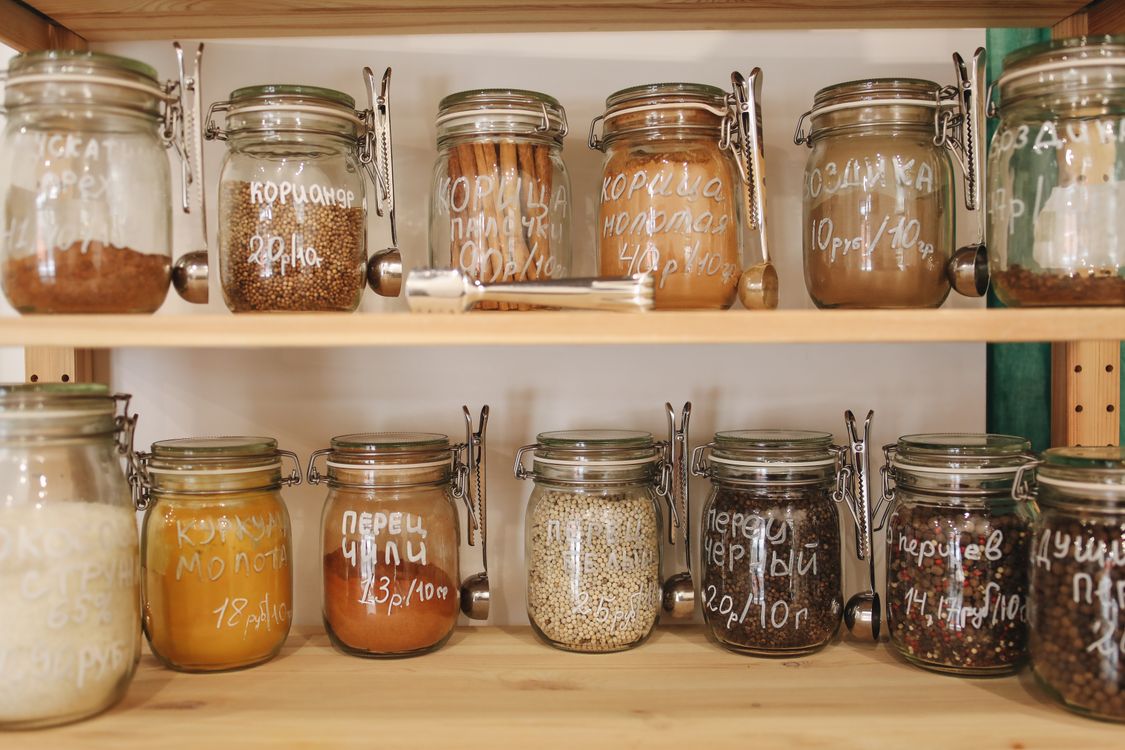
A useful pantry begins with the meals you actually make. If pasta is cooked twice a week and specialty baking flour is opened twice a year, they should not compete for the same convenient shelf. The aim is to make tonight's dinner easier, reduce forgotten food, and leave enough room to put groceries away without a second rearrangement.
Start with an honest inventory
Take everything from one shelf, not the whole room. A full empty-out looks dramatic but can turn a manageable job into an afternoon of piles. Check labels and packaging as you go. Put like items together: breakfast, cooking staples, snacks, baking, and backup supplies. Keep a small “use soon” group for ingredients that are open or approaching a quality date.
Do not interpret every printed date as a safety verdict. Different foods and labels mean different things. Follow package instructions, storage conditions, and food-safety guidance, particularly for damaged cans or items marked for refrigeration. The USDA notes that shelf-stable goods can be stored at room temperature, but that description does not apply to every product that happens to come in a can.
Before buying a single organizer, count duplicates. Three half-used bags of the same ingredient are more revealing than an untidy photograph. If you rarely reach for an item, ask whether it belongs in this cupboard at all. Keeping less is often more effective than buying a taller bin.
Draw the shelves you have, not the shelves online
Measure height, depth, and width of the usable space. Include pipes, hinges, shelf supports, and the door swing. A deep shelf can hide its own back row; a shallow shelf often needs no organizer. A container that looks slim in a listing may still prevent the cupboard door from closing.
Place everyday ingredients between waist and eye level where they are easy to see. Heavy items belong lower. Reserve awkward high shelves for light backups that are genuinely occasional. If children need independent access to snacks, give them a predictable lower zone rather than making every item accessible by climbing.
A simple piece of paper marked with shelf dimensions can prevent buying the wrong size. When comparing bins, use their external measurements, including handles. Interior capacity is useful, but the exterior is what has to fit through the opening.
Group by task, not by packaging color
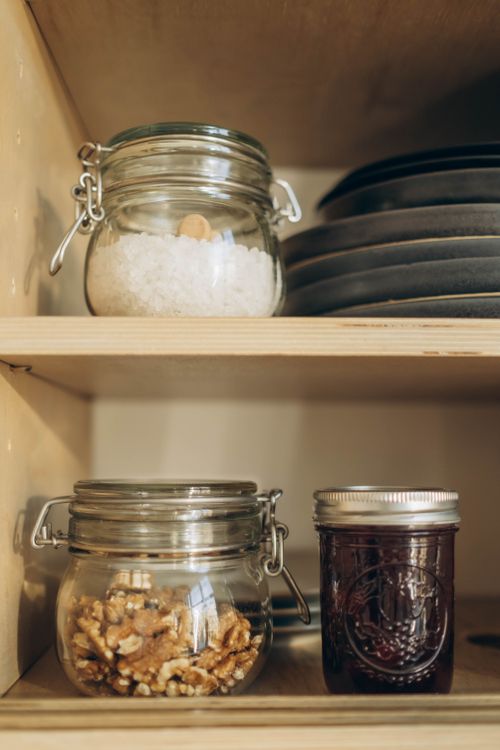
Breakfast supplies can live together even if one is boxed, one is bagged, and one is in a jar. Cooking oils, common spices, and a frequently used grain may belong near the preparation area rather than in a distant pantry. The organizing principle should match how someone moves through the kitchen.
Try one week without new containers. Put the existing packages in rough zones and observe what ends up on the counter after cooking. That pile is data. If the same packet repeatedly fails to make it back to its shelf, the system may be too hard to use, not a sign that the household lacks discipline.
Avoid a category called “miscellaneous.” It becomes the place where every decision is postponed. If a category needs a catchall, make it small and review it monthly. One open basket for baking decorations might be reasonable; four opaque baskets with unknown contents are simply hidden clutter.
Containers are tools, not the project
Decanting can help with a torn bag, pests, or an ingredient you use often. It is less compelling for something with a long instruction panel or a tiny quantity that will be used once. If you transfer food, keep the original label information where needed: product identity, preparation directions, allergens, and any relevant date. A piece of tape on the back of the container is not glamorous, but it is useful.
Buy containers for the ingredient's real quantity. A jar that holds one partial bag creates a second package to store. Wide openings are easier for scoops; narrow ones may suit pouring. Check whether a lid is easy to clean and replace. Matching silhouettes are not a benefit if the seal is poor or the shape wastes half a shelf.
Clear bins make contents visible but can look busy when every package faces forward. Opaque baskets calm the view but require labels if they are used for unrelated goods. Choose based on what you need to remember. Neither choice is inherently more organized.
Make the first-in, first-out habit easy
New groceries tend to land in front of old ones. Give the older package the easy position, or keep a short “finish these” area. This is not a complicated stockroom system; it is a reminder visible when you decide what to cook. A small shelf riser can help if cans are disappearing behind each other, but measure before buying one.
Write a shopping list from what is missing, not from what the pantry looks like. A well-styled shelf can still contain five bags of flour and no dinner plan. It may help to keep a pencil and note card inside the cupboard so the last person who uses an ingredient can write it down immediately.
Clean with the right level of effort
Wipe shelves and let them dry before restocking. Check for spills, damaged packaging, or signs of pests. If a cabinet has a persistent moisture problem, do not conceal it with a liner or basket. Address the source and follow appropriate guidance before returning food. Avoid strong fragrances near food, and use cleaning products according to their labels.
The reset is finished when the shelf is easy to use, not when it looks like a store display. Test it with a normal grocery trip. If the same items cannot be put away without moving three bins, adjust the zones. Your kitchen is giving you better feedback than any photograph.
What to buy, if anything
After a week, make a short list. Perhaps one shallow tray will keep small seasoning packets together. Perhaps a durable container will solve a repeated spill. Perhaps nothing is needed beyond moving the cereal down a shelf. Buy the smallest number of pieces that fix a specific friction point, preferably in a size that can serve another purpose if the arrangement changes.
A pantry that feels ordinary but makes dinner easier is a success. It can contain original packaging, mismatched jars, and a handwritten label. Its value is not that every shelf looks the same; it is that you can see what you have and use it before buying it again.
Food-storage references
- USDA Food Safety and Inspection Service, shelf-stable foods: https://ask.fsis.usda.gov/article/What-does-shelf-stable-mean
- USDA Food Safety and Inspection Service, canned-food storage and damaged-container warning signs: https://ask.fsis.usda.gov/article/How-long-can-you-keep-canned-goods