

An electric fireplace insert can make a plain wall or unused fireplace feel like a focal point. Its moving light is often the reason to buy it. The heater is a separate decision: how much warmth does it provide, where does the warm air leave the cabinet, and what will it cost to run during a long evening?
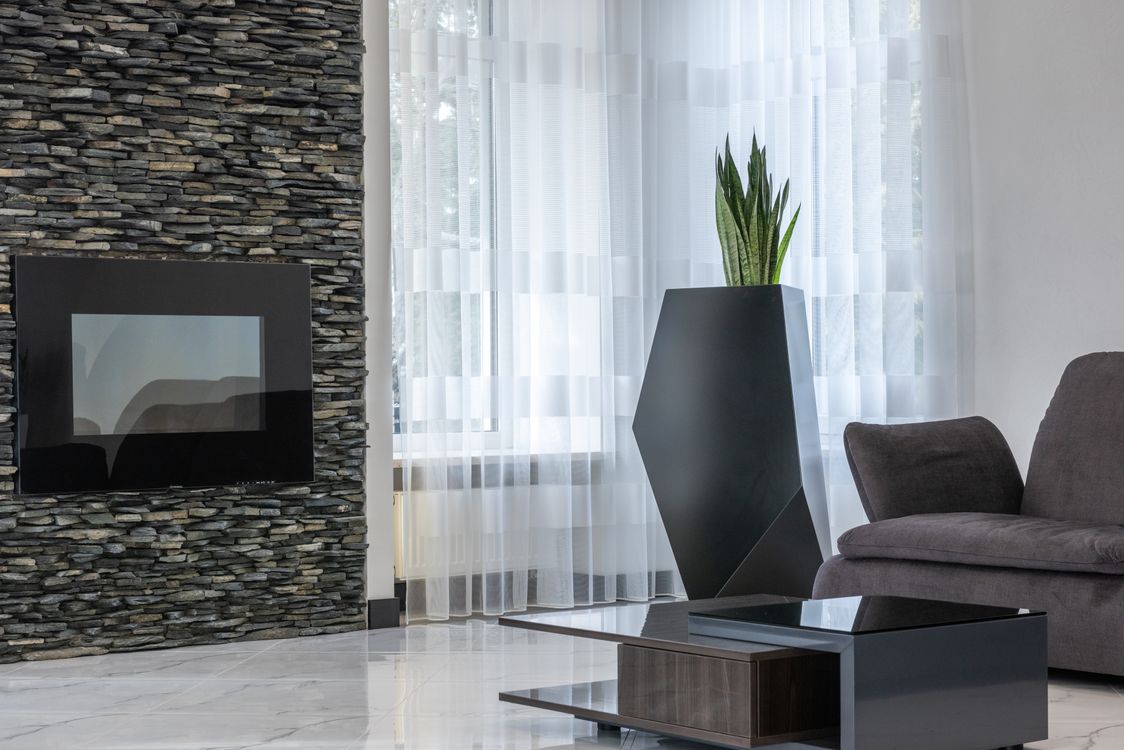
This is a feature-based buying assessment, not a product ranking based on hands-on tests. An insert may be simple to install compared with a fuel-burning appliance, but “plug and play” still depends on the opening, outlet, clearances, and the manufacturer's instructions. Treat it as a heater with a decorative feature, not merely a decorative screen.
Decide which kind of product you mean
Retailers use “electric fireplace” for several products: a freestanding stove, a media console with an integrated heater, a unit designed to slide into an existing opening, and a wall-mounted or recessed linear model. Their installation demands differ substantially.
An insert for an existing fireplace may rely on the surrounding cavity and a trim kit. A built-in model may require a framed opening and specific ventilation clearances. A freestanding unit is easier to relocate but occupies floor space. Before comparing flame effects, identify which form fits the room and whether modification is allowed.
In a rental, do not assume a recess can be cut or an old fireplace altered. Ask the owner and follow local rules. A reversible console or freestanding unit may be more realistic.
Measure the actual opening
For an existing fireplace, measure width, height, and depth at several points. Openings can be irregular. Note the raised hearth, protruding trim, and any slope in the floor. Compare the smallest usable dimension with the insert's installation specification, not just the width of its visible glass.
Determine where the cord will go and whether the outlet is accessible without pinching it behind the unit. Do not run a heater cord through a concealed cavity or beneath a rug unless the specific installation instructions and applicable electrical rules permit the method.
If a fuel-burning fireplace is still functional, do not casually place an electric insert in it and continue using the flue or gas line. Decommissioning or changing the use of a fuel-burning installation may require a qualified professional.
Separate the flame from the heat

Many models let the flame effect run without the heater. That can provide ambience in warmer months with much lower electrical use. Confirm this feature in the manual rather than assuming it from a showroom demonstration.
Look at the flame at night and in daylight. Some effects are convincing from a seated distance but expose a bright screen or repetitive pattern when viewed from the side. Brightness, color, ember bed, and sound options are matters of taste; extra settings do not necessarily make an effect more pleasant.
Consider whether the light reflects on a television or window. A fireplace placed beneath a screen can create visual competition and may push the television too high for comfortable viewing.
Read heating claims carefully
Electric resistance heaters convert electrical energy to heat at the point of use, but that does not mean they are the cheapest way to heat a home. The U.S. Department of Energy notes that electric resistance space heating may be costly relative to other systems in many circumstances. An insert is generally a supplemental room heater, not a replacement for an appropriate whole-home system.
Manufacturers may state a maximum room size. Such figures depend on insulation, ceiling height, outdoor temperature, and the rest of the heating system. Compare rated wattage and heat output, then think about the actual room. A large, drafty living room will not become uniformly warm because a product page lists a generous square-foot figure.
Check where heated air exits. A top-front outlet behaves differently from a bottom-front outlet when furniture or a mantel is nearby. Never block intake or exhaust grilles to improve the appearance.
Estimate operating cost honestly
The simple electricity estimate is heater power in kilowatts multiplied by hours used and the local price per kilowatt-hour. For example, a 1.5-kilowatt heater running continuously for four hours uses about six kilowatt-hours. A thermostat may cycle the heater, so actual use can differ.
Calculate with your own tariff rather than a national headline price. Flame-only operation usually consumes much less than full heat, but the exact figure belongs in the model's specification. A timer can prevent unnecessary overnight operation, though it is not a substitute for safe-use habits.
If the goal is lower heating bills, compare the insert with the home's existing system and the insulation of the room. Buying an expensive decorative heater as an energy-saving measure without that comparison can be disappointing.
Treat the outlet as part of the purchase
Check voltage, plug type, current draw, and the manufacturer's instructions. A high-power heater should not be connected to an ordinary extension cord or power strip. The U.S. Consumer Product Safety Commission advises plugging portable electric heaters directly into a wall outlet and keeping them away from combustibles.
An insert may be classified and installed differently from a portable heater, so follow its exact listing and manual. If it calls for a dedicated circuit or hardwiring, a qualified electrician should assess the site. Do not modify the plug or conceal a hot cord to make the design work.
Stop using the unit if the plug, outlet, or cord becomes unusually hot, if a breaker repeatedly trips, or if the appliance shows damage. Have the issue evaluated rather than moving the heater to another overloaded outlet.
Respect clearances and surfaces
The manufacturer specifies distances from curtains, furniture, shelves, televisions, and other materials. Read the installation diagram for the exact model and configuration. A mantel or cabinet that appears generous may still block the heat outlet or trap warm air.
Keep bedding, papers, and children's toys away from the heater. The CPSC's portable-heater guidance recommends at least three feet from combustible materials for those products; an installed insert's own rated clearances must also be observed. Do not assume the decorative glass remains cool enough for unsupervised contact.
Anchoring matters for media consoles and tall surrounds. Follow the furniture's anti-tip instructions, particularly where children may visit. An insert placed in a homemade cabinet needs the appliance's specified ventilation and materials, not only a visually neat fit.
Compare controls for everyday use
A remote is convenient from the sofa but easy to lose. Check whether the unit has accessible physical controls and whether flame and heat can be operated separately. A thermostat setting is more useful when its sensor is placed where it can read room conditions reasonably.
Timers, child locks, and overheat protection can be worthwhile, but their presence should be verified in the manual. App control adds another account and software dependency; it is not necessary for every household.
Check whether settings are remembered after a power outage. An unexpected restart or loss of preferred settings can change how comfortable the product is to use.
Look at serviceability, not just warranty length
The LED flame effect, heater fan, control board, and remote are separate components. Ask whether replacement parts are available and what the warranty covers. A failed heater in an otherwise attractive built-in unit can be expensive to remove and replace.
Read the cleaning instructions. Dust can accumulate at air inlets and reduce performance. Some fronts remove easily for cleaning; others require more disassembly. Follow the manufacturer's process and disconnect power before service.
A fan that rattles or grinds should not be ignored as normal ambience. Contact the seller or service provider rather than opening electrical components without qualification.
Decide if the visual effect is worth the compromise
For some rooms, the flame-only effect and a clean architectural focal point justify the purchase even if the heater is used occasionally. For others, the same budget could improve lighting, a rug, or a more efficient heating solution. A fireplace insert is not required for a room to feel warm in character.
View the actual model operating at the distance and light level typical of your home. Measure the opening, inspect the cord route, and price installation and any trim kit. If the unit needs a new outlet, include that work before comparing prices.
The practical verdict
An electric insert is strongest when its opening fits without unsafe improvisation, its flame effect pleases you at normal viewing distance, and its heater is treated as supplemental warmth with a known operating cost. It should be easy to control, clean, and service.
The disappointing purchase is the one chosen from a photograph before measuring the cavity or checking the circuit. Solve those two conditions first. Then choose the ambience you want to live with.
Sources and further reading
- U.S. Consumer Product Safety Commission, winter heating safety: https://www.cpsc.gov/Newsroom/News-Releases/2026/Keep-Warm-and-Safe-This-Winter-Tips-for-Using-Generators-Furnaces-and-Space-Heaters
- U.S. Department of Energy, electric resistance heating: https://www.energy.gov/energysaver/heat-pump-systems