

A room used by guests for two weekends a year has a great deal of time to earn its square footage. It may be the only place for quiet work, sewing, exercise, or household paperwork. Yet the usual “multipurpose” solution is to crowd it with every leftover item until visitors arrive and the owner spends an evening hiding the evidence.
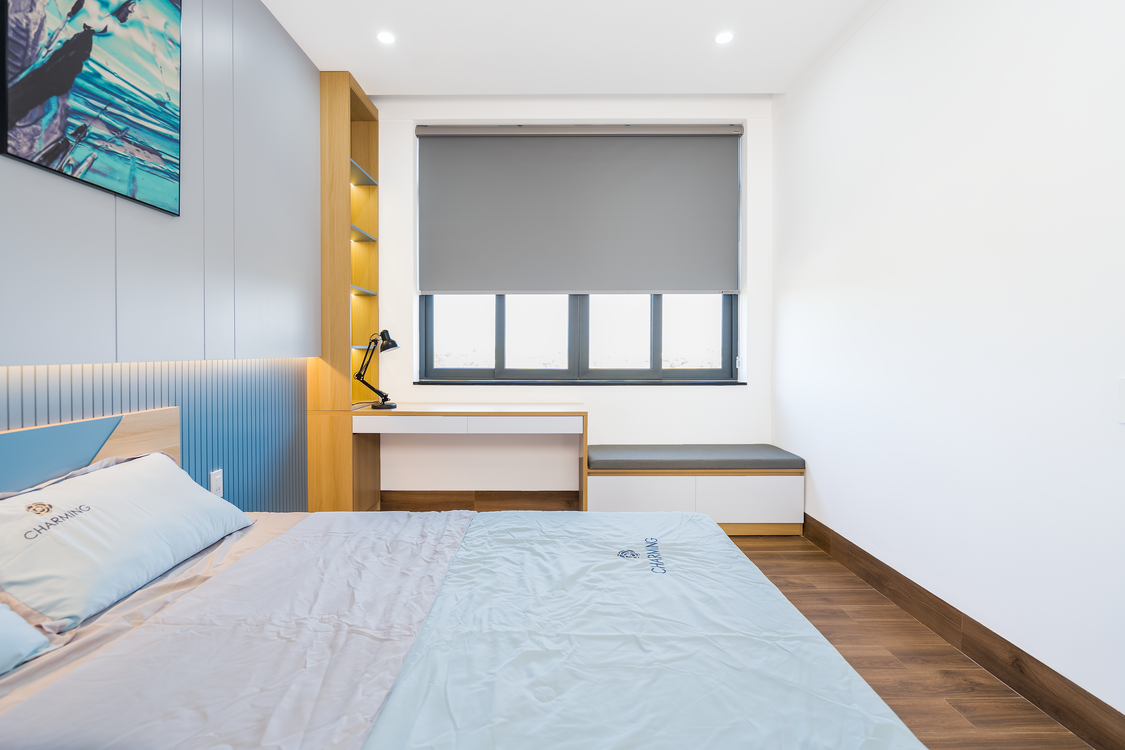
A better guest room has two honest modes. Daily life has a comfortable place to happen, and a guest can arrive without requiring a complete clear-out. The design starts with the bed and circulation, then gives the everyday activity a bounded area and a simple closing routine.
Decide what the second purpose actually is
Choose one primary everyday use. A room can contain a desk and a yoga mat, but it cannot function well as an office, gym, craft studio, storage unit, and guest suite simultaneously if each activity needs permanent equipment.
Write down what the daily use requires: a work surface, monitor, task chair, sewing machine, cutting space, exercise clearance, or shelves. Then list what guests need: a comfortable sleep surface, a clear route to the door, a place for a bag, bedside light, accessible outlet, and somewhere to hang clothes.
Any item that serves neither purpose should move elsewhere. This is not austere minimalism; it is giving the room a manageable job.
Draw both layouts at full scale
Measure the room, doors, window, closet swing, vents, and outlets. Tape the bed footprint on the floor. If it unfolds or extends, mark that footprint too. Walk the route from the door to the bed and the bathroom. Open drawers and test whether a chair can pull out when the bed is ready.
A sleeper sofa may leave excellent daily floor space but require moving a coffee table every night. A daybed works as seating and sleeping, although its deep seat may need substantial cushions and storage for them. A conventional bed is easiest for an overnight guest and can still coexist with a small office if the room is large enough.
Do not buy based on closed dimensions alone. The guest mode is real, even if used less often, and it must remain safe and comfortable.
Choose the sleep surface deliberately
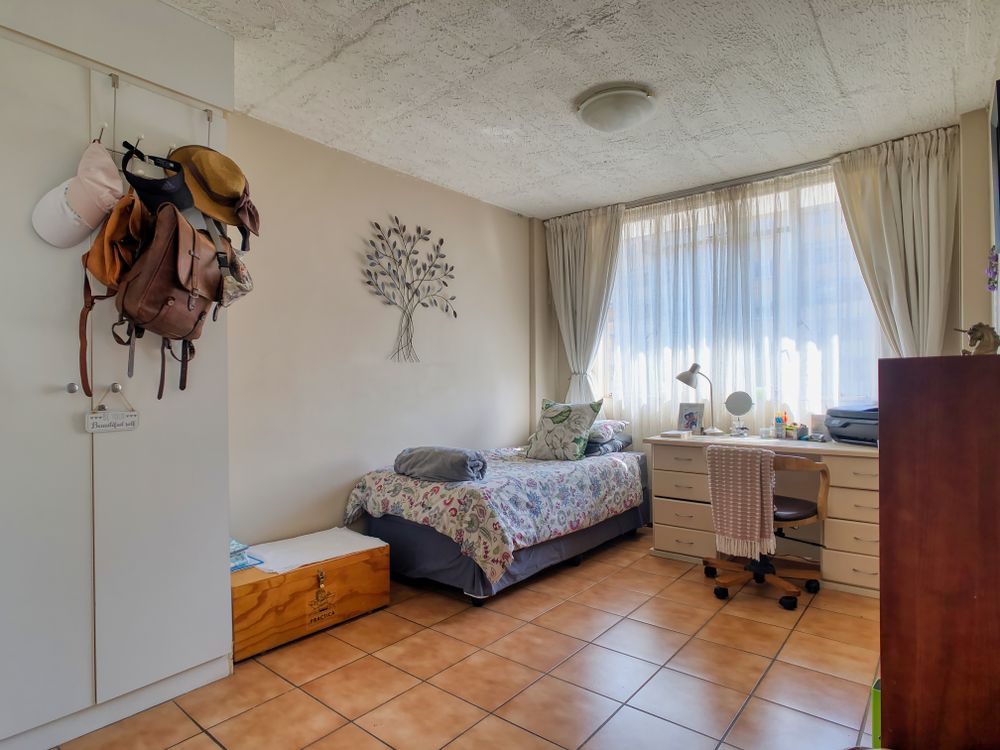
A guest mattress is not improved by being rarely used if it is too thin, unsupported, or awkward to access. Read the bed maker's support requirements and consider the ages and mobility of likely visitors. Very low daybeds and high bunks can be difficult for some guests.
For a sofa bed, operate the mechanism yourself if possible. Check the open length, the support beneath the mattress, and whether sheets can remain on it when folded. A pullout trundle needs unobstructed floor space and may place the sleeping surface close to the ground.
Keep a spare mattress protector and appropriately sized bedding. Launder stored linens before guests arrive if they have been unused for a long time. A labeled, closed container is preferable to a pile on the bed.
Give work a defined zone
If the daily use is an office, select a desk deep enough for the screen and keyboard and a chair suitable for the length of the workday. OSHA advises considering monitor placement together with the desk, chair, and keyboard, rather than treating each item separately. An attractive narrow console may be too shallow for comfortable extended computer work.
Place the screen to reduce window glare. A desk that can close—a secretary cabinet or a shallow table with a closed supply drawer—helps the room change modes. If a full desk remains, make it easy to put away papers and personal electronics when visitors come.
For a hobby room, identify the largest active project and provide a container sized for it. A folding worktable is useful only if there is a safe place to store it and the setup effort is reasonable.
Keep storage behind a boundary
Closed storage prevents the guest room from looking like overflow space. Dedicate one cabinet or closet section to the daily activity and reserve a genuinely empty area for guests. A visitor should not need to shift boxes to hang a coat or place a suitcase.
Use shelves for current supplies, not indefinite archives. Label containers by contents and review them periodically. If a tall cabinet is used, follow the manufacturer's anchoring instructions and match fasteners to the wall. Heavy items belong low.
Under-bed storage can work for spare bedding, but verify that it does not obstruct a trundle or block airflow required by the bed design. Avoid storing dusty materials immediately beneath a guest's pillow area.
Make the room comfortable in both modes
Layer lighting. An overhead fixture helps with cleaning and work, a task lamp illuminates the desk, and a bedside lamp allows a guest to read without crossing a dark room. Put controls where they can be reached in each mode. Use the proper bulb and fixture rating.
Window coverings should control light and privacy. Check for gaps visible from outside at night. Keep cords managed and follow current safety guidance, especially if children visit.
A rug can soften sound and make the room feel more finished, but it should not catch beneath a rolling chair or create a tripping edge beside the bed. A chair mat may be more practical in the work zone.
Plan power and connectivity
Guests often need to charge a phone near the bed. A usable outlet or appropriately installed charging point is more considerate than decorative accessories. Keep cords away from pathways and bedding. Do not run them beneath rugs or connect power strips in series.
If the room is an office, locate the router signal and consider video-call needs before committing to a desk position. A guest may appreciate a simple card with Wi-Fi information, but do not leave sensitive household passwords in an unsecured public-facing space.
Ventilation and temperature matter too. A room kept closed most of the year can become stale or humid. Air it out and inspect for moisture before a stay; do not cover a damp problem with fragrance.
Provide a small guest kit
The useful items are modest: fresh towels, a water glass or carafe, spare blanket, tissues, wastebasket, accessible hangers, and a place for a bag. A mirror helps, particularly if the bathroom is shared. Put a reading light within reach and check that it actually works.
Avoid filling every surface with staged amenities. A visitor needs room for their own objects. One clear bedside surface and an empty drawer are more valuable than a tray of unused toiletries.
If the household includes pets, consider allergies and explain where animals normally sleep. Clean soft surfaces ahead of a visit rather than making unsupported claims that the room is allergen-free.
Create a conversion checklist
The room should switch from daily mode to guest mode in under an hour. Write the steps once: archive active papers, move the chair if necessary, open and make the bed, set out linens, clear a drawer, test lights and outlets, empty the bin, and check the route to the door.
Store the bedding together so conversion does not involve searching three closets. Photograph the guest-ready layout if furniture needs moving. Keep any assembly tool or bed mechanism instructions with the furniture.
After guests leave, wash linens and reset the daily zone immediately. Otherwise the room can remain in an awkward half-converted state for weeks.
Do not compromise the exit
Furniture must not obstruct the room door, window access needed for emergency escape, or smoke alarm. A folding desk or guest bed is not a reason to block a safe route. Check the open configuration, not just the tidy daily one.
Tall storage should be stable and anchored when required. Keep portable heaters away from bedding and follow their safety instructions. A guest unfamiliar with the room should be able to reach the door in darkness without navigating exercise equipment or boxes.
Spend on the two real experiences
The best budget allocation supports the activity used every week and the sleep experience used occasionally. A good chair may matter more than decorative wall panels for a daily office; a supportive mattress and bedside light matter more than elaborate guest styling.
Buy flexible furniture only when its mechanism is easy enough to use. A daybed that requires an hour to convert or a folding desk that remains permanently open is not creating flexibility. Secondhand pieces can add character, but inspect structure and measure the full open footprint before committing.
A room with two honest identities
A successful multipurpose guest room is neither a shrine to rare visitors nor a storage room temporarily disguised with clean sheets. It has a daily purpose, a clear boundary for its supplies, and a guest mode that is comfortable without frantic preparation. Design both modes on paper, test them at full scale, and keep enough empty space for a person who does not live there. That is what makes the room work hard without looking overworked.
Sources and further reading
- Occupational Safety and Health Administration, computer workstation components: https://www.osha.gov/etools/computer-workstations/components/monitors/
- U.S. Consumer Product Safety Commission, furniture tip-over prevention: https://www.anchorit.gov/