

The best outdoor dining set is not necessarily the one that looks most inviting in a summer catalog. It is the one that still works after a rainy week, a windy afternoon, or a long winter in storage. Climate changes the calculation. So do the size of the patio, the way chairs move, the availability of shade, and the amount of maintenance you are actually willing to perform.
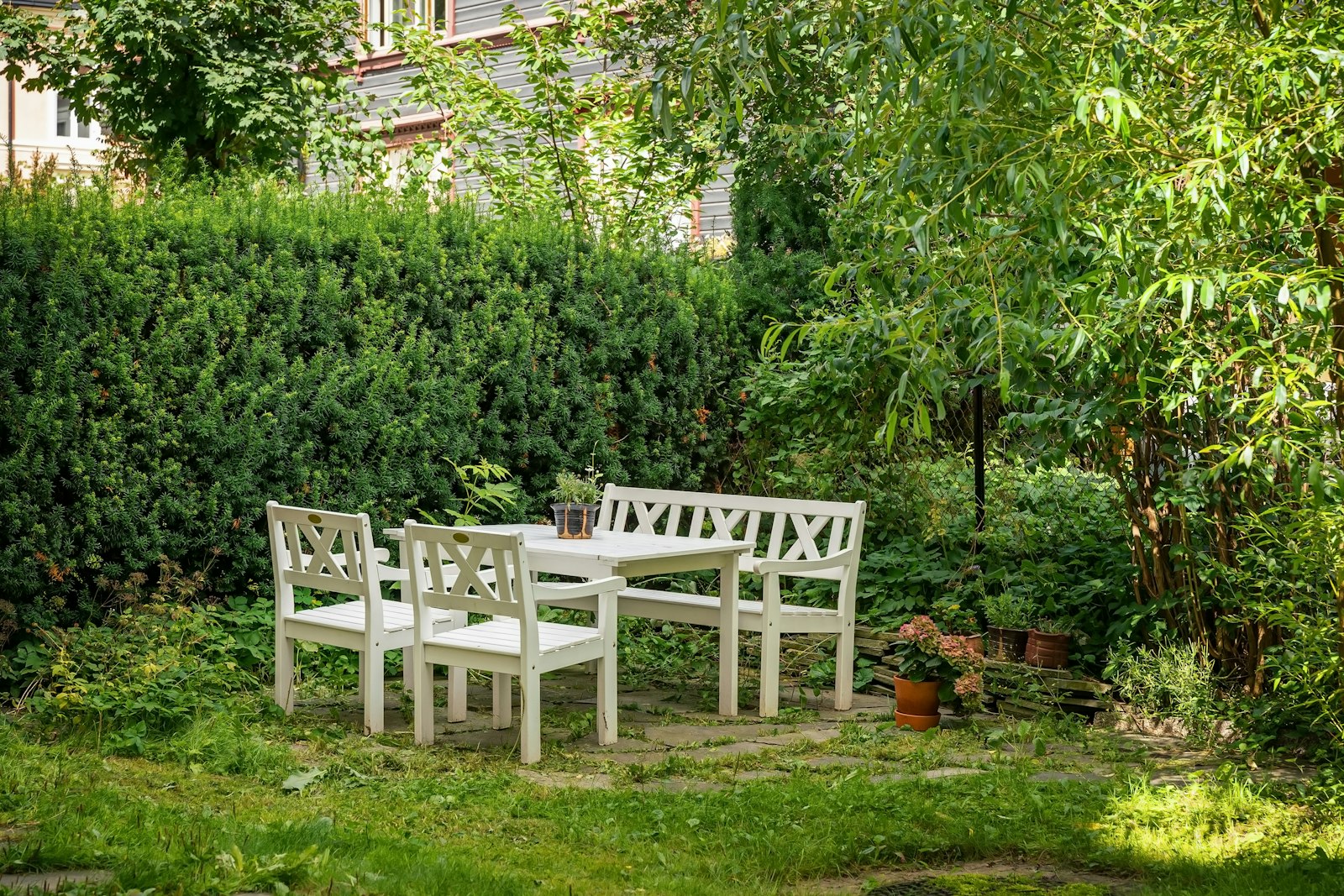
Before choosing a style, spend a few days observing the space. Record where sun falls at the time you would eat, how water drains, and whether wind catches loose objects. A table that fits on paper may leave no room to pull out chairs. A material marketed as weatherproof may still become uncomfortable to touch in direct sun or require a specific cleaning routine.
Measure the dining area in use
Measure the hard, level area available, not the entire yard or deck. Mark the proposed table footprint with painter's tape, then place actual chairs or cardboard outlines in their pulled-out positions. Walk behind an occupied chair while carrying a tray. Open any nearby doors and gates.
Outdoor dining needs circulation just as indoor dining does, but plants, planters, steps, and grill access add complications. Do not place chairs where their back legs can slip off a raised deck or patio edge. Leave a route that remains usable when every seat is occupied.
Check whether the surface is level. Some tables have adjustable feet; many do not. A slight slope for drainage is normal, but rocking furniture makes drinks and meals frustrating. A stable base matters more than a perfectly symmetrical layout.
Buy for your normal group
A six- or eight-seat set can dominate a modest patio for the few occasions when every seat is needed. A smaller table with movable extra chairs may work better for everyday meals. Benches can accommodate guests flexibly, but everyone may have to move when the person in the middle gets up.
Measure chair width, including arms, rather than trusting the advertised seat count. Compare leg positions beneath the table. A pedestal frees some knee space, while corner legs can interrupt an end seat. Test whether chairs tuck under the apron when not in use.
If children or older adults regularly use the space, consider seat height, arm support, and how easily the chairs move. An ultra-low lounge chair may look relaxed but be uncomfortable for eating.
Match the material to exposure
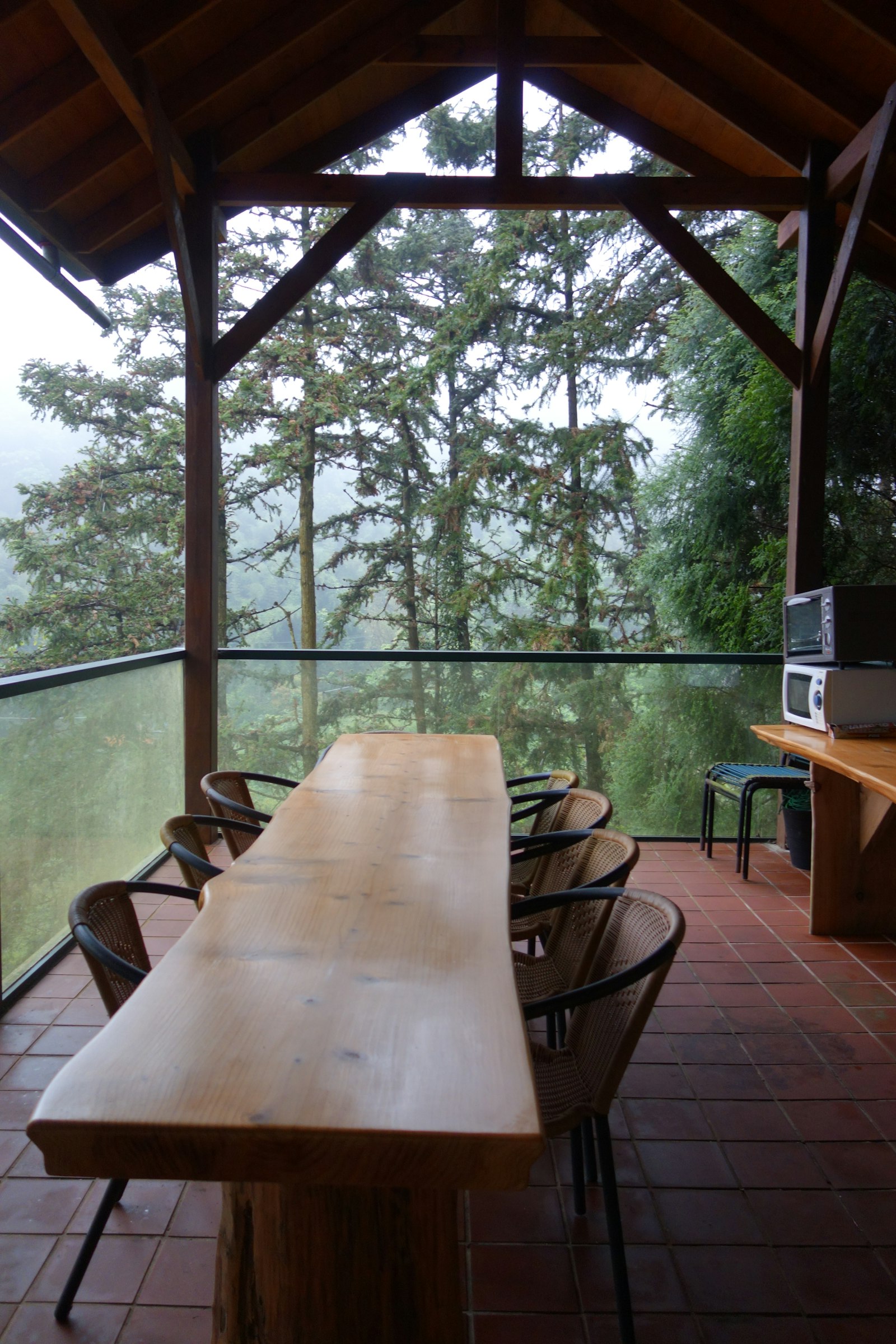
Powder-coated aluminum is relatively light and does not rust like steel, although coatings can scratch and fasteners may be made of other metals. Its lightness makes rearranging easy but can be a drawback on a windy site. Examine welds, joints, and the underside, not just the visible finish.
Steel can feel substantial and stable. It needs good protective coating and attention to chips, especially in humid or coastal conditions. Ask how exposed fasteners and hollow tubes are protected. Water trapped inside a frame can cause problems even when the exterior looks sound.
Wood brings warmth and can often be repaired, but species and finish make a difference. Teak, cedar, and other outdoor-suitable woods are not identical in maintenance or sourcing. Some weather to gray when left unfinished; a uniform original color generally requires periodic care. Follow the maker's instructions rather than applying an oil because a generic internet tip recommends it.
Recycled-plastic lumber and other polymer furniture can be practical where repeated wetting is expected. The U.S. EPA recognizes recovered-plastic materials in park benches and picnic tables, but that designation does not certify every consumer product's durability. Check structural reinforcement, expansion gaps, weight, and temperature guidance for the specific set.
Look closely at woven and mixed materials
“Wicker” describes a weave, not necessarily the fiber. Natural wicker and synthetic resin wicker behave differently outdoors. A woven seat may be comfortable without a cushion, but exposed strands can crack or unravel, and a tight weave can trap debris. Inspect how the material is attached to the frame and whether replacement parts exist.
Mixed-material sets introduce more maintenance instructions. A wood top on a metal frame may require separate cleaning and may expand differently with weather. A ceramic or stone-look top can be heavy and cool to the touch, while glass may show water spots and require careful handling. Verify whether glass is safety-rated and whether a damaged top can be replaced.
Do not assume a furniture cover solves every exposure problem. An ill-fitting cover can trap moisture against surfaces. The manufacturer may recommend breathable covers, seasonal storage, or leaving certain components uncovered so they can dry.
Decide where cushions will live
Weather-resistant fabric is not the same as permanently dry cushions. Water may pass through a cover and remain in the fill. Check whether the cushions can drain and dry, whether covers are removable, and what the care label permits.
Plan a dry, ventilated storage place before purchasing a set with many cushions. A deck box can keep them close, but damp cushions should not be sealed inside it. In a very wet climate, comfortable sling chairs or well-designed solid seats may be easier to live with than thick upholstery.
View fabric samples outside in full sun and shade. Bright colors can fade differently, and pale fabrics show some soils more readily. Ask about replacement cushions; proprietary shapes can become expensive when the original covers wear out.
Account for sun and heat
Shade may be a larger improvement than a premium tabletop. At the intended dining hour, sit in the space for twenty minutes. A dark metal chair or stone top can become unpleasantly hot. A tree that shades the patio in the morning may not help at dinner.
An umbrella needs a compatible table opening, stable base, and a plan for wind. Do not leave it open unattended in gusty conditions. Cantilever models need even more floor area than their overhead footprint suggests. Permanent shade structures require appropriate installation and local approvals.
Check whether sun moves the diners into glare even if the table itself remains shaded. Flexible seating or a modest movable shade can outperform a large fixed set in an awkward exposure.
Consider rain, wind, and winter
Water should drain from seats and tables rather than collecting in a recessed surface. Inspect feet and tube ends, where standing water can accelerate wear. A table with narrow, widely spaced slats may drain well but allow small utensils to tip; a solid top is easier for place settings but may hold puddles.
In a windy setting, lightweight chairs need a securing or storage plan. Heavy furniture can still blow over when an umbrella acts as a sail. In freezing climates, water trapped in joints or porous materials may expand. Follow product-specific winter storage instructions rather than assuming “all-weather” means year-round exposure in every region.
Salt air adds another consideration. Rinse deposits according to the maker's advice and examine exposed hardware. Coastal suitability should be documented for the complete product, not inferred from the main frame material alone.
Inspect construction and replacement options
Sit in the chairs and shift weight gently. Listen for movement at joints. Check whether the table rocks, whether bolts remain accessible, and whether protective feet are replaceable. A cheap set with custom-sized plastic glides can become awkward to maintain if those small parts disappear.
Download assembly instructions if available. Count the required people and tools. Fasteners should align without forcing the frame out of square. Confirm the stated weight limits and whether they apply to each chair and the table separately.
Ask how long replacement slings, cushions, feet, hardware, and tabletops remain available. A repairable frame can justify a higher initial price, especially when the set is difficult to transport or dispose of.
Compare total cost and care
Price the set with delivery, assembly, umbrella, base, cushions, covers, storage, and any required cleaners or finish treatments. A low starting price may not include pieces shown in the photograph. Read return terms for assembled outdoor furniture and inspect for shipping damage before discarding packaging.
Write down a realistic annual care routine. Wood may need cleaning and finish work; metal needs chip inspection; fabric needs drying and laundering; every set benefits from checking hardware and cleaning grit from feet. If that routine is unlikely to happen, choose a simpler material and configuration.
The climate-smart choice
Start with how many people usually eat outside, then fit the table and pulled-out chairs into a safe circulation area. Choose material for your exposure and maintenance tolerance, not an “outdoor” label alone. Finally, plan shade and storage before adding accessories.
A modest, well-scaled set that can be cleaned, dried, and repaired will feel more luxurious in daily use than a larger one that blocks the patio or needs constant rescue from the weather. The best outdoor dining furniture makes it easy to say yes to a meal outside—and easy to put the space back in order afterward.
Sources and further reading
- U.S. Environmental Protection Agency, recovered-material guidance for park benches and picnic tables: https://www.epa.gov/smm/comprehensive-procurement-guidelines-park-and-recreation-products
- U.S. Consumer Product Safety Commission, home and outdoor safety: https://www.cpsc.gov/Safety-Education