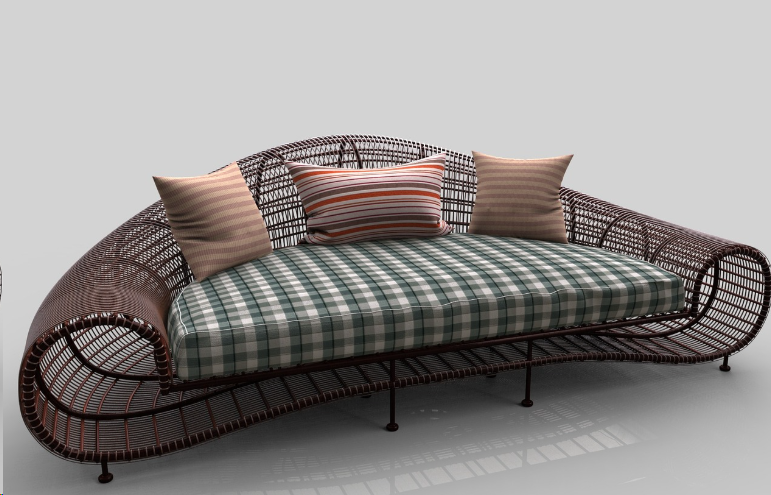
Author: worthbuyingnow

  • A Review of Multi-Functional Furniture for Small Apartments

    A Review of Multi-Functional Furniture for Small Apartments

    Introduction: Why Multi-Functional Furniture is a Game Changer

    Living in a small apartment often means sacrificing space for functionality, but what if you didn’t have to? Multi-functional furniture is here to save the day! These clever, space-saving pieces not only maximize your living area but also enhance the aesthetic appeal of your space. But how does this furniture actually help, and what makes it so popular among city dwellers? Let’s dive into the world of multi-functional furniture and see why it’s taking small apartment living by storm.
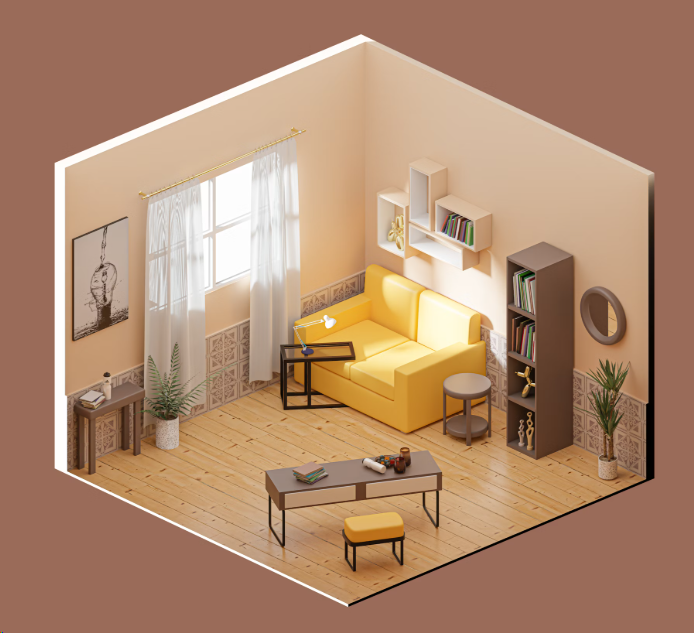
    Understanding the Needs of Small Apartment Dwellers

    Small apartment living has become increasingly common, especially in urban centers where real estate is expensive and space is at a premium. With limited square footage, people are more inclined to look for innovative ways to maximize their living space without compromising on comfort or style. This is where multi-functional furniture plays a crucial role—it serves multiple purposes, making it a practical solution for anyone living in a cozy (yet cramped) space.

    The Rise of Multi-Functional Furniture: A Market Trend

    In recent years, there has been a significant rise in demand for multi-functional furniture, driven by changing consumer lifestyles and the growing popularity of tiny homes and studio apartments. People are looking for pieces that not only serve as furniture but also offer storage solutions, extendable components, or even transform to fit their specific needs. According to recent market trends, this shift is not just a passing phase—it’s part of a larger move towards sustainable, efficient living.

    Benefits of Multi-Functional Furniture in Small Spaces
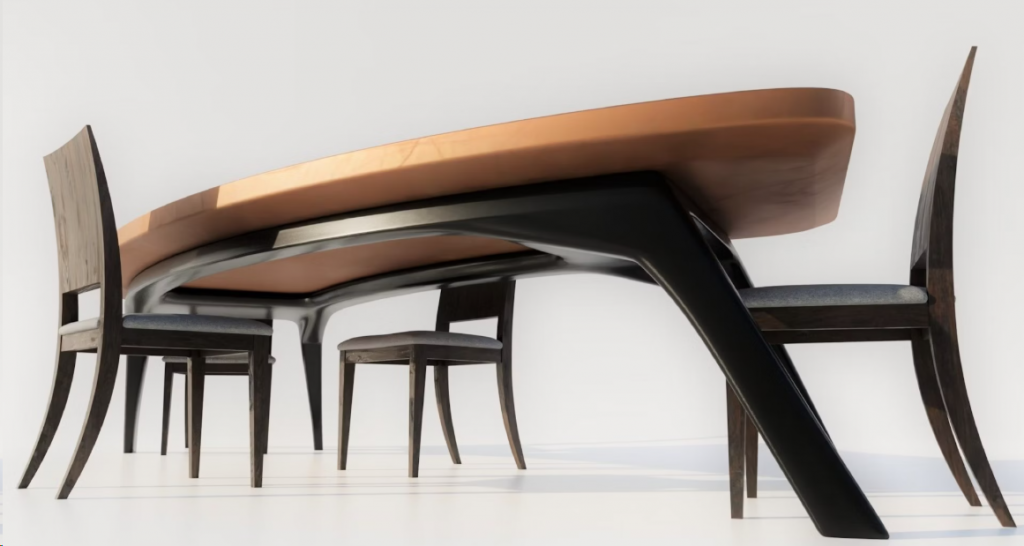
    Multi-functional furniture brings numerous benefits to small spaces:

    • Maximized Space Efficiency: By incorporating versatile designs, you can fit more into a smaller area without it feeling overcrowded.
    • Improved Functionality: These pieces can serve multiple functions (e.g., a sofa that turns into a bed or a dining table that doubles as a work desk).
    • Increased Storage: Many multi-functional designs come with hidden storage compartments, perfect for keeping clutter at bay.

    Maximizing Space Efficiency with Clever Design

    Imagine having a single piece of furniture that works as a bed, a sofa, and a desk. Sounds like a dream, right? Well, it’s a reality with multi-functional furniture. Clever designs like modular units and foldable components allow you to switch up your living arrangements as needed. Whether you’re hosting guests, working from home, or just relaxing, your furniture adapts to your lifestyle.

    Consumer Preferences: What Are People Looking For?

    Today’s consumers are not just interested in practicality—they also want style. They want furniture that looks good while serving multiple purposes. As more people focus on minimalist living and sustainability, multi-functional furniture becomes a symbol of smarter, more thoughtful living. High-quality materials and modern aesthetics are at the forefront of consumers’ minds when choosing multi-functional pieces.

    Top Features of Multi-Functional Furniture

    When shopping for multi-functional furniture, here are the top features to look for:

    Space-Saving Designs

    Compact designs are essential for small apartments. Look for pieces that fold, slide, or stack to save space when not in use.

    Convertible Furniture: From Bed to Sofa in Seconds

    One of the most popular types of multi-functional furniture is the convertible piece—think sofa beds, futons, and chairs that turn into beds. These items are perfect for small spaces where you need to optimize functionality without sacrificing comfort.

    Storage Solutions That Don’t Sacrifice Style
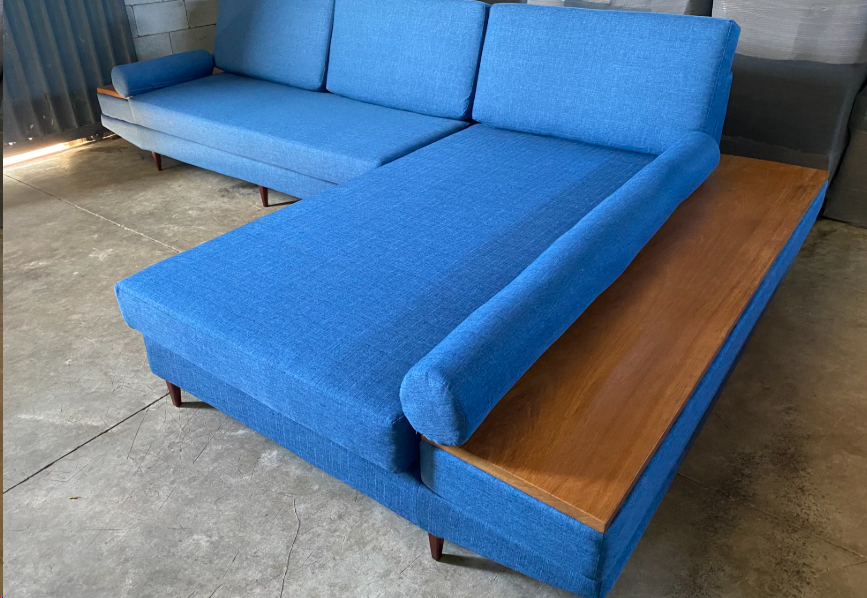
    Multi-functional furniture that includes built-in storage—such as hidden drawers in coffee tables or ottomans with internal compartments—helps keep your living space tidy while offering practical solutions for everyday items.

    Types of Multi-Functional Furniture for Small Apartments

    Sofa Beds: Comfort and Versatility Combined

    Sofa beds are a classic example of multi-functional furniture, offering a cozy spot to sit during the day and transforming into a comfortable bed at night. This is an ideal solution for anyone who needs extra sleeping space in a small apartment.

    Expandable Tables: Perfect for Entertaining in Tight Spaces

    Expandable dining tables are a must-have for small apartment owners who love to entertain. They can expand when you have guests over and fold back when you need to reclaim precious floor space.

    Wall-Mounted Storage and Shelving Units

    Wall-mounted storage units are perfect for small apartments because they free up floor space while providing ample storage for books, decor, or kitchen essentials. Floating shelves, hooks, and modular wall systems can make a huge difference in organizing your home.

    Futuristic and Innovative Designs

    From desks that fold into the wall to chairs that turn into standing desks, futuristic designs push the boundaries of functionality. These pieces offer a glimpse into the future of space-saving furniture.

    How to Choose the Right Multi-Functional Furniture for Your Apartment

    When selecting multi-functional furniture, keep the following factors in mind:

    Things to Consider Before Buying

    Consider the layout of your apartment and the specific functions you need your furniture to serve. Are you looking for a bed that doubles as a couch? Or perhaps a table that can act as both a work desk and a dining table? Understanding your needs will help guide your decision.

    Budget and Quality: Striking the Right Balance

    Multi-functional furniture can be more expensive than traditional pieces, but it’s an investment in your space’s functionality. Strike the right balance between quality and price—look for durable materials that won’t break the bank but will stand the test of time.

    Best Brands and Manufacturers in the Market
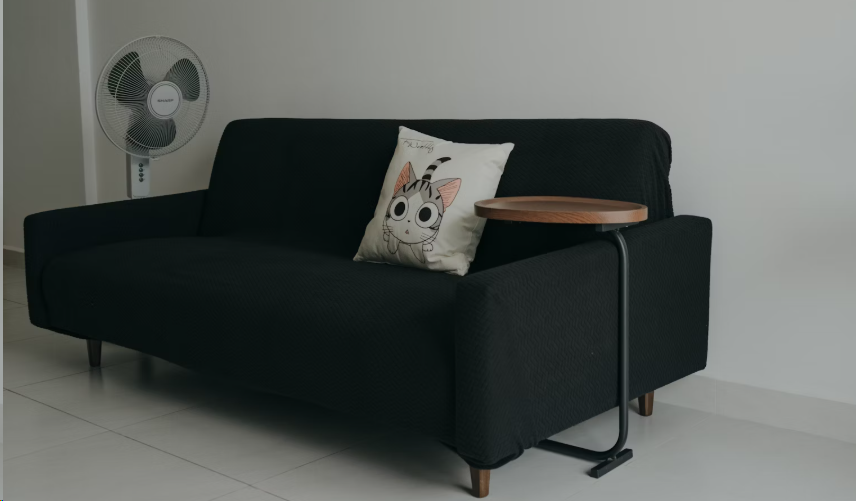
    Top brands like IKEA, Resource Furniture, and West Elm have earned their reputation for offering high-quality, stylish, and functional furniture for small spaces. These companies are leaders in the industry, constantly innovating to meet the needs of consumers living in compact environments.

    Conclusion: Why You Should Invest in Multi-Functional Furniture

    Incorporating multi-functional furniture into your small apartment can make a world of difference. Not only does it enhance your living space’s functionality, but it also adds a layer of sophistication and convenience to your lifestyle. With clever designs that maximize every inch of your home, multi-functional furniture is no longer a luxury but a necessity in today’s urban living environments.

    FAQs About Multi-Functional Furniture for Small Apartments

    1. What are the best multi-functional furniture pieces for small apartments?
      • Sofa beds, expandable tables, and wall-mounted shelves are among the best options.
    2. Is multi-functional furniture more expensive than regular furniture?
      • While some multi-functional pieces may cost more, their versatility and space-saving capabilities make them worth the investment.
    3. How can I choose the right multi-functional furniture for my apartment?
      • Consider the available space, your specific needs, and your budget when selecting multi-functional furniture.
    4. What materials are best for multi-functional furniture?
      • Durable and lightweight materials like wood, metal, and high-quality fabric are ideal for multi-functional pieces.
    5. Can multi-functional furniture be stylish?
      • Absolutely! Many modern multi-functional furniture pieces are designed to be both functional and aesthetically pleasing.
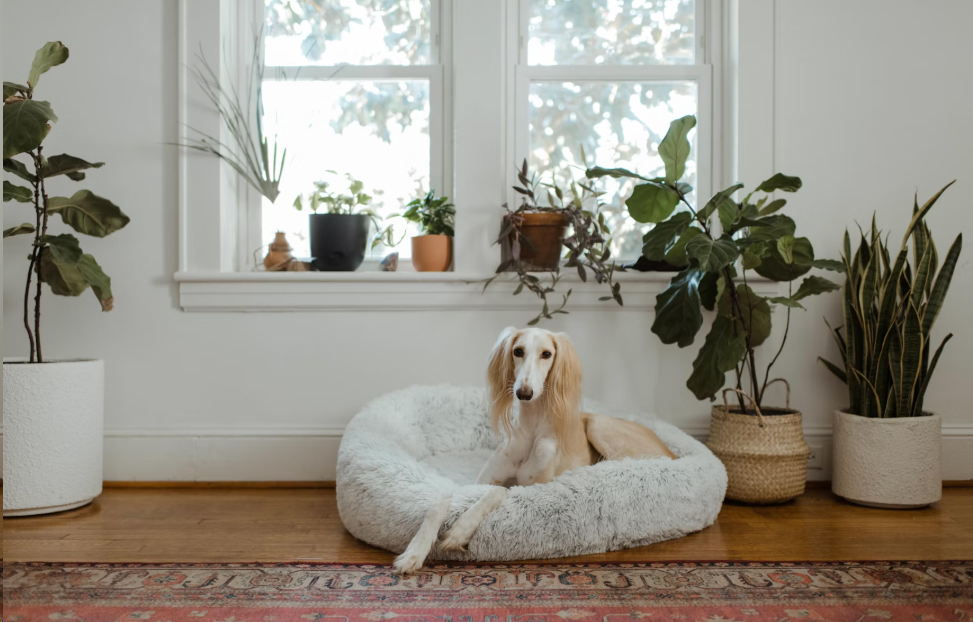
  • Best Pet-Friendly Furniture: Stylish Solutions for Animal Lovers

    Best Pet-Friendly Furniture: Stylish Solutions for Animal Lovers


    Understanding the Rise of Pet-Friendly Furniture

    The Humanization of Pets

    In recent years, pets have transitioned from being mere animals to cherished family members. This shift, known as the humanization of pets, has led to increased spending on pet-related products, including furniture that mirrors human living standards.

    Market Growth and Consumer Demand

    The global pet furniture market is projected to grow significantly, driven by factors such as increased pet ownership, higher disposable incomes, and a growing emphasis on pet well-being. Consumers are seeking furniture that offers both style and comfort for their pets.

    Key Features of Pet-Friendly Furniture

    Durability and Materials

    Pet-friendly furniture is designed to withstand the wear and tear caused by pets. Materials such as scratch-resistant fabrics, stain-proof coatings, and sturdy frames ensure longevity and easy maintenance.

    Design and Aesthetics

    Modern pet furniture is crafted to complement home interiors. From sleek, minimalist designs to cozy, rustic styles, there’s a wide range of options that blend seamlessly with existing décor.

    Functionality and Comfort

    Comfort is paramount for pets. Features like orthopedic support, temperature regulation, and easy access contribute to the overall well-being of pets, ensuring they have a comfortable space to relax.

    Top Pet-Friendly Furniture Picks

    Pet Beds and Sofas

    Orthopedic pet beds and sofas provide essential support for pets, especially older animals. These pieces are designed to alleviate pressure on joints and muscles, promoting better sleep and overall health.

    Pet Houses and Condos

    Pet houses and condos offer pets a private space to retreat. Available in various styles and sizes, they cater to different pet species and preferences, providing a sense of security and comfort.

    Multi-Functional Furniture

    Furniture that serves dual purposes, such as sofas with built-in pet beds or coffee tables with hidden pet compartments, maximizes space and functionality, making them ideal for smaller living areas.

    Sustainability in Pet Furniture

    Eco-Friendly Materials

    Consumers are increasingly opting for pet furniture made from sustainable materials like bamboo, recycled plastics, and organic fabrics. These choices reduce environmental impact while ensuring pet safety.

    Sustainable Manufacturing Practices

    Brands are adopting eco-friendly manufacturing processes, including using non-toxic dyes, minimizing waste, and ensuring ethical labor practices, aligning with the values of environmentally conscious consumers.

    The Future of Pet-Friendly Furniture

    Technological Innovations

    The integration of technology in pet furniture is on the rise. Smart pet beds with temperature control, automated feeders, and furniture with built-in pet cameras are enhancing convenience and pet care.

    Customization and Personalization

    Consumers are seeking personalized furniture options that cater to their pets’ specific needs and preferences. Customizable designs allow for unique pieces that reflect individual styles and requirements.

    Conclusion: Merging Style with Pet Comfort

    Pet-friendly furniture has evolved to offer more than just functionality; it provides stylish solutions that enhance the living experience for both pets and their owners. As trends continue to shift towards sustainability and personalization, the future of pet furniture looks promising, offering endless possibilities for creating harmonious living spaces.


    FAQs

    1. What materials are best for pet-friendly furniture?

    Materials like microfiber, leather, and performance fabrics are durable and easy to clean, making them ideal for homes with pets.

    1. How can I keep my pet’s furniture clean?

    Regular vacuuming, using slipcovers, and spot cleaning with pet-safe cleaners can help maintain cleanliness.

    1. Are there pet-friendly furniture options for small spaces?

    Yes, multi-functional furniture like wall-mounted pet beds or compact pet houses are great for small living areas.

    1. Can pet furniture be stylish?

    Absolutely! Many modern pet furniture pieces are designed to complement home décor while providing comfort for pets.

    1. Where can I purchase pet-friendly furniture?

    Pet-friendly furniture is available at various retailers, both online and in-store, including specialty pet stores and home furnishing outlets.

  • Classic vs. Modern: Furniture Styles That Stand the Test of Time

    Classic vs. Modern: Furniture Styles That Stand the Test of Time

    Introduction: The Enduring Allure of Timeless Furniture

    When it comes to furnishing our homes, the debate between classic and modern furniture styles often arises. Both have their unique charm and appeal, but what truly makes a piece of furniture timeless? Is it the rich history and craftsmanship of classic designs, or the sleek innovation and functionality of modern pieces? In this article, we’ll explore both styles, compare their features, and help you determine which suits your home best.

    What Defines ‘Classic’ Furniture?

    Characteristics of Classic Furniture

    Classic furniture is often characterized by its traditional designs, intricate details, and use of high-quality materials. Think of ornate carvings, rich wood finishes, and timeless silhouettes that have been passed down through generations.

    Iconic Classic Furniture Pieces

    Some of the most iconic classic furniture pieces include:

    • Chesterfield Sofa: Known for its deep button tufting and rolled arms, this sofa exudes sophistication and comfort.
    • Wingback Chair: A staple in traditional interiors, offering both style and support.
    • Pedestal Dining Table: A versatile piece that has graced dining rooms for centuries.

    What Defines ‘Modern’ Furniture?

    Characteristics of Modern Furniture

    Modern furniture embraces simplicity, clean lines, and functionality. It often features minimalist designs, neutral colors, and innovative materials that cater to contemporary lifestyles.

    Iconic Modern Furniture Pieces

    Notable modern furniture pieces include:

    • Eames Lounge Chair: A symbol of mid-century modern design, combining comfort with elegance.
    • Noguchi Coffee Table: An artistic piece that doubles as functional furniture.
    • Barcelona Chair: A sleek design that has remained relevant for decades.

    Comparing Classic and Modern Furniture

    Design Philosophy

    Classic furniture often focuses on ornamentation and tradition, while modern furniture emphasizes simplicity and functionality.

    Materials and Craftsmanship

    Classic pieces are typically made from solid woods and feature intricate craftsmanship, whereas modern furniture may incorporate materials like metal, glass, and molded plastics.

    Functionality and Comfort

    Modern furniture tends to prioritize ergonomics and adaptability, catering to the needs of contemporary living spaces.

    Aesthetic Appeal

    While classic furniture offers a sense of history and elegance, modern pieces provide a sleek, contemporary look that suits minimalist interiors.

    Market Trends and Consumer Preferences in 2025

    Sustainability and Eco-Friendly Materials

    Consumers in 2025 are increasingly opting for furniture made from sustainable materials like reclaimed wood and bamboo, reflecting a growing environmental consciousness.

    Rise of Maximalism and Eclectic Styles

    There’s a noticeable shift towards bold colors, patterns, and textures, moving away from the minimalist trends of previous years.

    Preference for Custom and Handcrafted Pieces

    Many homeowners are seeking unique, handcrafted furniture that tells a story and adds character to their spaces.

    Which Style Suits Your Home?

    Assessing Your Space and Lifestyle

    Consider the size of your space, your lifestyle needs, and your personal aesthetic preferences when choosing between classic and modern furniture.

    Blending Classic and Modern Elements

    Don’t feel confined to one style. Mixing classic and modern pieces can create a harmonious and personalized interior.

    Conclusion: Embracing Timeless Design in a Modern World

    Both classic and modern furniture styles offer unique benefits and can stand the test of time when chosen thoughtfully. By understanding their characteristics and aligning them with your personal style and needs, you can create a living space that is both timeless and contemporary.

    Frequently Asked Questions (FAQs)

    1. Can classic furniture fit into a modern home? Absolutely! Classic furniture can add warmth and character to modern interiors, creating a balanced and inviting space.
    2. Is modern furniture less durable than classic pieces? Modern furniture can be just as durable, especially when made from high-quality materials and crafted with attention to detail.
    3. How can I incorporate both styles into my home? Mixing elements from both styles, such as pairing a classic wooden dining table with modern chairs, can create an eclectic and stylish look.
    4. Are there any timeless furniture pieces that blend both styles? Yes, pieces like the Eames Lounge Chair or the Noguchi Coffee Table combine classic craftsmanship with modern design elements.
    5. What should I consider when choosing furniture for my home? Consider your space, lifestyle, and personal aesthetic preferences to select furniture that suits your needs and enhances your home’s ambiance.
  • How to Create Your Own Custom Curtains: A DIY Approach

    How to Create Your Own Custom Curtains: A DIY Approach

    Introduction

    Ever looked at a room and felt like something was missing? More often than not, the answer is curtains! The right set of curtains can transform a space, adding warmth, style, and personality. But why settle for mass-produced options when you can craft your own? In this guide, we’ll explore the ins and outs of making custom curtains, from choosing fabrics to styling your masterpiece.

    Why Custom Curtains?

    Personalization and Unique Style

    One of the best reasons to make your own curtains is the ability to match your exact vision. Whether you love bold patterns, neutral tones, or intricate designs, DIY curtains allow complete creative control.

    Cost-Effectiveness

    Store-bought curtains can be pricey, especially high-quality ones. By making your own, you can save money while achieving a designer look.

    Better Quality and Material Control

    DIY curtains let you pick materials that suit your needs, whether you want blackout curtains for better sleep or sheer ones to let in natural light.

    Understanding Market Trends in Custom Curtains

    Popular Fabric Choices

    Linen, cotton, and velvet remain popular, with eco-friendly bamboo fabrics gaining traction.

    Trending Colors and Patterns

    Earthy tones, botanical prints, and geometric designs dominate modern homes.

    Smart and Eco-Friendly Curtain Options

    Motorized curtains with smart home integration and sustainable materials are rising in demand.

    Essential Tools and Materials for DIY Curtains

    Fabric Selection Guide

    Choose durable yet stylish fabric that complements your space.

    Measuring and Cutting Essentials

    Invest in a measuring tape, fabric scissors, and a cutting mat.

    Sewing Machines and Alternative Methods

    A sewing machine speeds up the process, but iron-on hemming tape offers a no-sew alternative.

    Step-by-Step Guide to Making Custom Curtains

    Step 1: Measuring Your Windows Correctly

    Measure the height and width, adding extra inches for a luxurious drape effect.

    Step 2: Choosing the Right Fabric and Design

    Pick a fabric that aligns with both functionality and aesthetics.

    Step 3: Cutting and Preparing the Fabric

    Ensure straight cuts by using a fabric marker and cutting mat.

    Step 4: Sewing or No-Sew Assembly Techniques

    Sew the hems neatly or use fabric glue or hemming tape.

    Step 5: Adding Finishing Touches

    Consider embellishments like tassels or trim for a designer look.

    Step 6: Hanging Your Curtains

    Choose between rods, tracks, or clips for mounting your masterpiece.

    Styling and Matching Your Custom Curtains

    Matching with Wall Colors and Furniture

    Harmonize your curtains with room decor for a cohesive look.

    Layering with Sheers and Blackouts

    Combine light-filtering sheers with blackout curtains for versatility.

    Maintaining and Cleaning Your Custom Curtains

    Regular washing or dry cleaning extends their lifespan while keeping them fresh and dust-free.

    Common Mistakes to Avoid in DIY Curtain Making

    • Skipping proper measurements
    • Choosing the wrong fabric for your needs
    • Ignoring curtain hardware compatibility

    Conclusion

    Creating your own custom curtains is a rewarding experience that combines creativity and practicality. By following these steps, you can achieve a professional-looking result that enhances your home’s decor. As trends in smart and sustainable curtains evolve, DIY enthusiasts have even more exciting options to explore.

    FAQs

    1. Do I need a sewing machine to make DIY curtains? No! While a sewing machine helps, you can use fabric glue or iron-on hemming tape for a no-sew option.

    2. What fabric works best for DIY curtains? Cotton, linen, and polyester blends are great for beginners due to their easy handling.

    3. How do I ensure my curtains are the right length? Measure from the rod to your desired length, adding extra inches for hemming.

    4. Can I make blackout curtains at home? Yes! Use blackout fabric or add a blackout liner to your curtain panels.

    5. How often should I wash my DIY curtains? Depending on exposure to dust and dirt, washing every 3-6 months is recommended.

  • The Return of Retro Furniture Styles: A Nostalgic Revival

    The Return of Retro Furniture Styles: A Nostalgic Revival

    Introduction

    Trends come and go, but some styles never truly fade. Retro furniture is making a stunning comeback, capturing the hearts of homeowners and designers alike. But why is this nostalgic revival happening now? Let’s dive into the key reasons behind the resurgence of vintage aesthetics in modern interiors.

    Why Retro Furniture is Making a Comeback

    The Influence of Nostalgia in Interior Design

    People long for the past, especially in uncertain times. The charm of retro furniture lies in its ability to evoke memories of simpler days. Whether it’s the bold patterns of the ’70s or the sleek minimalism of the ’50s, vintage designs create an emotional connection.

    Sustainability and Upcycling: A Modern Take on Retro

    Sustainability is at the forefront of modern consumer behavior. Many buyers appreciate the eco-friendly benefits of vintage furniture, such as reducing waste and repurposing materials. Upcycling old pieces into modern designs adds uniqueness to home decor while being kind to the planet.

    Key Retro Furniture Styles That Are Trending

    Mid-Century Modern: Simplicity and Functionality

    This timeless style, characterized by clean lines and organic forms, remains a favorite. Mid-century modern pieces blend seamlessly with contemporary decor while maintaining a touch of nostalgia.

    Art Deco: Glamour and Sophistication

    Art Deco is all about luxury and elegance. Geometric patterns, metallic finishes, and rich color contrasts define this bold and extravagant style, perfect for those who love statement pieces.

    Vintage Industrial: A Raw and Edgy Appeal

    Inspired by old factories and warehouses, industrial furniture features raw materials like metal, reclaimed wood, and exposed hardware. It’s rugged, durable, and full of character.

    70s Boho Chic: Warmth and Personality

    Bohemian decor from the 1970s is back with a modern twist. Think rattan furniture, earthy tones, macramé wall hangings, and a mix of global influences for a free-spirited aesthetic.

    The Role of Colors, Patterns, and Textures in Retro Design

    Popular Retro Color Palettes

    Retro interiors embrace bold colors like mustard yellow, avocado green, and burnt orange, along with softer pastel tones.

    Patterns That Define the Retro Era

    From geometric prints to floral wallpapers, patterns are a defining element of retro decor. Stripes, polka dots, and checkerboard floors add a nostalgic charm.

    Textures That Bring Retro to Life

    Velvet, leather, and shag rugs play a big role in bringing the tactile essence of retro design to the forefront.

    How to Incorporate Retro Furniture Into Your Home

    Blending Old and New: The Art of Balance

    Mixing retro furniture with modern elements ensures a cohesive look without making your home feel like a time capsule.

    Choosing Statement Pieces

    A vintage sideboard, a mid-century sofa, or a bold Art Deco coffee table can instantly set the retro tone in a room.

    Mixing Materials for a Layered Look

    Combining wood, metal, glass, and textured fabrics creates depth and makes your decor feel intentional rather than cluttered.

    Where to Find Authentic and Reproduction Retro Furniture

    Vintage Stores and Antique Shops

    Local thrift stores and antique shops are treasure troves for unique retro pieces with history and character.

    Online Marketplaces and Specialty Retailers

    Websites like eBay, Etsy, and specialized retro furniture retailers offer a vast selection of both authentic vintage and high-quality reproductions.

    Custom-Made Reproductions

    For those who love retro aesthetics but want brand-new pieces, many manufacturers offer custom-made designs inspired by past eras.

    The Future of Retro Furniture: Trends to Watch

    Expect to see a continued fusion of retro and contemporary styles. Designers are experimenting with bolder colors, sustainable materials, and multifunctional retro-inspired furniture to fit modern lifestyles.

    Conclusion

    Retro furniture is more than just a passing trend—it’s a movement that embraces nostalgia, sustainability, and timeless style. Whether you’re a fan of mid-century modern, Art Deco, or boho chic, there’s a retro style that can add character and warmth to your home. As the demand for vintage aesthetics grows, we can anticipate even more innovative takes on classic designs in the future.

    FAQs

    1. Is retro furniture expensive?
      • It depends. Authentic vintage pieces can be pricey, but reproduction and upcycled options offer budget-friendly alternatives.
    2. How can I make my home look retro without a complete redesign?
      • Adding a few statement pieces, incorporating retro colors, and using vintage-inspired decor can instantly create a nostalgic vibe.
    3. What are some budget-friendly ways to find retro furniture?
      • Check thrift stores, online marketplaces, and estate sales for affordable vintage finds.
    4. Can I mix retro and modern furniture?
      • Absolutely! A well-balanced mix of old and new creates a stylish and unique space.
    5. What’s the difference between vintage and retro furniture?
      • Vintage refers to original pieces from past decades, while retro includes both authentic and newly-made designs inspired by past styles.
  • How to Create an Open-Concept Space with Furniture Arrangement

    How to Create an Open-Concept Space with Furniture Arrangement

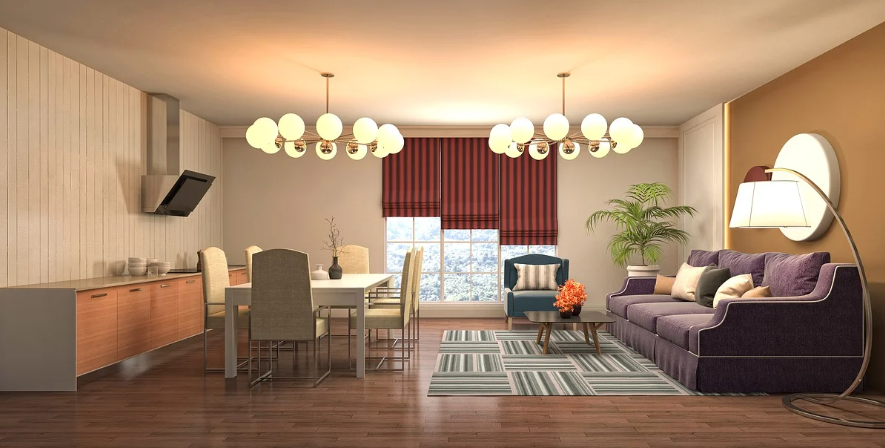
    Welcome! If you’ve ever dreamed of transforming your living area into a bright, airy haven where every corner exudes style and functionality, you’re in the right place. Today, open-concept design isn’t merely a trend—it’s a lifestyle. In this guide, I’ll walk you through creating an open-concept space that perfectly blends innovative furniture arrangement with modern design trends. So, whether you’re planning a major renovation or simply looking to refresh your layout, stick around as we explore tips, tricks, and inspiring ideas to turn your space into a masterpiece.

    Introduction to Open-Concept Living


    Let’s start at the beginning. Open-concept living is all about erasing boundaries and making your home feel expansive. Gone are the days when rooms were confined by rigid walls; today, the emphasis is on fluidity and connectivity. Think of it like a seamless conversation—where every element in your space interacts effortlessly with the next. I remember my first encounter with an open-concept design: the way sunlight poured in, the space feeling so inviting—it was like stepping into a breath of fresh air. This design not only improves aesthetics but also boosts functionality and social interaction. It’s as if your home becomes a stage, and every piece of furniture plays its part in telling a unique story.

    Understanding Open-Concept Spaces
    When we talk about open-concept spaces, we refer to layouts that minimize separation between key living areas. Definition and Benefits: At its core, an open-concept design removes unnecessary walls to create one expansive area. This means improved light distribution, increased flexibility for furniture placement, and a heightened sense of space. Imagine your home as a blank canvas where each piece of furniture adds to the bigger picture—much like a beautifully orchestrated painting where every stroke contributes to the overall masterpiece. The benefits extend beyond the visual appeal; such designs can also elevate your mood and foster an environment where creativity and interaction flourish.

    Definition and Benefits
    So, what exactly defines an open-concept space? Simply put, it’s a layout designed to bring together multiple functions—like the kitchen, dining area, and living room—into one harmonious flow. This design approach offers benefits like increased natural light, a sense of freedom, and the versatility to adapt your space for different activities. For instance, a dining table might double as a work desk, or a cozy seating area can transform into a reading nook with a simple rearrangement. The result is a dynamic environment where every inch serves a purpose, enhancing both aesthetics and functionality.

    Market Trends Shaping Open-Concept Design


    In recent years, market trends have given a massive boost to open-concept design. Consumer preferences have shifted toward minimalist yet multifunctional spaces. Today’s homeowners are more inclined to invest in adaptable, stylish furniture that caters to modern needs. Trends like modular sofas, extendable dining tables, and innovative storage solutions are gaining popularity as they allow for flexibility without sacrificing style. Industry experts have noted that as remote work and multi-use spaces become increasingly common, the demand for such designs will only grow stronger. It’s an exciting time for design enthusiasts, as the future holds even more creative possibilities for open-concept living.

    Consumer Preferences and Insights
    Have you ever wondered what draws people to open-concept designs? It’s all about functionality, flexibility, and a clean aesthetic that adapts to various lifestyles. Through conversations with homeowners and design professionals, it’s clear that today’s consumers crave spaces that can evolve with their needs. Whether it’s a pop-up home office, a space for entertaining guests, or a serene area for relaxation, the modern design ethos is all about balance. Additionally, there’s a rising interest in sustainable materials and eco-friendly furniture—an aspect that adds both style and conscience to your interior design choices.

    The Role of Furniture Arrangement in Open Spaces
    Furniture arrangement is the secret sauce in open-concept design. It’s not just about placing pieces randomly; it’s about orchestrating a symphony of style and functionality. The right layout can create natural zones, making your space feel organized even without walls. Consider your furniture as actors on a stage—each with its own role that contributes to the overall performance. By strategically positioning your seating, dining, and work areas, you can create clear yet subtle divisions. This thoughtful arrangement not only enhances usability but also transforms your home into a welcoming haven that’s perfect for both quiet evenings and lively gatherings.

    Space Planning and Zoning Techniques
    Effective space planning is the cornerstone of any successful open-concept design. Start by identifying the primary functions of your space. Do you need a vibrant dining area that flows into a relaxing living room? Or perhaps you want a dedicated workspace that feels integrated with your home? Once you’ve mapped out these functions, zoning techniques come into play. Techniques like using area rugs to demarcate different areas, arranging furniture to form natural boundaries, and playing with lighting variations are essential. Picture your space as a well-rehearsed play: each zone is a scene that contributes to the overall narrative of your home.

    Practical Zoning Strategies
    Let’s roll up our sleeves and talk specifics. One practical strategy is using area rugs to anchor distinct zones. A rug under your coffee table can define a seating area, while a different rug might signal your dining zone. Lighting also plays a crucial role—consider installing pendant lights over your dining table and softer ambient lights in your living area. And don’t forget the power of furniture! A well-placed sofa or a strategic bookshelf can serve as a subtle divider, ensuring each zone retains its character while contributing to a cohesive look. Experimenting with these elements is like tuning a musical instrument until you hit just the right note.

    Designing with Color, Light, and Texture
    Color, light, and texture are the unsung heroes of interior design. In an open-concept space, your color palette can set the entire mood. Start with a neutral base—soft whites, light grays, or beiges—and add pops of color through accessories like cushions, art, or even a bold piece of furniture. Natural light is your best friend; maximize it by keeping window areas clear and using reflective surfaces such as mirrors. Textures, whether it’s a plush rug or a sleek metal lamp, add depth and interest. Think of it like baking a cake: while the ingredients might be simple, the right combination and presentation can make it truly irresistible.

    Choosing the Right Palette and Materials
    Choosing a color palette for your open space is akin to curating a wardrobe that makes you feel confident every day. Lighter tones open up the room, creating an atmosphere that’s both airy and elegant, while vibrant accents inject energy and personality. When selecting materials, opt for those that combine durability with beauty. Natural wood, tempered glass, and metal elements are popular choices that align with modern, eco-friendly design trends. Mixing and matching these materials, much like blending different fabrics in your favorite outfit, can result in a balanced look that’s as functional as it is fashionable.

    Furniture Choices and Arrangement Tips
    Your furniture is the backbone of your open-concept design. The pieces you choose should be both stylish and versatile. Think modular sofas that can be reconfigured to suit any occasion, extendable dining tables that adapt to your guest list, and smart storage solutions that keep clutter at bay. When arranging these pieces, always consider the flow of movement—ensure there’s ample space for guests to move around freely. It might help to visualize your space as a living organism, where each piece plays a role in maintaining harmony and balance. With a bit of creativity and careful planning, you can create a layout that’s both inviting and highly functional.

    Maximizing Functionality and Aesthetics
    Striking the perfect balance between functionality and aesthetics can sometimes feel like walking a tightrope. However, with open-concept spaces, the secret lies in multipurpose design. Every piece of furniture should serve more than one purpose: a stylish coffee table that doubles as storage, a sofa that converts into a guest bed, or a dining table that can expand during family gatherings. The beauty of such design is that it adapts to your lifestyle. In many ways, it’s like a Swiss Army knife—compact, efficient, and ready to transform based on your needs. This balance not only makes your space more practical but also adds layers of sophistication that reflect your personality.

    Formatting and Presentation for a Perfect Look


    Just as a well-crafted article pays attention to paragraph spacing, font choice, and color matching, so too does a beautifully designed room. In your home, consider each piece of furniture and decor as a carefully chosen font or color that contributes to the overall layout. Thoughtful presentation is key. Use consistent styles for similar functions—this might mean a uniform color scheme for seating areas or complementary textures in dining and living zones. The goal is to create a visual rhythm, much like the cadence in a well-written paragraph, where every element feels in tune with the rest. This attention to detail can elevate your space from simply functional to truly inspirational.

    Case Studies and Real-Life Examples
    Sometimes, the best way to understand a concept is through real-life examples. Consider the story of a young couple who transformed their small apartment into an expansive open space by investing in modular furniture and creative zoning. With minimal alterations, they created distinct areas for cooking, dining, and relaxation—all within one cohesive space. In another instance, a family of four used convertible furniture to design a multi-use living room that served as a play area during the day and a cozy family room by night. These examples prove that with a little creativity and smart planning, you can reinvent any space to suit your evolving lifestyle.

    Future Outlook and Trends in Open-Concept Design
    Looking forward, the future of open-concept design is set to evolve in exciting ways. With the rise of smart home technology and eco-friendly materials, designers are increasingly focusing on creating spaces that are not only visually appealing but also highly adaptive. Imagine furniture that can reconfigure at the touch of a button, or layouts that automatically adjust based on your daily schedule! As remote work and flexible living become the norm, our homes will continue to serve multiple functions, blending leisure, work, and relaxation seamlessly. It’s a thrilling time to be involved in interior design, and the innovations on the horizon promise to make our living spaces even more inspiring and adaptable.

    Conclusion and Key Takeaways


    In wrapping up, creating an open-concept space is an exciting endeavor that marries creativity with practicality. We’ve explored the definition and benefits of open layouts, delved into market trends and consumer preferences, and discussed the importance of thoughtful furniture arrangement. By focusing on elements like zoning, color, light, and versatile furniture, you can transform any room into a dynamic and inviting space. As you embark on your design journey, remember that each element of your home tells a story—one that is uniquely yours. With the right balance of functionality, aesthetics, and personal style, your open-concept space will not only be a pleasure to live in today but will also adapt gracefully to the evolving trends of tomorrow.

    Frequently Asked Questions (FAQs)

    1. What is an open-concept space and why is it so popular?
      Open-concept spaces remove the traditional walls that separate rooms, creating a fluid, connected environment. This design is popular because it maximizes natural light, enhances the flow of the space, and adapts easily to multiple uses.
    2. How do I effectively zone different areas in an open space without using walls?
      You can use area rugs, varied lighting, and strategic furniture placement to define zones. Each element acts like a subtle marker, guiding the eye and creating distinct areas without physical barriers.
    3. What are some essential furniture pieces for an open-concept design?
      Look for modular and multifunctional furniture. Items such as convertible sofas, extendable dining tables, and innovative storage solutions work wonders in maintaining both functionality and style in open spaces.
    4. How can I ensure my open space looks cohesive and well-designed?
      Focus on a consistent color palette, complementary textures, and thoughtful lighting. By treating your furniture and decor as parts of a unified design scheme, you can create a space that feels both curated and inviting.
    5. Will an open-concept layout work in a smaller home or apartment?
      Absolutely. With clever space planning and multipurpose furniture, even compact areas can be transformed into open, airy spaces that maximize functionality and style.

    In this article, we’ve taken a deep dive into the world of open-concept design and furniture arrangement. From defining what an open-concept space really is, to exploring the latest market trends and consumer insights, you now have a comprehensive guide to reimagining your home. With practical zoning strategies, innovative furniture choices, and a keen eye on presentation and formatting, creating a space that is both stylish and functional has never been more achievable. As you experiment with these ideas, think of your home as a living work of art—a canvas where every piece of furniture, every color choice, and every layout decision contributes to a harmonious whole.

    Remember, the future of interior design is dynamic. With emerging technologies and sustainable practices taking center stage, your home’s open-concept design can evolve along with the times. Stay inspired, experiment boldly, and most importantly, let your personal style shine through every detail. Whether you’re hosting a dinner party, working from a cozy nook, or simply enjoying a quiet evening at home, your open-concept space will be a true reflection of your lifestyle—vibrant, adaptable, and uniquely yours.

    Thank you for taking the time to explore these insights and tips on creating an open-concept space with brilliant furniture arrangements. May your home be filled with light, creativity, and endless possibilities. Happy decorating!

  • Materials Market: Your One-Stop Building Materials Procurement Platform!

    Materials Market: Your One-Stop Building Materials Procurement Platform!

    When it comes to home renovation or furniture pairing, selecting high-quality building materials is crucial. However, many consumers and professionals face challenges such as unclear pricing, difficulty sourcing materials, and high comparison costs. Now, Materials Market provides a one-stop solution for purchasing building materials, making your renovation journey more efficient and cost-effective!

    What is Materials Market?

    Materials Market is an innovative online building materials trading platform designed for contractors, designers, and general consumers. The platform gathers a wide range of high-quality suppliers, offering a diverse selection of building materials, including timber, tiles, plasterboard, insulation materials, and more, catering to various project needs.

    Why Choose Materials Market?

    1. Transparent Pricing and Easy Comparison

    On Materials Market, all product prices are clearly listed, allowing users to compare quotes from different suppliers effortlessly. This ensures that you get the best deal and eliminates the issue of unclear pricing in traditional markets.

    2. Extensive Material Selection in One Place

    Whether you need a small batch for a home renovation or bulk purchases for a construction project, Materials Market has you covered. The platform offers a comprehensive range of building materials, ensuring you find the perfect fit for your needs.

    3. Fast Delivery for Efficient Construction

    Materials Market operates with an efficient logistics system, ensuring that your materials arrive quickly at your site. Whether it’s an urgent restock or a bulk order, you can enjoy convenient delivery services that reduce delays and improve project efficiency.

    4. Direct Supplier Connection with Guaranteed Quality

    All suppliers undergo strict verification to ensure that their products meet industry standards. Users can connect directly with suppliers, obtain detailed product information, and avoid unnecessary middlemen costs, ensuring the best value for their money.

    Who Can Benefit from Materials Market?

    • Homeowners: Purchase renovation materials independently, control your budget, and improve cost-effectiveness.
    • Interior Designers: Source high-quality materials to enhance design outcomes for clients.
    • Construction Contractors: Efficiently procure bulk building materials to keep projects running smoothly.
    • DIY Enthusiasts: Find premium building materials to complete personal home improvement projects effortlessly.

    Conclusion

    Whether you’re a home renovation enthusiast or a professional contractor, Materials Market is the ideal platform for purchasing building materials. With transparent pricing, top-quality materials, a diverse selection, and efficient delivery services, Materials Market makes your construction and renovation projects easier, more affordable, and more efficient. Visit Materials Market now and start your smart building materials shopping journey through [your referral link](Your Referral Link)!

  • DIY Bedroom Makeover: Tips for a Refreshing Change

    DIY Bedroom Makeover: Tips for a Refreshing Change

    Welcome, DIY enthusiasts and bedroom makeover aficionados! In today’s fast‑paced world, our bedrooms have evolved into personal sanctuaries where style meets comfort. Whether you’re looking to update a tired design or completely transform your space, this guide is packed with creative tips, market insights, and practical advice that put you in control. Get ready to dive into a refreshing change that reflects the latest trends and your unique personality. This comprehensive article is written in a conversational tone, with personal pronouns and active voice to keep you engaged from start to finish.

    Understanding the Modern Bedroom Aesthetic

    The modern bedroom is more than just a place to sleep—it’s an extension of your lifestyle. Today’s design philosophy is driven by clean lines, sustainable materials, and personalized touches that turn everyday spaces into havens of relaxation and style. Have you ever wondered why minimalist designs are trending? It’s because they provide a clutter‑free environment that enhances mental clarity and promotes restful sleep. In this section, we lay the foundation for your makeover journey by exploring the key elements that define modern bedroom aesthetics.

    Market Trends Shaping Bedroom Decor

    Over the past few years, the furniture and home décor market has witnessed a significant shift. Consumers are increasingly drawn to designs that balance functionality with aesthetics. Notable trends include:
    Sustainable Materials: Eco‑friendly wood, recycled metals, and natural fibers are taking center stage.
    Tech‑Integrated Furniture: Smart beds, ambient lighting, and integrated charging stations are now a reality in many modern homes.
    Neutral and Earth Tones: Calm color palettes create a soothing ambiance, resonating with both urban and rural consumers.

    These trends, supported by market research and insights from industry experts, ensure that your bedroom makeover will be right on target with the evolving demands of modern living.

    Influences of Global Design Trends

    Global influences are increasingly impacting local design trends. European chic, Japanese minimalism, and Scandinavian functionality all contribute to a diverse mix that homeowners can adapt to suit their tastes. Imagine the serene calm of a Japanese Zen space blended with the warmth and functionality of Scandinavian design. This fusion results in a bedroom that is both innovative and inviting—an ideal canvas for your creative expression. Drawing on global influences not only enriches your décor but also adds a unique twist that sets your space apart.

    Assessing Your Bedroom Space

    Before you dive into a full‑scale makeover, take a step back and assess your current space. Understanding your room’s dimensions, natural lighting, and overall flow will set the stage for a successful transformation. Think of it like preparing for a long journey—you need a map before you set out. Here, we’ll cover the essential steps to measure and plan your layout effectively.

    Measuring and Planning Your Layout

    A well‑thought‑out layout is the cornerstone of any successful bedroom makeover. Begin by measuring your room’s dimensions and noting the placement of doors, windows, and any immovable fixtures. Sketch a scaled floor plan—either by hand or using digital tools—to visualize how furniture and décor will be arranged. Ask yourself: “How can I maximize space without overcrowding?” Experimenting with different arrangements will help you create a design that is both functional and aesthetically pleasing.
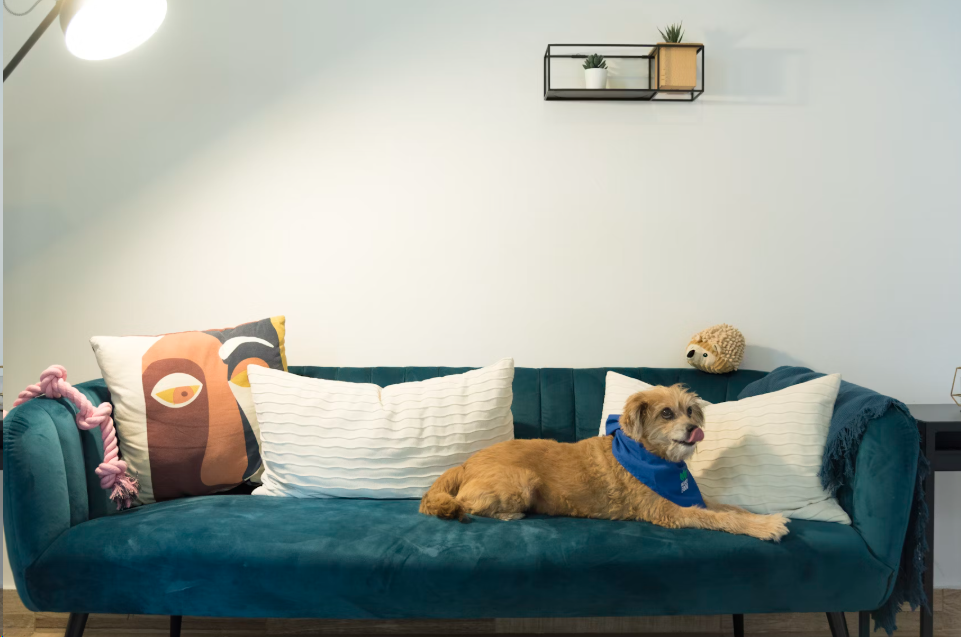
    Budgeting for Your Makeover

    Budgeting is a critical part of any DIY project. While DIY often implies cost‑effective solutions, it’s important to allocate funds wisely. Start by listing all potential expenses—furniture, décor items, paint, and any professional assistance. Establish a realistic budget that allows you to invest in key statement pieces while still leaving room for creative, budget‑friendly projects. Remember, a strategic budget is the backbone of a successful makeover.

    Trending Furniture and Decor Ideas

    Keeping up with the latest in furniture and décor can feel overwhelming, but it’s also incredibly exciting. With a myriad of options available, where do you start? In this section, we highlight trending ideas that cater to modern consumer preferences, ensuring your bedroom is both stylish and comfortable. Whether your taste leans toward vintage charm or modern minimalism, there’s a trend here to inspire every style.

    Sustainable and Eco-Friendly Options

    Sustainability is not just a trend—it’s a way of life. More than ever, consumers are choosing eco‑friendly furniture made from reclaimed wood, recycled materials, and upcycled items. Not only do these options minimize environmental impact, but they also offer unique character and durability. Industry experts consistently point out that sustainability paired with style is the winning formula for modern bedroom décor.

    Expert Tips on Furniture Selection

    When selecting furniture, consider versatility and longevity. Experts recommend investing in pieces that serve multiple functions. For instance, a bed with built‑in storage or a nightstand that doubles as a workspace can significantly enhance your room’s functionality. Visit local showrooms, read expert reviews, and don’t hesitate to mix high‑quality investments with creative DIY enhancements. A piece that works hard for you is a piece that truly belongs in your sanctuary.

    Incorporating Color and Texture

    The power of color and texture in a bedroom cannot be overstated. They can transform a sterile room into a vibrant, welcoming haven. Imagine your bedroom as a blank canvas where every brushstroke of color and every layer of texture contributes to a masterpiece. This section explores how you can use color psychology and tactile elements to bring life and energy to your space.

    Color Psychology in the Bedroom

    Colors have a profound impact on our mood and well‑being. Soft blues and greens can instill a sense of calm and tranquility, while warm hues like peach or terracotta can evoke comfort and energy. When choosing your palette, consider the atmosphere you wish to create. Do you need a space that soothes your mind after a hectic day, or do you prefer an energizing environment? Use these insights to select a color scheme that truly resonates with your personality.

    Texture and Layering Techniques

    Texture adds depth, dimension, and personality to any room. Whether you opt for a plush area rug, cozy blankets, or smooth metallic accents, mixing textures creates visual interest and tactile comfort. Think of it as composing a symphony—the harmony between rough and smooth, soft and sleek, results in a captivating sensory experience. Experiment with layering different fabrics and materials to discover combinations that feel both fresh and timeless.

    Personalizing Your Space

    Your bedroom should reflect who you are. It’s your personal sanctuary, and the more you infuse your unique style into it, the more comfortable you’ll feel. In this section, we explore DIY projects and custom décor ideas that let you add a personal touch to every corner of your room.

    DIY Projects and Custom Decor

    Nothing beats the satisfaction of a DIY project that transforms your space into something entirely your own. From repainting old furniture to crafting custom wall art, the possibilities are endless. Why not try building a bespoke headboard or creating a gallery wall featuring your favorite photographs and art pieces? These projects allow you to express creativity while ensuring that your bedroom stands out as a personal retreat. Remember, each DIY endeavor is like adding a unique note to a beautiful melody—when all notes come together, the result is simply unforgettable.

    Optimizing Your Bedroom for Comfort

    A stunning bedroom should also be incredibly comfortable. Beyond the visual appeal, think about how your space supports your rest and rejuvenation. In this section, we delve into the importance of ergonomic furniture and design choices that contribute to a better quality of sleep and overall well‑being.

    Ergonomic Furniture and Sleep Quality

    Investing in ergonomic furniture is a smart way to enhance your bedroom’s functionality. Quality bedding, supportive mattresses, and adjustable furniture pieces aren’t just luxuries—they’re essentials for a good night’s sleep. Consider a bed frame that offers storage solutions or a mattress that adapts to your body’s contours. Ergonomic choices not only improve your sleep quality but also support long‑term health. After all, your bedroom is your personal retreat; it should nurture and support you in every possible way.

    Final Touches and Accessories

    No makeover is complete without those final, finishing touches that tie everything together. Accessories like lighting, rugs, and wall art are the punctuation marks in your design narrative. They add personality, warmth, and that extra bit of charm that makes your space uniquely yours.

    Lighting, Rugs, and Wall Art

    Lighting is an art form in itself. The right blend of ambient, task, and accent lighting can set the perfect mood for any time of day. Complement your lighting choices with carefully selected rugs that add warmth, and wall art that speaks to your soul. Whether you prefer bold statement pieces or subtle accents, these elements are essential in transforming your bedroom into a cohesive, stylish sanctuary. Treat these finishing touches like the final notes in your favorite song—they complete the composition and bring your vision to life.

    Summary and Future Outlook

    In conclusion, your DIY bedroom makeover is an exciting journey of self-expression, creativity, and smart design. We began by exploring the modern bedroom aesthetic and identifying key market trends—from sustainable materials to tech‑integrated furniture—that influence today’s décor. We then moved through the practical steps of measuring your space, planning your layout, budgeting wisely, and selecting furniture that meets both aesthetic and functional needs. Personal touches and DIY projects allowed you to infuse your own style into every corner, while careful attention to color, texture, and ergonomic comfort ensured a harmonious balance between beauty and function. <br><br>Looking forward, the future of bedroom design is set to be driven by innovations in technology, sustainability, and a deepening understanding of consumer preferences. As the market evolves, so will the possibilities for creative expression and comfort in our personal spaces. Keep experimenting, stay informed about the latest trends, and most importantly—enjoy the journey of creating a bedroom that is as refreshing as it is uniquely yours.

    Key Takeaways and Industry Insights

    Plan Thoroughly: Start with precise measurements and a clear layout to maximize every inch of your space.
    Budget Smartly: Allocate funds for key pieces and balance cost‑effective DIY projects with quality investments.
    Stay Trendy: Keep up with global and local design trends—sustainability and multifunctional furniture are here to stay.
    Personalize Deeply: Your bedroom should reflect your personality through custom décor and DIY projects.
    Prioritize Comfort: Invest in ergonomic and supportive furniture to enhance sleep quality and overall well‑being.

    FAQs

    Q1: What are some budget‑friendly DIY ideas for a bedroom makeover?
    A1: Consider repurposing thrifted furniture, using inexpensive paint to update old pieces, and creating your own wall art. Small details like new bedding or handmade décor can go a long way without a hefty price tag.

    Q2: How can I ensure my bedroom stays on trend?
    A2: Follow design blogs, subscribe to home décor magazines, and engage with industry experts on social media. Keep an eye on sustainable and multifunctional furniture trends, which are shaping modern bedroom aesthetics.

    Q3: Which color schemes are best for creating a relaxing bedroom?
    A3: Soft blues, gentle greens, and neutral earth tones are ideal for promoting calm and tranquility. Experiment with accent colors to add warmth without compromising the soothing vibe.

    Q4: What should I look for in ergonomic bedroom furniture?
    A4: Look for adjustable, supportive pieces like quality mattresses, beds with storage, and ergonomic seating. These elements help improve sleep quality and contribute to overall physical well‑being.

    Q5: Can technology be integrated into a DIY bedroom makeover?
    A5: Absolutely. From smart lighting systems to beds with built‑in charging ports, integrating technology can enhance both the functionality and modern appeal of your bedroom.

  • ReifenDirekt.at Introduction and Advantages: A Comprehensive Overview of Products, Pricing, and Services

    ReifenDirekt.at Introduction and Advantages: A Comprehensive Overview of Products, Pricing, and Services

    In today’s digital era, more and more consumers prefer to purchase automotive parts online, especially tires. ReifenDirekt.at, one of Europe’s leading online tire retailers, has gained popularity among car owners due to its extensive product range, competitive pricing, and convenient services. If you’re looking for a reliable online tire store, ReifenDirekt.at is undoubtedly a great choice. This article will provide a detailed introduction to ReifenDirekt.at and its key advantages.

    1. Introduction to ReifenDirekt.at

    ReifenDirekt.at is a professional online tire retail platform under Delticom AG, specializing in car tires, motorcycle tires, truck tires, and related accessories. Serving Austria and multiple European countries, the platform is committed to offering high-quality tires at reasonable prices.

    2. Product Range at ReifenDirekt.at

    ReifenDirekt.at offers a wide variety of tire products covering almost all major brands and specifications, including but not limited to:

    • Passenger car tires (for compact cars, family sedans, SUVs, etc.)
    • Motorcycle tires (street, off-road, cruiser, racing, etc.)
    • Truck and light commercial vehicle tires
    • Winter, summer, and all-season tires
    • High-performance and eco-friendly tires
    • Rims and complete tire sets

    Whether you are a daily commuter, an off-road enthusiast, or a professional racer, you can find the perfect tires at ReifenDirekt.at.

    3. Competitive Pricing: A Cost-Effective Choice

    Compared to traditional offline tire shops, ReifenDirekt.at has significant pricing advantages:

    • Bulk purchasing reduces costs: ReifenDirekt.at collaborates directly with manufacturers, using bulk purchasing to lower procurement costs, resulting in better pricing.
    • Regular promotions and discounts: The website frequently offers seasonal promotions, limited-time discounts, and exclusive affiliate marketing coupon codes to help customers save more.
    • Transparent pricing with no hidden fees: Customers can view product prices directly on the website without intermediary markups, ensuring the best value for money.

    4. Outstanding Services: Simplifying the Tire Buying Experience

    Besides offering a broad range of products at great prices, ReifenDirekt.at provides a range of customer-friendly services that make it stand out among online tire retailers.

    4.1 Convenient Search and Purchase Process

    • Smart tire search: Customers can quickly filter the right tires by entering vehicle model, tire size, or brand.
    • Detailed product information: Each tire listing includes comprehensive descriptions, technical specifications, and customer reviews to help buyers make informed decisions.

    4.2 Fast Delivery and Installation Partnerships

    • Free or low-cost shipping: ReifenDirekt.at ensures timely delivery through an efficient logistics network.
    • Extensive installation partner network: Customers can choose to have their tires shipped directly to a partner installation center and schedule installation services, eliminating the hassle of transportation.

    4.3 Secure and Reliable Payment Options

    • ReifenDirekt.at supports multiple payment methods, including credit cards, PayPal, and bank transfers, ensuring a secure transaction process.

    5. Why Choose ReifenDirekt.at?

    • Comprehensive selection of top brands
    • Transparent pricing with high cost-effectiveness
    • Fast shipping and convenient installation services
    • Professional customer support for a worry-free shopping experience

    Conclusion: ReifenDirekt.at – A Trusted Online Tire Retailer

    If you are looking for high-quality yet affordable tires with a seamless purchasing experience, ReifenDirekt.at is the ideal choice. With an extensive product range, competitive pricing, and exceptional services, this platform has become a preferred destination for many customers. Visit ReifenDirekt.at today and find the perfect tires for your vehicle!

  • Top German Tire Brands – Quality, Performance, and Where to Buy

    Top German Tire Brands – Quality, Performance, and Where to Buy

    Germany has long been known for its excellence in automotive engineering, and its tire industry is no exception. German tire brands are recognized worldwide for their superior quality, innovative technology, and high safety standards. In this article, we introduce some of the top German tire brands, highlighting their strengths and best-selling models, and recommend ReifenDirekt.at as the go-to platform for purchasing these premium tires.

    1. Continental – A Global Leader in Tire Innovation

    Continental is one of the most respected tire manufacturers in the world, known for its cutting-edge technology and exceptional performance.

    Why Choose Continental?

    • Superior Safety Features: Advanced braking technology for shorter stopping distances.
    • Fuel Efficiency: Low rolling resistance for better mileage.
    • High-Performance Options: Suitable for sports cars, SUVs, and electric vehicles.

    Popular Models:

    • Continental PremiumContact 6 – Excellent wet and dry performance.
    • Continental WinterContact TS 870 – Outstanding grip for winter conditions.
    • Continental EcoContact 6 – Optimized for fuel efficiency and longevity.

    2. Michelin – Premium Performance with a German Presence

    Although originally a French brand, Michelin has a strong manufacturing presence in Germany and is a top choice for premium tire seekers.

    Why Choose Michelin?

    • Long Tread Life: Exceptional durability and wear resistance.
    • Comfortable Ride: Noise-reduction technology for a smoother drive.
    • All-Weather Performance: Versatile tire options for all seasons.

    Popular Models:

    • Michelin Pilot Sport 4 – Ideal for high-performance vehicles.
    • Michelin CrossClimate 2 – A premium all-season tire with great versatility.
    • Michelin Primacy 4 – Enhanced longevity with excellent wet braking.

    3. Goodyear – German Engineering for Reliable Performance

    Goodyear has a significant production base in Germany and is known for its reliability and innovative design.

    Why Choose Goodyear?

    • Excellent Wet Grip: Superior aquaplaning resistance.
    • Durability: Strong sidewalls for increased tire lifespan.
    • Versatility: A broad range of options for different vehicles.

    Popular Models:

    • Goodyear Eagle F1 Asymmetric 5 – Perfect for sporty handling.
    • Goodyear UltraGrip Performance+ – Great winter tire for icy roads.
    • Goodyear EfficientGrip Performance 2 – Focused on fuel efficiency and comfort.

    4. Pirelli – High-Performance Tires with German Craftsmanship

    Though an Italian brand, Pirelli has extensive manufacturing operations in Germany, producing top-tier performance tires.

    Why Choose Pirelli?

    • Sporty Handling: Designed for high-speed stability.
    • Innovative Technology: Cutting-edge materials for improved grip.
    • Luxury Car Compatibility: Frequently used as original equipment for premium brands.

    Popular Models:

    • Pirelli P Zero – A favorite among sports car enthusiasts.
    • Pirelli Cinturato P7 – Great for balanced performance and comfort.
    • Pirelli Scorpion Winter – Designed for SUVs and winter conditions.

    Why Buy German Tires from ReifenDirekt.at?

    ReifenDirekt.at is one of the most trusted online tire retailers, offering a vast selection of top German tire brands at competitive prices. Here’s why you should choose ReifenDirekt.at:

    • Extensive Selection: A wide range of premium, mid-range, and budget-friendly tires.
    • Exclusive Discounts: Frequent promotions and seasonal discounts.
    • Convenient Ordering Process: Easy search options by vehicle type, tire size, and brand.
    • Fast and Reliable Shipping: Quick delivery to your home or partner installation centers.
    • Professional Installation Services: Choose from a network of certified partner workshops.

    Conclusion: Experience German Tire Excellence with ReifenDirekt.at

    When it comes to safety, performance, and durability, German tire brands like Continental, Michelin, Goodyear, and Pirelli offer some of the best options available. Whether you’re looking for summer, winter, or all-season tires, ReifenDirekt.at provides a seamless shopping experience with great prices and professional service. Explore ReifenDirekt.at today and find the perfect tires for your vehicle!