Tag: smart home

  • Investing in Smart Home Technology: A Buyer’s Handbook

    Investing in Smart Home Technology: A Buyer’s Handbook

    Smart homes are no longer a futuristic concept—they’re a reality. With rapid advancements in technology, investing in smart home devices has become increasingly accessible and appealing. Whether you’re a tech enthusiast or simply seeking convenience, this buyer’s handbook will guide you through the essentials of smart home technology.

    1. The Rise of Smart Homes

    Smart homes have revolutionized the way we live. From voice-controlled assistants to automated security systems, these innovations enhance our daily lives. But is investing in smart home technology worth it? Let’s explore the benefits and considerations.

    2. Convenience at Your Fingertips

    • Smart Lighting: Imagine adjusting your home’s lighting without leaving the couch. Smart bulbs and switches allow you to create the perfect ambiance with a simple voice command or tap on your smartphone.
    • Thermostats: Regulate your home’s temperature remotely. Smart thermostats learn your preferences and optimize energy usage, saving you money.
    • Video Doorbells: Answer the door from anywhere. Video doorbells provide security and convenience, allowing you to see and communicate with visitors even when you’re away.

    3. Problem-Solving Features

    • Intercom Systems: Communicate with family members throughout the house using voice assistants. No more shouting across rooms!
    • Automated Blinds: Control natural light and privacy effortlessly. Smart blinds adjust based on your preferences and the time of day.
    • Appliances: Wi-Fi-connected washers, dryers, and refrigerators make household chores more efficient.

    4. Security and Peace of Mind

    • Smart Locks: Secure your home with keyless entry. Grant access remotely and receive notifications when someone enters.
    • Security Cameras: Monitor your property 24/7. Smart cameras detect motion and send alerts to your phone.
    • Leak Detectors: Prevent water damage by receiving alerts when leaks are detected.

    5. Financial Considerations

    • Initial Investment: While setting up a smart home may seem costly, consider it a long-term investment. Start with essential devices and expand gradually.
    • Energy Savings: Smart devices optimize energy usage, potentially reducing utility bills.
    • Increased Home Value: A well-equipped smart home can attract buyers and increase resale value.

    6. Choosing the Right Devices

    • Compatibility: Ensure that devices work seamlessly together. Stick to one ecosystem (e.g., Amazon Alexa or Google Assistant) for better integration.
    • Privacy and Security: Research brands with robust security features. Protect your data and privacy.
    • Scalability: Plan for future additions. Invest in devices that allow room for expansion.

    7. Bursting the Myths

    • Complexity: Setting up a smart home is easier than you think. Most devices come with user-friendly apps and straightforward installation instructions.
    • Cost: Start small and prioritize essential devices. You don’t need to automate every aspect of your home immediately.
    • Dependency: While smart homes enhance convenience, remember that you can always revert to manual control if needed.

    Conclusion

    Investing in smart home technology is a strategic move. It enhances convenience, security, and energy efficiency. As you embark on this journey, choose wisely, stay informed, and enjoy the benefits of a smarter, more connected home.

    FAQs

    1. Are smart homes worth the investment? Absolutely! Smart homes offer convenience, security, and potential cost savings.
    2. Can I install smart devices myself? Most devices are DIY-friendly. Follow instructions carefully, and you’ll be up and running in no time.
    3. What about privacy concerns? Opt for reputable brands with strong privacy features. Regularly update passwords and review permissions.
    4. How do I choose between Amazon Alexa and Google Assistant? Consider your existing devices and personal preferences. Both ecosystems have their strengths.
    5. Is it possible to retrofit an existing home into a smart home? Yes, start with basic devices and gradually expand. Retrofitting is feasible and rewarding.
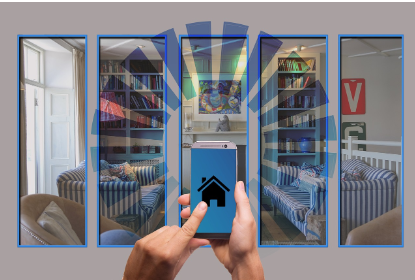
  • High-Tech Haven: Smart Home Appliances That Redefine Convenience

    High-Tech Haven: Smart Home Appliances That Redefine Convenience

    From the pages of science fiction to the heart of our living spaces, the concept of a “smart home” has transformed into a tangible reality. The rapid evolution of technology has given birth to a new era of convenience and efficiency, where everyday appliances are imbued with intelligence and connectedness. In this article, we delve into the world of smart home appliances that are revolutionizing the way we live, enhancing convenience, and redefining modern living standards.

    1. Introduction

    The integration of technology into our homes has taken an innovative leap, resulting in the creation of smart homes that boast an array of interconnected appliances. These devices are designed to streamline daily tasks, optimize energy usage, and elevate our overall quality of life. As the Internet of Things (IoT) technology continues to expand, smart home appliances have become a cornerstone of this interconnected landscape.

    2. The Evolution of Smart Homes

    – Early home automation systems

    In the not-so-distant past, home automation was a distant dream. Early systems allowed rudimentary control over a few aspects of the home environment, setting the groundwork for what was to come.

    – Rise of IoT technology

    The advent of the IoT brought a seismic shift. Suddenly, everything from refrigerators to thermostats could communicate with each other and be managed remotely through smartphone apps.

    – Integration of AI

    The integration of Artificial Intelligence (AI) has been the game-changer. Machine learning algorithms enable appliances to learn user preferences, adapt to routines, and make informed decisions to enhance user comfort and convenience.

    3. The Smart Appliance Revolution

    – Convenience and efficiency

    Smart appliances have brought unparalleled convenience into our lives. Imagine a refrigerator that tracks food inventory, suggests recipes based on available ingredients, and even places grocery orders automatically.

    – Impact on daily life

    These devices have seamlessly integrated into our routines. Smart thermostats adjust room temperatures as we move about the house, and robotic vacuums clean up messes with minimal intervention.

    – Energy savings

    Beyond convenience, smart home appliances promote energy efficiency. They analyze usage patterns and adjust energy consumption accordingly, leading to reduced utility bills and a more sustainable lifestyle.

    4. Cutting-Edge Smart Home Appliances

    – Smart thermostats and climate control

    Gone are the days of manual thermostat adjustments. Smart thermostats learn from our preferences, schedule, and weather forecasts to create the ideal indoor climate while minimizing energy wastage.

    – AI-powered kitchen appliances

    Modern kitchens have witnessed a revolution with AI-powered appliances. From precision cooking to intuitive meal planning, these devices make culinary endeavors effortless.

    – Intelligent security systems

    Home security has reached new heights with intelligent systems that include facial recognition, motion sensing, and real-time alerts. Homeowners can now monitor and safeguard their homes from anywhere.

    5. Seamless Connectivity

    – Interconnectivity of devices

    The magic of the smart home lies in how devices collaborate. Lights, thermostats, cameras, and more work in tandem, triggered by events or user commands.

    – Voice assistants and centralized control

    Voice-activated assistants have become the command center of smart homes. They enable hands-free control, making it possible to manage various devices simultaneously.

    6. Privacy and Security

    – Data privacy concerns

    As homes become more interconnected, data privacy becomes a paramount concern. Personal information captured by devices must be secured to prevent misuse.

    – Ensuring cybersecurity

    Protecting smart homes from cyber threats requires robust security protocols. Regular updates, strong passwords, and secure Wi-Fi networks are crucial safeguards.

    – Two-factor authentication

    An extra layer of protection comes through two-factor authentication. This adds a verification step, ensuring that only authorized users can access and control smart devices.

    7. The Future of Smart Homes

    – Predictive analytics and AI advancements

    Future smart homes will anticipate our needs through predictive analytics. AI will proactively adjust settings, lighting, and ambiance to match our preferences.

    – Sustainable and eco-friendly features

    Smart homes are set to embrace sustainability. Appliances will prioritize energy conservation and promote eco-friendly practices, contributing to a greener world.

    – Health and wellness integration

    Smart homes will play a role in enhancing our well-being. From air quality monitoring to personalized health routines, these homes will promote healthier lifestyles.

    8. Transforming Real Estate

    – Impact on property value

    Smart home features are reshaping real estate. Homes equipped with smart technology command higher values due to the added convenience and futuristic appeal.

    – Integration with modern architecture

    Architects and designers are incorporating smart technology from the ground up. This integration ensures seamless aesthetics while maximizing functionality.

    9. Overcoming Challenges

    – Technological literacy

    As smart homes become the norm, improving technological literacy is crucial. Users need to understand how to set up, use, and troubleshoot these devices effectively.

    – Affordability and accessibility

    While the technology is impressive, cost remains a barrier for some. Ensuring accessibility through cost-effective options will drive wider adoption.

    – Maintenance and upgrades

    Regular maintenance and timely upgrades are essential to ensure smart home systems continue to function optimally and remain secure.

    10. Conclusion

    The evolution of smart home appliances marks a significant milestone in technological advancement. These devices have transcended convenience, becoming integral to our lives. With AI, interconnectivity, and enhanced user experiences, the smart home revolution is reshaping our concept of modern living.

    11. FAQs

    1. Are smart home appliances difficult to set up? Setting up smart appliances has become increasingly user-friendly, with many manufacturers providing step-by-step guides and intuitive apps.
    2. Can smart appliances be controlled when I’m away from home? Yes, most smart appliances can be controlled remotely through smartphone apps, giving you control even when you’re not at home.
    3. What about compatibility between different brands of smart appliances? Interoperability can be a challenge between brands. It’s advisable to choose appliances from the same ecosystem to ensure seamless integration.
    4. Are smart homes more susceptible to hacking? While the possibility exists, following best practices like strong passwords and regular updates can significantly mitigate hacking risks.
    5. Do smart home appliances come with warranties? Yes, most smart appliances come with warranties similar to traditional appliances, offering coverage for any potential defects or malfunctions.

    In the grand tapestry of technology, smart home appliances have emerged as threads that weave convenience, efficiency, and innovation into the fabric of our lives. As we continue to embrace these intelligent devices, we step into a future where homes are not just smart but also responsive, intuitive, and designed to elevate our daily experiences.