Understanding Color Psychology
The Science Behind Color Perception
Colors aren’t just visual stimuli; they’re emotional triggers. Did you know that the way we perceive colors is deeply rooted in human biology and psychology? From ancient cave drawings to modern digital interfaces, colors have always carried meaning.
How Colors Influence Emotions and Behavior
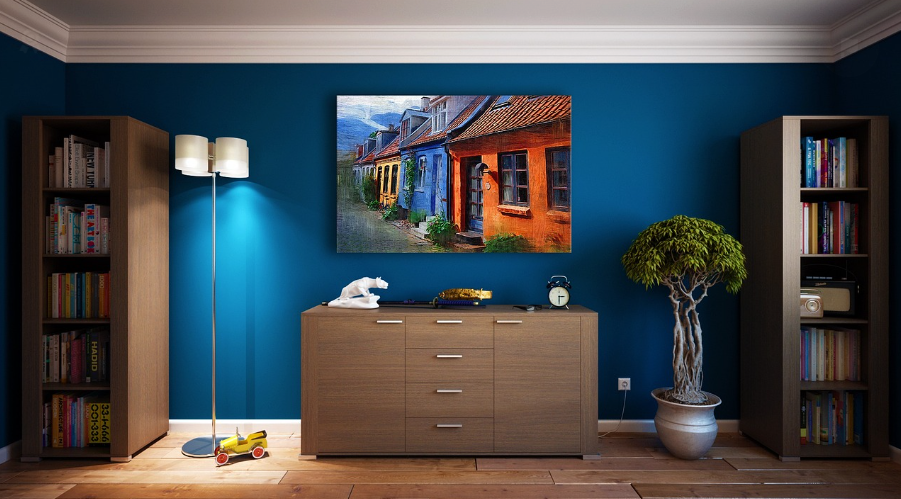
Think about how you feel when you see a bright yellow chair versus a deep blue sofa. Yellow sparks energy and positivity, while blue induces calm and focus. It’s no accident—marketers, designers, and even architects have long leveraged this knowledge to shape human behavior.
Why Color Matters in Interior Design
Creating Ambiance with Color
Your furniture’s color palette sets the tone for your space. Want a cozy living room? Opt for warm, earthy tones. Prefer a modern and sleek vibe? Go for cool grays and whites. The right color can transform an ordinary room into a personal sanctuary.
Color Trends in Furniture
Classic Neutrals
Beige, cream, and gray remain timeless favorites for their versatility and understated elegance.
Bold and Bright Tones
Emerald green, fiery red, and royal blue are trending for those who dare to make a statement. These colors are often used to inject personality into minimalist designs.
Psychological Effects of Different Colors
Warm Colors: Energizing and Inviting
Warm tones like red, orange, and yellow stimulate energy and excitement. They’re perfect for social spaces like living rooms or dining areas.
Cool Colors: Calming and Relaxing
Shades of blue and green bring tranquility. They’re ideal for bedrooms and study spaces, promoting rest and focus.
Neutral Colors: Balanced and Timeless
Neutrals create a grounding effect, allowing for flexibility in other design elements.
Choosing the Right Furniture Color
Considering Room Function
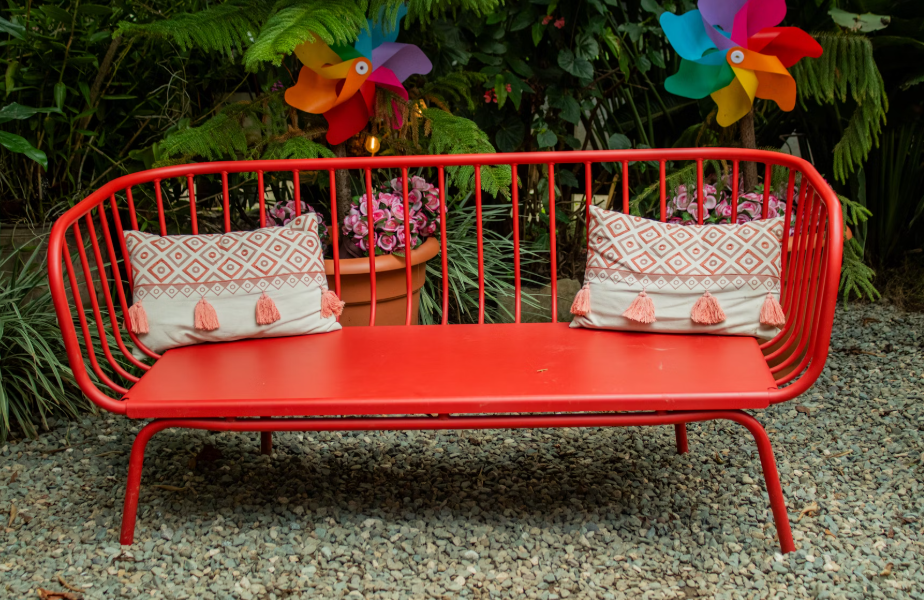
Each room serves a unique purpose. A vibrant red couch might energize a living room but could overwhelm a bedroom meant for relaxation.
Matching Personal Preferences
Your furniture should reflect your personality. Love nature? Try green tones. Prefer luxury? Opt for rich velvet textures in jewel tones.
Balancing Color with Lighting
Natural and artificial lighting affect how colors appear. Always test your furniture colors in the intended space before committing.
Practical Tips for Incorporating Colors
Experimenting with Accent Pieces
Not ready to commit to bold colors? Start small with cushions, rugs, or wall art. These pieces add pops of color without overwhelming the space.
Seasonal Updates and Flexibility
Swap out soft furnishings like curtains and throws to match the season. Think warm hues for winter and cooler tones for summer.
The Role of Cultural and Regional Preferences
Influence of Cultural Significance
In many cultures, colors hold symbolic meanings. For instance, red signifies good fortune in China, while white often represents mourning in parts of Asia.
Regional Trends and Variations
Scandinavian designs favor muted tones, while tropical regions embrace vibrant, bold palettes inspired by nature.
The Future of Color Psychology in Furniture
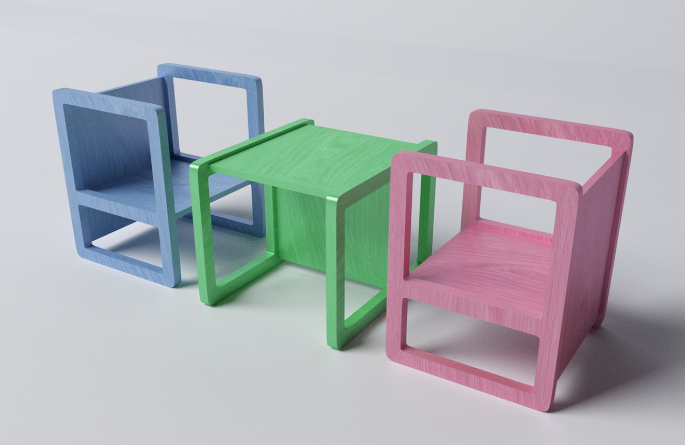
Advancements in AI and Predictive Tools
AI is revolutionizing color selection, allowing designers to predict consumer preferences and create tailored furniture collections.
Sustainability and Eco-Friendly Colors
The future is green—literally and figuratively. Sustainable furniture increasingly features natural, earthy tones that align with eco-conscious values.
Wrapping Up: A Colorful Future
Colors are more than just aesthetic choices; they’re tools to craft mood, inspire action, and express identity. Whether you’re furnishing your home or designing a commercial space, understanding the psychology behind color will empower you to make more informed, impactful
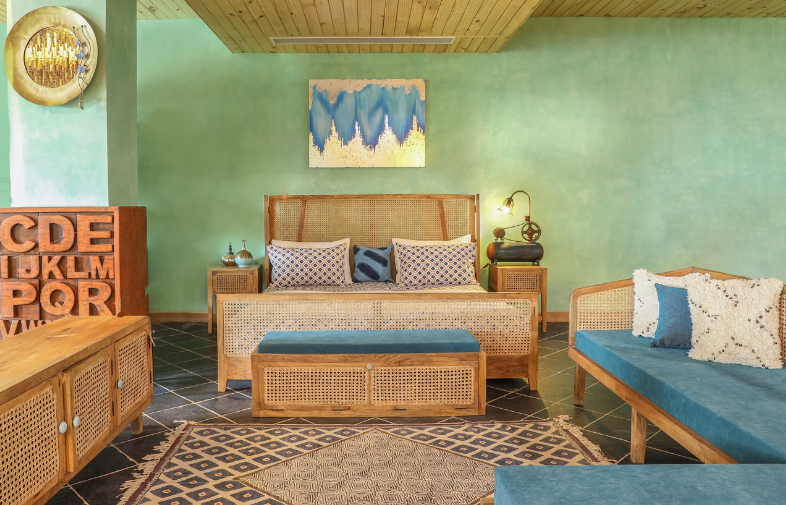
choices.
FAQs
- Why is color psychology important in furniture selection?
It helps create the desired ambiance, affects emotions, and enhances functionality. - How do I choose a furniture color for a small room?
Opt for lighter shades to make the room appear more spacious and airy. - What are the most versatile furniture colors?
Neutrals like gray, beige, and white are versatile and timeless. - Can bold colors work in minimalist spaces?
Yes, bold colors can serve as striking accents in minimalist designs. - How does lighting affect furniture color perception?
Lighting can alter how colors look; always test furniture under the room’s lighting conditions.