Why a Makeover? The Importance of Kids’ Spaces
Kids’ rooms are more than just a place to sleep; they’re a space for imagination, play, and growth. A well-designed room can significantly impact a child’s mood and creativity. Why not give them a fun and functional environment that inspires their adventures?
Planning the Perfect Kids’ Room
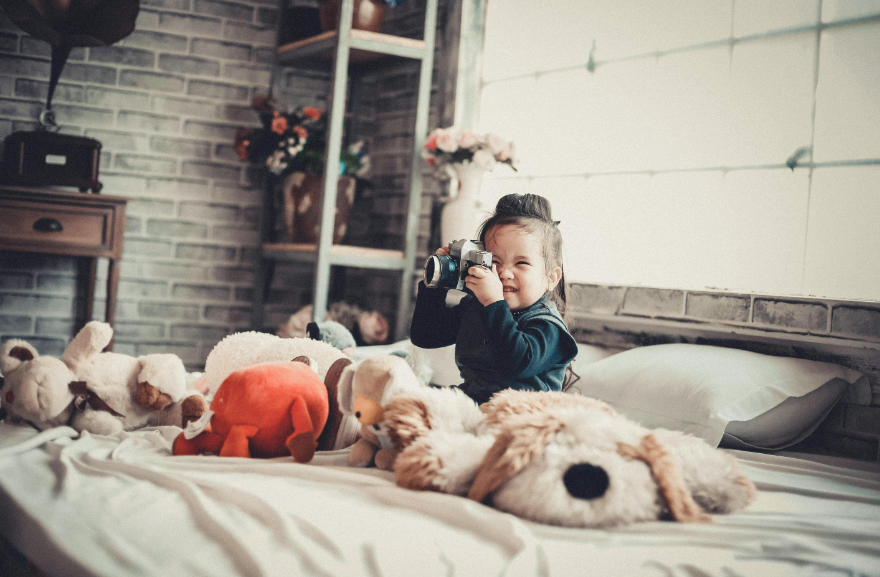
Before diving into colors and furniture, let’s plan. A successful makeover starts with understanding the space and needs.
Assessing the Space
Take a good look around. Measure the room to know what fits. Do you have a small nook or a spacious area? Knowing your space helps you envision the layout.
Setting a Budget
What’s your budget? Make sure to allocate funds for essential items first, then splurge on the fun stuff. Planning helps avoid overspending and keeps the project on track.
Design Themes for Kids’ Rooms
Choosing a theme can simplify decisions. Here are some ideas to spark creativity!
Whimsical Wonderland
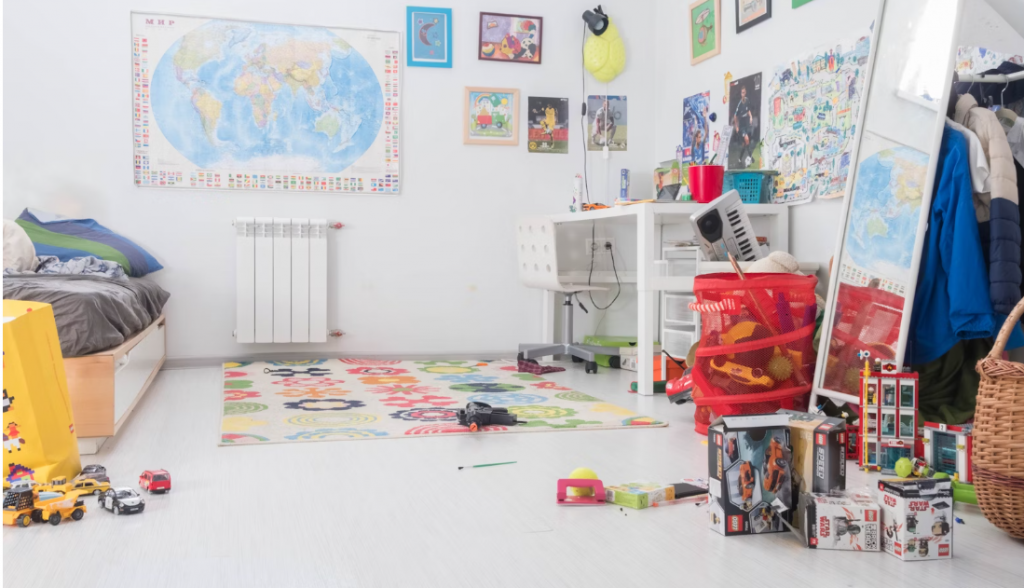
Think fairy tales and magic. Use soft pastels and fun patterns. A canopy bed can transform the space into a dreamy retreat.
Adventure Awaits
Is your kid an explorer? Create a jungle, outer space, or underwater theme. Wall murals and themed bedding can make them feel like they’re on a thrilling expedition.
Creative Spaces
Encourage creativity with a DIY art corner. Use a chalkboard wall for constant inspiration and let kids decorate their space with their art.
Functional Furniture Choices
Functional doesn’t mean boring. Let’s explore some furniture options that blend utility with style.
Storage Solutions
Kids have a lot of stuff! Invest in colorful bins, bookshelves, and under-bed storage. Teaching them to organize can make cleanup fun.
Multipurpose Furniture
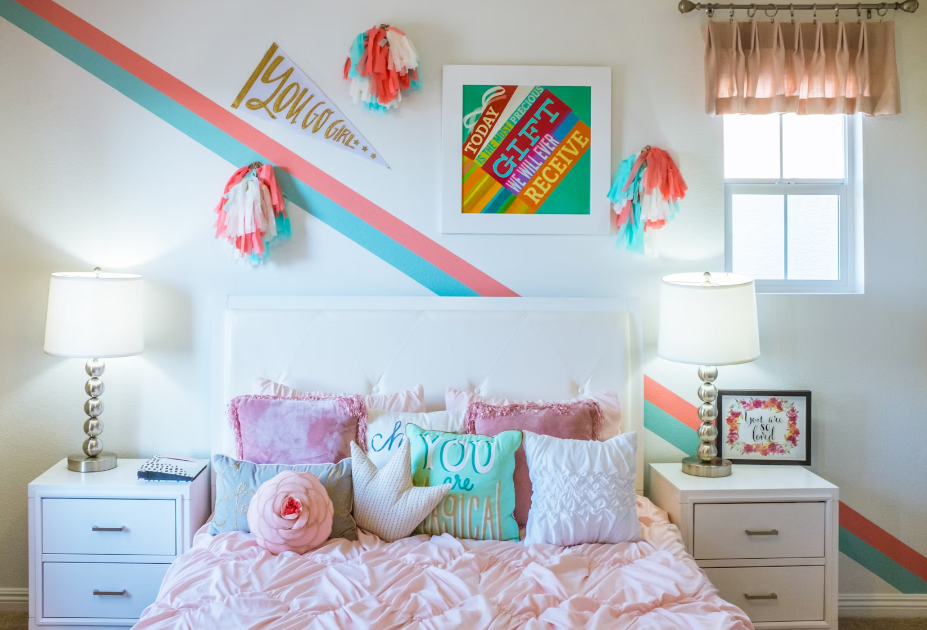
Consider furniture that serves multiple purposes. A bed with drawers or a desk that converts into a play table can save space and add flexibility.
Decorative Elements to Consider
Decor plays a significant role in setting the room’s tone.
Wall Art and Decals
Incorporate fun wall art or removable decals that reflect your child’s interests. Change them easily as their tastes evolve!
Textiles and Accessories
Soft rugs, colorful curtains, and playful cushions can tie the room together. They add comfort while expressing your child’s personality.
Incorporating Play into Design
Why not design the room with play in mind? Add a small play tent, a reading nook, or a small climbing wall if space allows. Encourage active play to promote physical development.
Safety Considerations
Safety is paramount. Secure furniture to walls, choose non-toxic paints, and ensure that toys and decor are age-appropriate. A safe environment allows kids to explore without worry.
Final Touches: Personalizing the Space
Let your child have a say in their room. Encourage them to pick colors, decor, or themes that reflect their personality. It makes the space feel truly theirs.
Conclusion
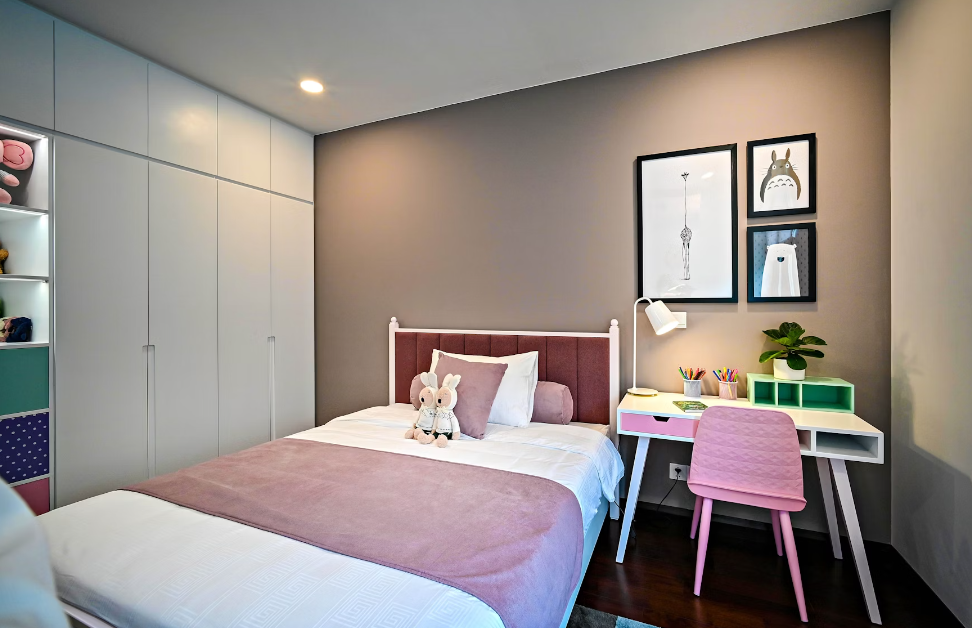
A kids’ room makeover is a fun project that combines creativity with practicality. By considering the child’s needs and preferences, you can create a vibrant, functional space that fosters imagination and growth. Ready to transform that space? Let the fun begin!
FAQs
- What’s the best age to start a kids’ room makeover?
- Any age! Tailor the design to their developmental stage and interests.
- How can I incorporate storage without sacrificing style?
- Use stylish baskets and multifunctional furniture to keep things organized.
- What colors are best for a kids’ room?
- Bright, cheerful colors stimulate creativity, while softer tones can create a calming environment.
- How often should I update a kids’ room?
- Every few years or when your child shows a shift in interests or needs.
- What are some budget-friendly makeover ideas?
- DIY projects, upcycling furniture, and incorporating second-hand finds can keep costs down.